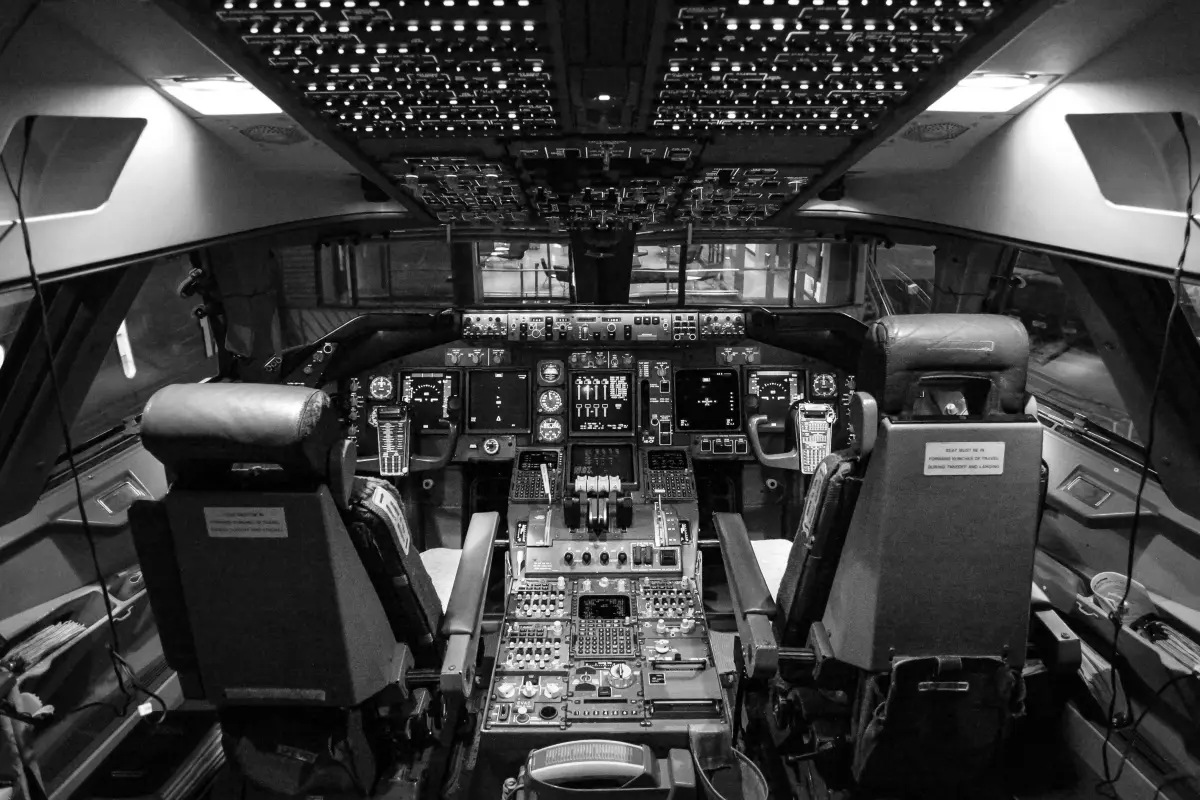
TUI Group Expands MAX Fleet to Boost Long-Haul Capacity


TUI Group is deploying the Boeing 737 MAX 8 to increase capacity on long-haul routes and plans a global rollout of its TUI Smiles Rewards Club in 2026.
Key Takeaways
- •TUI Group expects 20 new Boeing 737-8 deliveries in 2026.
- •MAX 8 aircraft enable full 189-seat capacity on long-haul routes.
- •TUI Smiles Rewards Club global rollout is scheduled for mid-2026.
- •MAX 10 certification is expected by late 2026 or 2027.
TUI Group 737 MAX Fleet Expansion
TUI Group is accelerating its fleet renewal strategy, leveraging the Boeing 737 MAX to enhance the economic viability of its long-haul leisure network. Following a period of supply chain constraints that resulted in zero deliveries during 2025, the company expects to receive approximately 20 new Boeing 737-8 aircraft in 2026. This influx of capacity is central to the group's efforts to modernize its current fleet of roughly 130 aircraft, which remains composed of a mix of older Next Generation (NG) variants and newer MAX models.
Overcoming Payload and Slot Constraints
The adoption of the 737 MAX 8 has fundamentally changed the operational profile for narrowbody long-haul flights. According to data presented at the Routes Europe 2026 conference, the aircraft allows TUI to sell all 189 seats on its 3,157 nautical mile route from Stockholm to Cape Verde. In comparison, the older 737-800NG was frequently weight-restricted on the same route, limiting capacity to 165 seats. Aage Dünhaupt, TUI's Director of Communications, noted that this shift is critical for profitability on longer leisure sectors.
Furthermore, TUI is looking toward the future Boeing 737 MAX 10 to manage growth at capacity-constrained hubs. As noted in the TUI Group Investor Relations portal, the airline intends to upgauge its operations at Amsterdam Airport Schiphol (AMS). Because Amsterdam is heavily slot-restricted, the increased passenger capacity offered by the MAX 10 allows the carrier to grow throughput without requiring additional runway slots.
Technical Comparison: MAX 8 vs. 737-800NG
| Metric | Boeing 737 MAX 8 | Boeing 737-800 (NG) |
|---|---|---|
| Maximum Range | 3,550 nm | 3,115 nm |
| Engine Type | CFM LEAP-1B | CFM56-7B |
| Fuel Efficiency | ~16% improvement | Baseline |
Digital Transformation and Loyalty
Beyond fleet upgrades, TUI is focusing on increasing direct-to-consumer bookings through the global launch of the TUI Smiles Rewards Club. Following a successful pilot in the Nordic markets, CEO Sebastian Ebel confirmed the program will roll out globally in mid-2026. This initiative serves as a pillar of the group's broader digital transformation, aiming to reduce customer acquisition costs while increasing repeat bookings.
The Path to Certification
For Boeing Commercial Airplanes, TUI’s expansion plans underscore the commercial urgency surrounding the certification of the MAX 10 variant. While the Boeing 737 MAX official page highlights the efficiency of the Leading Edge Aviation Propulsion (LEAP) engine series, the regulatory timeline remains a key variable. TUI expects the MAX 10 to receive type certification from the Federal Aviation Administration (FAA) and the European Union Aviation Safety Agency (EASA) in late 2026 or 2027. This timeline is critical, as it dictates when TUI can begin deploying the higher-capacity variant at its most congested European hubs.
Why Growth Matters for Leisure Operators
This strategic pivot toward next-generation narrowbody aircraft reflects an industry-wide trend where leisure carriers are replacing widebody assets with more efficient, long-range narrowbodies. While some environmental advocacy groups argue that this expansion contradicts net-zero targets, TUI maintains that the efficiency gains of the MAX family are necessary for economic sustainability. For the airline, the combination of a modernized fleet and the TUI Smiles loyalty program provides a clear roadmap to navigate the competitive landscape of European package holidays, even as the industry balances growth with ongoing supply chain and regulatory challenges.
Frequently Asked Questions
- How does the Boeing 737 MAX 8 improve TUI's long-haul route capacity?
- The 737 MAX 8 offers increased range and payload efficiency compared to the older 737-800 Next Generation. This allows TUI to sell all 189 seats on long-haul routes like Stockholm to Cape Verde, whereas the older aircraft was weight-restricted to 165 seats.
- Why is TUI waiting for the certification of the Boeing 737 MAX 10?
- TUI plans to use the higher-capacity 737 MAX 10 to increase passenger throughput at slot-restricted airports like Amsterdam Schiphol. By using a larger aircraft, the airline can grow passenger numbers without needing to secure additional, limited flight slots.
omniflights.com provides comprehensive commercial aviation news covering airlines, aircraft, and airports. Track policy changes, airspace rules, and global aviation governance in the Regulatory category at omniflights.com/regulatory.

Written by Hardik Vishwakarma
Co-Founder & Aviation News Editor leading initiatives that improve trust and visibility across the global aviation industry. Covers airlines, airports, safety, and emerging technology.
Visit ProfileYou Might Also Like

Lufthansa A350-1000 to Debut on Munich-Haneda Route
Cathay Pacific Weighs Widebody Fleet Expansion Plans
American Airlines Drops 3 Routes Amid Network Optimization
JAL Orders 16 Embraer E190-E2 Jets for Regional Fleet
Volaris-Viva Merger Expected to Gain CNA Approval