Indigo Partners Signs Starlink Deal for Over 1,000 Planes

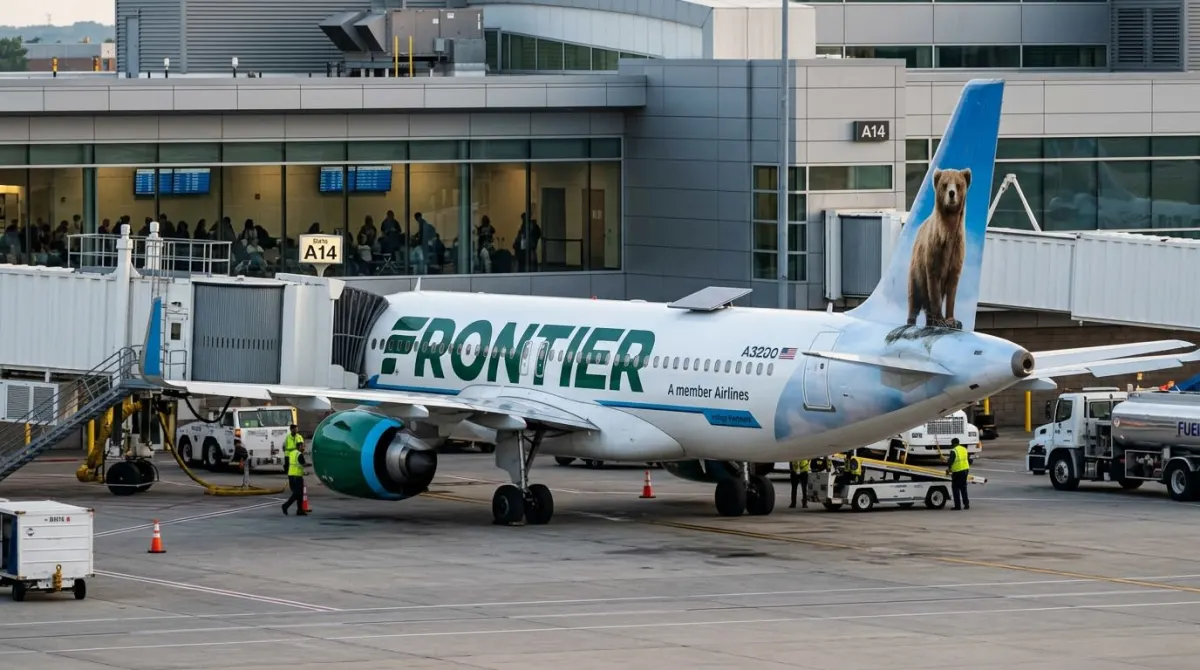
Indigo Partners signed a deal with SpaceX to install Starlink satellite internet on over 1,000 aircraft across five budget airlines.
Key Takeaways
- •Indigo Partners signs SpaceX Starlink deal for over 1,000 aircraft.
- •Frontier Airlines to debut its first Starlink-equipped flight in early 2027.
- •Volaris plans Starlink installations on more than 150 Airbus narrowbodies.
The Indigo Partners Starlink deal will introduce high-speed connectivity to more than 1,000 aircraft across five prominent ultra-low-cost carriers. Under this agreement, Frontier Airlines in-flight Wi-Fi will transition to the SpaceX Starlink aviation platform, marking a significant shift in how budget airlines high-speed internet is delivered to passengers. The massive fleet-wide modernization program represents one of the largest commercial satellite connectivity agreements in aviation history.
This fleet-wide deployment will bring high-speed, Low Earth Orbit (LEO) internet to budget passengers across North America, Europe, and Latin America. However, because the participating airlines operate under the Ultra-Low-Cost Carrier (ULCC) business model, the high-speed service is expected to be offered as a paid ancillary product rather than a free perk. This strategy directly impacts traditional inflight connectivity (IFC) providers, who face intensifying competition from satellite networks capable of delivering lower latency and higher bandwidth than legacy geostationary systems.
Core Fleet Modernization and Scale
According to the Frontier Airlines press release, the multi-airline agreement covers five portfolio airlines: Frontier Airlines, Wizz Air, Volaris, JetSMART, and Cebu Pacific. The total scope of the agreement encompasses more than 1,000 narrowbody aircraft, primarily from the Airbus A320 and A321 families. For individual operators, the scale is immense; for instance, Volaris expects to install Starlink terminals on more than 150 of its Airbus aircraft, according to a public statement by Volaris Chief Executive Officer Enrique Beltranena.
To implement the hardware, the airlines must obtain a Supplemental Type Certificate (STC) from regulatory bodies such as the Federal Aviation Administration (FAA) and the European Union Aviation Safety Agency (EASA). These STCs are required to physically modify the aircraft fuselages to mount Starlink's low-profile electronically steered antennas. Bill Franke, Managing Partner of Indigo Partners, noted that the technology will provide reliable, high-speed connectivity to enhance the customer experience across all five brands.
Shifting Dynamics in Budget Travel
Historically, budget carriers avoided onboard internet due to high weight, drag, and installation costs. However, the transition to LEO satellite constellations has altered these economics. In early 2024, Hawaiian Airlines became the first major United States carrier to debut Starlink Wi-Fi on its Airbus A321neo fleet, demonstrating the technical viability of the platform. Following this, Qatar Airways began rolling out Starlink across its widebody fleet between late 2023 and 2024. The Indigo Partners agreement accelerates this trend, moving LEO-based IFC from premium and legacy carriers into the mass budget market.
LEO vs. GEO Satellite Wi-Fi Specifications
To understand the technical shift, the performance metrics of Low Earth Orbit (LEO) networks can be compared directly to traditional Geostationary (GEO) satellite networks:
| Metric | Starlink LEO | Traditional GEO |
|---|---|---|
| Latency | 20-99 ms | 500+ ms |
| Bandwidth | Up to 350 Mbps | 10-100 Mbps |
| Orbit Altitude | ~550 km | ~35,786 km |
The Shift to Low Earth Orbit Economics
The Indigo Partners agreement highlights a structural shift in the inflight connectivity sector. Traditionally, geostationary satellites orbiting at approximately 35,786 kilometers provided high-latency, limited-bandwidth connections that struggled to support modern video streaming or real-time work applications. By utilizing a LEO constellation orbiting at roughly 550 kilometers, Starlink reduces latency to between 20 and 99 milliseconds. For ULCCs, this high-performance capability unlocks new ancillary revenue streams. While premium carriers often absorb Wi-Fi costs to attract business travelers, budget operators are positioned to charge premium rates for a high-quality internet product, turning what was once a cost center into a high-margin digital storefront. This development represents a direct threat to legacy IFC providers like Viasat, Panasonic, and Intelsat, which must now defend their market share against SpaceX's rapid aviation expansion.
Deployment Timelines and Regulatory Milestones
The physical rollout of the Starlink terminals is scheduled to begin within the next year. The first Starlink-equipped Frontier Airlines aircraft is confirmed to enter commercial service in early 2027. Volaris is also expected to begin its fleet-wide installations on its Airbus narrowbodies in 2027, subject to receiving the necessary STC approvals from the FAA and local civil aviation authorities. The remaining portfolio carriers—Wizz Air in Europe, JetSMART in South America, and Cebu Pacific in Asia—will announce their respective installation schedules as regulatory approvals are secured in their operating regions.
Why This Reshapes the Budget Airline Model
This development signals the end of the "unconnected" budget flight era, forcing competing low-cost carriers to re-evaluate their cabin technology strategies. For passengers, it means high-speed internet will soon be available even on ultra-low-cost routes, albeit likely at an additional fee. For the broader aviation industry, SpaceX's contract to equip over 1,000 aircraft establishes Starlink as a dominant force in commercial aviation, accelerating the transition from legacy geostationary satellites to modern low-latency networks.
Frequently Asked Questions
- Which airlines are included in the Indigo Partners Starlink deal?
- The deal includes five budget airlines: Frontier Airlines, Wizz Air, Volaris, JetSMART, and Cebu Pacific. Together, they will equip more than 1,000 narrowbody aircraft with Starlink's high-speed internet.
- When will Frontier Airlines launch Starlink in-flight Wi-Fi?
- Frontier Airlines expects to debut its first Starlink-equipped aircraft in early 2027. The rollout is subject to receiving the necessary Supplemental Type Certificates from aviation authorities.
- How does Starlink LEO satellite internet compare to traditional GEO Wi-Fi?
- Starlink's Low Earth Orbit network operates at an altitude of approximately 550 kilometers, offering lower latency of 20 to 99 milliseconds and higher bandwidth up to 350 Megabits per second. In contrast, traditional Geostationary networks orbit much higher, resulting in latency over 500 milliseconds.
Stay ahead of the airline industry with commercial aviation news from omniflights.com. Track policy changes, airspace rules, and global aviation governance in the Regulatory category at omniflights.com/regulatory.

Written by Ujjwal Sukhwani
Aviation News Editor & Industry Analyst delivering clear coverage for a worldwide audience. Covers flight operations, safety regulations, and market trends with expert analysis.
Visit ProfileYou Might Also Like
Volaris-Viva Merger Expected to Gain CNA Approval

Starlux Airlines Confirms Sydney to Taipei Flights for 2027
British Airways Retrofits A380 with 106 Club Suite Seats

EasyJet Cuts 700k Winter Seats as Fuel Costs Climb

PIA to Lease Two Norse Atlantic 787-9s for UK Routes