IndiGo Names Willie Walsh CEO to Lead A350 Expansion

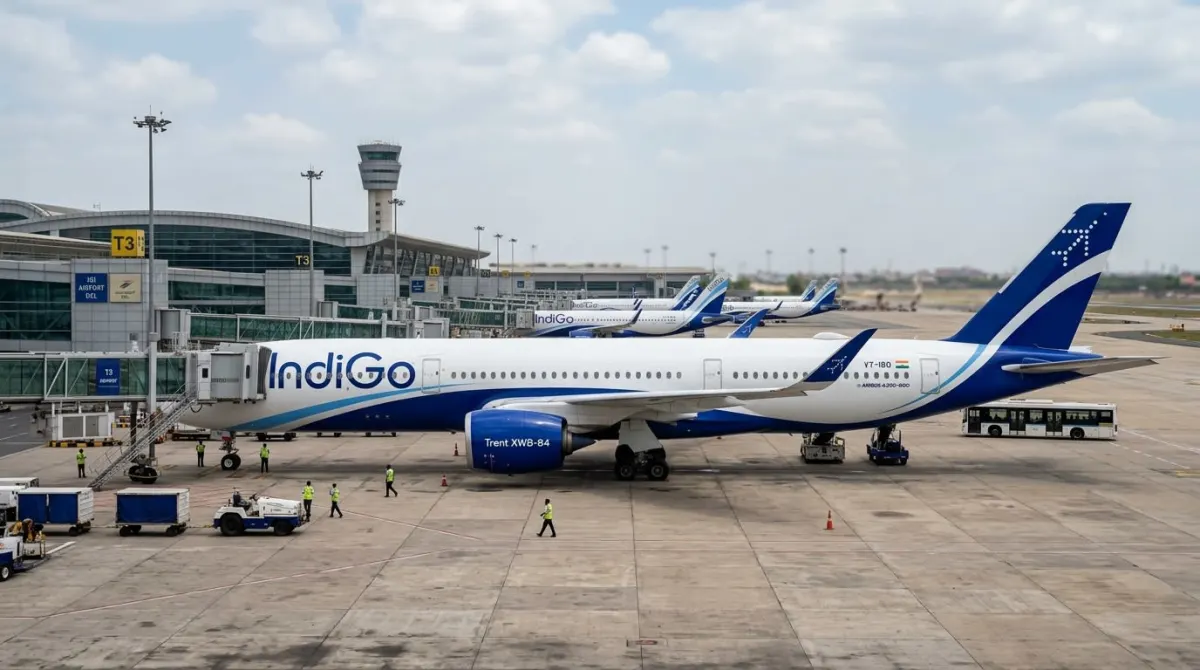
Outgoing IATA head Willie Walsh will become CEO of IndiGo to lead the low-cost carrier's expansion of 60 Airbus A350 widebody aircraft.
Key Takeaways
- •Willie Walsh to transition from IATA Director General to CEO of IndiGo in August 2026.
- •IndiGo has a firm order for 60 Airbus A350-900 widebody aircraft starting in 2027.
- •Upcoming A350 fleet will feature over 330 seats for long-haul operations.
- •Airline must secure DGCA and ETOPS regulatory approvals before widebody launch.
The upcoming IATA Director General transition will see outgoing chief Willie Walsh take the helm of India's largest carrier. The appointment of Willie Walsh IndiGo CEO comes at a pivotal moment for the Indian aviation expansion, as the airline prepares for its upcoming IndiGo A350 widebody operations. Walsh will lead the carrier's next phase of rapid fleet growth, which represents a massive structural shift in the regional market.
This leadership change represents a significant operational pivot for IndiGo, which has historically operated as a pure narrowbody low-cost carrier (LCC). By transitioning to a dual-fleet model with widebody aircraft, IndiGo is challenging the traditional LCC playbook. The carrier's expansion into long-haul international segments will directly disrupt the market share of full-service legacy carriers, particularly Air India, which has long dominated long-haul travel out of the subcontinent.
Growth Strategy and Fleet Transformation
According to the IATA 82nd AGM Speech Transcript, Walsh will officially conclude his tenure as Director General of the International Air Transport Association (IATA) on July 31, 2026. During the AGM, Walsh stated, "In a few weeks I will leave IATA and become the CEO of one of its members—IndiGo Airlines. In the meantime, the board is finding someone to build an even better IATA and make our association stronger."
Under Walsh's leadership, IndiGo will execute a major fleet transformation. According to an IndiGo Press Release (June 2025), the airline has placed a firm order for 60 Airbus A350-900 widebody aircraft, doubling its initial 30-aircraft commitment. The IndiGo Investor Day 2026 Presentation indicates that these upcoming widebody aircraft will be configured in a high-density layout featuring over 330 seats, optimizing unit costs for long-haul operations.
This massive fleet expansion has significant implications for global aerospace stakeholders. For engine manufacturer Rolls-Royce, the order secures a major manufacturing contract and long-term maintenance revenue for the Trent XWB engines that power the A350-900 fleet. Conversely, competitors like Air India (Tata Group) face high-severity strategic pressure, as IndiGo's entry into the long-haul market threatens their historical near-monopoly on Indian widebody operations.
However, some aviation industry analysts have raised concerns regarding the viability of this business model. Operating widebodies on a low-cost model introduces significant operational complexity and overhead—a strategy that has historically caused financial strain or failure for other LCCs, such as Norwegian and WOW air.
Context and Historical Precedents
Historically, IndiGo has relied on high-profile global aviation executives to guide its strategic trajectory. In 2022, the appointment of Pieter Elbers as CEO led the carrier through a massive narrowbody order phase and initiated its widebody transition, before his sudden resignation in 2026. Walsh's appointment continues this trend of leveraging seasoned international leadership to manage rapid scaling.
The transition from a regional narrowbody operator to a long-haul widebody LCC mirrors the 2007 launch of AirAsia X by AirAsia. That move created a distinct long-haul low-cost subsidiary using widebody aircraft to fly routes beyond the range of standard narrowbody fleets, proving that low-cost long-haul operations can capture significant market share, albeit with higher financial volatility.
Airbus A350-900 vs. Airbus A321neo: Key Specifications
To understand the scale of IndiGo's operational transition, the specifications of the incoming widebody fleet can be compared directly to the airline's current flagship narrowbody:
| Metric | Airbus A350-900 (Upcoming Widebody) | Airbus A321neo (Current Flagship) |
|---|---|---|
| Range | 8,100 nm | 4,000 nm |
| Typical Capacity | 300-350 seats | 220-244 seats |
| Engine | Rolls-Royce Trent XWB | CFM LEAP-1A / Pratt & Whitney PW1100G |
The Operational Complexity of Low-Cost Widebody Flights
IndiGo's transition to the Airbus A350-900 represents a profound departure from the operational simplicity that defined its initial success. In a traditional LCC model, fleet standardization minimizes maintenance, training, and scheduling overhead. Introducing a twin-aisle widebody platform like the A350-900 requires entirely separate pilot pools, cabin crew training programs, and specialized ground handling equipment. Furthermore, long-haul flying reduces aircraft utilization rates compared to quick-turnaround domestic sectors, meaning IndiGo must achieve exceptionally high load factors on its 330-plus seat aircraft to offset the higher ownership costs of widebody jets. This development indicates that IndiGo is willing to trade operational simplicity for market share, accelerating a broader industry trend where mega-LCCs evolve into hybrid network carriers to sustain growth.
Transition Timeline and A350 Delivery Milestones
According to the IndiGo Board of Directors, Willie Walsh is confirmed to officially assume the role of CEO at IndiGo in August 2026, immediately following the conclusion of his IATA tenure. The next major milestone for the airline will be preparing its infrastructure for the first widebody deliveries. The initial deliveries of the Airbus A350-900 aircraft are confirmed by Airbus to begin in 2027.
Before these aircraft can enter commercial service, IndiGo must navigate a complex regulatory process. The airline will require specific widebody type certification and Extended-range Twin-engine Operations Performance Standards (ETOPS) approval from India's Directorate General of Civil Aviation (DGCA). This regulatory context will dictate the specific international routes IndiGo can operate during the initial phase of its long-haul rollout.
Challenging the Status Quo in Indian Long-Haul Aviation
This development signals a permanent shift in the competitive dynamics of the Indian aviation market. By placing a seasoned executive like Willie Walsh at the helm of a 60-aircraft widebody expansion, IndiGo is positioning itself to capture a massive share of international outbound traffic from India. For travelers, this promises lower fares on long-haul routes to Europe, East Asia, and beyond, while forcing legacy carriers to defend their premium market segments.
Frequently Asked Questions
- When will Willie Walsh become the CEO of IndiGo?
- Willie Walsh is scheduled to officially assume the role of CEO at IndiGo in August 2026, immediately following the conclusion of his tenure as IATA Director General on July 31, 2026.
- How many Airbus A350-900 aircraft has IndiGo ordered?
- IndiGo has placed a firm order for 60 Airbus A350-900 widebody aircraft, with initial deliveries scheduled to begin in 2027.
- What challenges does IndiGo face in launching long-haul widebody operations?
- IndiGo faces increased operational complexity, the need for separate pilot and crew training, and must secure type certification and ETOPS approval from India's Directorate General of Civil Aviation.
From airline operations to fleet updates, commercial aviation news lives at omniflights.com. Get the latest updates on major hubs, regional terminals, and airport operations via the Airports section at omniflights.com/airports.

Written by Ujjwal Sukhwani
Aviation News Editor & Industry Analyst delivering clear coverage for a worldwide audience. Covers flight operations, safety regulations, and market trends with expert analysis.
Visit ProfileYou Might Also Like
Volaris-Viva Merger Expected to Gain CNA Approval
Starlux Airlines Confirms Sydney to Taipei Flights for 2027
British Airways Retrofits A380 with 106 Club Suite Seats
EasyJet Cuts 700k Winter Seats as Fuel Costs Climb
PIA to Lease Two Norse Atlantic 787-9s for UK Routes