PIA Meets Boeing to Discuss 16-Aircraft Acquisition

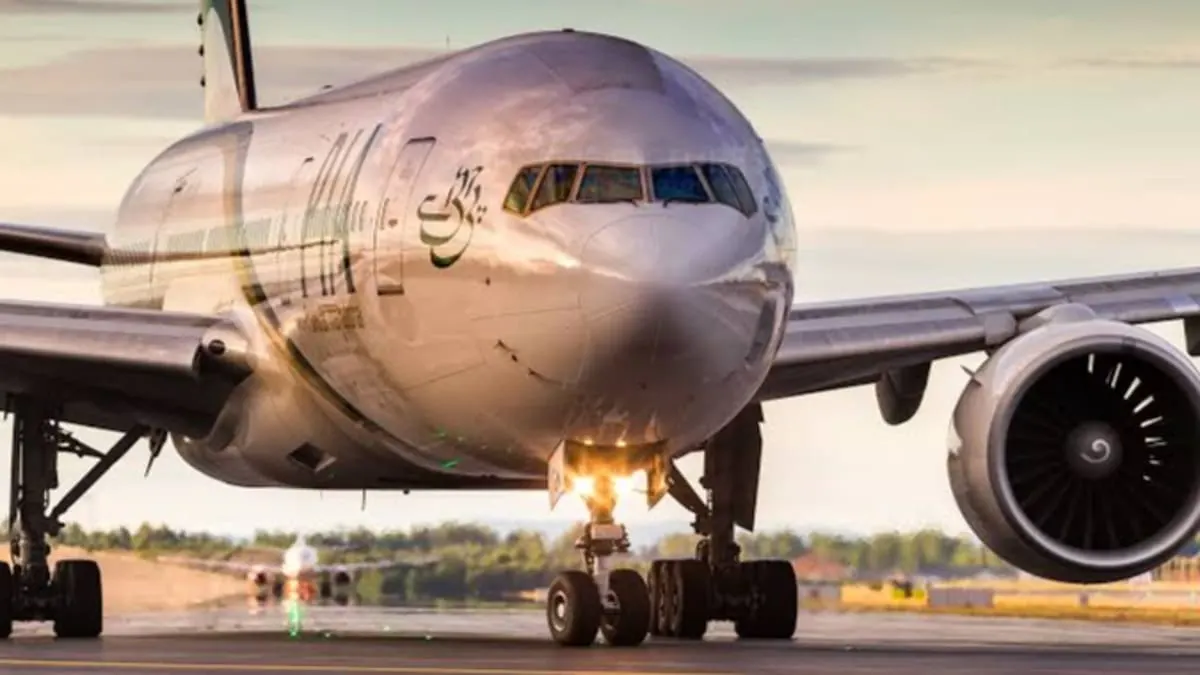
PIA is negotiating with Boeing to acquire 16 new aircraft as part of a privatization strategy to expand its active fleet to 60 aircraft.
Key Takeaways
- •PIA negotiates with Boeing to acquire 16 new aircraft for fleet renewal.
- •Arif Habib Consortium plans to expand PIA's active fleet from 18 to 60.
- •Government absorbed over Rs650 billion in legacy debt during privatization.
- •Commercial agreement for the 16 Boeing aircraft is expected by late 2027.
Pakistan's national flag carrier, Pakistan International Airlines (PIA), is advancing plans to acquire 16 new Boeing aircraft as part of a major post-privatization fleet modernization strategy. The initiative took a significant step forward following high-level discussions in Washington, D.C. between government officials and the aircraft manufacturer.
The proposed acquisition is a critical component of the airline's transition from a debt-laden state enterprise to a privately managed carrier. Following the transfer of control to the Arif Habib Consortium, the new management aims to scale up operations rapidly, addressing years of capacity constraints and grounded fleets that have eroded the carrier's domestic and international market share.
During a bilateral meeting in Washington, Pakistan's Interior Minister Mohsin Naqvi met with Boeing Global President Brendan Nelson to negotiate the commercial arrangements for the 16-aircraft acquisition. While official primary source documents from Boeing or the Pakistani Ministry of Interior have not yet been formally published, regional reports confirm the talks focused on securing modern, fuel-efficient airframes to rebuild the airline's network.
Currently, PIA (Pakistan International Airlines) operates a highly constrained fleet. Out of 30 owned aircraft, only 18 operational aircraft are actively in service, leaving a significant portion of the fleet grounded due to maintenance backlogs and parts shortages. The immediate operational plan under the new private management involves restoring these grounded planes to service to increase the active fleet to 26 aircraft in the near term.
The financial restructuring of the airline remains a point of contention. The privatization process, overseen by the Government of Pakistan's Aviation Division, required the state to absorb a substantial portion of the carrier's legacy liabilities. Critics of the privatization structure have argued that the government absorbed over Rs650 billion (approximately $2.3 billion USD) in legacy debt while transferring control to private owners, which they contend places an unfair financial burden on Pakistani taxpayers.
Regional Precedents in Flag Carrier Privatization
The privatization and planned fleet expansion of PIA mirror regional trends in the South Asian aviation sector, where governments are increasingly offloading debt-ridden state carriers to private consortia to inject capital for fleet renewal and operational efficiency.
The most notable historical precedent occurred during the 2022-2023 Air India privatization, when the Tata Group acquired the struggling Indian flag carrier and subsequently placed a landmark 470-aircraft order with Boeing and Airbus. Like Air India, PIA is attempting to use private capital to fund a rapid fleet renewal, hoping to capture growing regional travel demand and reclaim international routes lost during its period of state ownership.
The Economics of PIA's Fleet Modernization
The transition from 18 active aircraft to a long-term target of 60 aircraft represents a massive scaling effort that will test the financial and operational capabilities of the Arif Habib Consortium. In South Asia's highly competitive, low-margin aviation market, operating a fleet with low utilization rates and high maintenance overhead is unsustainable.
By securing 16 new Boeing aircraft, PIA aims to lower its average fleet age, improve fuel efficiency, and reduce unscheduled maintenance events. This fleet renewal wave is essential for restoring passenger trust and meeting international regulatory standards, which have previously restricted PIA's access to lucrative European and North American markets. However, the capital expenditure required for 16 new airframes will require complex aircraft financing and leasing structures, particularly given Pakistan's broader macroeconomic challenges.
Commercial Timelines and Fleet Integration
The commercial agreement for the 16 Boeing aircraft is expected to be finalized between late 2026 and 2027. Before deliveries can begin, the Arif Habib Consortium must secure the necessary financing and finalize the specific aircraft variants with Boeing.
Concurrently, the airline's technical teams will focus on the immediate milestone of restoring grounded airframes to bring the active fleet up to 26 aircraft. The integration of the new Boeing aircraft will also depend on regulatory approvals from the Pakistan Civil Aviation Authority and international safety regulators.
The Strategic Stakes for Pakistan's Aviation Sector
For the Arif Habib Consortium, the success of this acquisition will determine whether PIA can transition into a self-sustaining, profitable commercial entity. For Boeing, securing a 16-aircraft order strengthens its market footprint in South Asia amid intense competition from Airbus. Ultimately, a modernized PIA could restore direct, reliable international connectivity for millions of Pakistani travelers, fundamentally reshaping the country's aviation landscape.
Frequently Asked Questions
- How many aircraft does Pakistan International Airlines currently operate?
- PIA currently has 18 operational aircraft in service out of 30 owned planes. The airline's new management plans to restore grounded aircraft to bring the active fleet to 26 in the near term.
- What is the long-term fleet expansion goal for PIA under its new ownership?
- Under the Arif Habib Consortium, PIA aims to expand its total active fleet to 60 aircraft, which includes the proposed acquisition of 16 new Boeing aircraft.
- Why is the privatization of Pakistan International Airlines controversial?
- Critics argue that the privatization structure unfairly burdened taxpayers because the Pakistani government absorbed over Rs650 billion in legacy debt before transferring control to the private consortium.
omniflights.com is your source for accurate commercial aviation news and global aviation updates. Stay informed on aviation incidents, investigations, and best practices in the Safety category at omniflights.com/safety.

Written by Ujjwal Sukhwani
Aviation News Editor & Industry Analyst delivering clear coverage for a worldwide audience. Covers flight operations, safety regulations, and market trends with expert analysis.
Visit ProfileYou Might Also Like
Volaris-Viva Merger Expected to Gain CNA Approval
Starlux Airlines Confirms Sydney to Taipei Flights for 2027
British Airways Retrofits A380 with 106 Club Suite Seats
EasyJet Cuts 700k Winter Seats as Fuel Costs Climb

PIA to Lease Two Norse Atlantic 787-9s for UK Routes