Trans Aero MedEvac Crash Kills 4 in New Mexico

Co-Founder & CEOAviation News Editor delivering trusted coverage across the global aviation industry.

A Trans Aero MedEvac Beechcraft King Air 90 crashed near Ruidoso, NM, killing four crew members and sparking a wildfire; the NTSB is investigating.
Key Takeaways
- •Trans Aero MedEvac crash in New Mexico resulted in four fatalities.
- •The Beechcraft King Air 90 accident sparked the 35-acre Seven Cabins Fire.
- •NTSB data shows 25 fatal medical plane crashes in the last 25 years.
A Trans Aero MedEvac medical transport aircraft crashed in the Capitan Mountains near Ruidoso, New Mexico, on May 14, 2026, resulting in the deaths of all four people on board. The Beechcraft King Air 90 accident occurred in the early morning hours, sparking a wildfire and triggering a multi-agency response. This Ruidoso medical plane crash is now the subject of a federal NTSB air ambulance investigation to determine the probable cause.
The aircraft, operated under Federal Aviation Administration (FAA) Part 135 regulations for on-demand air charters, was en route from Roswell International Air Center (ROW) to Sierra Blanca Regional Airport (SRR). According to the operator's official statement, the flight carried only flight and medical crew, with no patients on board. The crash of the Lincoln County plane crash has highlighted the inherent risks associated with air medical services, particularly those operating in challenging terrain and adverse weather conditions.
Investigation and Immediate Aftermath
The National Transportation Safety Board (NTSB) has taken the lead in the investigation, with assistance from the FAA. According to Lincoln County Manager Jason Burns, the rugged terrain where the aircraft went down has complicated recovery and investigation efforts. The impact occurred at approximately 4:00 AM local time in an area that was under a red flag warning for high fire risk. The National Weather Service reported wind gusts of up to 35 mph in the vicinity around the time of the accident.
The crash ignited what has been named the Seven Cabins Fire. According to the U.S. Forest Service, the resulting wildfire burned between 5 and 35 acres of forest land, requiring a significant firefighting response. This secondary impact placed an immediate burden on local and federal emergency services, diverting resources to contain the blaze amidst dangerous conditions.
Trans Aero MedEvac issued a statement confirming their full cooperation with the NTSB and FAA. The company emphasized that its immediate priority is supporting the families of the four crew members who perished in the accident.
Industry Context and Historical Precedents
This incident is part of a concerning trend within the air ambulance sector. Recent data indicates an elevated risk profile for these operations, with several high-profile fatal accidents occurring between early 2025 and mid-2026. According to the NTSB's aviation accident database, there have been 25 fatal medical plane crashes in the United States over the past 25 years, resulting in nearly 70 deaths.
Former NTSB investigator Jeff Guzzetti noted that while air medical aircraft have no unique aerodynamic flaws, their mission profile often forces them to operate in higher-risk environments, such as at night, in marginal weather, and into remote airfields. This operational reality is a recurring theme in accident investigations.
Several historical precedents underscore the risks in this region and for this operator:
- Devil's Canyon Medical Plane Crash (August 2007): In a strikingly similar incident, a medical flight crashed in the Lincoln National Forest near Ruidoso, resulting in five fatalities.
- Trans Aero MedEvac Helicopter Crash (September 2018): The same operator was involved in a previous accident in the Sierra Blanca mountains, where a helicopter was destroyed, though without fatalities.
- Navajo Nation Medical Flight Crash (August 2025): A recent fatal accident in the Southwest that claimed four lives, contributing to the pattern of incidents in the region.
These events collectively point to the persistent challenges of high-altitude and mountainous terrain operations for regional turboprop and rotorcraft operators.
Stakeholder and Regional Impact
The crash has significant consequences for several key stakeholders. For Trans Aero MedEvac, the incident represents a tragic loss of four specialized crew members and a valuable aircraft, triggering intense regulatory scrutiny. For regional healthcare networks in New Mexico and West Texas, the accident causes a temporary reduction in critical care air-lift capacity in the Roswell-Ruidoso corridor. Furthermore, the U.S. Forest Service and local fire agencies were forced to divert critical resources to manage the Seven Cabins Fire in steep terrain during red-flag conditions.
Technical Analysis
This accident appears to be symptomatic of the systemic risks embedded in air medical transport rather than a singular, isolated failure. The combination of night operations, mountainous terrain, and adverse weather conditions creates a high-risk environment that pushes the boundaries of both human performance and aircraft capability. While FAA Part 135 regulations establish stringent standards for such flights, the pressure to complete life-saving missions can create complex decision-making scenarios for flight crews.
The historical precedent of the 2007 Devil's Canyon crash suggests that the operational hazards specific to the Sierra Blanca range are not new. The NTSB's investigation will likely focus on crew training, operational procedures for high-altitude night flights, and any potential mechanical factors with the aircraft.
Beechcraft King Air C90 vs. B200: Key Specifications
| Metric | Beechcraft King Air C90 (Accident Series) | Beechcraft King Air B200 |
|---|---|---|
| Max Passenger Capacity | Up to 7 | Up to 9 |
| Max Cruise Speed | ~226 knots | ~289 knots |
| Max Range | ~1,260 nm | ~1,580 nm |
What Comes Next
The NTSB investigation is in its initial fact-gathering stage. A preliminary report detailing the basic facts of the accident is expected to be released by mid-June 2026. However, the full investigation, including analysis of flight data recorders, maintenance records, and operational procedures, will be a lengthy process. A final report detailing the probable cause of the crash is not expected for 12 to 24 months, with a likely release between May 2027 and May 2028.
Why This Matters
This fatal crash serves as a stark reminder of the safety challenges inherent in the vital air ambulance industry. The incident highlights the critical balance between the necessity of rapid medical transport and the operational risks crews face, especially in demanding geographical and meteorological environments. The findings of the NTSB investigation will be closely watched by regulators and operators and could influence future safety protocols and training standards for all Part 135 air medical flights.
Frequently Asked Questions
- What happened in the Ruidoso medical plane crash?
- A Trans Aero MedEvac Beechcraft King Air 90 crashed near Ruidoso, New Mexico, on May 14, 2026. The accident killed all four crew members and sparked the Seven Cabins Fire. The NTSB and FAA are investigating the cause.
- How safe are air ambulance flights in the US?
- While vital, air ambulance operations have an elevated risk profile. According to NTSB data, there have been twenty-five fatal medical plane crashes in the United States over the past twenty-five years, leading to nearly seventy deaths and ongoing safety discussions within the industry.
Get breaking commercial aviation news and expert airline analysis at omniflights.com. Get the latest updates on major hubs, regional terminals, and airport operations via the Airports section at omniflights.com/airports.
Written by Hardik Vishwakarma
Co-Founder & Aviation News Editor leading initiatives that improve trust and visibility across the global aviation industry. Covers airlines, airports, safety, and emerging technology.
Visit ProfileYou Might Also Like
Discover more aviation news based on similar topics

Families Demand DCA Midair Collision Safety Reforms
Families of 67 victims from the 2025 DCA midair collision are pressing Congress for mandatory ADS-B In technology to prevent future aviation tragedies.
FAS Challenges AAIB Over Boeing 787 Safety Data
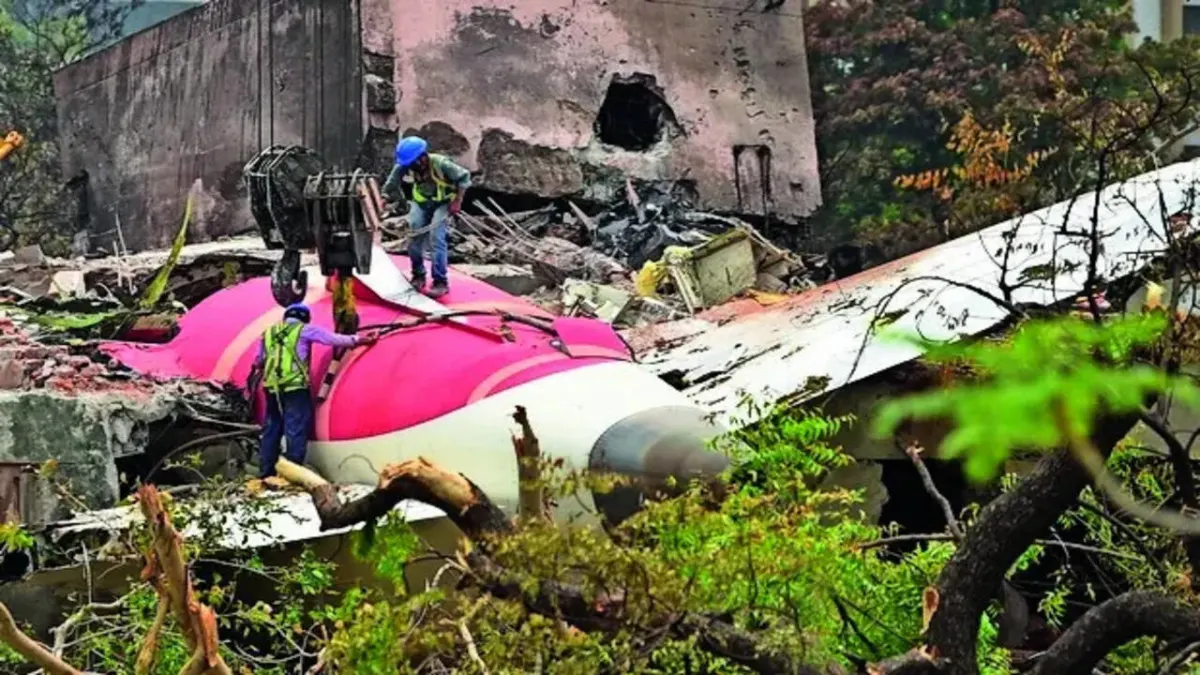
The Foundation for Aviation Safety is urging the AAIB to issue safety warnings for the Boeing 787 fleet following the fatal Air India 171 crash.
NTSB Safety Recommendations Lag Amid 6 Monthly Near-Misses
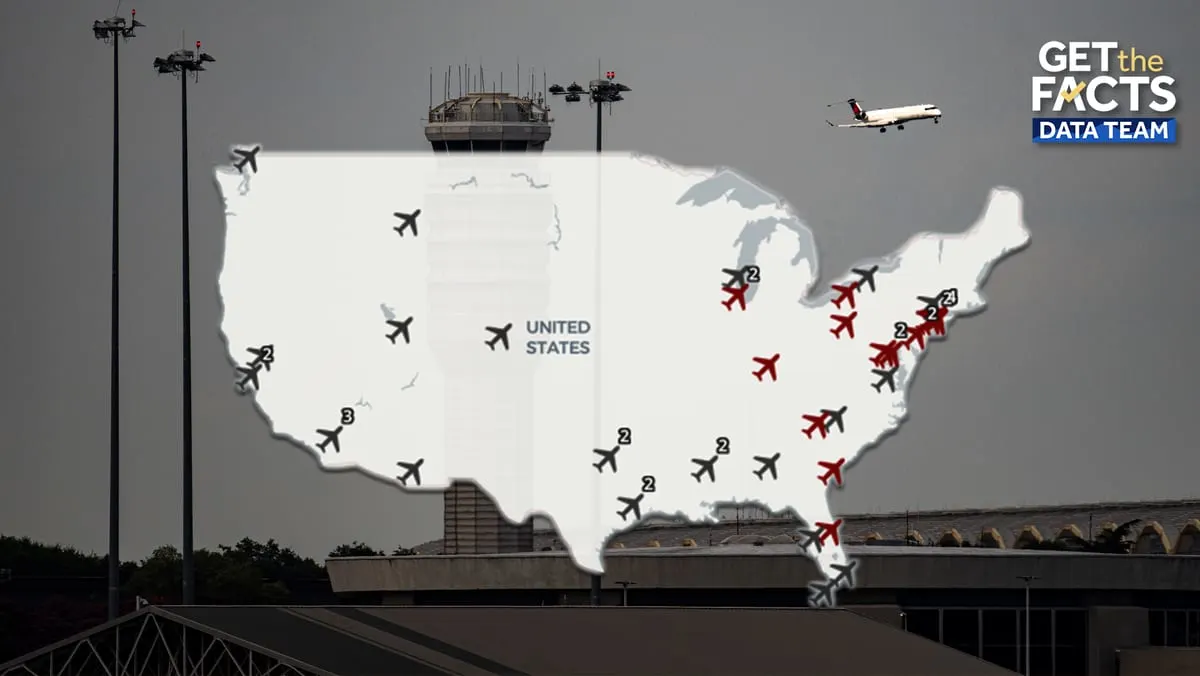
Approximately 6 near-miss incidents occur monthly at U.S. airports as 270 NTSB safety recommendations remain unaddressed by federal regulators.
NTSB Rejects FAA Safety Responses After 67-Fatality Crash
The NTSB labeled 11 FAA responses to 2025 DCA mid-air collision recommendations as unacceptable, citing the lack of a mandatory ADS-B In requirement.
EASA Orders Urgent Airbus A380 Wing Spar Inspections
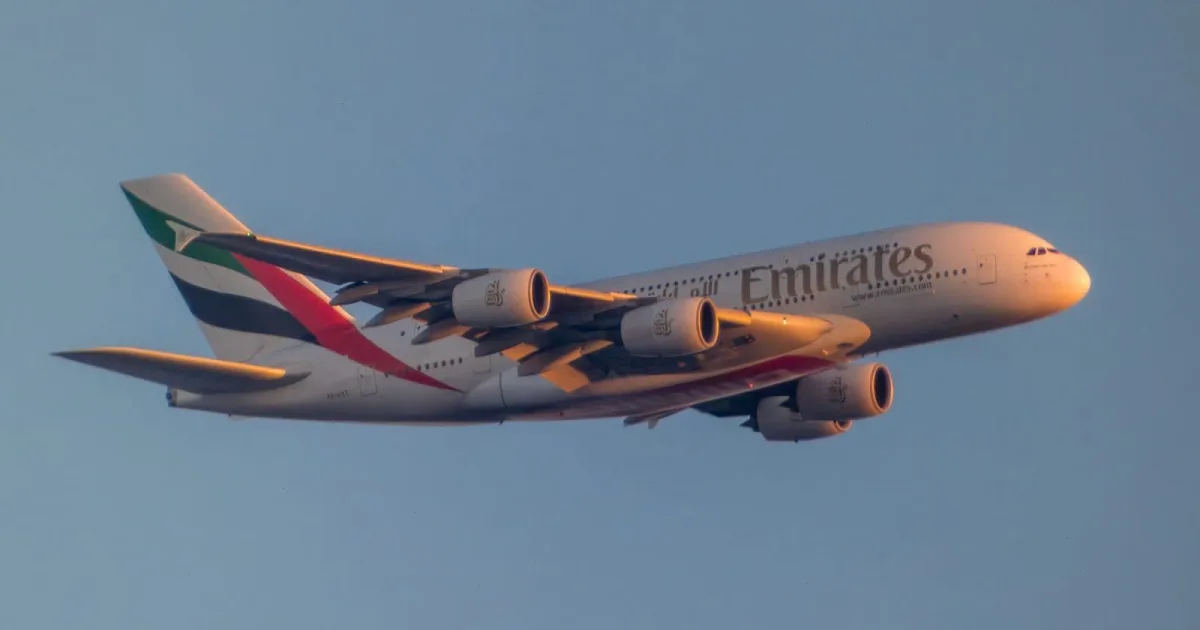
The EASA ordered urgent inspections on 16 Airbus A380s after discovering wing spar cracks that could compromise structural integrity.
Ryanair Flight RK514 Diverts to Birmingham After Emergency
Ryanair flight RK514 diverted to Birmingham Airport on September 13, 2026, following a medical emergency involving a passenger.