NTSB Probes Frontier 4345 Denver Runway Fatality

Co-Founder & CEOAviation News Editor delivering trusted coverage across the global aviation industry.

The NTSB is investigating Frontier Flight 4345's fatal runway collision in Denver, which led to an engine fire, injuries, and a $10M lawsuit.
Key Takeaways
- •NTSB mulls investigation into Frontier 4345 fatal runway collision.
- •Incident in Denver involved an A321neo engine fire and evacuation.
- •Passengers filed a $10M claim over airport security failures.
- •Evacuation highlighted issues addressed in FAA SAFO 25003.
The U.S. National Transportation Safety Board (NTSB) is assessing whether to launch a formal investigation into the fatal Frontier Airlines Flight 4345 incident at Denver International Airport (DEN) on May 8, 2026. The event, which involved an Airbus A321neo striking and killing a person on the runway, has spotlighted critical issues in airport perimeter security breach protocols and passenger evacuation procedures, prompting an NTSB evacuation investigation. The collision triggered an engine fire and an emergency evacuation that has since become the subject of intense scrutiny.
The incident occurred as the aircraft, carrying 224 passengers and 7 crew members, was accelerating for takeoff. According to legal filings, the jet reached a speed of approximately 139 mph (120 knots) when it collided with a trespasser who had breached airport security. The impact caused a fire in the aircraft's Pratt & Whitney PW1133G Geared Turbofan (GTF) engine, forcing the crew to execute a rejected takeoff and order an emergency evacuation. While the evacuation was successful in removing all passengers from the burning aircraft, twelve individuals sustained minor injuries using the emergency slides, with five requiring hospitalization. The incident has led to a $10 million government claim filed against the City and County of Denver by affected passengers.
Regulatory and Safety Scrutiny
The evacuation process itself has drawn significant attention from safety experts, particularly concerning passenger behavior. Reports indicate that several passengers attempted to retrieve carry-on luggage, a dangerous action that directly contravenes crew instructions and recent federal guidance. This issue was specifically addressed by the Federal Aviation Administration (FAA) in September 2025 with the issuance of SAFO 25003 (Safety Alert for Operators). The FAA alert warns of the severe safety risks posed by baggage retrieval, which can obstruct aisles, damage slides, and critically delay egress from a hazardous situation.
Beyond the evacuation, the incident has exposed significant vulnerabilities in airport security. The $10 million claim, filed by DJC Law on behalf of passengers, alleges that the airport's perimeter intrusion detection system failed. According to the filing, system operators misidentified the human intruder as a deer, thereby failing to prevent the individual from accessing an active runway. This raises serious questions about Denver's compliance with 14 CFR Part 139, the federal regulation governing airport certification and safety standards, including perimeter security. Andres Pereira, a legal representative for the passengers, stated the breach was preventable and points to a failure in both technology and human oversight.
Historical Precedents and Industry Context
The circumstances surrounding Frontier Flight 4345 echo several past aviation incidents, offering context for the potential investigation. A strikingly similar event occurred in May 2020, when Southwest Airlines Flight 1392 struck and killed a person on the runway at Austin-Bergstrom International Airport after a security breach. That incident also triggered a comprehensive review of airport perimeter security measures.
In contrast, the evacuation challenges stand in stark opposition to the successful evacuation of Japan Airlines Flight 516 in January 2024. Following a runway collision and fire in Tokyo, all 367 passengers evacuated the burning Airbus A350 safely, a result widely attributed to passenger compliance and the crew's enforcement of the 'no baggage' rule. This event is now considered the industry benchmark for orderly evacuations. Conversely, the Frontier incident evokes the tragic outcome of Aeroflot Flight 1492 in May 2019, where the evacuation was severely hampered by passengers retrieving luggage, a factor cited as contributing to the 41 fatalities.
Stakeholder and Industry Impact
The fallout from the incident affects multiple stakeholders. Denver International Airport faces significant legal and financial liability from the $10 million claim, alongside intense regulatory pressure to overhaul its security protocols. For flight crews across the industry, the event underscores the immense challenge of enforcing passenger compliance during life-or-death situations, potentially leading to calls for new training and stricter penalties for non-compliant passengers. Frontier Airlines faces the temporary loss of the A321neo for the NTSB investigation and repairs, as detailed on its investor relations portal, in addition to reputational concerns. Pratt & Whitney, a subsidiary of RTX, will be involved in the inspection and replacement of the damaged PW1133G engine.
Technical Analysis
This incident represents a critical convergence of two persistent safety challenges in modern aviation: the fallibility of automated security systems and the human factor of passenger behavior in emergencies. The failure at DEN suggests that even sophisticated perimeter detection technology is vulnerable to human interpretation error, a problem that requires systemic solutions beyond just technological upgrades. Simultaneously, the continued problem of passengers retrieving baggage during evacuations, despite clear warnings like SAFO 25003, indicates that current safety briefings and crew instructions may be insufficient. An NTSB investigation would likely examine the interplay between these two failures, seeking to establish recommendations that could influence national standards for both airport security operations and airline evacuation procedures.
What Comes Next
Several key milestones are expected in the coming months. The NTSB is expected to announce its decision on whether to launch a formal, in-depth investigation in May 2026. Concurrently, Denver International Airport is anticipated to release an internal after-action report on its security failures by June 2026. From a legal standpoint, the City and County of Denver have a confirmed deadline to respond to the passengers' $10 million claim by November 2026.
Why This Matters
The investigation into the Frontier Flight 4345 incident is more than an inquiry into a single tragedy; it is a crucial test of the modern aviation safety ecosystem. Its findings will have far-reaching implications, influencing how airports manage perimeter security, how airlines train crews for evacuations, and how regulators enforce passenger compliance. The outcome will likely shape safety protocols and technological standards across the United States for years to come.
Frequently Asked Questions
- What happened to Frontier Airlines Flight 4345 in Denver?
- On May 8, 2026, Frontier Flight 4345 struck and killed a person on the runway at Denver International Airport during its takeoff roll. The collision caused an engine fire and required an emergency evacuation, resulting in twelve minor passenger injuries.
- Why are passengers suing Denver airport for $10 million?
- Passengers filed a $10 million claim alleging that a critical perimeter security breach allowed a trespasser onto the active runway. The claim states the airport's intrusion detection system failed when operators misidentified the person as a deer.
- What is FAA SAFO 25003 and how does it relate to the Frontier incident?
- FAA Safety Alert for Operators 25003 is a directive warning against the dangers of passengers retrieving carry-on bags during evacuations. This was a significant issue during the Frontier Flight 4345 evacuation, where passenger behavior reportedly complicated the process.
Get breaking commercial aviation news and expert airline analysis at omniflights.com. For airline finances, mergers, and industry strategy, visit the Business category at omniflights.com/business.
Written by Hardik Vishwakarma
Co-Founder & Aviation News Editor leading initiatives that improve trust and visibility across the global aviation industry. Covers airlines, airports, safety, and emerging technology.
Visit ProfileYou Might Also Like
Discover more aviation news based on similar topics

Families Demand DCA Midair Collision Safety Reforms
Families of 67 victims from the 2025 DCA midair collision are pressing Congress for mandatory ADS-B In technology to prevent future aviation tragedies.
FAS Challenges AAIB Over Boeing 787 Safety Data
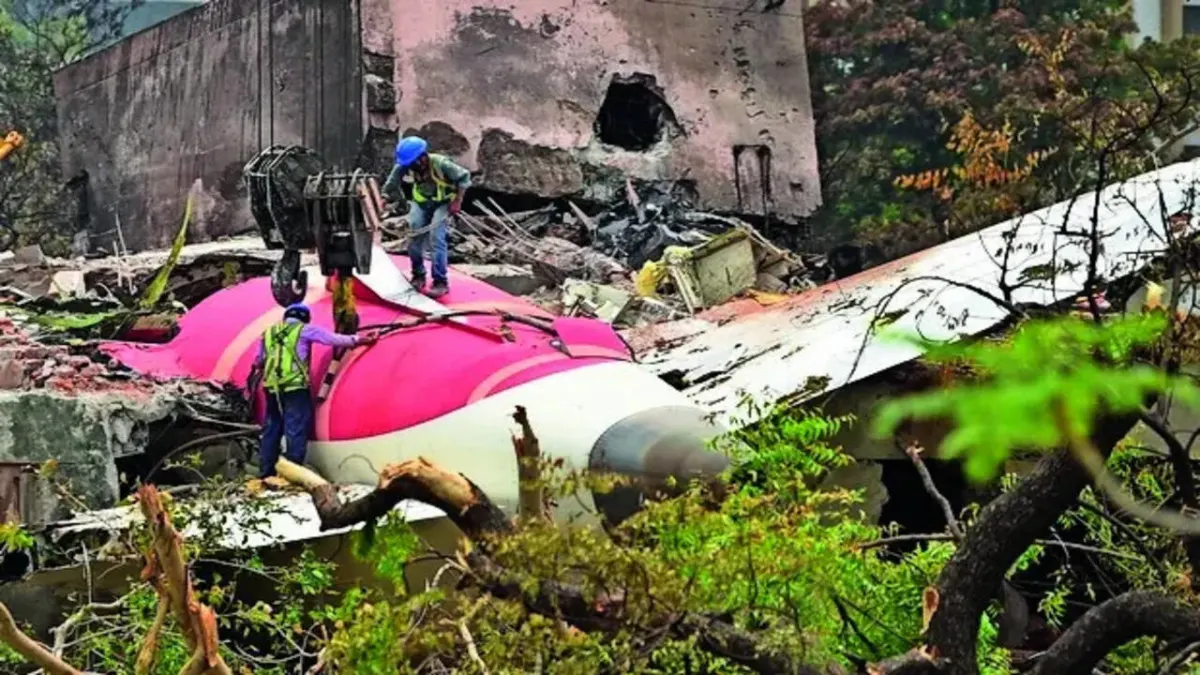
The Foundation for Aviation Safety is urging the AAIB to issue safety warnings for the Boeing 787 fleet following the fatal Air India 171 crash.
NTSB Safety Recommendations Lag Amid 6 Monthly Near-Misses
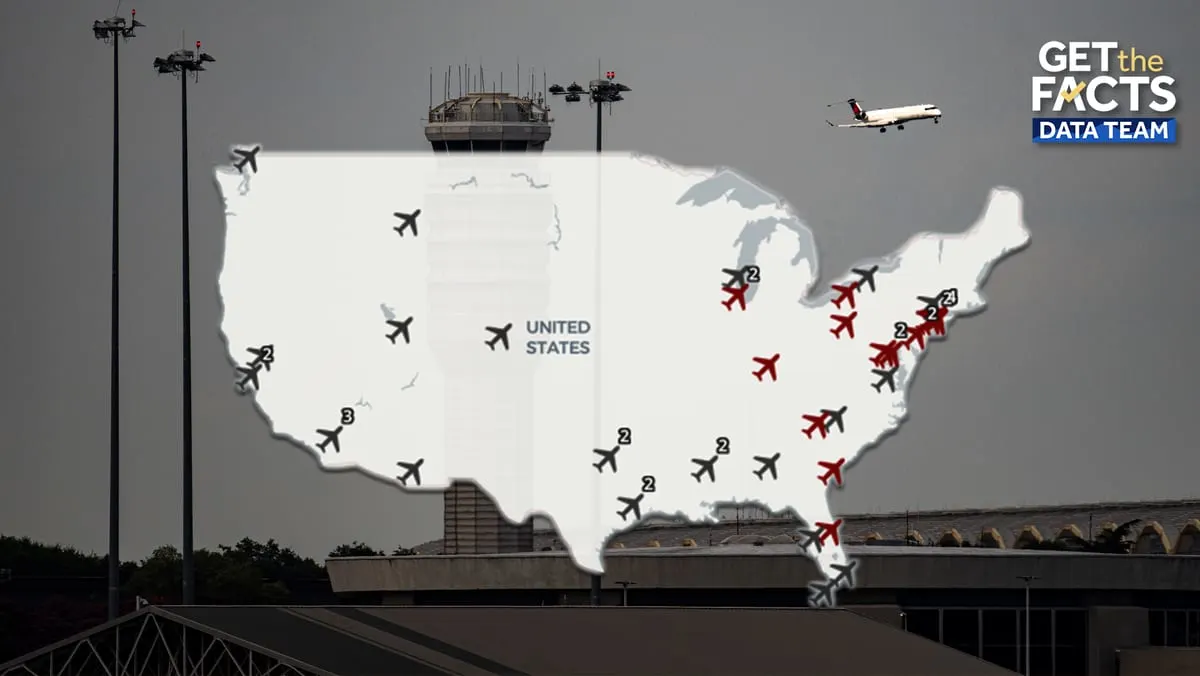
Approximately 6 near-miss incidents occur monthly at U.S. airports as 270 NTSB safety recommendations remain unaddressed by federal regulators.
NTSB Rejects FAA Safety Responses After 67-Fatality Crash
The NTSB labeled 11 FAA responses to 2025 DCA mid-air collision recommendations as unacceptable, citing the lack of a mandatory ADS-B In requirement.
EASA Orders Urgent Airbus A380 Wing Spar Inspections
The EASA ordered urgent inspections on 16 Airbus A380s after discovering wing spar cracks that could compromise structural integrity.
Ryanair Flight RK514 Diverts to Birmingham After Emergency
Ryanair flight RK514 diverted to Birmingham Airport on September 13, 2026, following a medical emergency involving a passenger.