NTSB Urges Realistic Pilot Training for Cockpit Smoke

Co-Founder & CEOAviation News Editor delivering trusted coverage across the global aviation industry.
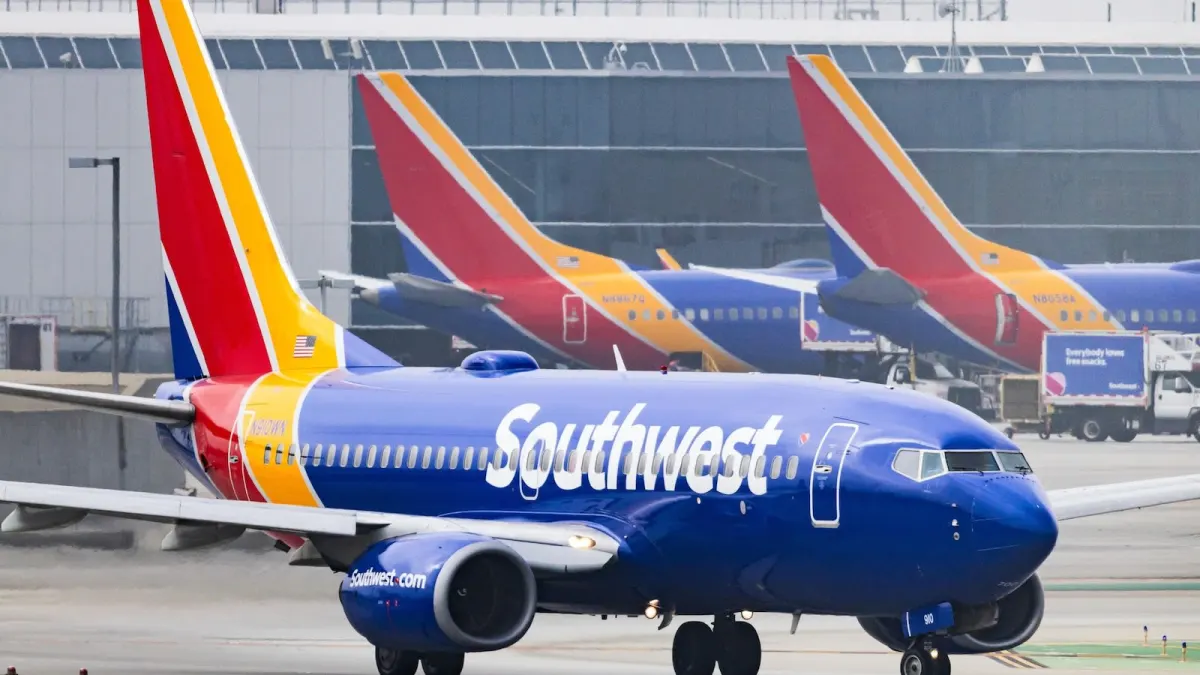
NTSB urges the FAA to mandate realistic pilot training for cockpit smoke after a Southwest 737 MAX bird strike filled the flight deck with oil smoke.
Key Takeaways
- •NTSB urges FAA to mandate realistic cockpit smoke simulation training.
- •Recommendation follows a Southwest 737 MAX bird strike incident.
- •Current training relies on verbal instruction, not immersive scenarios.
- •CFM is developing a software fix for the LEAP-1B engine.
The National Transportation Safety Board (NTSB) has issued a series of urgent safety recommendations calling for airlines to implement realistic cockpit smoke simulation training for pilots. The recommendations, released May 13, 2026, stem from the investigation into a Southwest Airlines bird strike incident where a flight crew was forced to navigate with near-zero visibility after dense smoke filled the flight deck.
The incident highlights a critical gap between current training protocols and the realities of a time-sensitive, in-flight emergency. According to an NTSB press release, the Federal Aviation Administration (FAA) receives reports of smoke-related in-flight emergencies on an almost daily basis, underscoring the prevalence of the risk. The NTSB warns that while the Southwest flight landed safely, a similar event at night or in poor weather conditions could have catastrophic consequences.
The Southwest Flight 554 Incident
The NTSB's investigation focused on Southwest Airlines Flight 554, a Boeing 737-8 MAX operating from New Orleans in December 2023. Shortly after takeoff, the aircraft's right CFM LEAP-1B engine ingested birds. This triggered a safety mechanism on the engine known as the Load Reduction Device (LRD), which is designed to minimize engine damage during severe imbalances.
However, the LRD's activation had an unintended consequence: it allowed engine oil to enter the bleed air system, which subsequently channeled dense smoke directly into the cockpit. The flight crew reported that visibility was so poor they could not read their instruments or the Quick Reference Handbook (QRH), the manual containing emergency procedures. Despite the extreme conditions, the pilots successfully returned to the airport, landing safely with 139 people on board and no injuries.
John Cox, CEO of Safety Operating Systems, described the event as "an unintended consequence of a new and innovative safety idea." The LRD performed its primary function, but the secondary effect created a new and severe hazard for the flight crew.
NTSB Recommendations and Regulatory Context
In response to the findings, the NTSB issued three new safety recommendations aimed at the FAA and industry groups like Airlines for America (A4A). The core of the recommendation is a call for the FAA to amend its regulations, specifically FAA Order 8900.1A, which governs pilot training programs. The NTSB insists that airlines must be required to provide pilots with realistic, scenario-based simulator training that replicates the high stress, workload, and severely reduced visibility of a real-world smoke event.
This marks a shift from the current industry trend, which primarily relies on verbal instruction and discussion to cover such emergencies. The NTSB argues this approach is insufficient. "If such an event occurred at night or in instrument meteorological conditions, the consequences could be catastrophic," the NTSB report stated. This view is supported by aviation safety expert Steve Arroyo, a former United Airlines pilot, who said, "Smoke in the cockpit is a very serious and time-critical emergency... creating the pilot awareness through real-life training is essential to reducing this potential safety threat."
This is not the first time this specific engine vulnerability has been identified. In March 2023, Southwest Airlines Flight 3923 experienced a similar bird strike in Havana, where smoke filled the passenger cabin, prompting an earlier NTSB recommendation for a software fix from engine manufacturer CFM International.
Historical Precedents and Industry Impact
The potential for catastrophic outcomes from cockpit smoke is well-documented. The September 2010 crash of UPS Airlines Flight 6 in Dubai, which killed both pilots, serves as a stark reminder. An uncontained cargo fire on the Boeing 747-400F generated smoke so dense it rendered the flight instruments unreadable, leading to a loss of control. This historical precedent validates the NTSB's urgent call for improved training to prevent a similar tragedy.
If the FAA adopts the NTSB's recommendations, passenger airlines will face increased costs associated with upgrading flight simulators and dedicating more time to immersive smoke training during recurrent pilot checks. For CFM International, the pressure is high to expedite a software update for the LEAP-1B engine that prevents the LRD from inducing smoke. Flight simulator manufacturers, in turn, may see new demand for technology that can realistically replicate a smoke-filled cockpit environment.
CFM LEAP-1B vs CFM56-7B
A key technical difference between the newer 737 MAX and older 737 Next Generation models lies in the engine design.
| Metric | CFM LEAP-1B | CFM56-7B |
|---|---|---|
| Safety Feature | Load Reduction Device (LRD) present | Not present |
| Application | Boeing 737 MAX | Boeing 737 Next Generation |
What Comes Next
The industry now awaits a formal response from regulators and manufacturers. The FAA is expected to issue its formal response to the NTSB's recommendations by August 2026. Separately, CFM International is working on a software update for the LEAP-1B engine, with deployment expected in late 2026, subject to regulatory approval. This fix is intended to address the root cause of the smoke infiltration.
For more information on NTSB investigations, visit the official NTSB Aviation Investigations Portal. The recommendations urge a proactive approach, moving beyond procedural knowledge to build practical, resilient pilot skills for a high-stakes, low-visibility emergency.
Why This Matters
This development highlights a critical disconnect between theoretical emergency procedures and the sensory overload pilots face in a real crisis. While checklists exist for smoke in the cockpit, their effectiveness is compromised if pilots cannot see them. The NTSB's push for mandatory, realistic simulation aims to close this gap, ensuring flight crews are prepared not just to know the procedure, but to execute it effectively under the extreme stress of a smoke-filled flight deck.
Frequently Asked Questions
- Why did the NTSB recommend new pilot training for cockpit smoke?
- The recommendation follows an incident where a Southwest Airlines 737 MAX bird strike caused an engine safety device to fill the cockpit with dense oil smoke, making instruments and emergency checklists unreadable. The NTSB found current training inadequate for such realistic scenarios.
- What caused the smoke in the Southwest 737 MAX cockpit?
- After a bird strike, a safety feature on the CFM LEAP-1B engine called the Load Reduction Device (LRD) activated as designed. However, this activation inadvertently fed engine oil into the bleed air system, which then entered the cockpit as dense smoke.
- What changes is the NTSB asking the FAA to make?
- The NTSB issued three safety recommendations, urging the FAA to amend its regulations to require airlines to provide pilots with realistic, scenario-based simulator training for emergencies involving dense cockpit smoke and reduced visibility.
Stay ahead of the airline industry with commercial aviation news from omniflights.com. Get the latest updates on major hubs, regional terminals, and airport operations via the Airports section at omniflights.com/airports.
Written by Hardik Vishwakarma
Co-Founder & Aviation News Editor leading initiatives that improve trust and visibility across the global aviation industry. Covers airlines, airports, safety, and emerging technology.
Visit ProfileYou Might Also Like
Discover more aviation news based on similar topics

Families Demand DCA Midair Collision Safety Reforms
Families of 67 victims from the 2025 DCA midair collision are pressing Congress for mandatory ADS-B In technology to prevent future aviation tragedies.
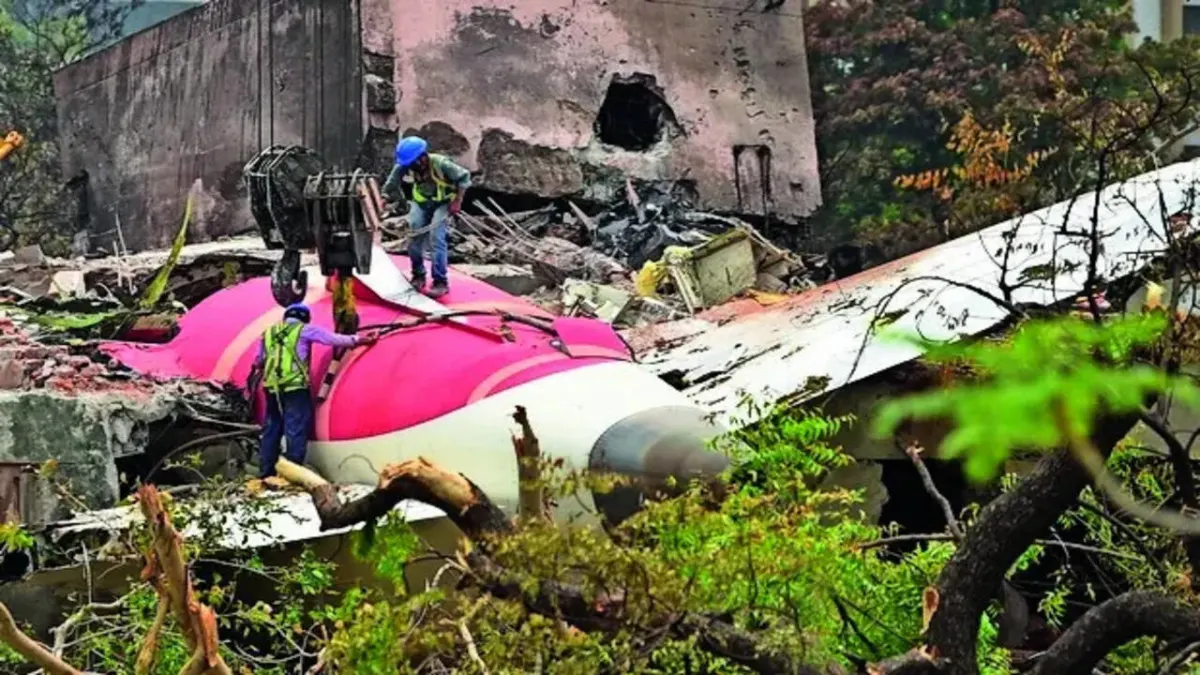
FAS Challenges AAIB Over Boeing 787 Safety Data
The Foundation for Aviation Safety is urging the AAIB to issue safety warnings for the Boeing 787 fleet following the fatal Air India 171 crash.
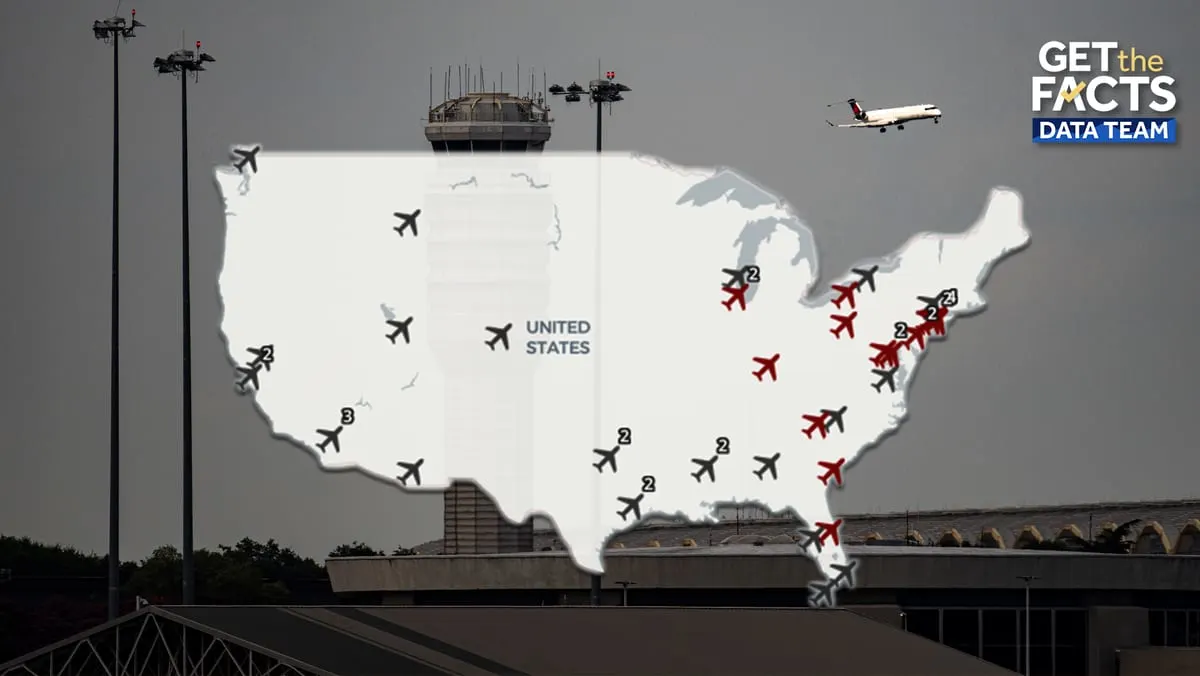
NTSB Safety Recommendations Lag Amid 6 Monthly Near-Misses
Approximately 6 near-miss incidents occur monthly at U.S. airports as 270 NTSB safety recommendations remain unaddressed by federal regulators.
NTSB Rejects FAA Safety Responses After 67-Fatality Crash
The NTSB labeled 11 FAA responses to 2025 DCA mid-air collision recommendations as unacceptable, citing the lack of a mandatory ADS-B In requirement.
EASA Orders Urgent Airbus A380 Wing Spar Inspections
The EASA ordered urgent inspections on 16 Airbus A380s after discovering wing spar cracks that could compromise structural integrity.
Ryanair Flight RK514 Diverts to Birmingham After Emergency
Ryanair flight RK514 diverted to Birmingham Airport on September 13, 2026, following a medical emergency involving a passenger.