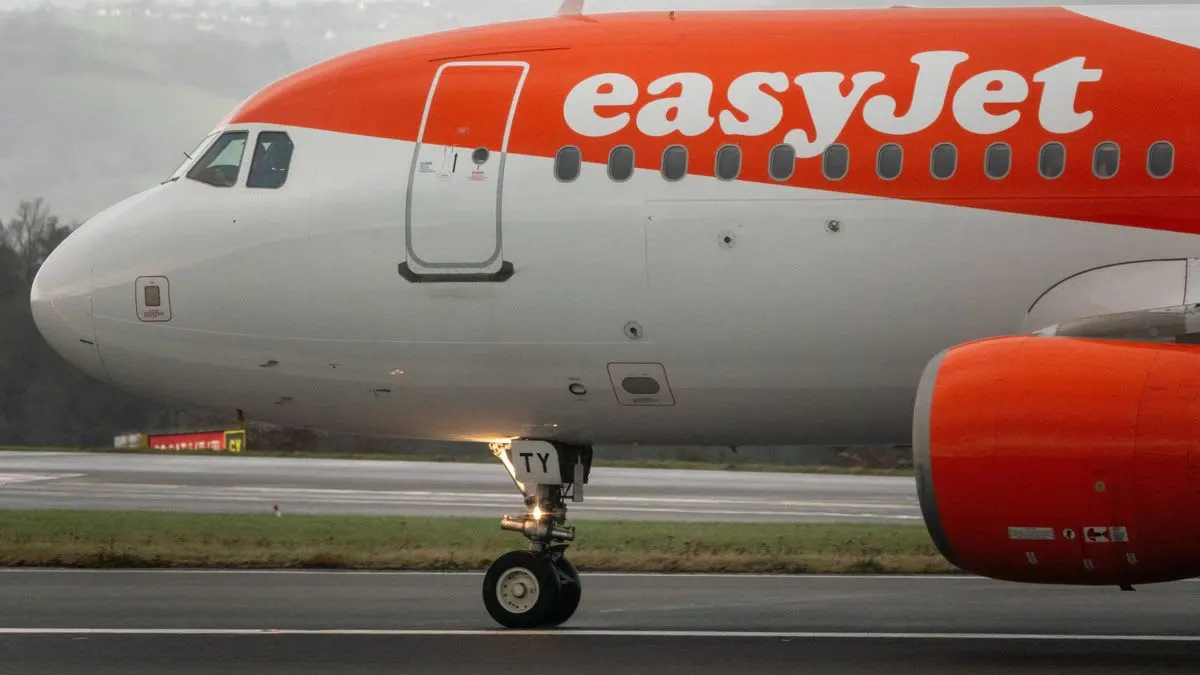
TAP Air Portugal A320 Tail Strike Under Investigation


Italy's ANSV and the French BEA are investigating a TAP Air Portugal A320 tail strike that occurred during takeoff from Rome Fiumicino on May 19, 2026.
Key Takeaways
- •TAP Air Portugal A320 (CS-TNX) suffered a tail strike in Rome on May 19, 2026.
- •The aircraft returned safely to Rome Fiumicino after a one-hour holding pattern.
- •Italy's ANSV is leading the investigation with support from the French BEA.
- •No injuries were reported among passengers or crew during the incident.
France's Bureau d'Enquêtes et d'Analyses pour la Sécurité de l'Aviation Civile (BEA) has launched a safety investigation into a serious incident involving a TAP Air Portugal Airbus A320 that suffered a tail strike during takeoff. The incident, recorded under investigation file BEA2026-0195, occurred on May 19, 2026, at Rome Fiumicino Leonardo da Vinci Airport (FCO). This Airbus A320 tail strike is currently being examined by the Agenzia Nazionale per la Sicurezza del Volo (ANSV) as the primary authority, with the BEA participating as the accredited representative for the State of Manufacture.
According to the BEA Safety Investigations Portal, the aircraft, an A320-200 registered as CS-TNX, was operating flight TP-831 when the tail strike occurred on Runway 25. Following the contact, the flight crew halted their climb at 4,000 feet to burn off fuel and returned to the airport, landing safely on Runway 16L approximately one hour after departure. No injuries were reported among the passengers or crew on board.
Operational and Structural Impact
The incident presents significant challenges for TAP Air Portugal maintenance operations. The airline must conduct a detailed assessment of the airframe, specifically inspecting the rear pressure bulkhead, the auxiliary power unit (APU) diverter, and the drain masts for structural damage. Depending on the extent of the impact, the aircraft may remain grounded for extensive repairs. The ANSV is currently analyzing flight data recorder parameters to determine the pitch rate, weather conditions, and weight and balance accuracy at the time of the takeoff roll.
Technical Context and Prevention
Modern Airbus aircraft are equipped with sophisticated fly-by-wire rotation laws and digital tail strike pitch limit indicators on the primary flight display to assist pilots during takeoff. Despite these protections, industry data suggests that excessive sidestick inputs can lead to rotation rates exceeding the recommended 3 degrees per second. In May 2016, a similar incident occurred with a Jetstar Airways A320, where the Australian Transport Safety Bureau identified that a large-than-normal pitch input led to a tail strike, a precedent that underscores the risks associated with rapid rotation.
A320 vs. A321: Structural Comparison
| Metric | A320 | A321 |
|---|---|---|
| Fuselage Length | 37.57m | 44.51m |
| Tail Strike Pitch Angle (Gear Compressed) | ~13.5° | ~11.2° |
| Relative Risk Factor | Moderate | High |
The Investigation Timeline
Under ICAO Annex 13 protocols, the investigation is led by the State of Occurrence. While the ANSV leads the probe, the BEA provides technical expertise related to the aircraft's design. A preliminary report is expected by the third quarter of 2026, with a final safety investigation report anticipated by mid-2027.
Why This Matters for Flight Safety
This incident highlights the ongoing industry focus on flight data monitoring and the critical nature of adherence to takeoff rotation techniques. For airlines, the event serves as a reminder of the necessity for robust training programs regarding pitch limits. As the investigation progresses, the findings will likely inform whether Airbus needs to issue further training bulletins or updates to flight deck software to better mitigate the risk of tail strikes across the A320 family.
Frequently Asked Questions
- What caused the TAP Air Portugal A320 tail strike in Rome?
- The investigation is currently ongoing, led by the Italian Agenzia Nazionale per la Sicurezza del Volo (ANSV). Investigators are reviewing flight data recorder parameters, including pitch rate and takeoff weight, to determine the exact cause of the tail strike.
- Why is the French BEA involved in the investigation of a flight in Italy?
- The French BEA is participating because the incident involved an Airbus aircraft, which is manufactured in France. Under ICAO Annex 13, the State of Manufacture appoints an accredited representative to assist the primary investigative authority of the State of Occurrence.
omniflights.com provides comprehensive commercial aviation news covering airlines, aircraft, and airports. For airline finances, mergers, and industry strategy, visit the Business category at omniflights.com/business.

Written by Hardik Vishwakarma
Co-Founder & Aviation News Editor leading initiatives that improve trust and visibility across the global aviation industry. Covers airlines, airports, safety, and emerging technology.
Visit ProfileYou Might Also Like

Israel Bans United Airlines Pilot Over Pro-Iran Posts

Attack on Saudi King Fahd International Airport
LATAM Airlines A320 Engine Fire During Takeoff in Peru
Riyadh Airport Limits Traffic Following Houthi Attacks
FAA Mandates Fuel Valve Inspections for A330 and A340