UPS, Boeing Sued Over 2025 Louisville MD-11F Crash

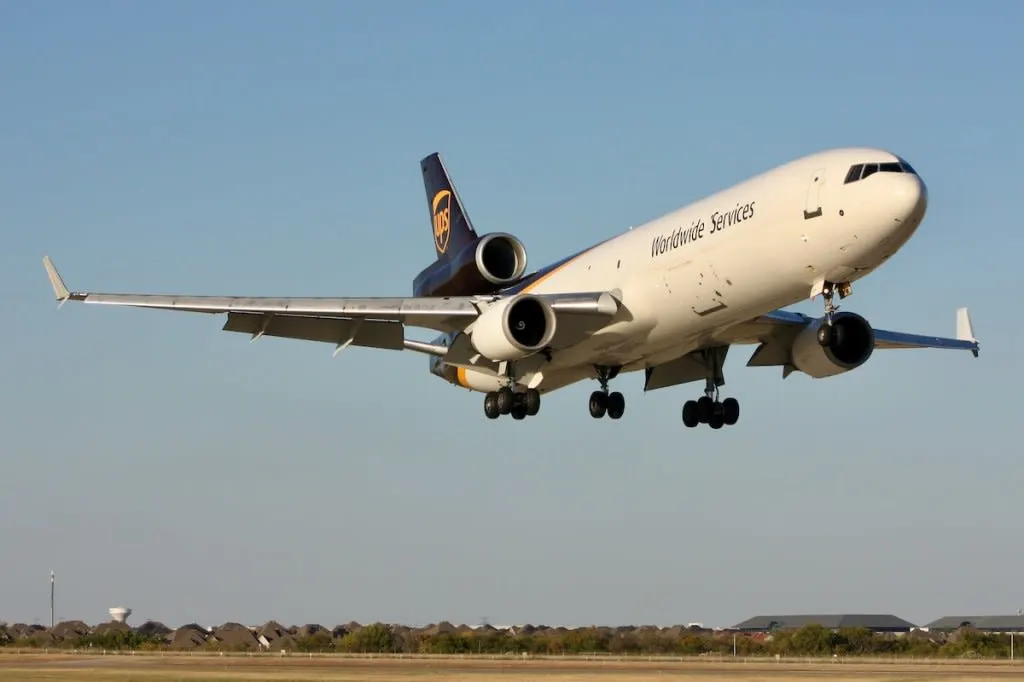
The family of a ground victim is suing UPS, Boeing, GE, and VT San Antonio Aerospace following the fatal 2025 Louisville cargo jet crash.
Key Takeaways
- •UPS Flight 2976 crash killed 15 people in November 2025.
- •Lawsuit alleges Boeing delayed critical pylon inspection intervals.
- •VT San Antonio Aerospace accused of missing fatigue during maintenance.
- •UPS retired its entire MD-11 freighter fleet in January 2026.
The family of a man who was fatally injured when a cargo aircraft plowed into an industrial area outside Louisville, Kentucky, last year is suing several companies they say are responsible for his death. The legal action follows the November 4, 2025, UPS Flight 2976 crash, which involved a McDonnell Douglas MD-11F cargo plane shortly after takeoff from Louisville Muhammad Ali International Airport (SDF). According to DCA26MA024 - NTSB, the accident resulted in 15 fatalities, including three crew members and 12 individuals on the ground.
Allegations of Maintenance Negligence
The lawsuit, filed in July 2026, names UPS, Boeing, General Electric (GE), and VT San Antonio Aerospace as defendants. The complaint alleges that the crash was caused by the separation of the aircraft's left engine and pylon due to metal fatigue. Attorneys for the family of Matthew Sweets argue that Boeing was aware of at least four prior failures of the pylon bearing race assembly on other aircraft prior to the 2025 incident.
Furthermore, the lawsuit contends that Boeing requested the Federal Aviation Administration (FAA) to extend the inspection interval for the pylon component from 19,900 to 29,260 flight cycles in 2015. Plaintiffs argue this extension delayed the discovery of critical fatigue cracks. VT San Antonio Aerospace is also cited for allegedly failing to detect metal fatigue during maintenance work performed on the aircraft just 17 days before the accident.
Industry Impact and Fleet Retirement
The UPS Flight 2976 crash has caused significant industry fallout regarding the structural integrity of aging freighter fleets. Following the incident, UPS retired its remaining MD-11 fleet in January 2026. For UPS, the event has triggered significant legal liabilities and wrongful death settlements. Boeing faces mounting pressure as plaintiffs allege the company failed to mandate immediate fixes for known engine pylon vulnerabilities. Meanwhile, GE has been drawn into the litigation as the manufacturer of the CF6 engines, despite the National Transportation Safety Board (NTSB) investigation focusing primarily on the Boeing-designed pylon assembly.
Historical Context of Pylon Failures
This incident mirrors historical aviation tragedies involving McDonnell Douglas aircraft. In May 1979, American Airlines Flight 191 resulted in 273 fatalities after an engine separated from a DC-10 during takeoff, prompting the FAA to ground the fleet for new inspection procedures. Similarly, the 1992 El Al Flight 1862 crash involved a Boeing 747 cargo plane losing an engine due to pylon failure, which resulted in significant ground casualties. These precedents underscore the high-stakes nature of pylon structural integrity in commercial aviation.
Technical Analysis of the Pylon Bearing Race
The NTSB investigation into the 1991-built MD-11F has highlighted a critical disconnect between manufacturer assumptions and operational reality. According to internal assessments cited by the NTSB, Boeing previously argued that a failure of the pylon bearing race would not independently jeopardize flight safety, as system redundancies were designed to prevent catastrophic detachment. However, the 2025 crash data suggests that these structural safeguards failed to account for the cumulative effects of prolonged metal fatigue in high-cycle freighter operations. This development indicates a shift toward more conservative maintenance intervals for legacy aircraft as regulators and operators weigh the costs of aging airframes against safety margins.
What Comes Next
The NTSB is expected to release its final accident report on the crash in late 2026 or 2027. This document will likely serve as the definitive technical record for ongoing litigation, potentially influencing future FAA directives regarding the maintenance of legacy McDonnell Douglas freighter models.
Why This Matters for Stakeholders
This lawsuit represents a critical test for how manufacturers and maintenance providers are held accountable for structural fatigue in aging aircraft. For the aviation industry, the outcome may redefine the legal threshold for disclosing known component vulnerabilities and the responsibility of maintenance providers to detect latent fatigue cracks during routine checks.
Frequently Asked Questions
- What caused the UPS Flight 2976 crash in Louisville?
- The NTSB investigation determined that the MD-11F cargo plane's left engine and pylon separated shortly after takeoff due to metal fatigue in the pylon bearing race assembly.
- How did the 2025 Louisville crash affect the UPS MD-11 fleet?
- Following the fatal November 2025 crash, UPS retired its remaining fleet of McDonnell Douglas MD-11 freighter aircraft in January 2026.
For global airline trends and commercial aviation news, turn to omniflights.com. From aircraft production to supply chains, commercial aviation manufacturing news is covered at omniflights.com/manufacturing.

Written by Shashank Shukla
Co-Founder & CTO leading the engineering and AI systems behind Omni Flights. Covers aviation technology, flight safety, aircraft manufacturing, and emerging aerospace developments.
Visit ProfileYou Might Also Like

Riyadh Airport Closure Extended Following Deadly Attacks

Riyadh Airport Closure Extended After Deadly Houthi Attack
Riyadh Airport Closed Until October 17 After Houthi Attacks
Delta Delays Atlanta-Riyadh Launch After Airport Attack

Riyadh Airport Missile Strike Leaves 12 Dead