London Gatwick Airport Runway Blocked by British Airways A320

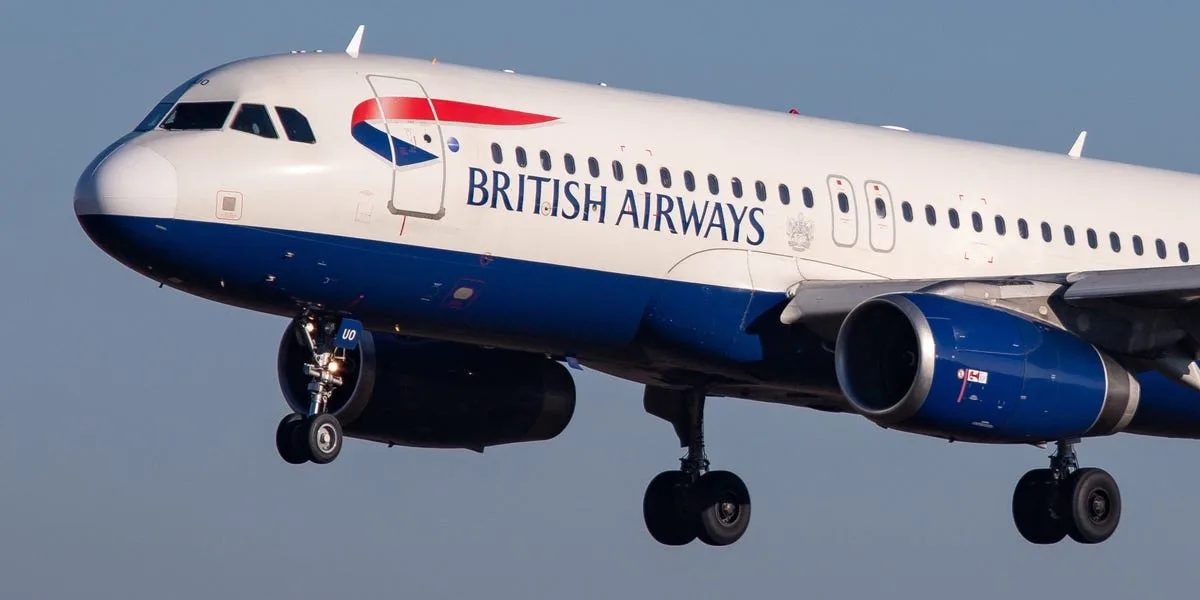
A British Airways A320 nose-wheel fault at London Gatwick forced 14 diversions and nine aircraft to declare fuel emergencies.
Key Takeaways
- •British Airways A320 nose-wheel fault blocked Gatwick's only active runway.
- •14 flights diverted to alternate UK airports following the incident.
- •9 aircraft declared fuel emergencies to secure priority landings.
- •AAIB preliminary report on the steering failure expected by Q4 2026.
A London Gatwick Airport emergency occurred early on July 15, 2026, when a British Airways runway incident involving an Airbus A320 disabled the airport's only active runway. The aircraft, operating flight BA2673 from Palma de Mallorca Airport (PMI), suffered a nose-wheel steering fault upon landing, rendering it immobile. Because the airport’s main runway was closed for scheduled maintenance, the disabled aircraft effectively halted all operations at the world’s busiest single-runway facility, which typically handles over 263,000 aircraft movements annually.
Operational Impact of the Runway Closure
The blockage triggered an immediate, high-pressure scenario for Air Traffic Control (ATC) as inbound aircraft reached their fuel reserves. According to Flightradar24 data, 14 flights were diverted to alternate airports, including London Stansted, Luton, Heathrow, and Birmingham. During the holding patterns, nine of these aircraft were forced to declare a squawk 7700 fuel emergency to secure priority landing clearances. This universal transponder code, regulated by the International Civil Aviation Organization (ICAO), alerts controllers to an in-flight emergency, allowing for immediate priority routing when fuel levels become critical.
Stakeholder and Passenger Consequences
The disruption caused significant logistical challenges for airlines such as easyJet, TUI, and Jet2, which faced the immediate costs of diverted flights, unplanned fuel burn, and the complex task of repositioning aircraft and passengers. For hundreds of passengers, the incident resulted in severe delays, with many arriving at alternate airports in the early hours of the morning requiring secondary ground transportation. A spokesperson for London Gatwick Airport (LGW) confirmed the runway closure was due to a technical issue, stating that safety remains the primary priority. British Airways confirmed that the flight landed safely and passengers disembarked normally following the mechanical fault.
Technical Context and Historical Precedents
The incident highlights the systemic vulnerability of single-runway hubs to sudden operational disruptions. The UK Civil Aviation Authority (CAA) maintains safety standards that prohibit the simultaneous use of Gatwick's main runway and its backup strip, meaning any obstruction on the active surface causes an immediate operational freeze. This event mirrors the 2018 drone disruptions at Gatwick, which resulted in three days of cancellations and millions in losses, demonstrating the extreme sensitivity of the hub's infrastructure. Similarly, the 2016 Emirates Flight 521 landing incident in Dubai serves as a historical precedent for how a single disabled aircraft can force inbound traffic into prolonged holding patterns and emergency diversions.
Inside the A320 Nose-Wheel Failure
The aircraft involved, a 24-year-old Airbus A320 with the registration G-GATS, experienced a failure in its nose-wheel steering system. While the aircraft is equipped with standard tricycle retractable landing gear, the loss of steering capability prevented the flight crew from vacating the runway under the aircraft's own power. This mechanical failure turned a routine arrival into an airport-wide emergency, underscoring the reliance of high-capacity airports on the precise mechanical health of every arriving narrowbody aircraft.
Pending Safety Investigations
The Air Accidents Investigation Branch (AAIB) is expected to conduct a formal review of the mechanical failure. A preliminary report detailing the root cause of the nose-wheel steering fault is anticipated by Q4 2026. This investigation will likely focus on whether the failure was an isolated maintenance issue or part of a broader trend affecting aging narrowbody fleets in high-cycle operations.
Why This Matters for European Hubs
This event serves as a stark reminder of the fragile balance at capacity-constrained European airports. For airlines and passengers, the incident underscores the reality that even minor technical faults can cascade into network-wide disruptions when infrastructure lacks redundancy. As European hubs continue to operate near maximum capacity, the reliance on single-runway efficiency remains a critical point of vulnerability for the broader aviation ecosystem.
Frequently Asked Questions
- What caused the runway closure at London Gatwick Airport?
- A British Airways Airbus A320, operating flight BA2673 from Palma de Mallorca, suffered a nose-wheel steering fault upon landing. The aircraft became disabled on the airport's only active backup runway, forcing a temporary closure.
- Why did nine aircraft declare a fuel emergency during the Gatwick incident?
- The runway blockage forced inbound aircraft into extended holding patterns. Nine of these flights declared a squawk 7700 fuel emergency to receive priority landing clearance at alternate airports before reaching critical fuel levels.
Visit omniflights.com for the latest commercial aviation news and airline industry updates. Track policy changes, airspace rules, and global aviation governance in the Regulatory category at omniflights.com/regulatory.

Written by Shashank Shukla
Co-Founder & CTO leading the engineering and AI systems behind Omni Flights. Covers aviation technology, flight safety, aircraft manufacturing, and emerging aerospace developments.
Visit ProfileYou Might Also Like
Riyadh Airport Closure Extended Following Deadly Attacks

Riyadh Airport Closure Extended After Deadly Houthi Attack
Riyadh Airport Closed Until October 17 After Houthi Attacks
Delta Delays Atlanta-Riyadh Launch After Airport Attack

Riyadh Airport Missile Strike Leaves 12 Dead