Ryanair 737-800 Decompression Probe Taken Over by NTSB

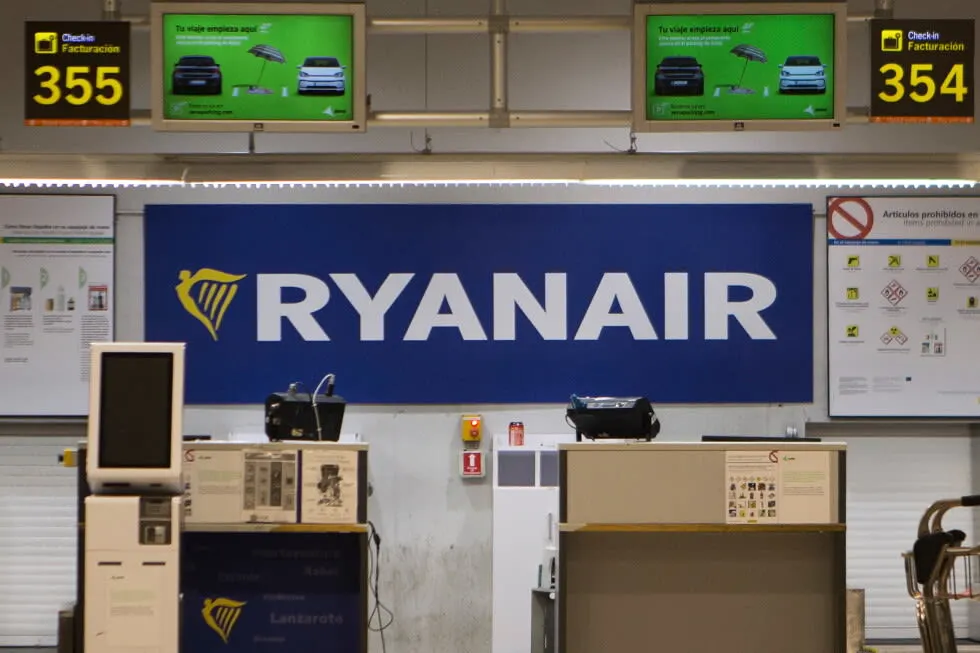
The NTSB took over the investigation of a Ryanair Boeing 737-800 flight after an engine failure and decompression injured a 61-year-old passenger.
Key Takeaways
- •NTSB takes over investigation of Ryanair 737-800 decompression incident.
- •Uncontained right engine failure shattered cabin window at 15,000 feet.
- •One 61-year-old passenger sustained injuries during rapid decompression.
- •Greek safety authority delegated probe to NTSB under ICAO Annex 13.
The National Transportation Safety Board (NTSB) has taken over the NTSB aviation investigation into a July 10, 2026, Malta Air flight incident involving a Ryanair Boeing 737-800. The flight suffered an uncontained Ryanair 737 engine failure that shattered a cabin window, triggering a rapid Boeing 737 NG decompression event that partially pulled a passenger from the aircraft.
The federal agency announced its leadership of the probe on July 16, 2026, after flight path analysis confirmed the emergency occurred within Greek airspace rather than over the Republic of North Macedonia. Under International Civil Aviation Organization (ICAO) Annex 13 guidelines, the Hellenic Air and Rail Safety Investigation Authority (HARSIA) delegated the investigation to the U.S. because the aircraft and engine were manufactured in the United States.
Flight Path and Passenger Impact
The morning flight, operated by Ryanair subsidiary Malta Air, departed Thessaloniki for Memmingen, Germany, with a 61-year-old passenger sustaining neck and shoulder injuries along with friction burns during the decompression. According to Greek hospital officials, the passenger received immediate medical treatment upon landing.
Flight records from Flightradar24 indicate the Boeing 737-800, delivered new to Ryanair in 2008, was climbing past 15,000 feet approximately six minutes after departure when the uncontained right engine failure occurred. The flight crew executed an emergency descent to 6,000 feet and maintained that altitude for 30 minutes to burn fuel before safely returning to Thessaloniki.
Passengers reported hearing a loud bang, followed by the deployment of oxygen masks and a rapid loss of altitude. Video footage shared by Radio Thessaloniki documented passengers wearing oxygen masks and first responders attending to the cabin aisle post-landing.
Shye Gilad, a former airline captain and Georgetown University professor, explained that a window blowout causes rapid decompression, creating a brief but powerful suction effect. "The seat belt can help in those first few seconds. It’s a difference maker and people should keep their seat belts fastened at all times," Gilad stated, noting that such structural breaches are rare.
Regulatory and Stakeholder Response
Federal Aviation Administration (FAA) Administrator Bryan Bedford commented on the incident, stating the agency is reevaluating its response to previous uncontained engine failures. "Did we miss something? Way too early to tell — but we can't take it off the board yet," Bedford noted.
The incident places high-severity pressure on CFM International, the manufacturer of the CFM56-7B engines, which faces heightened regulatory scrutiny regarding fan blade integrity. For Boeing, the event renews focus on the structural integrity of the 737 NG nacelle and fan cowl, potentially impacting compliance timelines. Ryanair and Malta Air face moderate operational disruptions and repair costs.
This occurrence closely mirrors the April 2018 Southwest Airlines Flight 1380 incident, where a broken CFM56 engine fan blade shattered a cabin window, resulting in a passenger fatality and prompting the NTSB to recommend structural redesigns. It also shares characteristics with the August 2016 Southwest Airlines Flight 3472 incident, which involved a similar uncontained engine failure but ended without fatalities.
Boeing 737-800 vs. Boeing 737 MAX 8: Technical Specifications
| Metric | Boeing 737-800 (NG) | Boeing 737 MAX 8 |
|---|---|---|
| Engine Type | CFM56-7B | CFM LEAP-1B |
| Typical 2-class Seating | 162 | 162 to 178 |
| Range | 2,935 nm | 3,550 nm |
Uncontained Engine Failures and Nacelle Containment Dynamics
This development highlights a persistent structural vulnerability in the legacy Boeing 737 Next Generation (NG) fleet. The FAA had previously issued a 2023 Airworthiness Directive requiring fan cowl modifications by 2028 in response to the Southwest Flight 1380 tragedy. The Ryanair incident suggests that the risk of uncontained CFM56 fan blade failures penetrating the nacelle and damaging the fuselage remains a critical threat before the full implementation of these retrofits. This event accelerates the regulatory cycle, potentially forcing airlines to expedite structural modifications.
Regulatory Timelines for Fan Cowl Retrofits
The NTSB's active leadership of the probe is expected to yield preliminary findings within the coming months, focusing on the metallurgical analysis of the failed right engine fan blades. Under current FAA regulations, operators have until July 2028 to complete the mandated fan cowl redesigns across their Boeing 737 NG fleets. However, safety advocates and regulators may push to accelerate this deadline depending on the NTSB's final determination.
Why Fleet-Wide Retrofit Timelines Are Under Scrutiny
For global operators of the Boeing 737 NG, this incident signals that existing safety margins and retrofit timelines may undergo rapid revision. If regulators accelerate the 2028 compliance deadline, airlines will face significant maintenance backlogs and unplanned aircraft-on-ground cycles. Ultimately, this event underscores the delicate balance between long-term engineering retrofits and immediate operational safety in mature narrowbody fleets.
Frequently Asked Questions
- Why did the NTSB take over the Ryanair flight investigation?
- Under ICAO Annex 13, Greece delegated the investigation to the NTSB because the Boeing 737-800 aircraft and its CFM56-7B engines were designed and manufactured in the United States.
- What caused the decompression on the Ryanair Boeing 737-800?
- The aircraft suffered an uncontained right engine failure that shattered a cabin window, triggering a rapid decompression event at approximately 15,000 feet.
- What is the FAA deadline for Boeing 737 NG fan cowl modifications?
- Following previous uncontained engine failures, the FAA issued an Airworthiness Directive requiring operators to complete fan cowl structural modifications on Boeing 737 NG aircraft by July 2028.
From airline operations to fleet updates, commercial aviation news lives at omniflights.com. Get the latest updates on major hubs, regional terminals, and airport operations via the Airports section at omniflights.com/airports.

Written by Shashank Shukla
Co-Founder & CTO leading the engineering and AI systems behind Omni Flights. Covers aviation technology, flight safety, aircraft manufacturing, and emerging aerospace developments.
Visit ProfileYou Might Also Like
FAA Grounds Elixir Aircraft After Fatal French Crash

Riyadh Airport Closure Extended Following Deadly Attacks
Riyadh Airport Closure Extended After Deadly Houthi Attack
Riyadh Airport Closed Until October 17 After Houthi Attacks
Delta Delays Atlanta-Riyadh Launch After Airport Attack