Aviation Industry Seeks New Stability in 2026

Co-Founder & CEOAviation News Editor delivering trusted coverage across the global aviation industry.

The global aviation industry is adapting in 2026 by adjusting ticket structures, route planning, and onboard services to find a more stable pace.
Key Takeaways
- •Airlines focus on operational stability and refinement in 2026.
- •Ticket unbundling and ancillary fees continue to shape fare structures.
- •Geopolitical and economic factors heavily influence route planning.
- •Onboard services are increasingly tailored to specific market segments.
The global aviation industry is navigating a period of strategic adjustment in 2026, moving away from post-recovery volatility toward a more sustained and stable operational rhythm. After several years of dynamic shifts, airlines are now focusing on refining their business models to align with new economic and geopolitical realities. For passengers, these changes are most apparent in fare structures and the overall travel experience, while behind the scenes, carriers are making critical decisions on capacity and network planning.
This recalibration is driven by a confluence of factors. Route planning, capacity deployment, and even the level of onboard service are increasingly dictated by external pressures, including international relations, evolving regulations, and the constraints on household budgets. The industry is attempting to strike a new balance, ensuring profitability while adapting to a traveler base that is more discerning about value and cost.
The Evolution of Fare Structures
A primary area of focus for airlines in 2026 is the composition of an air ticket. The trend of unbundling services continues to accelerate, with carriers increasingly offering basic fares that cover little more than transportation from one point to another. Services that were once standard, such as checked baggage, seat selection, and onboard meals, are now commonly offered as ancillary purchases. This strategy allows airlines to advertise lower entry-level prices while generating significant revenue from add-ons.
This model provides passengers with more choice but also requires greater attention to detail during the booking process. The total cost of travel can vary significantly based on the options selected. For airlines, this approach is a critical tool for managing costs and tailoring products to different market segments, from budget-conscious leisure travelers to business passengers requiring more flexibility and comfort.
Geopolitical and Economic Headwinds
Network planning has become an exceptionally complex task in the current environment. Airlines must constantly evaluate the viability of routes based not only on demand but also on geopolitical stability. Airspace restrictions, international sanctions, and regional conflicts can force carriers to make abrupt and costly changes to their networks, including rerouting flights or suspending services entirely. These factors add a layer of operational risk and unpredictability to long-term planning.
Simultaneously, economic conditions are shaping capacity decisions. With household budgets under pressure in many parts of the world, airlines are cautious about adding excess capacity that could dilute yields. Decisions to launch new routes or increase frequencies are subject to rigorous analysis of economic forecasts and consumer spending trends. The result is a more conservative approach to growth, with a focus on profitable, high-demand corridors.
Onboard Service and the Passenger Experience
The onboard experience is also being reshaped by these economic realities. Airlines are carefully calibrating service levels to match passenger expectations and willingness to pay. On short-haul routes, this may mean a simplified service with a focus on efficiency and on-time performance. On long-haul flights, carriers continue to compete on product, but even here, there is a trend toward offering a wider range of options, from premium cabins with enhanced amenities to more basic economy offerings.
The goal is to create a product portfolio that appeals to a broad spectrum of travelers. By segmenting the cabin and the service offering, airlines can maximize revenue from each seat sold. This strategic differentiation is key to navigating a market where passenger priorities can differ significantly.
Technical Analysis
The overarching trend in 2026 represents a strategic pivot from recovery to optimization. For several years, the industry's primary goal was restoring capacity and reconnecting networks. Now, the focus has shifted to refining those networks for maximum profitability and resilience. This marks a new phase of maturity where operational efficiency, cost control, and ancillary revenue generation are the primary drivers of strategy. Airlines are leveraging data analytics more than ever to understand passenger behavior and make smarter decisions about pricing, scheduling, and service. This data-driven approach allows for a more dynamic and responsive business model, better equipped to handle the external shocks that have become a recurring feature of the operating environment.
What Comes Next
Looking ahead, the aviation industry is expected to continue on this path of cautious optimization. Airlines will likely maintain flexibility in their fleet and network plans, allowing them to scale capacity up or down in response to changing market conditions. Further innovation in fare structures and ancillary products is anticipated as carriers seek new revenue streams. The pace of this evolution will be heavily influenced by the global economic outlook and the geopolitical landscape. Stability in these areas would allow for more confident long-term planning, while continued volatility would reinforce the need for agile and adaptive strategies.
Why This Matters
This strategic realignment is significant for the entire aviation ecosystem. For passengers, it signals a permanent shift in how air travel is priced and consumed, requiring a more active role in customizing their journey. For airlines and industry professionals, it underscores a move towards a more sophisticated and resilient business model, one that prioritizes profitability and risk management over growth at any cost.
Frequently Asked Questions
- What are the main trends in the airline industry for 2026?
- The main trends for the airline industry in 2026 include a focus on achieving operational stability, the continued unbundling of fares to increase ancillary revenue, and more cautious route planning influenced by geopolitical and economic factors.
- How is the passenger travel experience changing in 2026?
- In 2026, the passenger experience is being shaped by airline fare structures that separate the cost of the seat from services like baggage and meals. This gives travelers more choice but requires them to pay closer attention to what is included in their ticket price.
Access up-to-date commercial aviation news and airline industry developments via omniflights.com. From aircraft production to supply chains, commercial aviation manufacturing news is covered at omniflights.com/manufacturing.
Written by Hardik Vishwakarma
Co-Founder & Aviation News Editor leading initiatives that improve trust and visibility across the global aviation industry. Covers airlines, airports, safety, and emerging technology.
Visit ProfileYou Might Also Like
Discover more aviation news based on similar topics
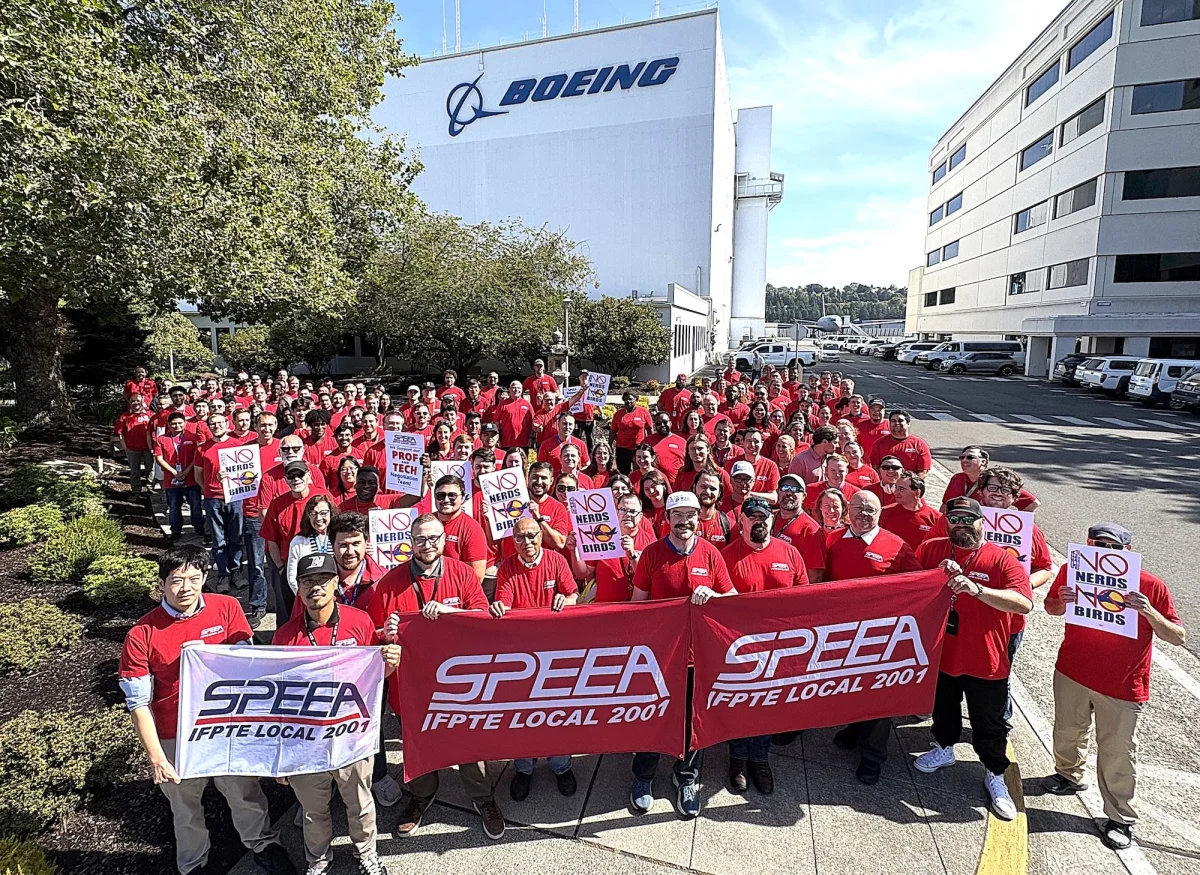
Boeing Tightens Spending Ahead of Critical SPEEA Union Vote
Boeing has implemented spending controls and a hiring freeze as it faces a critical contract ratification vote with its 17,000-member engineering union.

Boeing CEO Kelly Ortberg Warns of 777X Certification Delay
Boeing CEO Kelly Ortberg warned that a potential strike by 17,000 engineers would immediately halt the 777X certification and production programs.
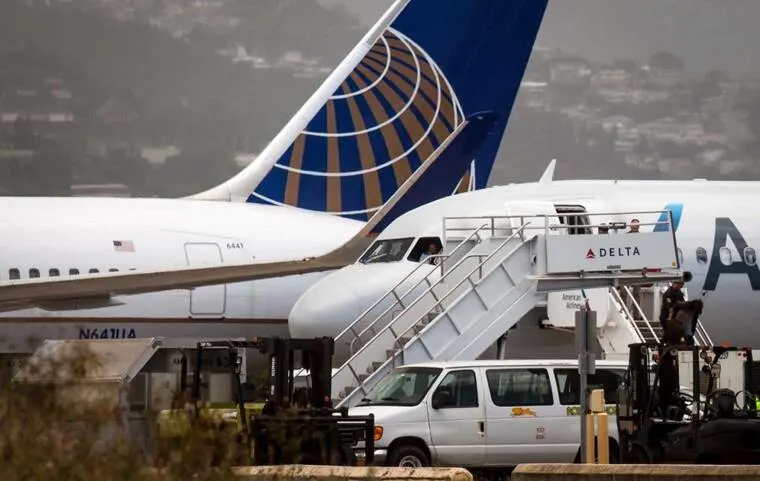
American and United Plan Capacity Cuts Amid Fuel Cost Surge
American and United are trimming flight schedules to offset a $1 billion fuel cost spike while maintaining strong pricing power.
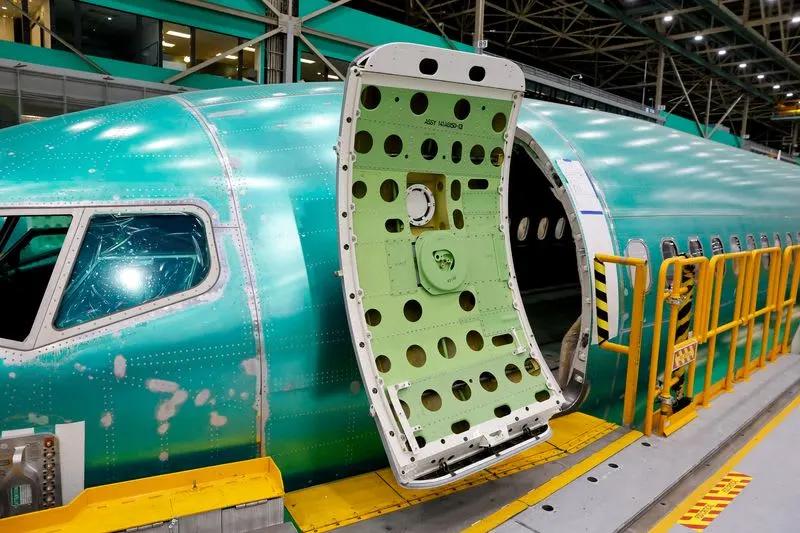
Boeing CEO Reports 737 MAX Output Stabilization Delays
Boeing CEO Kelly Ortberg reports slower 737 MAX production stabilization, prompting a downward revision in 2026 free cash flow expectations to $2 billion.
Boeing Finalizes KAL Order, Salvages Turkish Airlines Deal
Boeing secured a $36.2 billion order from Korean Air Lines for 103 aircraft and nears a resolution on a 150-jet deal with Turkish Airlines.
Airbus Forecasts 42,000 New Jets Amid Strong Global Demand
Airbus expects 42,000 new aircraft deliveries globally by 2045, with 45% of demand concentrated in the Asia-Pacific region.