Kenya Airways, Rubis to Build Africa's First SAF Refinery

Co-Founder & CEOAviation News Editor delivering trusted coverage across the global aviation industry.

Kenya Airways and Rubis Energy signed an MoU for Africa's first SAF refinery, targeting 32,000 metric tons of annual production to boost local supply.
Key Takeaways
- •Kenya Airways and Rubis to build Africa's first dedicated SAF refinery.
- •Project targets 32,000 metric tons of annual SAF production.
- •The €60-70M facility will use Dragonfly's modular HEFA technology.
- •Refinery expected to be operational by May 2028 near Nairobi's JKIA.
In a landmark move for African aviation, Kenya Airways and Rubis Energy Kenya have signed a Memorandum of Understanding (MoU) to develop the continent's first dedicated Sustainable Aviation Fuel (SAF) refinery. The Africa SAF refinery project aims to establish a local supply chain for lower-emission jet fuel, a critical step in the industry's decarbonization efforts. The facility, part of a joint venture, is designed to have an annual production capacity of 32,000 metric tons.
This agreement directly addresses a major logistical and environmental challenge for African carriers: a complete dependency on imported SAF. By pioneering local production, the Kenya Airways sustainable aviation fuel initiative seeks to reduce supply chain costs, mitigate carbon emissions from transportation, and create a new domestic market for biogenic waste feedstocks. The Rubis Energy SAF agreement leverages Rubis's existing infrastructure and logistics expertise in the region, combining it with Kenya Airways' role as the primary off-taker of the fuel.
Project Details and Technology
The MoU was formally signed at the Africa Forward Summit in Nairobi, with the project's significance underscored by the presence of Kenyan President William Ruto and French President Emmanuel Macron. According to a joint statement, the total investment is estimated at €60 million to €70 million ($70.5M - $82.2M).
The technological core of the project is a modular refinery system provided by Dragonfly Holdings Ltd. This Dragonfly modular SAF refinery will utilize the Hydroprocessed Esters and Fatty Acids (HEFA) pathway, a mature technology for converting waste lipids like used cooking oil and animal fats into jet fuel. The modular design allows for a significantly faster construction timeline, with Dragonfly stating the unit can be brought online within 24 months of final approval.
Karl W. Feilder, CEO of Dragonfly, highlighted the strategic advantage of this approach. "The critical advantage of this project is that a Dragonfly refinery can be sited close to both the feedstock and the consumers," he noted. The planned location near Jomo Kenyatta International Airport (JKIA) in Nairobi minimizes transportation costs and emissions. The refinery will also have the flexibility to produce Hydrotreated Vegetable Oil (HVO), or renewable diesel, based on market demand.
Industry Impact and Strategic Importance
For Kenya Airways, this venture is a strategic imperative. Capt. George Kamal, the airline's Acting CEO, framed the decision in practical terms. "Currently, Jomo Kenyatta International Airport consumes 2.9 million litres of jet fuel every day... switching to SAF was the most commercially viable, technologically mature, and lowest-risk solution," he said. The move secures a local SAF supply, providing a hedge against volatile global fuel prices and future carbon taxes. This follows the airline's previous SAF milestones, including Africa's first long-haul SAF flight to Amsterdam in May 2023 and a high-blend demonstration flight to Cape Town in October 2025.
For Rubis Energy, the project marks a pivotal expansion from fossil fuel distribution to sustainable energy production. "While we currently depend entirely on imports, this refinery allows us to produce a sustainable, local version of that fuel," said Jean-Christian Bergeron, CEO of Rubis Énergie. The initiative also creates a new economic ecosystem, providing a formal market for local waste collectors and agricultural producers of non-edible oils.
Dragonfly Modular HEFA Refinery vs Conventional SAF Refinery
| Metric | Dragonfly Modular HEFA Refinery | Conventional SAF Refinery |
|---|---|---|
| CapEx | €60-70M | $500M+ |
| Construction Time | 24 months | 5+ years |
| Capacity | 32,000 tonnes/yr | 100,000+ tonnes/yr |
Regulatory and Market Drivers
The project is timed to align with growing global regulatory pressure for aviation to decarbonize. The European Union's ReFuelEU Aviation Mandate requires a 2% SAF blend at all EU airports from 2025, rising to 6% by 2030. This creates a potential export market for Kenyan-produced SAF and directly impacts Kenya Airways' flights into Europe. The initiative also supports the broader International Civil Aviation Organization (ICAO) goal of achieving Net Zero carbon emissions by 2050.
However, significant challenges remain. According to the International Air Transport Association (IATA), global SAF production is projected to reach 20 million tonnes by 2030, but Africa is expected to contribute less than 1% of this total without substantial policy support. IATA's analysis suggests a critical need for investment and government incentives to unlock the continent's vast feedstock potential, a perspective detailed on the IATA SAF portal.
Technical Analysis
This joint venture represents a strategic pivot from large, centralized energy projects toward smaller, more agile modular production. The Dragonfly model's lower capital expenditure and faster deployment time de-risks the investment and allows for a quicker response to market demand. By co-locating production with consumption at an aviation hub like JKIA, the project eliminates significant logistical costs and emissions associated with transporting fuel over long distances. This approach could serve as a replicable blueprint for other African nations seeking to build energy independence and decarbonize their aviation sectors.
While the HEFA pathway is currently the most mature technology, some industry analysts, including those from Climate Catalyst, express concern about the long-term scalability of lipid-based feedstocks. They argue that while essential for near-term goals, the industry must simultaneously invest in next-generation technologies like synthetic e-fuels to meet mid-century decarbonization targets. This project, therefore, is a critical first step but will need to be part of a broader, multi-pathway energy transition for the continent.
What Comes Next
With the MoU signed, the next phases will involve finalising engineering designs, securing financing, and obtaining regulatory approvals. Based on the projected 24-month construction timeline, the partners expect the refinery to be fully operational by May 2028. This timeline positions the facility to supply the market well ahead of the confirmed ReFuelEU mandate increase to a 6% SAF blend, which takes effect on January 1, 2030.
Why This Matters
This project is more than just a new refinery; it's a foundational step toward energy autonomy for African aviation. By creating a local SAF ecosystem from feedstock to final product, it reduces reliance on volatile foreign markets and builds regional resilience. For the global aviation industry, it demonstrates a viable, scalable model for decarbonization in the Global South, potentially unlocking Africa's immense potential as a key producer of sustainable fuels.
Frequently Asked Questions
- What is the production capacity of the new Kenya Airways SAF refinery?
- The planned refinery by Kenya Airways and Rubis Energy will have an annual production capacity of 32,000 metric tons of Sustainable Aviation Fuel (SAF).
- What technology will the African SAF refinery use?
- The facility will utilize a modular refinery system from Dragonfly Holdings, employing the Hydroprocessed Esters and Fatty Acids (HEFA) pathway to convert local waste lipids into SAF.
- How much will the Kenya Airways SAF refinery cost to build?
- The total investment for the project is estimated to be between €60 million and €70 million, which is significantly less than a conventional large-scale refinery due to its modular design.
Get breaking commercial aviation news and expert airline analysis at omniflights.com. Stay informed on aviation incidents, investigations, and best practices in the Safety category at omniflights.com/safety.
Written by Hardik Vishwakarma
Co-Founder & Aviation News Editor leading initiatives that improve trust and visibility across the global aviation industry. Covers airlines, airports, safety, and emerging technology.
Visit ProfileYou Might Also Like
Discover more aviation news based on similar topics
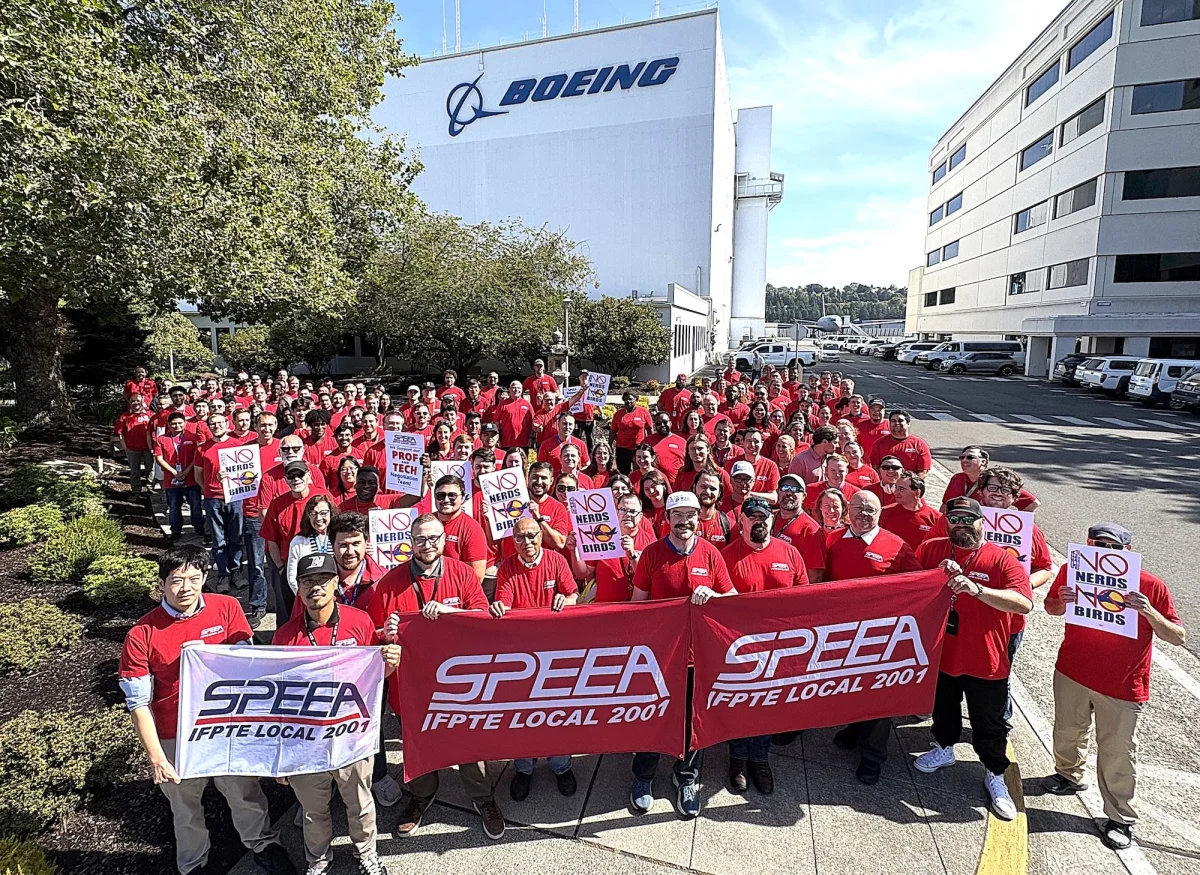
Boeing Tightens Spending Ahead of Critical SPEEA Union Vote
Boeing has implemented spending controls and a hiring freeze as it faces a critical contract ratification vote with its 17,000-member engineering union.

Boeing CEO Kelly Ortberg Warns of 777X Certification Delay
Boeing CEO Kelly Ortberg warned that a potential strike by 17,000 engineers would immediately halt the 777X certification and production programs.

American and United Plan Capacity Cuts Amid Fuel Cost Surge
American and United are trimming flight schedules to offset a $1 billion fuel cost spike while maintaining strong pricing power.
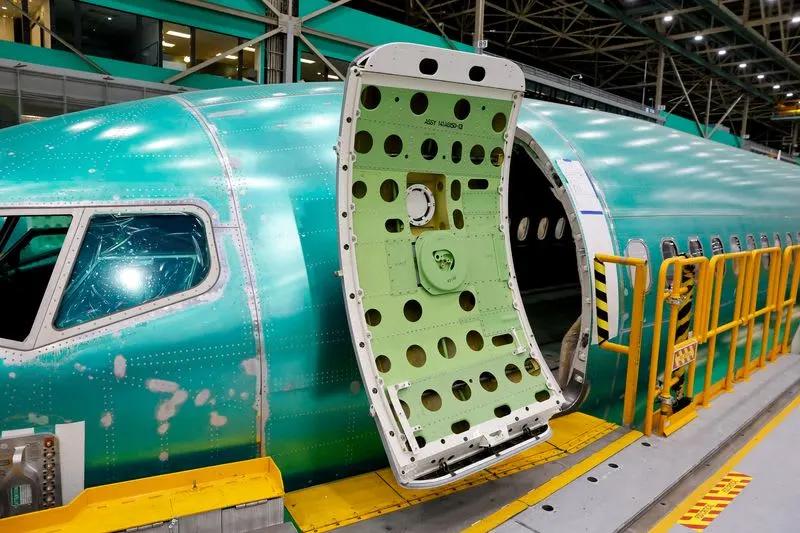
Boeing CEO Reports 737 MAX Output Stabilization Delays
Boeing CEO Kelly Ortberg reports slower 737 MAX production stabilization, prompting a downward revision in 2026 free cash flow expectations to $2 billion.
Boeing Finalizes KAL Order, Salvages Turkish Airlines Deal
Boeing secured a $36.2 billion order from Korean Air Lines for 103 aircraft and nears a resolution on a 150-jet deal with Turkish Airlines.
Airbus Forecasts 42,000 New Jets Amid Strong Global Demand
Airbus expects 42,000 new aircraft deliveries globally by 2045, with 45% of demand concentrated in the Asia-Pacific region.