FAA Proposes Ending 53-Year Ban on Supersonic Overland Flight

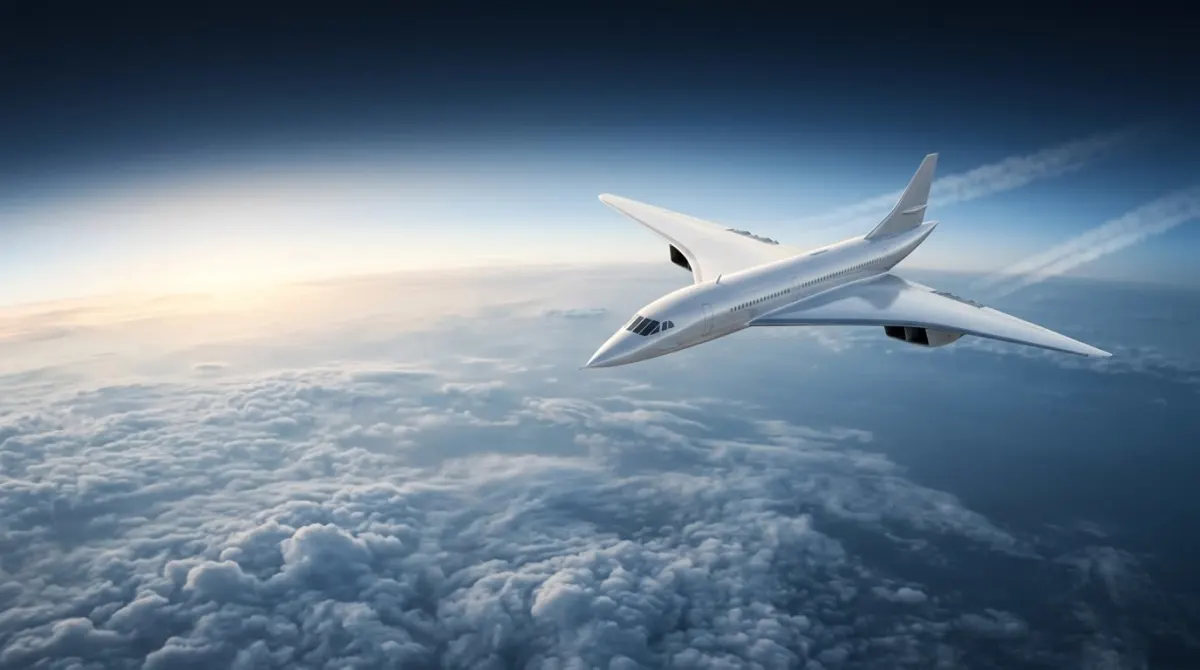
The FAA has proposed a new noise-based standard to replace the 1973 ban on civil supersonic flight over U.S. land, limiting sonic boom overpressure.
Key Takeaways
- •FAA proposes replacing the 1973 overland supersonic flight ban.
- •New rule limits sonic boom overpressure to 0.11 psf.
- •Public comment period for the NPRM closes on August 17, 2026.
- •Final noise certification rules are expected by mid-2027.
The Federal Aviation Administration (FAA) has initiated a significant regulatory shift regarding high-speed aviation, publishing a Notice of Proposed Rulemaking (NPRM) designed to replace the long-standing prohibition on Civil Supersonic Overland (CSO) flight. This proposal marks the first major policy update since the original 1973 ban, which restricted civil aircraft from exceeding Mach 1 over United States territory. By transitioning to a noise-based performance standard, the agency aims to enable the next generation of high-speed commercial travel while maintaining environmental safeguards.
The Shift to Noise-Based Standards
The proposed rule, docketed as FAA-2026-6935, seeks to repeal the blanket speed-based ban found in 14 CFR Part 91. Instead, the FAA intends to implement a strict sonic boom overpressure limit of 0.11 pounds per square foot (psf) at the surface. This threshold is intended to leverage 'Mach cutoff' techniques, which prevent the most disruptive shockwaves from reaching ground level. According to FAA Administrator Bryan Bedford, these advancements in aerospace engineering and materials science allow for the repeal of the legacy ban while minimizing noise impacts on residents living along flight paths.
Stakeholder Impact and Market Potential
For supersonic aircraft manufacturers such as Boom Supersonic, Spike Aerospace, and Hermeus, the regulatory proposal provides a critical pathway for certifying aircraft on lucrative transcontinental routes. By allowing overland operations, the total addressable market for supersonic travel expands significantly beyond traditional over-water corridors. However, the proposal faces scrutiny from environmental advocates. These groups are expected to challenge the 0.11 psf 'sonic thump' threshold during the public comment period, arguing that the long-term impact of repeated shockwaves over populated areas requires further empirical validation.
Historical Context and Regulatory Evolution
The 1973 ban effectively prevented the commercial success of the Concorde on U.S. domestic routes, limiting its utility to trans-Atlantic travel. The current NPRM aligns with Executive Order 14304, signed in June 2025, which directed the FAA to modernize noise certification standards. This regulatory evolution follows years of research, including data from NASA's X-59 quiet supersonic demonstrator program, which has provided the empirical basis for defining acceptable noise levels for next-generation aircraft.
Technical Analysis of the 0.11 psf Limit
The transition from a speed-based prohibition to a performance-based metric represents a fundamental change in how the FAA regulates aviation noise. By focusing on the physical pressure exerted at the surface, the FAA is shifting the regulatory burden to aircraft design. This requires manufacturers to demonstrate that their airframes can suppress the N-wave pressure signature characteristic of traditional supersonic flight. The success of this policy hinges on the accuracy of predictive modeling for sonic boom propagation in varying atmospheric conditions. If the industry can maintain this 0.11 psf limit consistently, it will likely accelerate the transition from demonstrator programs to commercial certification, though the agency must balance this innovation against potential community noise complaints.
Timeline for Regulatory Finalization
The FAA has established a 45-day public comment period for the NPRM, which is scheduled to conclude on August 17, 2026. Following this, the agency is expected to publish a separate proposed rule addressing landing and takeoff noise standards for supersonic aircraft in late 2026. Industry analysts anticipate that both the en-route and terminal-area noise rules will be finalized by mid-2027, setting the stage for the first commercial supersonic overland certifications.
Why This Matters for the Industry
This regulatory shift is essential for the commercial viability of supersonic business and passenger jets. By replacing an absolute speed ban with a measurable noise standard, the FAA is providing a predictable framework for capital investment and vehicle design. For the aviation industry, this move signals a transition toward performance-based regulation that could serve as a model for international supersonic flight standards, potentially reshaping the economics of long-haul air travel.
Frequently Asked Questions
- What is the proposed sonic boom limit for supersonic flights over land?
- The FAA proposes a maximum sonic boom overpressure limit of 0.11 pounds per square foot (psf) at the surface to allow for civil supersonic overland flight.
- When does the public comment period for the FAA supersonic flight NPRM end?
- The 45-day public comment period for the 'Enabling Supersonic Overland Flight' NPRM is confirmed to close on August 17, 2026.
Stay ahead of the airline industry with commercial aviation news from omniflights.com. Discover how innovation is shaping aviation through aircraft systems, avionics, and digital tools at omniflights.com/technology.

Written by Hardik Vishwakarma
Co-Founder & Aviation News Editor leading initiatives that improve trust and visibility across the global aviation industry. Covers airlines, airports, safety, and emerging technology.
Visit ProfileYou Might Also Like
FAA Clears Boeing 737 MAX 10 Software Glitch

FAA Faces $3.5 Billion Shortfall in ATC Modernization
FAA Pauses Flights into LAX Due to Staffing Shortages
FAA Proposes Ending Overland Supersonic Flight Ban

DOT Rule Exempts Airlines From Cyberattack Delay Costs