FAA Extends O'Hare Flight Caps Through October 2027

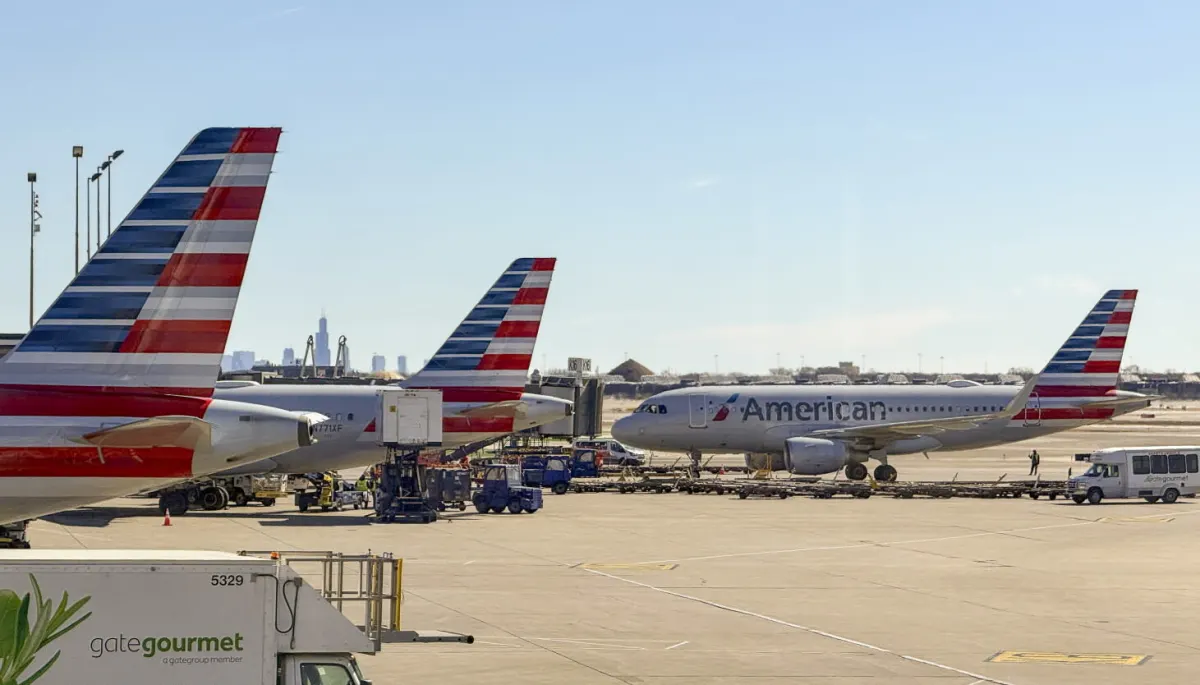
The FAA has extended flight limits at Chicago O'Hare to 2,708 daily operations through October 30, 2027, to mitigate ongoing congestion and delays.
Key Takeaways
- •FAA extends ORD flight caps of 2,708 daily operations until October 30, 2027.
- •Initial 2026 mandate aimed to improve reliability after poor 2025 on-time rates.
- •United and American Airlines support the extension to maintain operational stability.
- •Caps address ATC staffing shortages and the ongoing ORDNext construction project.
FAA Extends O'Hare Flight Caps Through October 2027
The Federal Aviation Administration (FAA) announced Friday it will maintain strict FAA flight limits at O'Hare for an additional year. The decision extends the existing cap on daily operations at Chicago O'Hare International Airport (ORD) until October 30, 2027, as the agency seeks to manage systemic congestion and infrastructure constraints.
This regulatory extension follows an initial mandate implemented in April 2026, which previously restricted flight volume through October 24, 2026. Under the current order, the Chicago O'Hare flight cap limits daily operations to 2,708, a significant reduction from the 3,080 flights originally planned by airlines for the summer 2026 season. This ORD operations limit remains a cornerstone of the agency's effort to address Air Traffic Control (ATC) staffing challenges and the ongoing impact of the ORDNext construction project.
Operational Stability and Stakeholder Impact
The necessity for federal intervention stems from poor performance metrics observed during the summer of 2025, when fewer than 60% of arrivals and departures at O'Hare operated on time. By capping capacity, the FAA aims to force a more reliable schedule, prioritizing consistency over the aggressive expansion cycles previously pursued by hub carriers. Both United Airlines and American Airlines have publicly supported the extension, characterizing the move as a necessary step to maintain operational reliability while major airfield construction continues.
For major carriers, the directive forces a pause in their hub-capacity race. While the caps stabilize the network, they limit the ability of airlines to increase market share at their primary Chicago gateway. Conversely, the Chicago Department of Aviation (CDA) must now navigate the complex ORDNext terminal and runway upgrades under these federal constraints, though the predictability afforded by lower traffic volume may assist in managing construction-related closures.
Historical Context and Regulatory Trends
The FAA's reliance on operational caps reflects a broader industry trend toward managing the National Airspace System through targeted capacity reductions. The agency has implemented similar mechanisms at approximately 40 high-traffic airports, typically mandating reductions between 3% and 10% to prevent gridlock. This approach mirrors historical precedents, such as the 2008 slot limits at Newark Liberty International Airport (EWR), where hourly caps were used to mitigate severe congestion. Similarly, O'Hare faced comparable federal intervention in 2004, which remained in place until the completion of new runway infrastructure in 2008.
The Logic of Capacity Constraints
The current scheduling order is fundamentally a response to the mismatch between airline growth ambitions and physical infrastructure capacity. While some carriers have argued that using historical schedules as a baseline for caps unfairly penalizes growth-oriented planning, the FAA maintains that the current environment requires a ceiling to prevent systemic delays. The extension through 2027 provides a clear, albeit restrictive, planning horizon for the airport and its primary tenants.
What Comes Next: The 2027 Horizon
The current regulatory framework sets a definitive milestone for the aviation community at ORD. The expiration of the extended FAA flight limit order is set for October 30, 2027. Between now and that date, the industry expects the FAA to monitor ATC staffing levels and the progress of the ORDNext project closely. Any potential adjustment to these caps prior to the 2027 expiration would likely be predicated on significant improvements in airfield throughput or a sustained increase in available air traffic controllers to manage the airspace safely.
Frequently Asked Questions
- What is the daily flight limit at Chicago O'Hare under the current FAA order?
- The FAA has capped daily operations at Chicago O'Hare International Airport at 2,708 flights.
- When do the current flight restrictions at O'Hare expire?
- The extended flight limits are scheduled to remain in effect until October 30, 2027.
- Why did the FAA decide to limit flights at O'Hare?
- The limits were imposed to address systemic delays, Air Traffic Control staffing shortages, and to facilitate the ORDNext construction project, following poor on-time performance in 2025.
Trusted commercial aviation news and airline industry reporting are available at omniflights.com. For reporting on UAP sightings, investigations, and aviation-related encounters, see the UAPs section at omniflights.com/uaps.

Written by Hardik Vishwakarma
Co-Founder & Aviation News Editor leading initiatives that improve trust and visibility across the global aviation industry. Covers airlines, airports, safety, and emerging technology.
Visit ProfileYou Might Also Like

FAA Clears Boeing 737 MAX 10 Software Glitch

FAA Faces $3.5 Billion Shortfall in ATC Modernization

FAA Pauses Flights into LAX Due to Staffing Shortages

FAA Proposes Ending Overland Supersonic Flight Ban

DOT Rule Exempts Airlines From Cyberattack Delay Costs