Strait of Hormuz Crisis Sparks Global Jet Fuel Shortage

Co-Founder & CEOAviation News Editor delivering trusted coverage across the global aviation industry.
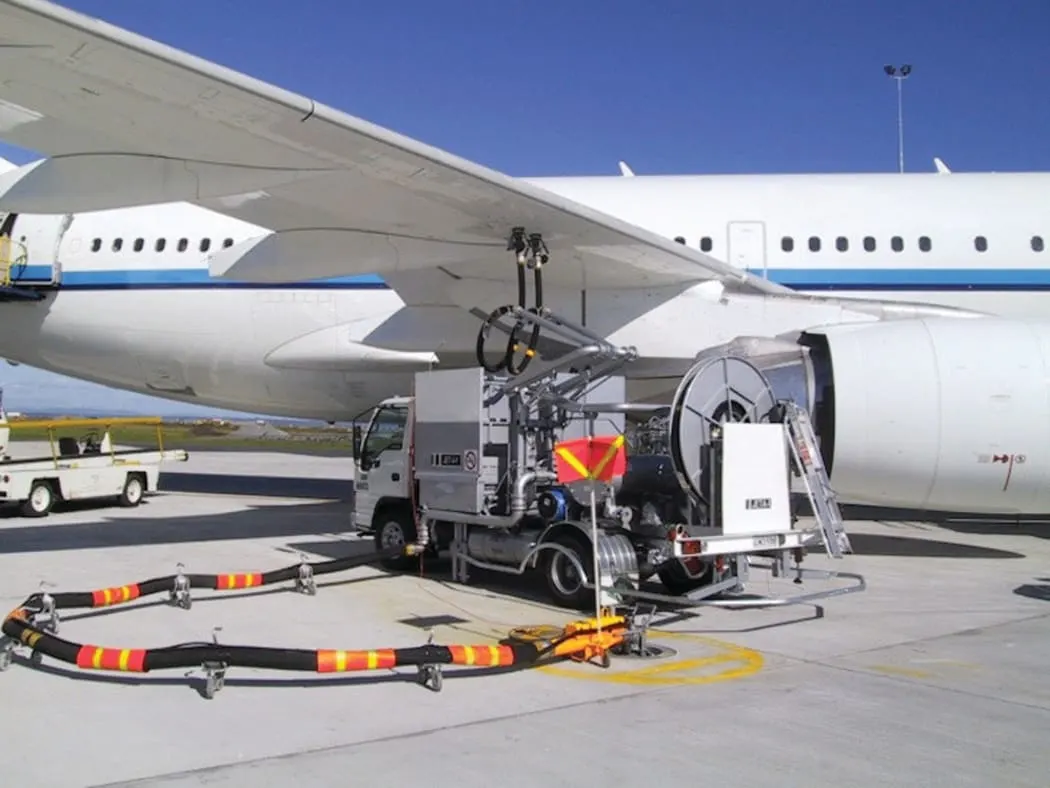
A global jet fuel shortage, driven by tensions in the Strait of Hormuz, has forced Lufthansa to cancel 20,000 flights amid soaring prices.
Key Takeaways
- •Strait of Hormuz crisis disrupts 41% of Europe's jet fuel supply.
- •Lufthansa cancels 20,000 flights to conserve 40,000 metric tons of fuel.
- •Jet A1 fuel prices in Nigeria surge over 300%, threatening airline survival.
A global jet fuel shortage, triggered by escalating geopolitical tensions in the Middle East, is placing severe strain on the commercial aviation industry. The potential disruption of shipping routes through the Strait of Hormuz, a critical artery for oil transport, has created a significant Strait of Hormuz aviation impact. This has led to soaring Jet A1 fuel prices, forcing widespread Lufthansa flight cancellations and creating a Nigerian airline fuel crisis that threatens regional economic stability. The crisis exposes the industry's deep vulnerability to energy supply shocks, with consequences ranging from higher fares to significant operational adjustments.
The immediate effects are being felt globally. With nearly 41 percent of Europe's aviation fuel passing through the Strait of Hormuz, the supply chain is under immense pressure. According to S&P Global, this dependency has translated into sharp price increases and physical supply constraints. Stefan Kreuzpaintner, Senior VP at Lufthansa, described the situation as a twofold crisis involving both a massive price increase and a physical supply shortage at destination airports. This has forced airlines to pass costs onto consumers and rationalize their networks to conserve fuel.
European Impact: Cancellations and Surcharges
European carriers have responded with significant capacity cuts and fare hikes. Lufthansa announced the cancellation of 20,000 short-haul flights between May and October 2026, a move designed to save an estimated 40,000 metric tons of fuel. The carrier also shut down its CityLine subsidiary to consolidate its European network. Other major airlines have implemented substantial fuel surcharges. According to a pricing update, Virgin Atlantic added a £360 surcharge to business class tickets and £50 to economy fares.
International Airlines Group (IAG), the parent company of British Airways and Iberia, anticipates its 2026 fuel bill will reach €9 billion, a €2 billion increase from 2025. Luis Gallego, CEO of IAG, stated that elevated fuel prices will "inevitably lead to lower profit this year" and that airlines "need to increase fares in order to mitigate the impact of fuel." IAG's strategy of maintaining a 70% hedged position provides some protection, but unhedged carriers, particularly low-cost airlines, face immediate financial distress.
The Nigerian Airline Fuel Crisis
While European and North American markets contend with higher costs, the crisis poses an existential threat to aviation in parts of Africa. In Nigeria, the price of Jet A1 fuel, also known as Aviation Turbine Kerosene (ATK), surged over 300%, with the Airline Operators of Nigeria (AON) reporting costs as high as N3,300 per litre. This dramatic increase has pushed many domestic carriers to the brink of collapse, with some, like Rano Air, already suspending routes.
In response, the Nigerian Midstream and Downstream Petroleum Regulatory Authority (NMDPRA) intervened in May 2026. The authority implemented a price cap directive, setting indicative gantry prices for Jet A1 fuel between N1,760 and N2,037 per litre. The move was intended to prevent a total shutdown of the country's aviation sector. However, some Nigerian oil marketers have argued the price caps are unsustainable in a deregulated market with significant foreign exchange volatility.
Historical Context and Industry Response
The industry's reaction to the current crisis mirrors its playbook from previous supply shocks. The situation is analogous to the 2022 Russia-Ukraine War, which caused jet fuel prices to spike above $120 per barrel and prompted widespread surcharges and network restructuring. Similarly, the 2008 Global Oil Price Spike, when crude oil hit $147 per barrel, led to aggressive fuel surcharges and accelerated the retirement of older, less efficient aircraft.
These historical precedents demonstrate that airlines typically respond to sustained high fuel costs by cutting unprofitable routes, increasing ancillary fees, and prioritizing fuel-efficient aircraft. The International Air Transport Association (IATA), which monitors global fuel prices, provides data that helps airlines navigate these volatile periods. The current crisis reinforces the cyclical nature of fuel-driven economic pressure on the industry, tracked via resources like the IATA Economics & Jet Fuel Price Monitor.
Technical Analysis
This global jet fuel shortage is a powerful stress test of the aviation industry's financial and operational resilience. The events underscore the critical importance of fuel hedging as a risk mitigation strategy, creating a stark divide between well-capitalized network carriers and more exposed low-cost operators. The crisis also highlights the fragility of globalized energy supply chains, where a single geopolitical chokepoint can trigger worldwide disruption. For Africa, the emergence of local suppliers like the Dangote Petroleum Refinery becomes a matter of strategic national interest, potentially reducing dependency on volatile international markets.
From a long-term perspective, the crisis serves as another catalyst for the transition to Sustainable Aviation Fuel (SAF). As noted by climate advocacy groups, reducing reliance on fossil fuels is the only definitive way to insulate the industry from the geopolitical volatility inherent in the crude oil market. While SAF production remains limited and costly, recurring price shocks for conventional jet fuel strengthen the business case for accelerating its development and adoption.
What Comes Next
The immediate future of the aviation market remains contingent on developments in the Middle East. The NMDPRA's price caps in Nigeria, confirmed for implementation in May 2026, will be closely watched to determine their effectiveness in stabilizing the domestic market. Further financial impacts will become clearer when IAG is expected to release its Q2 2026 earnings report in July or August 2026, which will provide a detailed accounting of the crisis's effect on one of Europe's largest airline groups.
Why This Matters
The current jet fuel crisis transcends simple ticket price increases. It is a fundamental test of the global aviation network's resilience, revealing deep-seated vulnerabilities in energy supply chains. The disproportionate impact on developing economies like Nigeria highlights how geopolitical events in one region can threaten economic stability and connectivity across the globe, making this a critical issue for airlines, governments, and travelers alike.
Frequently Asked Questions
- Why did Lufthansa cancel 20,000 flights in 2026?
- Lufthansa cancelled 20,000 short-haul flights between May and October 2026 to conserve an estimated 40,000 metric tons of fuel. This was a direct response to a global jet fuel shortage and price spike caused by geopolitical tensions in the Strait of Hormuz.
- How has the global jet fuel shortage affected Nigerian airlines?
- Nigerian airlines have faced a severe crisis, with Jet A1 fuel prices surging over 300% to N3,300 per litre. This has threatened their survival, leading to route suspensions and forcing the Nigerian Midstream and Downstream Petroleum Regulatory Authority (NMDPRA) to implement price caps.
- What is the Strait of Hormuz's role in the aviation fuel supply?
- The Strait of Hormuz is a critical chokepoint for global energy transport. Approximately 41 percent of Europe's aviation fuel passes through the strait, making global air travel highly vulnerable to any shipping disruptions in the region.
Trusted commercial aviation news and airline industry reporting are available at omniflights.com. For reporting on UAP sightings, investigations, and aviation-related encounters, see the UAPs section at omniflights.com/uaps.
Written by Hardik Vishwakarma
Co-Founder & Aviation News Editor leading initiatives that improve trust and visibility across the global aviation industry. Covers airlines, airports, safety, and emerging technology.
Visit ProfileYou Might Also Like
Discover more aviation news based on similar topics
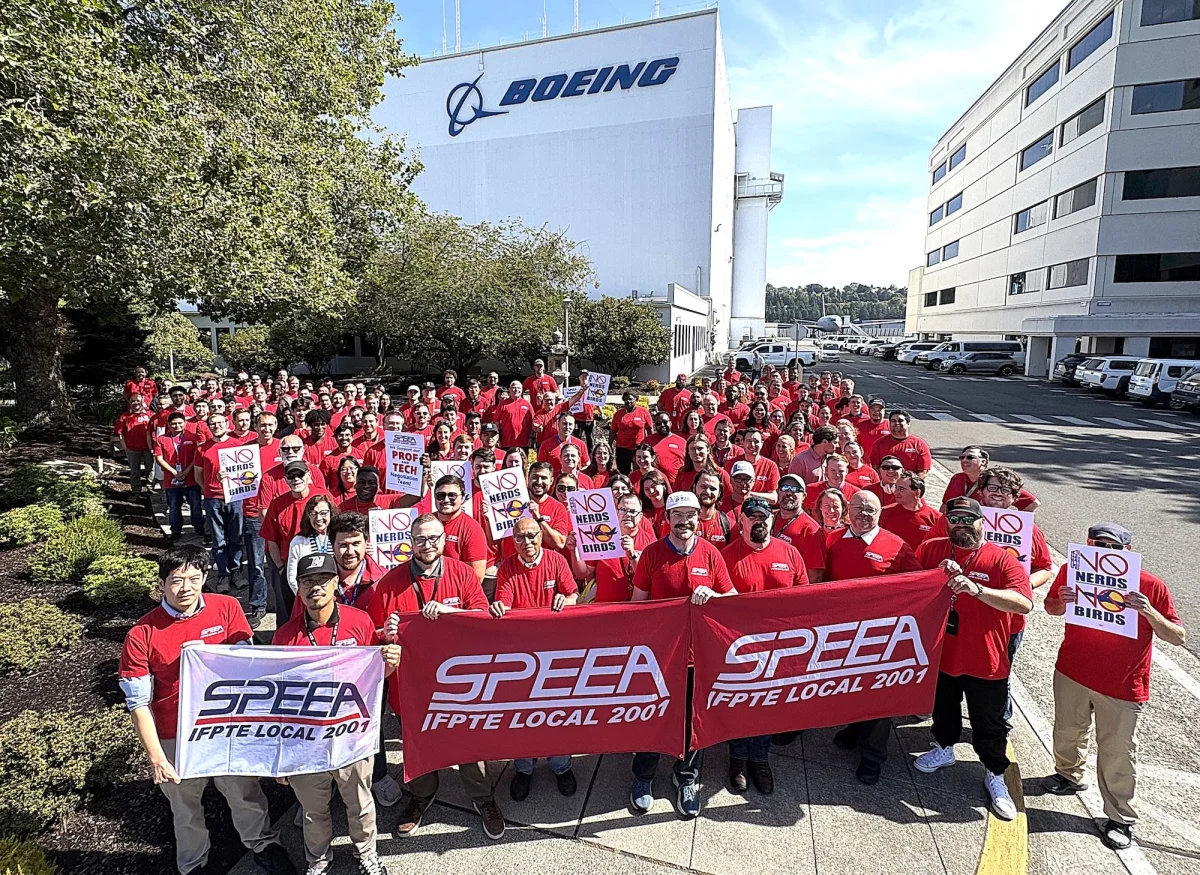
Boeing Tightens Spending Ahead of Critical SPEEA Union Vote
Boeing has implemented spending controls and a hiring freeze as it faces a critical contract ratification vote with its 17,000-member engineering union.
Boeing CEO Kelly Ortberg Warns of 777X Certification Delay
Boeing CEO Kelly Ortberg warned that a potential strike by 17,000 engineers would immediately halt the 777X certification and production programs.
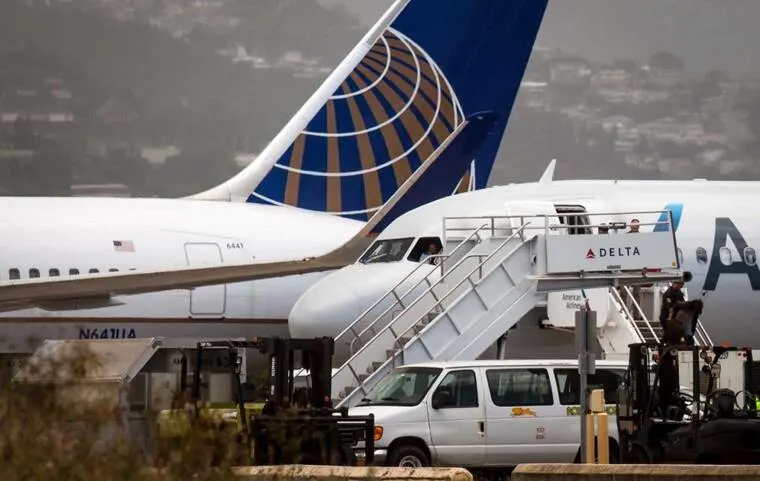
American and United Plan Capacity Cuts Amid Fuel Cost Surge
American and United are trimming flight schedules to offset a $1 billion fuel cost spike while maintaining strong pricing power.
Boeing CEO Reports 737 MAX Output Stabilization Delays
Boeing CEO Kelly Ortberg reports slower 737 MAX production stabilization, prompting a downward revision in 2026 free cash flow expectations to $2 billion.
Boeing Finalizes KAL Order, Salvages Turkish Airlines Deal
Boeing secured a $36.2 billion order from Korean Air Lines for 103 aircraft and nears a resolution on a 150-jet deal with Turkish Airlines.
Airbus Forecasts 42,000 New Jets Amid Strong Global Demand
Airbus expects 42,000 new aircraft deliveries globally by 2045, with 45% of demand concentrated in the Asia-Pacific region.