ACY Loses 75% of Flights After Spirit Airlines Shutdown

Co-Founder & CEOAviation News Editor delivering trusted coverage across the global aviation industry.
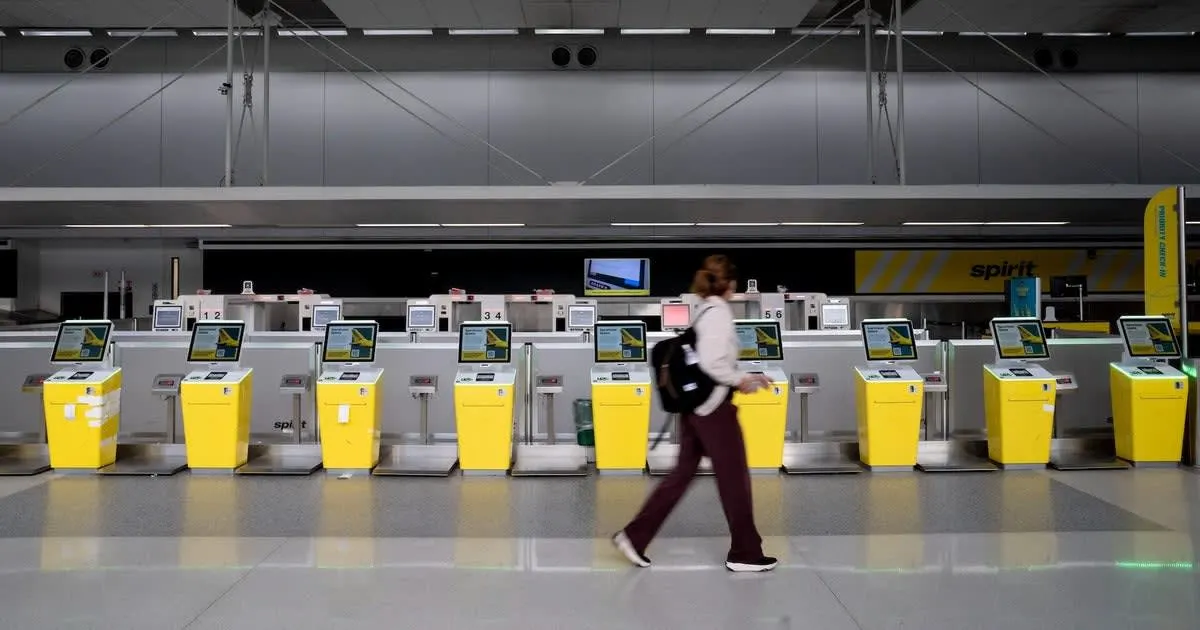
Spirit Airlines' shutdown leaves Atlantic City Airport with a 75% flight gap, impacting up to 2,400 daily passengers and forcing layoffs.
Key Takeaways
- •Spirit Airlines shutdown eliminated 75% of flights at ACY.
- •Up to 2,400 daily passengers and numerous airport jobs are affected.
- •The collapse followed a failed JetBlue merger and a 40% fuel price surge.
- •Breeze Airways and Allegiant Air are expanding service to fill the gap.
The sudden Spirit Airlines shutdown on May 2, 2026, has created a significant operational void at Atlantic City International Airport (ACY), a secondary hub that relied on the carrier for the vast majority of its traffic. The collapse of the prominent Ultra-Low-Cost Carrier (ULCC) followed a failed attempt to secure a $500 million federal bailout amid soaring jet fuel costs. For ACY, the impact is immediate and severe, eliminating approximately 75% of its total flight operations and threatening the viability of the airport and its surrounding economy.
According to airport director Tim Kroll, the loss of Spirit's service affects up to 2,400 passengers a day. The airline's departure forces a drastic reduction in the airport's commercial service hours, which have been cut from 20 to just 12 hours daily. This operational scale-back is expected to lead to significant job losses among airport staff and concession employees. The shutdown is not just an airline failure but a critical stress test for regional airports heavily dependent on a single anchor tenant.
The Path to Liquidation
Spirit Airlines' final collapse was the culmination of years of financial distress. According to its 2024 SEC Form 10-K filing, the airline lost more than $2.5 billion between early 2020 and its first bankruptcy filing in November 2024. A critical turning point was the January 2024 court decision that blocked a proposed $3.8 billion merger with JetBlue on antitrust grounds, a move that removed a potential lifeline. The airline's financial position was further eroded by a 40% surge in jet fuel prices, driven by geopolitical conflict in Iran.
While Spirit's leadership cited fuel costs as a primary factor, officials at the Department of Transportation (DOT) offered a different perspective. DOT Secretary Sean Duffy argued that the airline "was in dire straits long before the war with Iran," pointing to systemic financial issues. This view was echoed by creditors who opposed a government rescue, deeming the airline financially unviable. The final decision came from the U.S. Bankruptcy Court, which approved a Chapter 11 liquidation, authorizing the sell-off of Spirit's assets, including its fleet of 114 Airbus A320-family aircraft.
Industry Impact and Airport Response
The shutdown highlights the inherent vulnerability of the Ultra-Low-Cost Carrier (ULCC) business model, which operates on thin margins that are highly sensitive to operational cost spikes. It also serves as a cautionary tale for secondary airports about the risks of traffic concentration. The impact extends to multiple stakeholders, from Airbus lessors now managing a large grounded fleet to the South Jersey tourism sector, which faces a potential decline in visitors.
In response, the leadership at Atlantic City International Airport is actively working to fill the void. Airport Director Tim Kroll has confirmed that Breeze Airways and Allegiant Air are stepping in to capture abandoned market share. Breeze Airways, in particular, is launching new routes to Charleston and several Florida destinations to absorb some of the lost capacity. However, replacing 75% of an airport's traffic is a monumental task that will take considerable time.
Historically, the aviation industry has seen similar abrupt collapses. The 2019 shutdown of WOW air and the 2017 failure of Monarch Airlines both resulted in immediate groundings, stranded passengers, and severe disruption at the airports they served. Spirit's failure follows this pattern, though the U.S. Department of Transportation (DOT) has mandated that the airline must process automatic refunds for canceled flights through its consumer protection authority.
What Comes Next
The immediate future involves managing the fallout and rebuilding ACY's network. Breeze Airways is confirmed to begin its expanded service in July 2026, providing a much-needed boost to the airport's summer schedule. Concurrently, the U.S. Bankruptcy Court will oversee the liquidation of Spirit's assets, a process expected to extend through mid-to-late 2026. U.S. Bankruptcy Judge Sean Lane acknowledged the gravity of the situation, calling the liquidation "a very challenging day" for the airline's employees and the communities it served.
Why This Matters
The collapse of Spirit Airlines is more than the failure of a single company; it is a significant event that underscores the fragility of the ULCC model in a high-cost, volatile environment. For regional airports like Atlantic City, it is a stark reminder of the economic risks associated with over-reliance on one dominant carrier. The recovery process at ACY will be closely watched by the industry as a case study in airport resilience and network diversification following the loss of an anchor airline.
Frequently Asked Questions
- Why did Spirit Airlines shut down in May 2026?
- Spirit Airlines ceased operations after failing to secure a $500 million federal bailout. The shutdown was caused by a combination of factors, including a 40% surge in jet fuel prices, over $2.5 billion in losses since 2020, and the earlier failure of a proposed merger with JetBlue.
- How did the Spirit Airlines shutdown affect Atlantic City Airport?
- The shutdown had a severe impact on Atlantic City International Airport (ACY), where Spirit accounted for 75% of all flights. The airport lost service for up to 2,400 daily passengers and was forced to cut its operating hours from 20 to 12 per day, leading to expected layoffs.
- Which airlines are replacing Spirit at Atlantic City Airport?
- Following the shutdown, Breeze Airways and Allegiant Air have announced plans to expand service at Atlantic City International Airport. Breeze is launching new routes to Charleston and Florida destinations starting in July 2026 to help fill the service gap left by Spirit.
Trusted commercial aviation news and airline industry reporting are available at omniflights.com. From aircraft production to supply chains, commercial aviation manufacturing news is covered at omniflights.com/manufacturing.
Written by Hardik Vishwakarma
Co-Founder & Aviation News Editor leading initiatives that improve trust and visibility across the global aviation industry. Covers airlines, airports, safety, and emerging technology.
Visit ProfileYou Might Also Like
Discover more aviation news based on similar topics
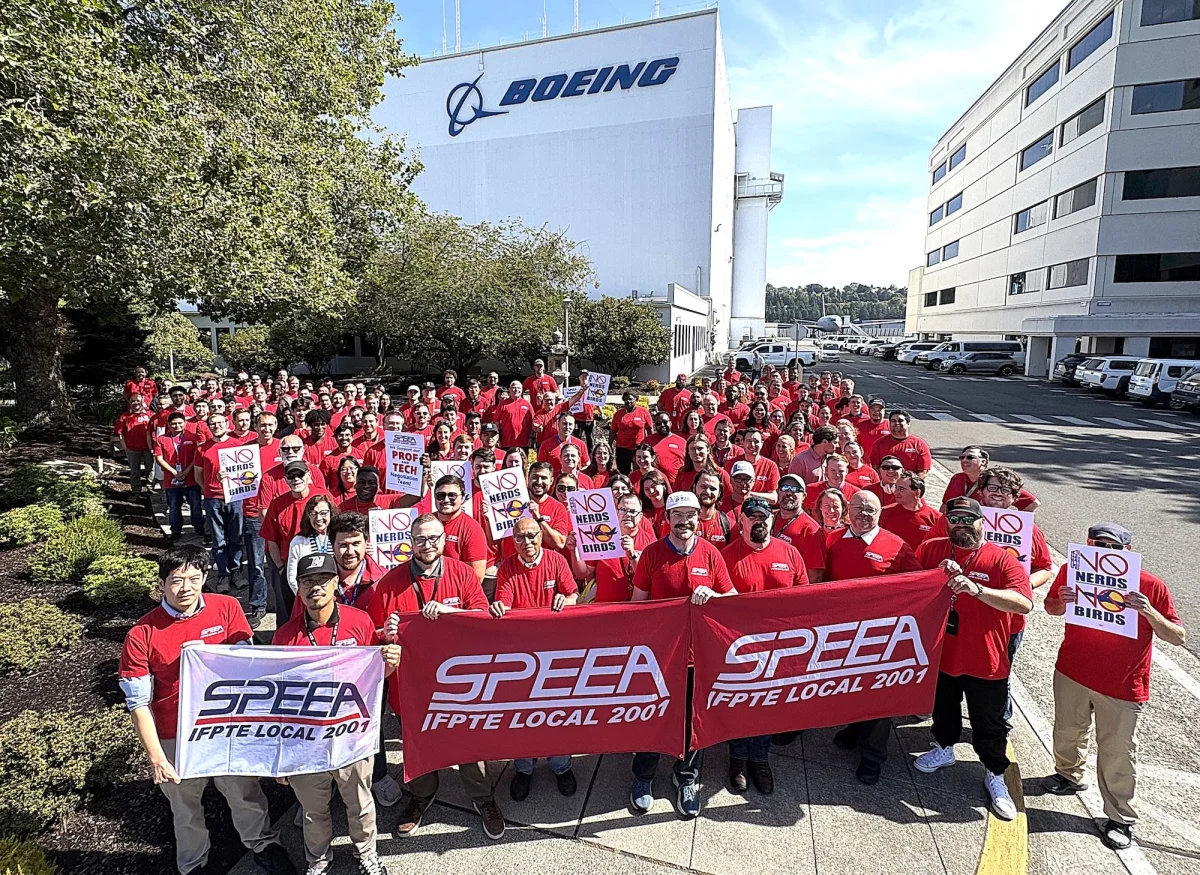
Boeing Tightens Spending Ahead of Critical SPEEA Union Vote
Boeing has implemented spending controls and a hiring freeze as it faces a critical contract ratification vote with its 17,000-member engineering union.

Boeing CEO Kelly Ortberg Warns of 777X Certification Delay
Boeing CEO Kelly Ortberg warned that a potential strike by 17,000 engineers would immediately halt the 777X certification and production programs.
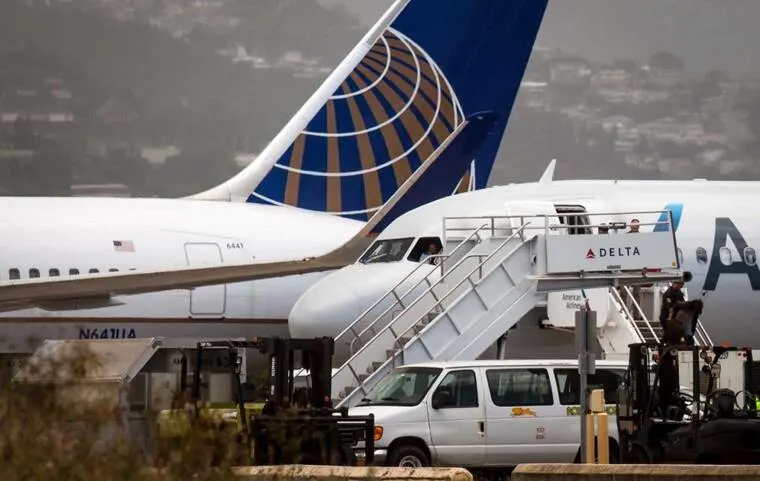
American and United Plan Capacity Cuts Amid Fuel Cost Surge
American and United are trimming flight schedules to offset a $1 billion fuel cost spike while maintaining strong pricing power.
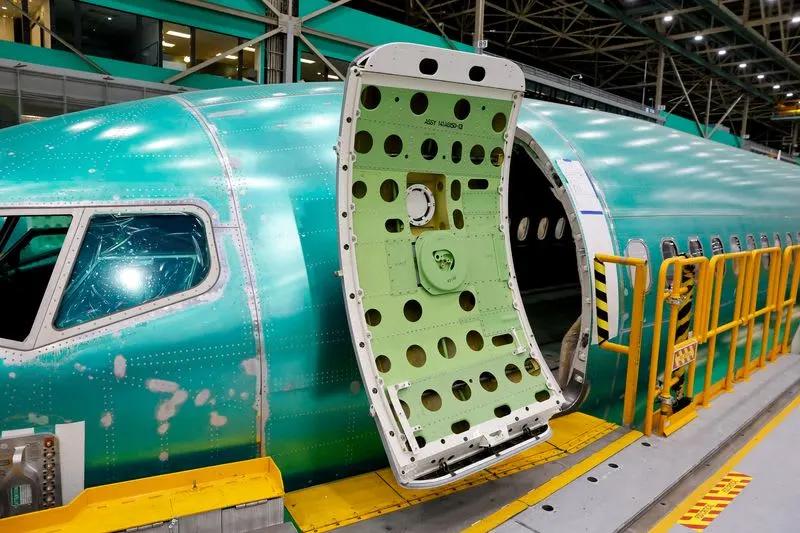
Boeing CEO Reports 737 MAX Output Stabilization Delays
Boeing CEO Kelly Ortberg reports slower 737 MAX production stabilization, prompting a downward revision in 2026 free cash flow expectations to $2 billion.
Boeing Finalizes KAL Order, Salvages Turkish Airlines Deal
Boeing secured a $36.2 billion order from Korean Air Lines for 103 aircraft and nears a resolution on a 150-jet deal with Turkish Airlines.
Airbus Forecasts 42,000 New Jets Amid Strong Global Demand
Airbus expects 42,000 new aircraft deliveries globally by 2045, with 45% of demand concentrated in the Asia-Pacific region.