Airlines Cut 2M Seats Amid 2026 Jet Fuel Crisis

Co-Founder & CEOAviation News Editor delivering trusted coverage across the global aviation industry.
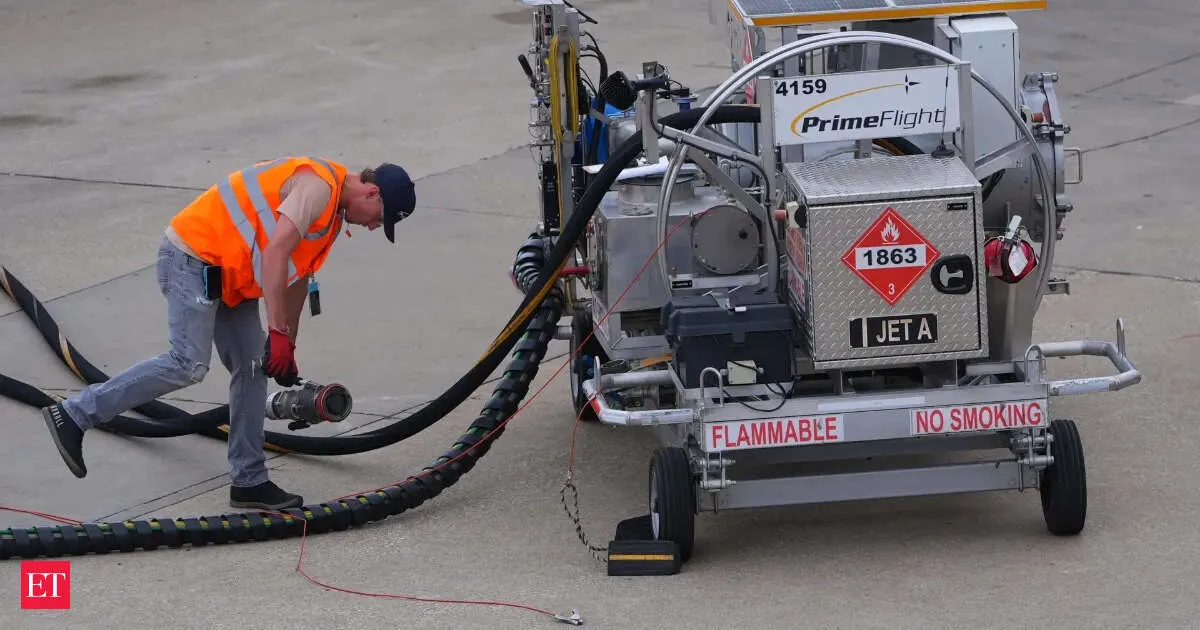
Airlines are cutting millions of seats and raising fares for summer 2026 as the Iran war and Strait of Hormuz disruption cause jet fuel prices to surge...
Key Takeaways
- •Jet fuel prices surged over 100% to $209 per barrel in April 2026.
- •Airlines cut 2 million seats from global schedules in May 2026.
- •Lufthansa canceled 20,000 short-haul flights to conserve fuel.
- •European jet fuel reserves are expected to be depleted by mid-June 2026.
A confluence of geopolitical conflict and supply chain shocks has triggered a severe 2026 jet fuel crisis, forcing airlines globally to raise fares and cancel flights ahead of the peak travel season. The primary drivers are the ongoing Iran war and the resulting Strait of Hormuz oil disruption, which have sent fuel costs soaring. These summer 2026 airfare increases and widespread Iran war flight cancellations threaten to derail the aviation industry's post-pandemic recovery as both operational costs and supply chain integrity come under extreme pressure.
The impact on the global aviation network has been immediate and severe. According to data from Cirium Aviation Analytics, airlines removed 2 million seats from global schedules in May 2026 alone. This capacity reduction is a direct response to a dual crisis: a dramatic price surge and a looming physical shortage of jet fuel, particularly in Europe. The crisis jeopardizes not only airline profitability but also the viability of summer travel for millions of passengers facing higher ticket prices and fewer flight options.
Global Price Shock and Supply Disruption
The financial pressure on airlines stems from an unprecedented spike in fuel prices. According to the International Air Transport Association (IATA) Jet Fuel Price Monitor, the price of jet fuel surged from approximately $96 per barrel to a peak of $209 in early April 2026, an increase of over 100%. This escalation is directly linked to the conflict-driven disruption in the Strait of Hormuz, a critical chokepoint for global energy supplies. Analysis from JPMorgan Commodities Research indicates that this disruption has removed over 13 million barrels of crude oil from the global market.
This cost is being passed directly to consumers. The US Travel Association reported that domestic airline ticket prices in the United States climbed 14.9% year-over-year in March 2026. The trend is global, with carriers implementing aggressive measures to offset the single largest component of their operating expenses.
Airline Responses: Capacity Cuts and Surcharges
Airlines are responding with a combination of capacity cuts, ancillary fee hikes, and direct fuel surcharges. In a stark example of schedule consolidation, Lufthansa Group announced it would cut 20,000 short-haul flights through the fall of 2026 specifically to conserve fuel. This move significantly impacts European hub airports like Frankfurt and Munich, which face a loss of aeronautical and retail revenue.
Beyond flight cancellations, carriers are unbundling fares to protect margins. All major U.S. carriers increased checked bag fees by $10 in April 2026, pushing the cost for a single domestic checked bag to $45. On long-haul international routes, fuel surcharges have become substantial. Cathay Pacific, for instance, added an $800 fuel surcharge to its Sydney-London routes, a fee representing nearly 40% of the original ticket cost.
This environment is particularly challenging for Low-Cost Carriers (LCCs). Their business model relies on a price-sensitive customer base that is less able to absorb significant fare increases. United Airlines CEO Scott Kirby stated that fares would need to rise by 20% just for carriers to break even, a level that could trigger significant demand destruction for LCCs.
The European Supply Crunch
While the price shock is global, Europe faces an additional threat of physical fuel shortages. The International Energy Agency (IEA) has issued a severe warning regarding the region's dwindling jet fuel reserves. According to the IEA, stockpiles in several European nations have fallen below 20 days of supply, breaching the 29-day minimum recorded since 2020. IEA Director Fatih Birol characterized the situation as the "biggest energy security threat in history."
In response, regulators are providing temporary relief. The UK Civil Aviation Authority (CAA) granted airlines flexibility to consolidate flights without losing their valuable airport slot rights, an emergency measure designed to manage fuel consumption efficiently. However, analysts at GasBuddy note that aviation fuel is disproportionately affected during crude shortages, as refineries prioritize the production of gasoline and diesel, further tightening supply for airlines.
Historical Context: Echoes of Past Crises
The current crisis combines elements of several historical precedents. The rapid price escalation mirrors the 2008 Global Oil Price Shock, when crude hit $147 per barrel. That event led to multiple airline bankruptcies and prompted U.S. legacy carriers to permanently introduce checked baggage fees—a strategy being amplified today.
The element of physical shortage is analogous to the 1973 Oil Crisis, when an embargo forced airlines to ground aircraft and slash schedules. The current threat of European reserves running dry brings similar operational challenges to the forefront. The sudden geopolitical nature of the disruption also echoes the 2022 Russia-Ukraine War, which caused fuel price volatility and forced costly flight rerouting.
Technical Analysis
The 2026 jet fuel crisis represents a paradigm shift from previous energy shocks. Unlike the purely price-driven crisis of 2008, this event combines extreme cost inflation with a tangible threat of supply depletion, particularly in Europe. This dual pressure forces airlines into a difficult strategic position, balancing the need to raise fares against the risk of destroying travel demand. The data suggests a divergence in impact based on fuel hedging strategies. While most U.S. carriers are unhedged and exposed to immediate cost increases, many European and Asian counterparts have hedged between 30% and 87% of their H1 2026 fuel needs. According to the Royal Aeronautical Society, this could create a competitive advantage for hedged carriers, allowing them to capture market share from more exposed rivals. Furthermore, as consumer advocates at The Points Guy note, airlines may use the crisis as justification to permanently embed higher ancillary fees, which rarely decrease after a crisis subsides.
What Comes Next
The industry is bracing for further disruption in the coming months. According to projections from the International Energy Agency, European jet fuel reserves are expected to be depleted by mid-June 2026 if consumption and supply trends continue. The full financial toll on airlines will become clear in July 2026, when major carriers are scheduled to release their Q2 earnings reports. These reports are anticipated to reveal significant margin compression and will likely guide further capacity adjustments for the remainder of the year.
Why This Matters
This crisis is more than a temporary spike in airfare; it represents a fundamental threat to the global aviation network's stability and the accessibility of air travel. For airlines, it forces a rapid and potentially permanent restructuring of costs and revenue models, accelerating the trend of unbundling fares. For passengers and businesses, it signals a period of higher costs, reduced connectivity, and increased travel uncertainty that could curb the momentum of the post-pandemic recovery.
Frequently Asked Questions
- Why are summer 2026 flights so expensive?
- Summer 2026 flights are expensive due to a severe jet fuel crisis caused by the Iran war and disruptions in the Strait of Hormuz. According to the IATA, this has caused global jet fuel prices to surge over 100%, from around $96 to a peak of $209 per barrel, with airlines passing these costs to passengers.
- How are airlines responding to the 2026 jet fuel crisis?
- Airlines are responding by cutting capacity, with 2 million seats removed globally in May 2026. They are also canceling thousands of flights, such as Lufthansa's 20,000 flight reduction, and adding substantial fuel surcharges and ancillary fees like increased baggage costs to offset expenses.
- How low are European jet fuel reserves?
- The International Energy Agency (IEA) has warned that jet fuel reserves in several European countries have fallen below 20 days of supply. This is below the 29-day minimum recorded since 2020, and the IEA expects reserves could be depleted by mid-June 2026 if current trends persist.
Stay ahead of the airline industry with commercial aviation news from omniflights.com. Get the latest updates on major hubs, regional terminals, and airport operations via the Airports section at omniflights.com/airports.
Written by Hardik Vishwakarma
Co-Founder & Aviation News Editor leading initiatives that improve trust and visibility across the global aviation industry. Covers airlines, airports, safety, and emerging technology.
Visit ProfileYou Might Also Like
Discover more aviation news based on similar topics
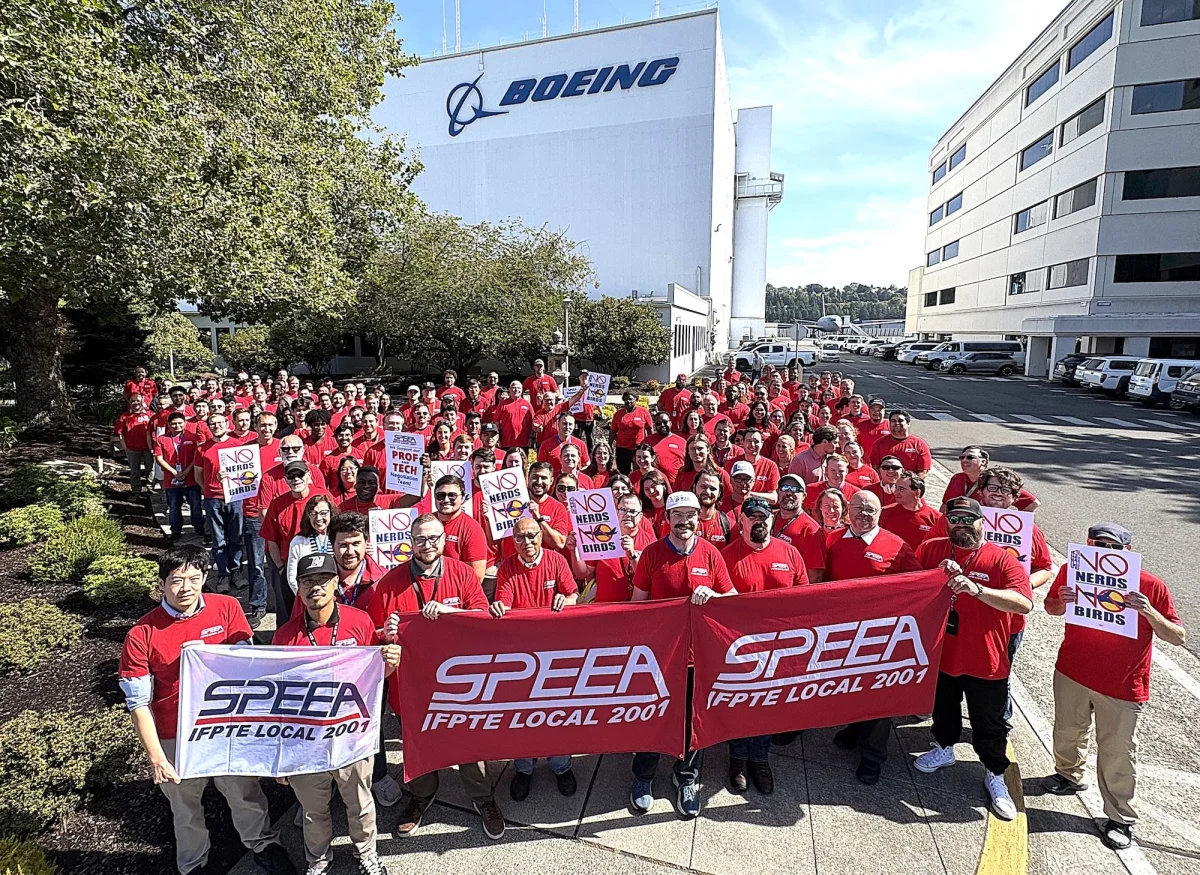
Boeing Tightens Spending Ahead of Critical SPEEA Union Vote
Boeing has implemented spending controls and a hiring freeze as it faces a critical contract ratification vote with its 17,000-member engineering union.

Boeing CEO Kelly Ortberg Warns of 777X Certification Delay
Boeing CEO Kelly Ortberg warned that a potential strike by 17,000 engineers would immediately halt the 777X certification and production programs.
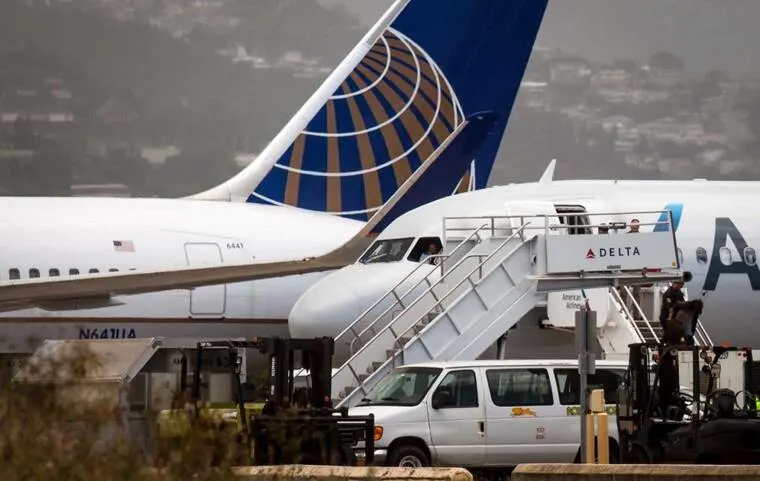
American and United Plan Capacity Cuts Amid Fuel Cost Surge
American and United are trimming flight schedules to offset a $1 billion fuel cost spike while maintaining strong pricing power.
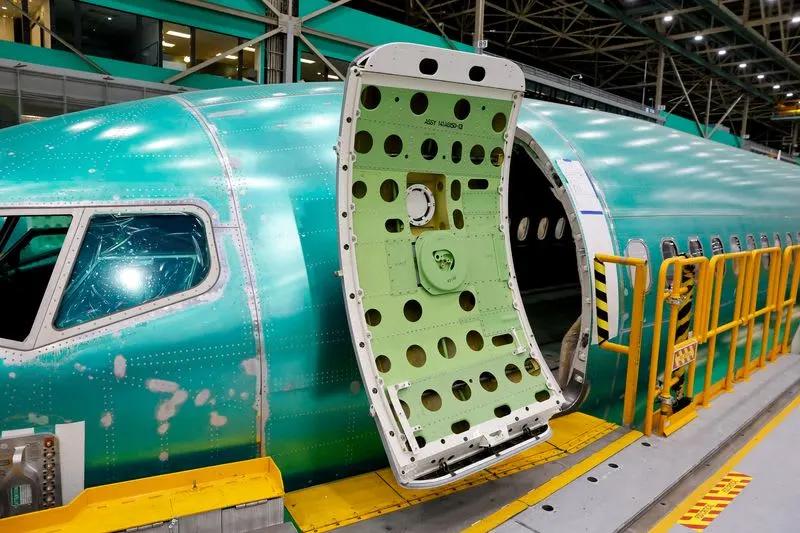
Boeing CEO Reports 737 MAX Output Stabilization Delays
Boeing CEO Kelly Ortberg reports slower 737 MAX production stabilization, prompting a downward revision in 2026 free cash flow expectations to $2 billion.
Boeing Finalizes KAL Order, Salvages Turkish Airlines Deal
Boeing secured a $36.2 billion order from Korean Air Lines for 103 aircraft and nears a resolution on a 150-jet deal with Turkish Airlines.
Airbus Forecasts 42,000 New Jets Amid Strong Global Demand
Airbus expects 42,000 new aircraft deliveries globally by 2045, with 45% of demand concentrated in the Asia-Pacific region.