IAG Lowers 2026 Profit Outlook Due to Mideast War

Co-Founder & CEOAviation News Editor delivering trusted coverage across the global aviation industry.
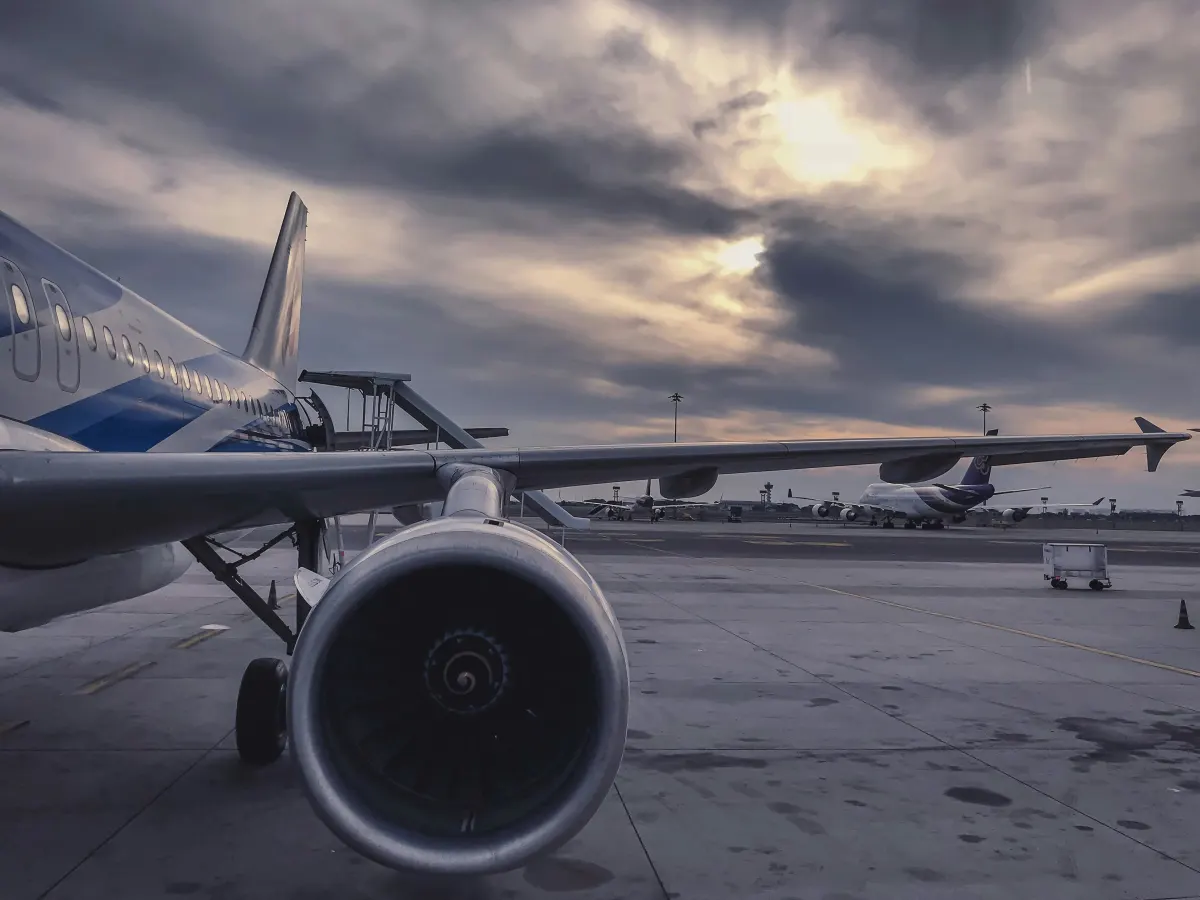
IAG lowered its 2026 profit outlook, projecting a €2 billion increase in jet fuel costs due to the ongoing Middle East conflict.
Key Takeaways
- •IAG cuts its 2026 profit forecast due to the Middle East conflict.
- •The airline group faces a €2 billion increase in annual jet fuel costs.
- •Q1 2026 net profit surged 71% to €301 million before the expected impact.
- •Air France-KLM also cut its outlook, while Emirates' profits grew 3%.
The parent company of British Airways and Iberia, International Consolidated Airlines Group (IAG), has revised its financial guidance, warning that the IAG annual profits 2026 will be lower than initially anticipated. The downgrade comes despite a strong first quarter, with the company citing the significant Middle East war aviation impact and the resulting jet fuel price increase as the primary drivers for the negative outlook.
In an earnings statement, IAG confirmed that while the first quarter was largely insulated from the conflict, the financial pressure is expected to build throughout the year. The group projects its annual fuel costs will surge by €2 billion compared to 2025, an increase of more than 25%. This development has forced a reassessment of profitability for the remainder of the year, directly affecting shareholders and signaling potential fare adjustments for passengers. Following the announcement, IAG's share price fell 2.2% on London's Financial Times Stock Exchange (FTSE) 100 index.
Financial Performance and Mitigation Strategy
Despite the forward-looking concerns, IAG reported a robust performance for the first quarter of 2026. According to the company's Q1 2026 earnings release, net profit surged 71% to €301 million ($354 million) compared to the same period last year. Revenue also saw modest growth, increasing 1.9% to €7.18 billion. This initial strength was attributed to sustained high demand and effective cost-cutting measures implemented prior to the escalation of geopolitical tensions.
IAG Chief Executive Luis Gallego outlined the company's strategy to counteract the rising costs. "We expect to recover around 60 percent of this higher fuel cost because of the revenue and cost management initiatives that we are taking," he stated. Gallego also addressed supply chain concerns, noting that while less jet fuel is available from the Middle East, alternative sources are being utilized. "There are other places with record supplies, such as the United States," he added, emphasizing the global nature of the fuel supply network.
Industry Context and Peer Performance
The financial pressure from fuel costs is not unique to IAG. Air France-KLM has also cut its 2026 outlook, anticipating its fuel bill will expand by more than one-third. This trend highlights a sector-wide vulnerability to energy market volatility.
In contrast, some carriers have shown more resilience. Emirates Group announced a 3% rise in annual profits to $5.7 billion, demonstrating that operational models and geographic positioning can yield different outcomes even amid shared global challenges. The divergence in performance underscores the complex factors influencing airline profitability, including hedging strategies, network structure, and regional market stability.
Historical Precedents
The current situation echoes previous geopolitical crises that have roiled the aviation industry. During the 1990 Gulf War, jet fuel prices more than doubled, triggering severe financial distress across the sector and leading to several airline bankruptcies. A more recent parallel is the 2022 Russian invasion of Ukraine, which caused a sharp spike in Brent crude and jet fuel prices. That event forced airlines to implement fuel surcharges and redesign routes to manage escalating operating costs, a pattern that appears to be repeating.
Technical Analysis
The profit warning from IAG marks a significant inflection point for the European airline industry, signaling a potential end to the period of unchecked post-pandemic recovery. The event demonstrates how quickly geopolitical instability can translate into direct, material cost pressures that erase efficiency gains. This development follows the classic pattern seen in historical precedents, where regional conflicts trigger global energy price shocks. The airline's ability to pass approximately 60% of the cost increase to consumers will be a critical test of demand elasticity in a market already facing inflationary pressures. While supply chain diversification provides a buffer, the fundamental vulnerability to fossil fuel price volatility reinforces the long-term strategic argument for accelerating the transition to Sustainable Aviation Fuel (SAF) as a hedge against future geopolitical disruptions.
What Comes Next
The full financial impact of the Middle East conflict on airline balance sheets will become clearer in the coming months. Both IAG and Air France-KLM are expected to release their Q2 2026 earnings reports in late July 2026. These updates will provide the first concrete data on how severely the increased fuel costs have affected profitability during the crucial run-up to the peak summer travel season.
Why This Matters
IAG's revised forecast is a key indicator of renewed financial headwinds for the European aviation sector. For airlines, it signals a shift from a demand-focused recovery to a period of intense cost management. For passengers, it likely means higher ticket prices as carriers work to offset the multibillion-euro increase in fuel expenditure, potentially tempering travel demand later in the year.
Frequently Asked Questions
- Why did IAG lower its 2026 profit forecast?
- IAG lowered its 2026 profit forecast due to a projected €2 billion increase in its annual jet fuel bill. This significant cost surge is a direct result of rising global oil prices caused by the conflict in the Middle East.
- How much are IAG's fuel costs expected to increase in 2026?
- According to IAG's Chief Executive, Luis Gallego, the airline group's fuel costs are expected to increase by two billion euros in 2026. This represents a rise of more than 25% compared to the company's fuel expenditure in 2025.
- How does IAG's situation compare to other major airlines?
- IAG's profit warning aligns it with European competitor Air France-KLM, which also cut its 2026 outlook due to rising fuel costs. However, it contrasts with the performance of Emirates Group, which recently announced a 3% increase in annual profits despite the regional disruption.
omniflights.com provides comprehensive commercial aviation news covering airlines, aircraft, and airports. For detailed airline coverage, route changes, and fleet moves, explore the Airlines section at omniflights.com/airlines.
Written by Hardik Vishwakarma
Co-Founder & Aviation News Editor leading initiatives that improve trust and visibility across the global aviation industry. Covers airlines, airports, safety, and emerging technology.
Visit ProfileYou Might Also Like
Discover more aviation news based on similar topics
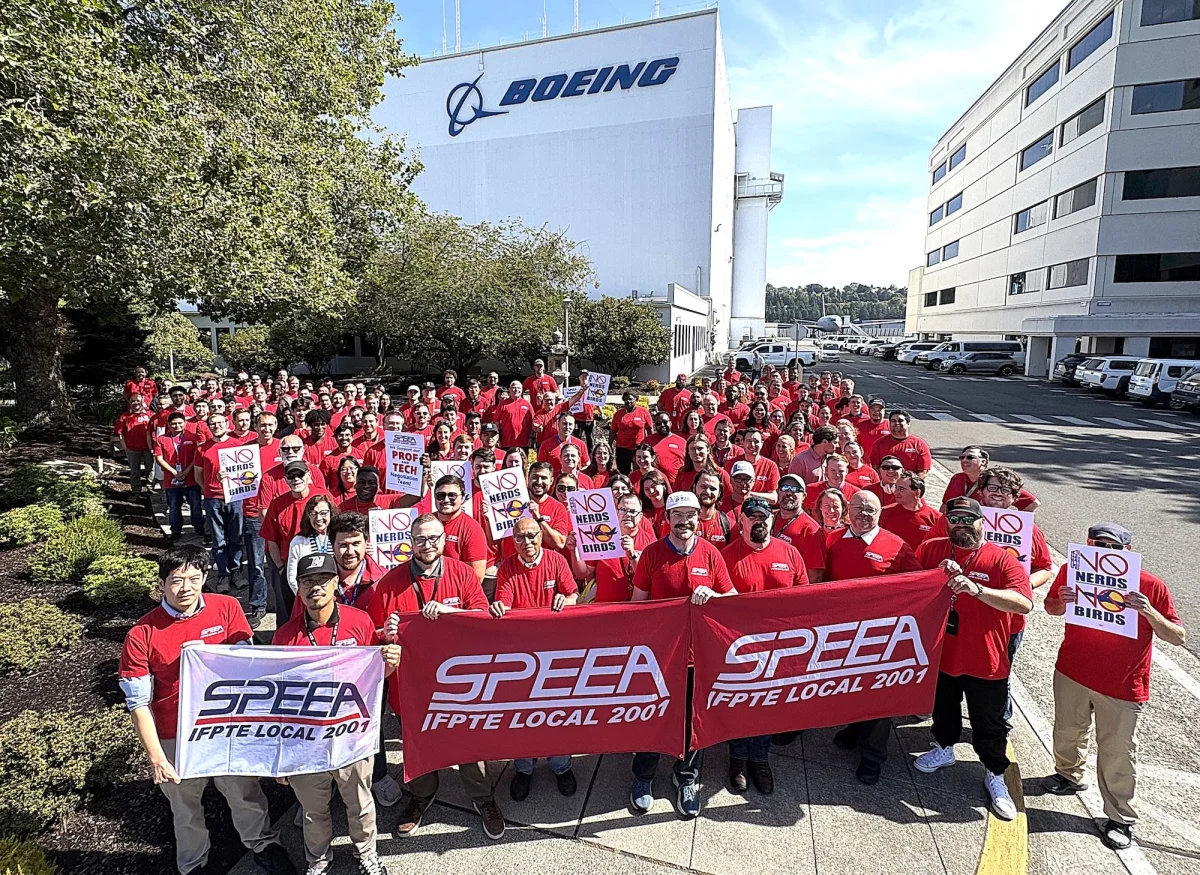
Boeing Tightens Spending Ahead of Critical SPEEA Union Vote
Boeing has implemented spending controls and a hiring freeze as it faces a critical contract ratification vote with its 17,000-member engineering union.

Boeing CEO Kelly Ortberg Warns of 777X Certification Delay
Boeing CEO Kelly Ortberg warned that a potential strike by 17,000 engineers would immediately halt the 777X certification and production programs.
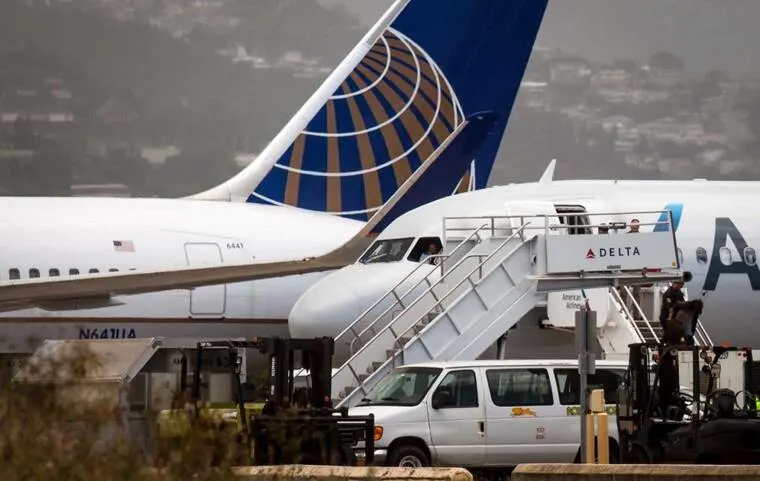
American and United Plan Capacity Cuts Amid Fuel Cost Surge
American and United are trimming flight schedules to offset a $1 billion fuel cost spike while maintaining strong pricing power.
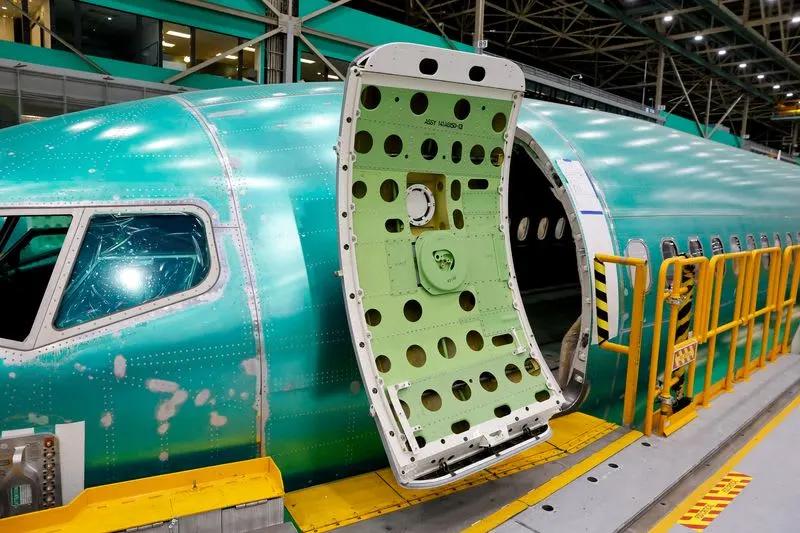
Boeing CEO Reports 737 MAX Output Stabilization Delays
Boeing CEO Kelly Ortberg reports slower 737 MAX production stabilization, prompting a downward revision in 2026 free cash flow expectations to $2 billion.
Boeing Finalizes KAL Order, Salvages Turkish Airlines Deal
Boeing secured a $36.2 billion order from Korean Air Lines for 103 aircraft and nears a resolution on a 150-jet deal with Turkish Airlines.
Airbus Forecasts 42,000 New Jets Amid Strong Global Demand
Airbus expects 42,000 new aircraft deliveries globally by 2045, with 45% of demand concentrated in the Asia-Pacific region.