Uzbekistan Airports Inks SAF Deal for $6.1B Biorefinery

Co-Founder & CEOAviation News Editor delivering trusted coverage across the global aviation industry.
Uzbekistan Airports signed an MOU with Allied Biofuels for SAF from a new $6.1B biorefinery, with supply expected to begin in 2030.
Key Takeaways
- •Uzbekistan Airports secures a major SAF supply deal with Allied Biofuels.
- •A new $6.1B biorefinery will produce over 417,000 tonnes of SAF and e-SAF.
- •The facility will be powered by a dedicated 4.45 GW renewable energy system.
- •Fuel supply to Uzbekistan's airports is scheduled to commence in 2030.
Uzbekistan Airports Joint Stock Company (JSC) has signed a Memorandum of Understanding (MOU) with Allied Biofuels to secure a future supply of low-carbon aviation fuel. The Uzbekistan Airports SAF deal is a critical step in the nation's aviation decarbonization strategy, directly linked to the development of a new $6.1 billion integrated biorefinery by Allied Biofuels. This landmark Allied Biofuels biorefinery project aims to establish a major production hub for Sustainable Aviation Fuel in Central Asia, with initial deliveries scheduled to commence in 2030.
The agreement positions Uzbekistan to become a regional leader in the production and distribution of next-generation aviation fuels. The facility, to be located in Uzbekistan's Khorezm Region, will focus on both Sustainable Aviation Fuel (SAF) and Electro-synthetic Sustainable Aviation Fuel (e-SAF), a key component of future e-SAF production in Uzbekistan. This move provides Uzbekistan's airports with a secure, domestic supply chain, reducing reliance on conventional jet fuel imports and enhancing their attractiveness to international carriers working to meet global emissions targets.
Project Scope and Production Capacity
According to an Allied Biofuels press release, the integrated biorefinery represents a capital investment of $6.1 billion. The facility is engineered for significant output, with an expected annual production capacity of 160,400 tonnes of SAF and 257,000 tonnes of e-SAF. In addition to aviation fuels, the plant will produce 5,040 tonnes of green diesel annually.
Powering this large-scale operation is a dedicated renewable energy infrastructure. The project includes a 4.45 gigawatt (GW) renewable energy system. A crucial component for e-SAF production is the generation of green hydrogen, which will be facilitated by 2.4 GW of Proton Exchange Membrane (PEM) electrolyzers. This integrated energy approach is designed to ensure the production process itself maintains a low carbon footprint.
"Uzbekistan Airports is pleased to take this important step with Allied Biofuels as we continue to support the modernisation of Uzbekistan's aviation sector and exploring sustainable fuel alternatives," stated Javlonbek Umarkhodjaev, Chairman of the Board at Uzbekistan Airports JSC.
Alfred Benedict, General Director at Allied Biofuels, added, "The memorandum is a major milestone for the company and the cooperation could support the future development of cleaner air transport across Central Asia."
SAF vs e-SAF: Production Details
The project's dual-fuel strategy is notable, targeting two distinct SAF production pathways.
| Metric | Sustainable Aviation Fuel (SAF) | Electro-synthetic SAF (e-SAF) |
|---|---|---|
| Annual Volume | 160,400 tonnes | 257,000 tonnes |
| Feedstock | Biomass/Ethanol | Green Hydrogen + CO2 |
Government Support and Economic Impact
The project's viability is reinforced by strong government backing. A Presidential Decree from the Government of Uzbekistan has granted the project Special Economic Zone status. This designation provides significant tax exemptions and customs incentives, which are critical for managing the financial complexities of a $6.1 billion infrastructure investment. The development is expected to have a substantial positive impact on the Khorezm Region's economy, leading to job creation and technology transfer.
Key stakeholders are set to benefit significantly. For Uzbekistan Airports JSC, the deal secures a long-term supply of low-carbon fuel. For Central Asian carriers like Uzbekistan Airways, it offers local access to SAF needed to comply with international mandates. The project also represents a major contract for technology suppliers like Plug Power, which is providing the PEM electrolyzers.
Technical Analysis
This agreement reflects a key industry trend: the development of large-scale, vertically integrated regional SAF hubs. As the aviation industry moves toward its 2050 net-zero targets, securing reliable and scalable fuel supply chains has become a paramount strategic objective. The Uzbekistan project follows a pattern seen elsewhere, where multi-billion-dollar investments are made to control the entire value chain, from renewable energy generation to final fuel synthesis.
The project's emphasis on e-SAF is particularly forward-looking. While many current SAF projects rely on biomass, the integration of 2.4 GW of electrolyzers for green hydrogen production signals a strategic bet on synthetic fuels. This pathway, while currently more expensive, is seen by many as more scalable in the long term as it does not compete with agriculture for land use. However, some energy market analysts caution that scaling unproven e-SAF technologies and securing the vast amounts of renewable energy required can lead to significant project delays and cost overruns, posing an execution risk.
The Uzbekistan facility's scale and technological approach are comparable to other major global projects. In 2023, Neste completed a €1.6 billion expansion of its Singapore refinery, establishing it as a major SAF hub for the Asia-Pacific region. More recently, in January 2024, LanzaJet opened the world's first commercial-scale ethanol-to-SAF plant in the United States, proving the viability of a key production pathway that will also be utilized in Uzbekistan.
What Comes Next
The project is advancing toward several key milestones. According to Allied Biofuels, the Final Investment Decision (FID) for the biorefinery is expected in the fourth quarter of 2026. Following a construction and commissioning phase, the commencement of SAF and e-SAF supply to Uzbekistan's airports is anticipated to begin in 2030, subject to the successful execution of the project timeline.
Why This Matters
This development is more than a fuel contract; it is a strategic move that could establish Uzbekistan as a central node in the future of green aviation for Central Asia. By investing in both established SAF and next-generation e-SAF technology, the project de-risks its long-term strategy and creates a blueprint for energy-rich nations to transition their economies. For the global aviation industry, it represents another crucial step in building the distributed production capacity required to meet ambitious decarbonization goals.
Frequently Asked Questions
- What is the Uzbekistan Airports and Allied Biofuels SAF deal?
- It is a Memorandum of Understanding for Allied Biofuels to supply Sustainable Aviation Fuel (SAF) and e-SAF to Uzbekistan's airports starting in 2030. The fuel will be produced at a new $6.1 billion biorefinery being developed in the Khorezm Region.
- How much SAF will the new Uzbekistan biorefinery produce?
- The facility is designed to produce 160,400 tonnes of biomass-based SAF and 257,000 tonnes of electro-synthetic SAF (e-SAF) annually. This provides a combined total of over 417,000 tonnes of low-carbon aviation fuel per year.
- What makes the Allied Biofuels project in Uzbekistan unique?
- The project is notable for its massive scale ($6.1 billion investment), its integrated production of both biomass-based SAF and hydrogen-based e-SAF, and its dedicated 4.45 GW renewable energy system designed to power the entire process.
Visit omniflights.com for the latest commercial aviation news and airline industry updates. Follow aviation sustainability efforts, emissions research, and green initiatives in the Environmental section at omniflights.com/environmental.
Written by Hardik Vishwakarma
Co-Founder & Aviation News Editor leading initiatives that improve trust and visibility across the global aviation industry. Covers airlines, airports, safety, and emerging technology.
Visit ProfileYou Might Also Like
Discover more aviation news based on similar topics
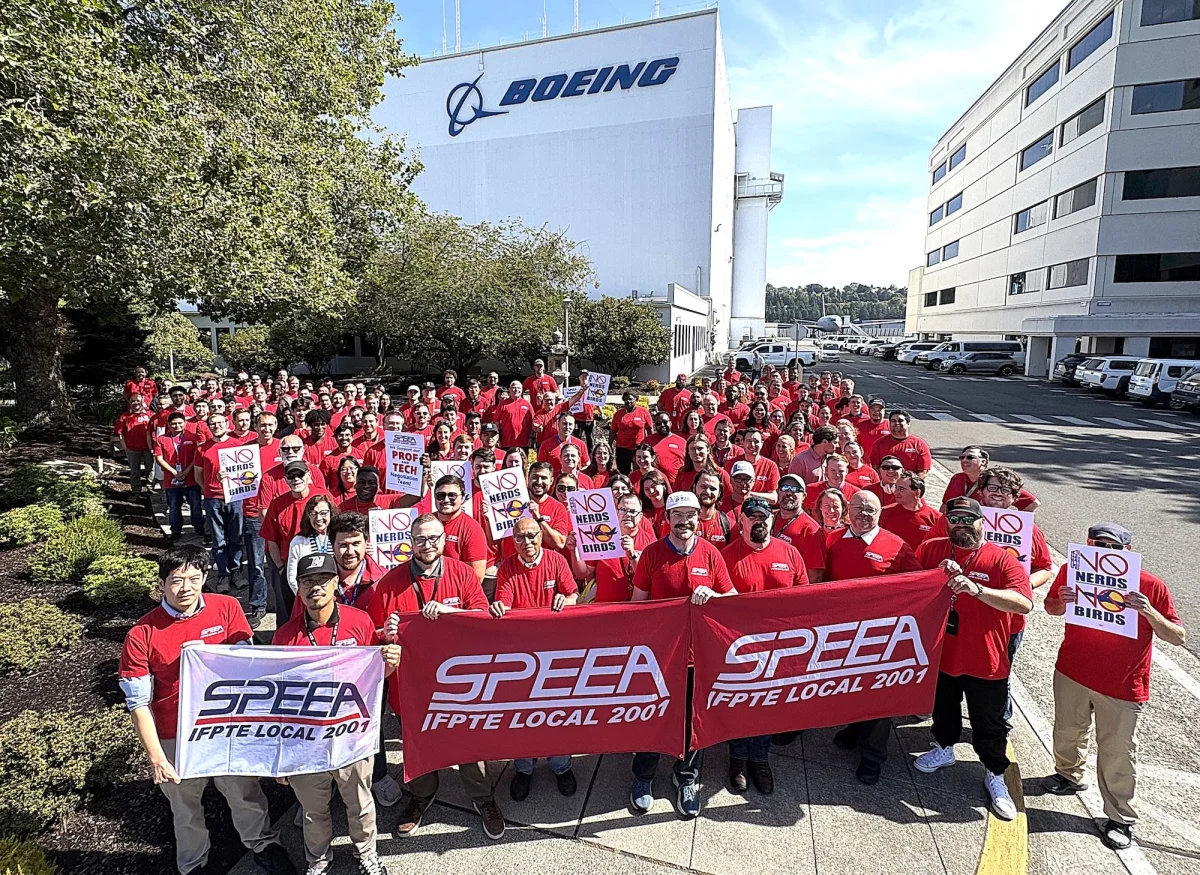
Boeing Tightens Spending Ahead of Critical SPEEA Union Vote
Boeing has implemented spending controls and a hiring freeze as it faces a critical contract ratification vote with its 17,000-member engineering union.

Boeing CEO Kelly Ortberg Warns of 777X Certification Delay
Boeing CEO Kelly Ortberg warned that a potential strike by 17,000 engineers would immediately halt the 777X certification and production programs.
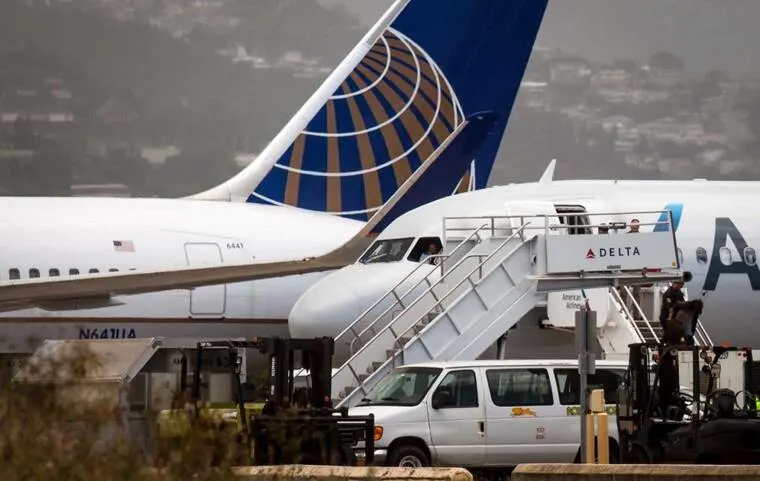
American and United Plan Capacity Cuts Amid Fuel Cost Surge
American and United are trimming flight schedules to offset a $1 billion fuel cost spike while maintaining strong pricing power.
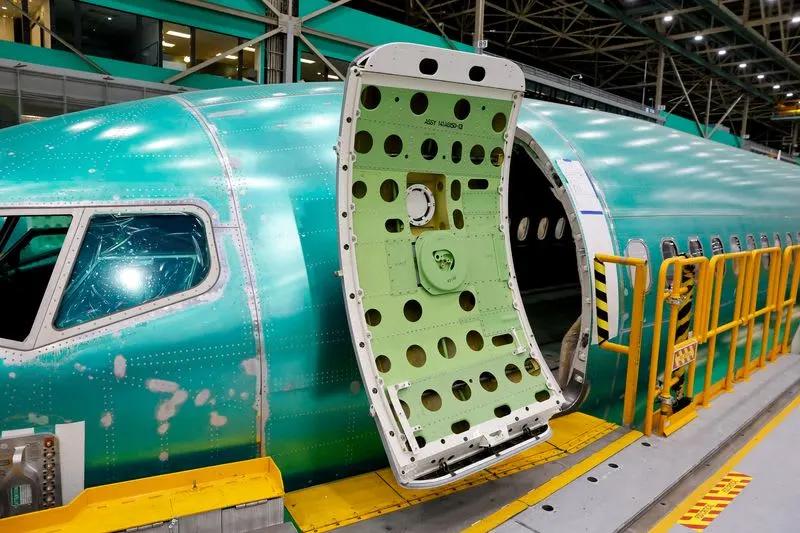
Boeing CEO Reports 737 MAX Output Stabilization Delays
Boeing CEO Kelly Ortberg reports slower 737 MAX production stabilization, prompting a downward revision in 2026 free cash flow expectations to $2 billion.
Boeing Finalizes KAL Order, Salvages Turkish Airlines Deal
Boeing secured a $36.2 billion order from Korean Air Lines for 103 aircraft and nears a resolution on a 150-jet deal with Turkish Airlines.

Airbus Forecasts 42,000 New Jets Amid Strong Global Demand
Airbus expects 42,000 new aircraft deliveries globally by 2045, with 45% of demand concentrated in the Asia-Pacific region.