Spirit Airlines Pilots Ferry Grounded A320s to Storage

Co-Founder & CEOAviation News Editor delivering trusted coverage across the global aviation industry.

Former Spirit Airlines pilots are being hired for ferry flights to move the carrier's 114 grounded A320s to desert storage after its May 2 shutdown.
Key Takeaways
- •Spirit Airlines ceased operations on May 2, 2026, grounding 114 A320s.
- •Nomadic Aviation Group hired ex-Spirit pilots for ferry flights to storage.
- •Approximately 2,000 pilots and 17,000 total staff lost their jobs.
- •66 leased aircraft are being repossessed by lessors like AerCap and Air Lease Corp.
In the wake of the Spirit Airlines shutdown 2026, a unique and poignant task has emerged for some of its former pilots: flying the airline's grounded fleet to its final resting place. Aviation services company Nomadic Aviation Group is hiring displaced Spirit aviators to conduct Spirit Airlines ferry flights, relocating the carrier's Airbus A320 desert storage destinations in Arizona. The move provides a brief period of employment and a sense of closure for pilots abruptly left jobless by the carrier's collapse.
The sudden cessation of operations on May 2, 2026, immediately grounded Spirit's entire fleet of 114 Airbus A320-family aircraft, leaving approximately 2,000 pilots and 17,000 total employees out of work. The liquidation, overseen by the US Bankruptcy Court for the Southern District of New York, triggered a complex logistical process to secure and relocate valuable aircraft assets, a task now being partially carried out by the very crews who once flew them on revenue services.
The Shutdown and Its Aftermath
The collapse of the Ultra-Low-Cost Carrier (ULCC) followed a failed restructuring effort and a severe spike in jet fuel prices, which reached approximately $4.51 per gallon in early 2026. This added what sources estimate to be nearly $100 million in unforeseen costs between March and April, proving fatal for the airline's business model. Spirit issued layoff notices under the Worker Adjustment and Retraining Notification Act (WARN Act) concurrently with the shutdown, citing unforeseeable business circumstances.
With operations halted, the immediate priority for creditors and lessors became the recovery of the aircraft. According to bankruptcy court filings, 66 of the 114 aircraft were leased from companies such as AerCap and Air Lease Corp. Nomadic Aviation Group was contracted to manage the complex process of repossessing and moving the fleet from airports across the country to long-term storage facilities, primarily Phoenix Goodyear Airport (GYR) and Pinal Airpark (MZJ) in Arizona. These non-revenue flights are operated under Federal Aviation Administration (FAA) Part 91 Ferry Flight Regulations.
A Final Flight for Former Pilots
In a move acknowledged by industry observers, Nomadic Aviation Group hired at least 20 former Spirit pilots for these ferry missions. Bob Allen of Nomadic described the effort as a way to provide both financial support and emotional closure for the crews. He likened the airline's sudden collapse to "a death in the family," with the final flights offering a chance to say a professional goodbye.
This sentiment is contrasted by the position of labor unions. Capt. Jason Ambrosi, President of the Air Line Pilots Association (ALPA), which represented the displaced pilots, emphasized that the pain of the liquidation is borne by frontline workers, not executives. The Association of Flight Attendants-CWA (AFA) has also argued that the liquidation process must prioritize paying workers their earned compensation over simply securing assets for creditors.
Industry Context and Historical Precedents
The Spirit Airlines collapse does not exist in a vacuum. It reflects the inherent vulnerability of the ULCC model to sudden cost shocks, a pattern seen in previous airline failures. The sudden shutdown is reminiscent of the collapse of WOW Air in March 2019 and Monarch Airlines in October 2017, both of which resulted in the immediate grounding of fleets and instantaneous job losses. The logistical challenge of securing a large, dispersed fleet mirrors the aftermath of the Thomas Cook Airlines liquidation in September 2019, which required a massive effort to repatriate aircraft to lessors.
However, the current market dynamics are different. There is exceptionally high demand for second-hand narrowbody aircraft and their engines, driven by production delays at Boeing and persistent supply chain issues with Pratt & Whitney GTF engines on the Airbus A320neo family. This makes Spirit's liquidated fleet, particularly its owned A321ceo aircraft, highly valuable assets that are expected to be sold or parted out quickly.
Technical Analysis
The Spirit Airlines liquidation underscores a critical tension in the modern aviation market: the fragility of low-margin business models versus the high intrinsic value of their primary assets. While the ULCC model is optimized for a stable, low-cost environment, its sensitivity to fuel price volatility proved to be its undoing. This event follows the historical precedent set by WOW Air and Monarch, confirming that high-leverage, low-fare carriers have minimal resilience against sudden, severe operational cost increases.
However, the aftermath diverges from historical patterns due to the current supply-constrained environment. Unlike previous liquidations where a glut of used aircraft might depress market values, Spirit's 114 A320-family jets are entering a market starved for narrowbody capacity. This ensures that lessors can quickly remarket the 66 leased aircraft and that the estate can liquidate the remaining owned aircraft at favorable prices. The situation effectively accelerates the redistribution of in-demand assets from a failed operator to healthier carriers, demonstrating that even in failure, the underlying aircraft have become a strategic commodity.
What Comes Next
The immediate future involves the continued ferrying of the A320 fleet to desert storage. According to timelines from the US Bankruptcy Court for the Southern District of New York, the formal rejection of the remaining aircraft leases is expected by May 8, 2026. Following that, the court is expected to oversee the full liquidation of Spirit's owned aircraft and other assets through Q3 2026.
For the thousands of displaced employees, the path forward is less clear. They now face a competitive job market, seeking positions at other carriers while navigating the complexities of the bankruptcy process for their final pay and benefits.
Why This Matters
The shutdown of Spirit Airlines is a significant event in the U.S. aviation landscape, marking the largest airline failure in over a decade. It serves as a stark reminder of the economic pressures facing ULCCs and highlights the profound human cost of corporate collapse. For the broader industry, the event triggers a rapid reallocation of valuable aircraft, routes, and skilled labor that will reshape market competition for years to come.
Frequently Asked Questions
- Why did Spirit Airlines shut down in 2026?
- Spirit Airlines ceased operations on May 2, 2026, after failing to restructure its finances. The shutdown was triggered by a sharp spike in jet fuel prices that made its ultra-low-cost carrier model unsustainable.
- What is happening to Spirit Airlines' aircraft after the shutdown?
- The airline's fleet of 114 Airbus A320-family aircraft is being ferried to desert storage facilities like Pinal Airpark and Goodyear Airport in Arizona. Nomadic Aviation Group is managing the process, even hiring former Spirit pilots for the flights.
- How many Spirit Airlines employees lost their jobs?
- Approximately 17,000 total Spirit Airlines employees lost their jobs. This figure includes around 2,000 pilots represented by the Air Line Pilots Association (ALPA).
Visit omniflights.com for the latest commercial aviation news and airline industry updates. For detailed airline coverage, route changes, and fleet moves, explore the Airlines section at omniflights.com/airlines.
Written by Hardik Vishwakarma
Co-Founder & Aviation News Editor leading initiatives that improve trust and visibility across the global aviation industry. Covers airlines, airports, safety, and emerging technology.
Visit ProfileYou Might Also Like
Discover more aviation news based on similar topics
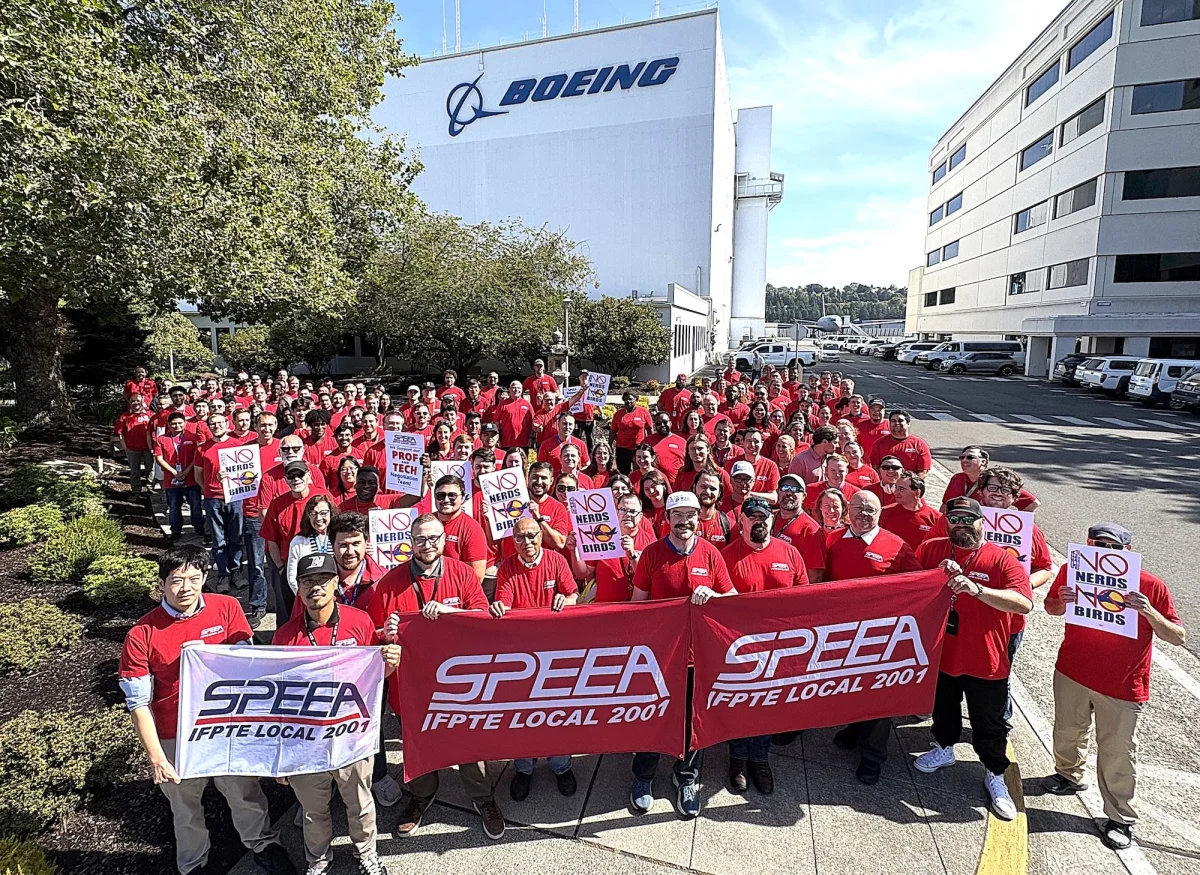
Boeing Tightens Spending Ahead of Critical SPEEA Union Vote
Boeing has implemented spending controls and a hiring freeze as it faces a critical contract ratification vote with its 17,000-member engineering union.

Boeing CEO Kelly Ortberg Warns of 777X Certification Delay
Boeing CEO Kelly Ortberg warned that a potential strike by 17,000 engineers would immediately halt the 777X certification and production programs.
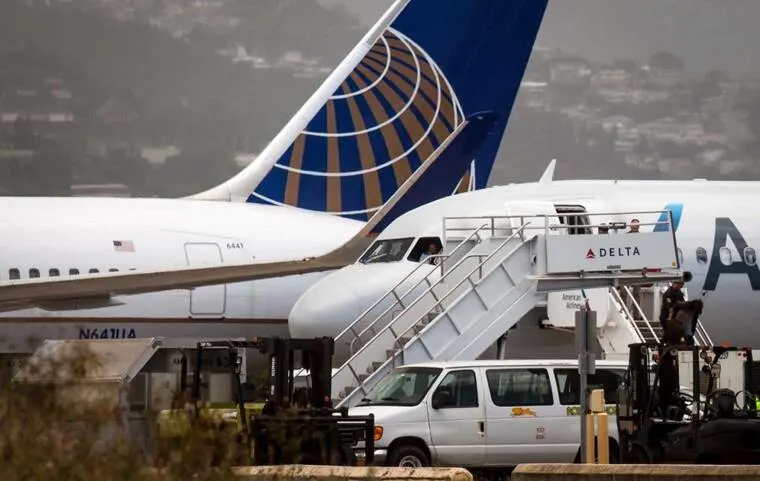
American and United Plan Capacity Cuts Amid Fuel Cost Surge
American and United are trimming flight schedules to offset a $1 billion fuel cost spike while maintaining strong pricing power.
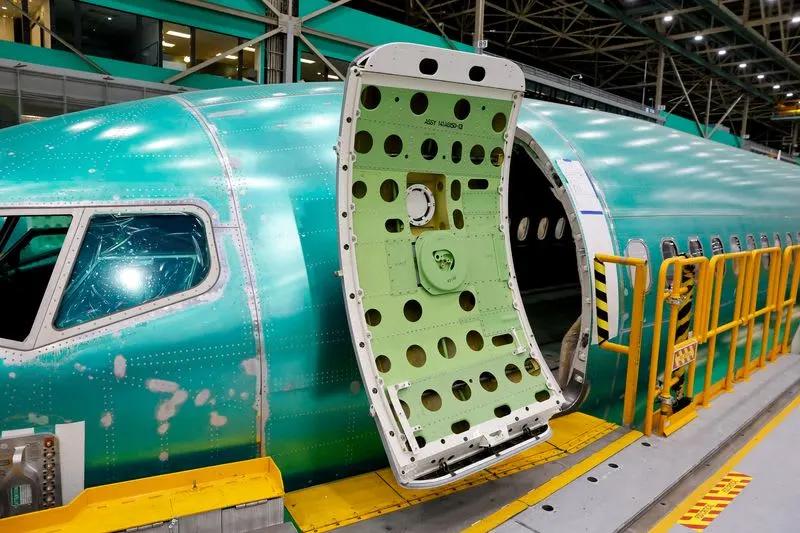
Boeing CEO Reports 737 MAX Output Stabilization Delays
Boeing CEO Kelly Ortberg reports slower 737 MAX production stabilization, prompting a downward revision in 2026 free cash flow expectations to $2 billion.
Boeing Finalizes KAL Order, Salvages Turkish Airlines Deal
Boeing secured a $36.2 billion order from Korean Air Lines for 103 aircraft and nears a resolution on a 150-jet deal with Turkish Airlines.
Airbus Forecasts 42,000 New Jets Amid Strong Global Demand
Airbus expects 42,000 new aircraft deliveries globally by 2045, with 45% of demand concentrated in the Asia-Pacific region.