Spain Easter Bookings Surge 50%; Rail Woes Hit Costa del Sol

Co-Founder & CEOAviation News Editor delivering trusted coverage across the global aviation industry.

Spain's Easter tourism bookings surge 50% as travelers avoid conflict zones, but a key rail line closure is causing a 30% booking drop in Málaga.
Key Takeaways
- •Forecasts 50% year-over-year increase in Spain's Easter 2026 bookings, driven by geopolitical shifts.
- •Closes Málaga-Madrid high-speed rail line through Easter, affecting an estimated 195,000 travelers.
- •Causes a 30% drop in hotel bookings for Málaga city due to the critical rail disruption.
- •Reinforces Spain's historical role as a "safe-haven" travel destination during regional instability.
Spain’s tourism sector is poised for a strong Easter holiday period, with booking data showing a significant uptick as international travelers redirect plans away from regions experiencing geopolitical instability. According to travel platform Destinia, sales forecasts for Easter 2026 are 50% higher than the previous year. This surge is attributed to a combination of an earlier holiday schedule and a notable shift in travel preferences following conflict in the Middle East, with bookings for Spain increasing by approximately 10% since the instability began.
The trend positions Spain as a primary beneficiary of the search for “safe-haven” destinations. “The data, from both Spanish and foreign tourists, is very positive, despite everything that’s happening,” said Beatriz Oficialdegui, communications director at Destinia. However, she cautioned that the industry must manage pricing carefully to remain competitive against other safe destinations like Italy and Portugal.
Costa del Sol's Connectivity Challenge
While the national outlook is positive, a critical infrastructure failure is creating significant economic headwinds in the southern Costa del Sol region. The delayed reopening of the Málaga-Madrid AVE (Alta Velocidad Española) high-speed rail line will remain in effect through the Easter peak. The closure, caused by a landslide near Álora, has been extended by the state-owned rail infrastructure manager, Adif, due to insufficient safety guarantees.
This disruption is expected to affect as many as 195,000 travelers and has already triggered a sharp downturn in local bookings. Hoteliers in Málaga city report a booking decline of around 30%, with inland destinations anticipated to suffer the most severe impact. The uncertainty has also led to a slowdown in seasonal hiring as local businesses pause recruitment.
Stakeholder and Industry Impact
The situation creates a stark contrast in fortunes across Spain's tourism landscape. For Costa del Sol Hoteliers, the impact is severe, translating directly into revenue loss and operational uncertainty. In contrast, the broader Spanish National Tourism Sector is experiencing a significant boon from the redirection of international travel flows.
The disruption also affects high-speed rail operators, including Renfe, Iryo, and Ouigo, which must manage canceled tickets and arrange alternative bus transfers on the crucial Madrid-Málaga corridor. Jorge Marichal, president of the Confederación Española de Hoteles y Alojamientos Turísticos (CEHAT), the Spanish Confederation of Hotels and Tourist Accommodation, emphasized the critical role of transport. “Connectivity is a determining factor in travellers’ decision-making,” Marichal stated, adding that when combined with rising fuel costs, such issues can “significantly reduce” the competitiveness of Spanish destinations.
Historical Precedent and Broader Context
This is not the first time Spain has benefited from regional instability. In 2011, the Arab Spring led to a similar tourism shift, with Spain experiencing a surge in arrivals as travelers avoided destinations like Egypt and Tunisia. This historical precedent reinforces Spain's established role as a stable alternative during geopolitical crises in the Middle East and North Africa.
However, the current boom is tempered by rising operational costs within Spain. The same international conflicts contributed to a sharp spike in wholesale electricity prices in early March 2026, increasing financial pressure on the hospitality sector even as demand grows.
What Comes Next
All eyes are on the railway infrastructure. According to Adif, the Madrid-Málaga AVE high-speed line is now expected to reopen in late April 2026, after the conclusion of the critical Easter travel season. Until then, the reduced connectivity will continue to suppress the tourism potential of one of Spain's most popular regions.
Why This Matters
This dual scenario in Spain serves as a case study on the complexities of modern tourism. It demonstrates how global geopolitical events can create sudden opportunities for specific markets, while also exposing the extreme vulnerability of local economies to domestic infrastructure failures. For the travel industry, it underscores that capitalizing on demand shifts requires not only a safe reputation but also robust and reliable transportation networks.
From airline operations to fleet updates, commercial aviation news lives at omniflights.com. Track policy changes, airspace rules, and global aviation governance in the Regulatory category at omniflights.com/regulatory.
Written by Hardik Vishwakarma
Co-Founder & Aviation News Editor leading initiatives that improve trust and visibility across the global aviation industry. Covers airlines, airports, safety, and emerging technology.
Visit ProfileYou Might Also Like
Discover more aviation news based on similar topics
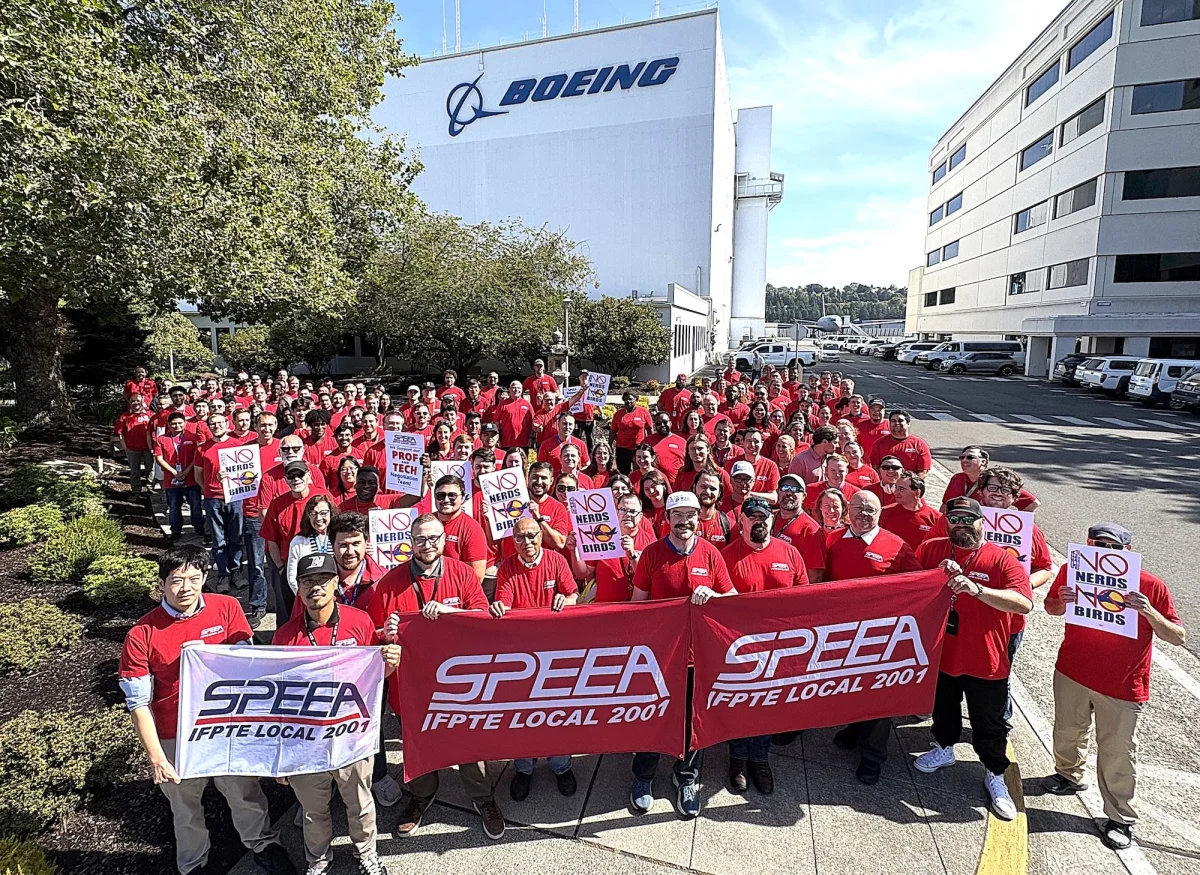
Boeing Tightens Spending Ahead of Critical SPEEA Union Vote
Boeing has implemented spending controls and a hiring freeze as it faces a critical contract ratification vote with its 17,000-member engineering union.

Boeing CEO Kelly Ortberg Warns of 777X Certification Delay
Boeing CEO Kelly Ortberg warned that a potential strike by 17,000 engineers would immediately halt the 777X certification and production programs.
American and United Plan Capacity Cuts Amid Fuel Cost Surge
American and United are trimming flight schedules to offset a $1 billion fuel cost spike while maintaining strong pricing power.
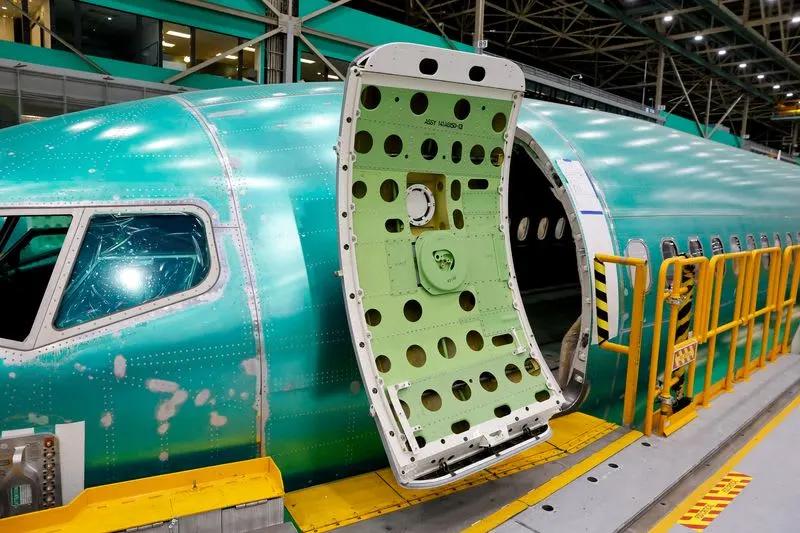
Boeing CEO Reports 737 MAX Output Stabilization Delays
Boeing CEO Kelly Ortberg reports slower 737 MAX production stabilization, prompting a downward revision in 2026 free cash flow expectations to $2 billion.
Boeing Finalizes KAL Order, Salvages Turkish Airlines Deal
Boeing secured a $36.2 billion order from Korean Air Lines for 103 aircraft and nears a resolution on a 150-jet deal with Turkish Airlines.

Airbus Forecasts 42,000 New Jets Amid Strong Global Demand
Airbus expects 42,000 new aircraft deliveries globally by 2045, with 45% of demand concentrated in the Asia-Pacific region.