Southwest Secures New $2 Billion Credit Facility

Co-Founder & CEOAviation News Editor delivering trusted coverage across the global aviation industry.
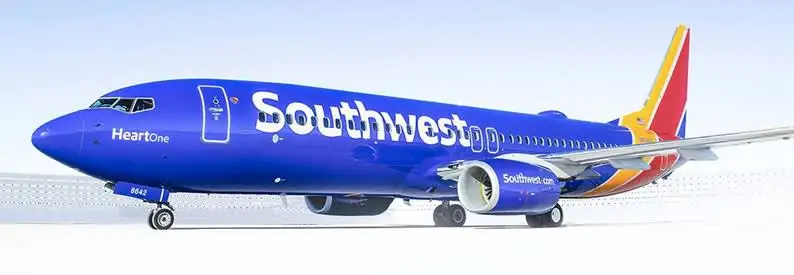
Southwest Airlines secured a new $2 billion credit facility to bolster liquidity and support rising capital requirements through 2031.
Key Takeaways
- •Southwest secures $2 billion credit line maturing in August 2031.
- •Accordion feature allows scaling the credit facility to $3 billion.
- •Agreement replaces a 2016 facility scheduled to expire in 2028.
- •Collateral pool of aircraft must maintain 1.25 times coverage.
Southwest Airlines has entered into a new $2 billion revolving credit facility to optimize its long-term airline liquidity management strategy. The transaction, structured as a JPMorgan Chase Citibank loan, provides the carrier with robust financial flexibility as capital demands shift. This newly established Southwest Airlines credit facility replaces an older credit line and secures critical operational runway through the next decade.
According to the carrier's regulatory disclosures, the five-year agreement includes an Incremental Facility Provision (accordion feature) that allows the airline to scale the credit limit up to $3 billion under certain uncommitted conditions. This financial buffer arrives at a crucial time for the domestic aviation sector, where carriers face escalating airline capital requirements, volatile fuel markets, and ongoing aircraft delivery delays. By securing this facility, Southwest ensures it has immediate access to cash without diluting equity or immediately issuing expensive high-yield debt.
Terms of the New Credit Agreement
The details of the agreement were formalized in a Securities and Exchange Commission (SEC) Southwest's SEC Form 8-K filing filed on August 12, 2026. The facility is co-administered by JPMorgan Chase Bank and Citibank, acting as joint lead arrangers. The credit agreement has a five-year term, officially maturing on August 10, 2031. However, the contract provides Southwest with the option to request up to two one-year extensions, potentially pushing the maturity date further out if lenders agree.
Interest rates on borrowings under the facility will be calculated using the SOFR (Secured Overnight Financing Rate) benchmark, plus a margin determined by Southwest’s credit rating. To secure the facility, Southwest is required to maintain a lien-free pool of specified aircraft and related aviation assets. This collateral pool must maintain an appraised value of at least 1.25 times the total outstanding commitment of the lenders.
Financial analysts at Kalkine Media noted that the new credit facility "allows the company increased financial flexibility at a crucial time when capital requirements are rising for airlines," positioning Southwest to better navigate operational expenses and potential growth initiatives.
However, this financial restructuring occurs amid intense internal pressure. Activist investor Elliott Investment Management has argued that Southwest's current balance sheet and operational strategies have yielded poor returns. The investment firm has actively pushed for a comprehensive business review and leadership overhaul, suggesting that routine financial maneuvering like refinancing credit facilities does not fully address the carrier's core structural challenges.
Refinancing Cycle and Historical Context
This new agreement directly replaces a prior revolving credit facility dated August 3, 2016, which was originally scheduled to expire in August 2028. By terminating the 2016 facility early, Southwest has proactively extended its debt maturity profile by three years. Historically, Southwest has utilized a routine cycle of refinancing and upsizing its credit lines ahead of maturity to maintain long-term financial flexibility, a pattern that has been a core component of LUV financial news and balance sheet strategies.
For the syndicate lenders, including JPMorgan Chase and Citibank, the deal represents a low-severity risk profile but steady returns through administrative fees, commitment fees, and potential interest income based on the SOFR margin if Southwest draws on the currently undrawn $2 billion facility. For Southwest Airlines shareholders, the agreement offers a medium-severity impact, providing assurance of sustained liquidity and capital flexibility for operations, balanced against the restriction of keeping a portion of the airline's fleet unencumbered to satisfy the 1.25x collateral coverage ratio.
Collateral Math and Capital Flexibility
This refinancing move illustrates a broader trend in proactive liquidity management across the US airline industry. As commercial carriers grapple with delayed aircraft deliveries from major manufacturers, they must hold larger cash reserves to manage older, more maintenance-intensive fleets while keeping capital ready for when new deliveries resume. Southwest’s decision to transition from its 2016 facility to this 2026 structure reflects a strategic alignment with current interest rate environments and modern credit structures. By tying the collateral to a 1.25 times coverage ratio of unencumbered aircraft, Southwest leverages its historically strong asset base—consisting heavily of owned Boeing 737 family aircraft—to secure favorable borrowing terms. This structure allows the airline to avoid high-interest capital market issuances while maintaining a highly liquid balance sheet that can withstand sudden macroeconomic shocks or fuel price spikes.
Refinancing Timelines and Extension Options
Looking ahead, the primary milestone for this credit facility is its scheduled maturity on August 10, 2031. Under the terms of the SEC filing, Southwest can request the first of its two permitted one-year extensions prior to this date, subject to the consent of the participating syndicate banks. Additionally, the airline retains the option to exercise the uncommitted $1 billion accordion feature at any point during the five-year term, which would increase the total credit limit to $3 billion. Investors will monitor Southwest's upcoming quarterly earnings reports to see if the carrier draws down any portion of the $2 billion facility or continues to maintain it as an undrawn backstop.
Why Liquidity Buffers Matter in Modern Aviation
This development signals Southwest's commitment to maintaining a fortress balance sheet despite escalating industry headwinds and shareholder activism. For aviation professionals and investors, the transaction demonstrates how major carriers use structured credit to hedge against operational uncertainty without sacrificing fleet flexibility. Ultimately, this credit facility ensures that Southwest remains well-positioned to fund its ongoing fleet renewal and operational commitments over the next decade.
Frequently Asked Questions
- What are the terms of Southwest Airlines' new credit facility?
- Southwest Airlines secured a $2 billion revolving credit facility that matures on August 10, 2031. It includes an uncommitted accordion feature to scale the facility up to $3 billion and requires maintaining a collateral pool of aircraft valued at 1.25 times the commitment.
- Which banks are administering Southwest's new credit agreement?
- The credit facility is co-administered by JPMorgan Chase Bank and Citibank, who act as joint lead arrangers for the syndicated lending agreement.
For in-depth airline coverage and commercial aviation news, omniflights.com delivers timely industry insights. From aircraft production to supply chains, commercial aviation manufacturing news is covered at omniflights.com/manufacturing.
Written by Hardik Vishwakarma
Co-Founder & Aviation News Editor leading initiatives that improve trust and visibility across the global aviation industry. Covers airlines, airports, safety, and emerging technology.
Visit ProfileYou Might Also Like
Discover more aviation news based on similar topics
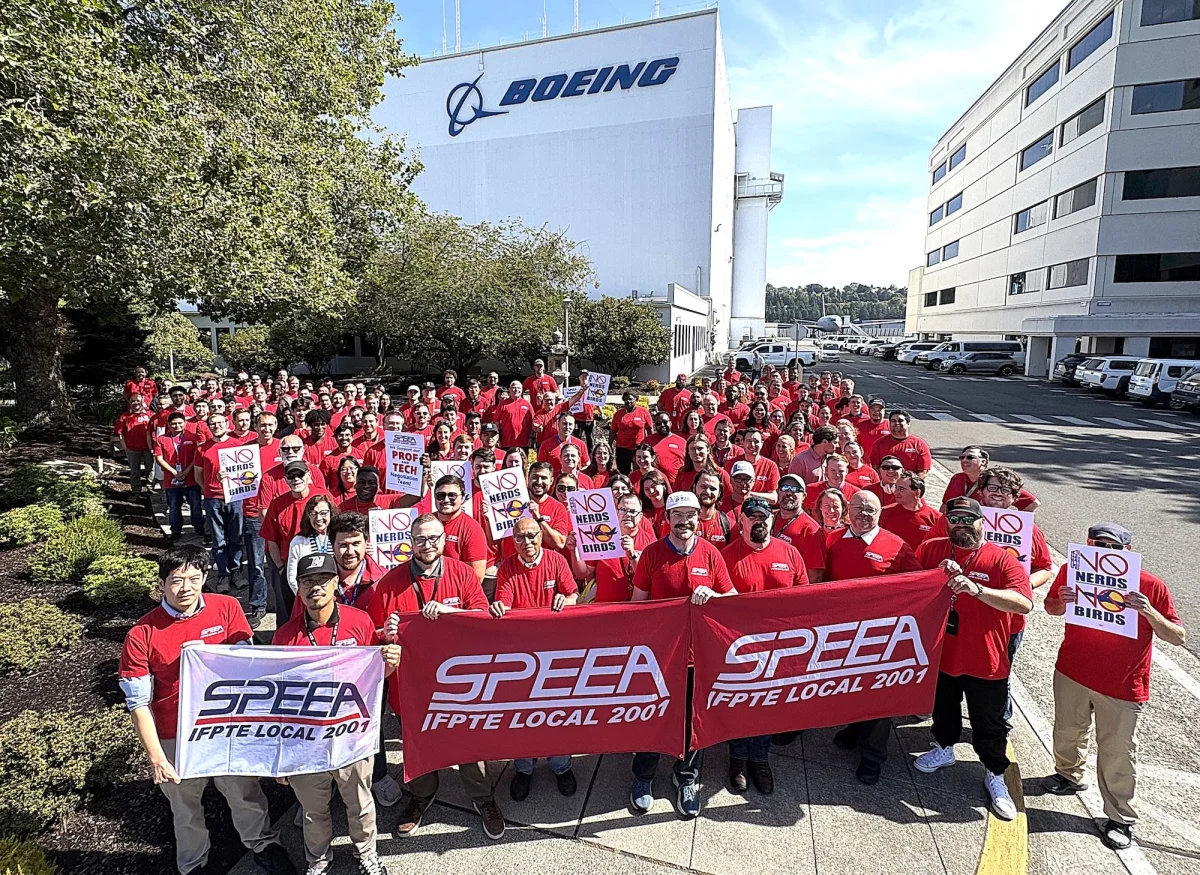
Boeing Tightens Spending Ahead of Critical SPEEA Union Vote
Boeing has implemented spending controls and a hiring freeze as it faces a critical contract ratification vote with its 17,000-member engineering union.
Boeing CEO Kelly Ortberg Warns of 777X Certification Delay
Boeing CEO Kelly Ortberg warned that a potential strike by 17,000 engineers would immediately halt the 777X certification and production programs.
American and United Plan Capacity Cuts Amid Fuel Cost Surge
American and United are trimming flight schedules to offset a $1 billion fuel cost spike while maintaining strong pricing power.
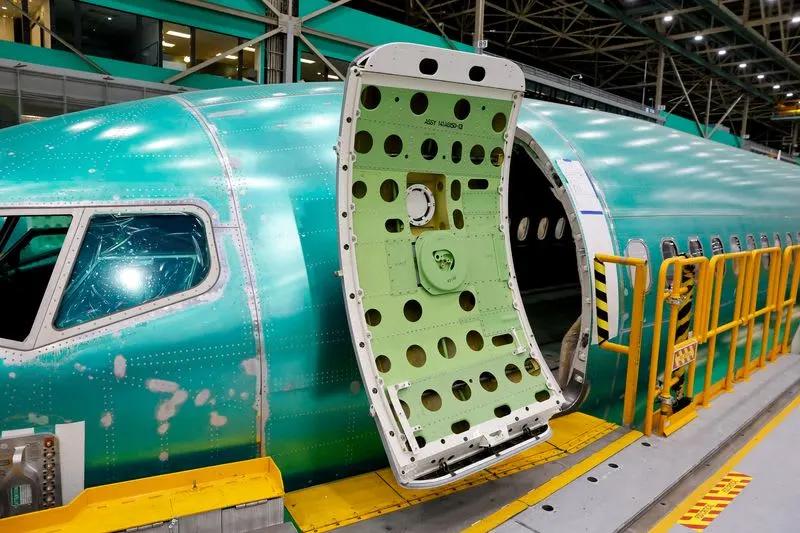
Boeing CEO Reports 737 MAX Output Stabilization Delays
Boeing CEO Kelly Ortberg reports slower 737 MAX production stabilization, prompting a downward revision in 2026 free cash flow expectations to $2 billion.
Boeing Finalizes KAL Order, Salvages Turkish Airlines Deal
Boeing secured a $36.2 billion order from Korean Air Lines for 103 aircraft and nears a resolution on a 150-jet deal with Turkish Airlines.
Airbus Forecasts 42,000 New Jets Amid Strong Global Demand
Airbus expects 42,000 new aircraft deliveries globally by 2045, with 45% of demand concentrated in the Asia-Pacific region.