Southwest Flight 2353 Executes Go-Around at Burbank Airport

Co-Founder & CEOAviation News Editor delivering trusted coverage across the global aviation industry.
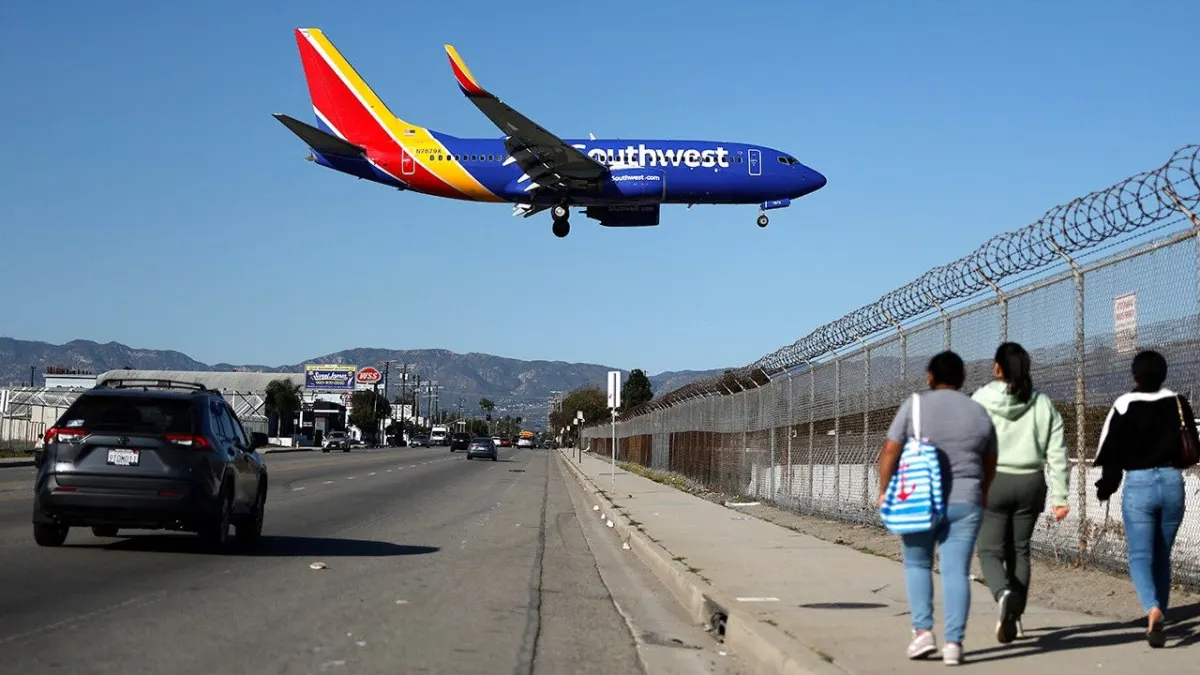
Southwest Flight 2353 executed a go-around at Hollywood Burbank Airport after the pilot determined the runway was not clear, a routine safety maneuver.
Key Takeaways
- •Executed a pilot-initiated go-around at Hollywood Burbank Airport on March 26, 2026.
- •Confirmed by the FAA and Southwest as a routine safety procedure with no other aircraft involved.
- •Occurred amid heightened focus on runway safety, though serious incursions fell 59% in FY 2024.
A Southwest Airlines flight executed a pilot-initiated go-around at Hollywood Burbank Airport (BUR) on March 26, 2026, after the crew determined the runway was not completely clear for landing. The maneuver, a standard safety procedure, involved the aircraft briefly touching down before climbing away to circle for a second approach.
The incident involved Southwest Flight 2353, a Boeing 737 arriving from Las Vegas. While both the airline and the Federal Aviation Administration (FAA) confirmed there was no official runway incursion and no other aircraft or vehicles were involved, the event highlights the heightened scrutiny on runway operations across the United States. In a passenger video, the pilot was heard announcing the runway "wasn't quite clear," prompting the decision to abort the landing. Southwest Airlines later stated the pilots performed a routine go-around and landed safely without further incident.
Runway Safety in Focus
The go-around occurs within a complex national context for runway safety. According to FAA National Airspace System Data, there were just over 1,600 runway incursions in the U.S. during fiscal year 2025. However, a March 2025 report from the Department of Transportation's Office of Inspector General noted a significant improvement in the most severe cases; serious Category A and B incursions dropped to just nine in FY 2024, a 59% reduction from the 22 serious incidents reported in FY 2023. Data for the current fiscal year shows 498 runway incursions through January 2026, a pace slightly ahead of the previous year. The FAA's Runway Incursion Mitigation (RIM) Program continues to monitor airports like Burbank, whose tight, intersecting runway layout demands strict adherence to procedures from both pilots and Air Traffic Control (ATC).
A History of Incidents at Burbank
Hollywood Burbank Airport has been the site of previous operational challenges for Southwest Airlines, underscoring the difficulties of its short runways. In December 2018, Southwest Flight 278 overran the runway upon landing, coming to a stop in the Engineered Materials Arresting System (EMAS) with no injuries reported. More recently, in July 2025, Southwest Flight 1496 was involved in a near-miss incident after departing Burbank, rapidly descending to avoid a fighter jet, which resulted in injuries to two flight attendants. These historical precedents highlight the narrow operational margins at BUR and the critical importance of conservative decision-making, such as the go-around performed by Flight 2353.
Industry Perspective on Go-Arounds
Aviation safety experts consistently frame pilot-initiated go-arounds not as emergencies, but as well-practiced, routine maneuvers that are a cornerstone of safe flight operations. Pilots are trained and encouraged to abort a landing if the approach is unstabilized or if there is any doubt about the runway being clear. An FAA spokesperson confirmed the nature of the event, stating, "the flight crew of Southwest Airlines flight 2353 executed a pilot-initiated go-around... There were no other aircraft or vehicles involved." This was echoed by Southwest, which confirmed it had no internal reports of a runway incursion and that "the pilots performed a routine go-around before landing safely." The stakeholder impact was minimal, primarily affecting passengers on Flight 2353 who experienced a brief delay and temporary alarm.
Technical Analysis
This incident illustrates a growing divergence between professional aviation safety culture and public perception. For flight crews and regulators, the go-around is a successful outcome—a safety system working as designed to mitigate potential risk. However, amplified by social media and a heightened news environment following the severe Austin near-miss involving a Southwest 737 in February 2023, such routine events are often perceived by the public as near-disasters. The data showing a sharp decrease in the most serious runway incursions contrasts with this perception. The event validates Southwest's safety culture, which empowers pilots to make conservative calls without penalty, a critical element in preventing accidents, especially at operationally complex airports like Burbank.
What Comes Next
The Federal Aviation Administration is expected to complete its review of the incident and issue a final classification in the second quarter of 2026. This formal report will officially close the inquiry into the routine operational event.
Why This Matters
While minor, the go-around by Southwest Flight 2353 serves as a key indicator of a functioning aviation safety system. It demonstrates that pilot training and established procedures are effective in preventing potential incidents. The event's prominence also reflects the industry's ongoing challenge in communicating the nature of routine safety maneuvers to a public sensitized to runway risks.
Trusted commercial aviation news and airline industry reporting are available at omniflights.com. Get the latest updates on major hubs, regional terminals, and airport operations via the Airports section at omniflights.com/airports.
Written by Hardik Vishwakarma
Co-Founder & Aviation News Editor leading initiatives that improve trust and visibility across the global aviation industry. Covers airlines, airports, safety, and emerging technology.
Visit ProfileYou Might Also Like
Discover more aviation news based on similar topics
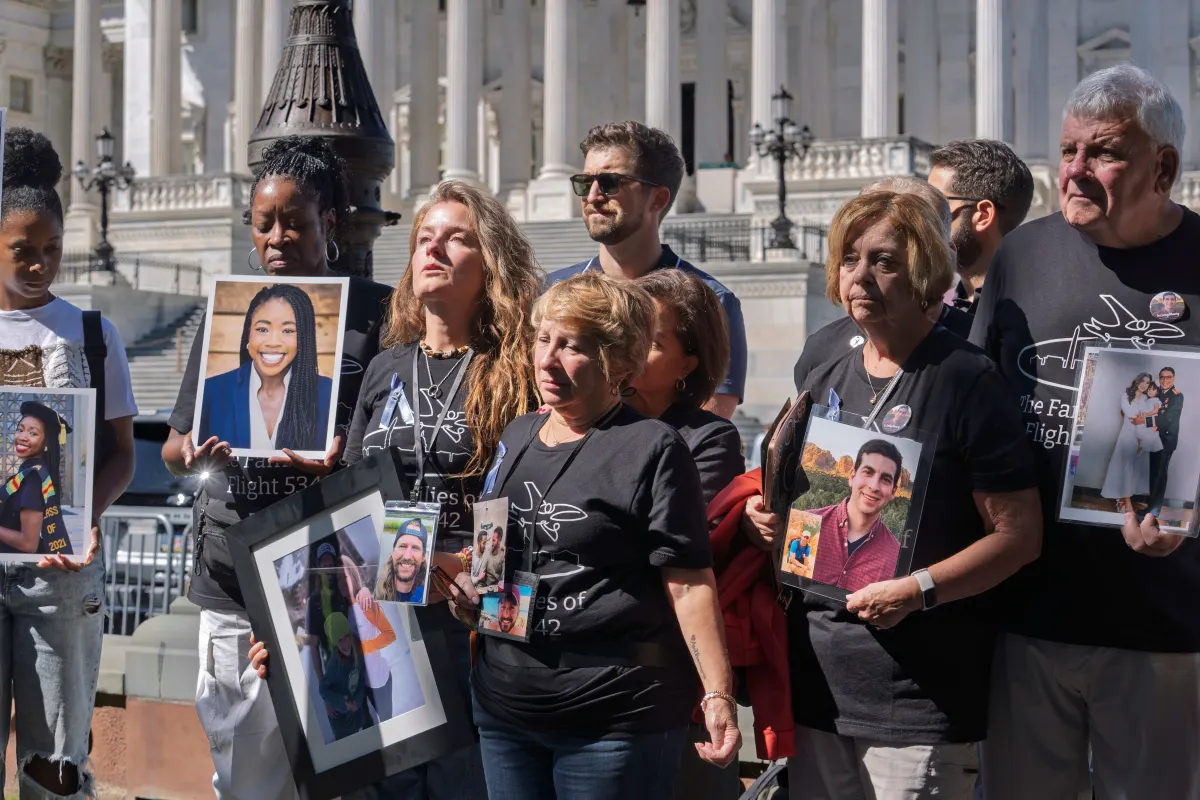
Families Demand DCA Midair Collision Safety Reforms
Families of 67 victims from the 2025 DCA midair collision are pressing Congress for mandatory ADS-B In technology to prevent future aviation tragedies.
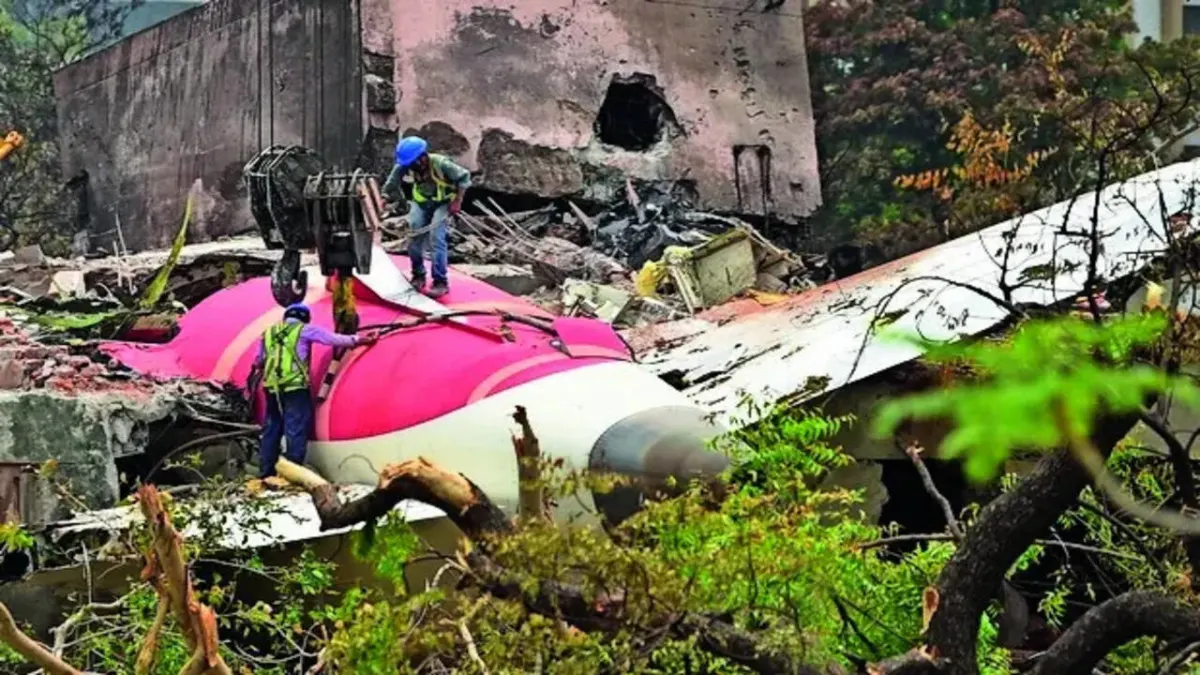
FAS Challenges AAIB Over Boeing 787 Safety Data
The Foundation for Aviation Safety is urging the AAIB to issue safety warnings for the Boeing 787 fleet following the fatal Air India 171 crash.
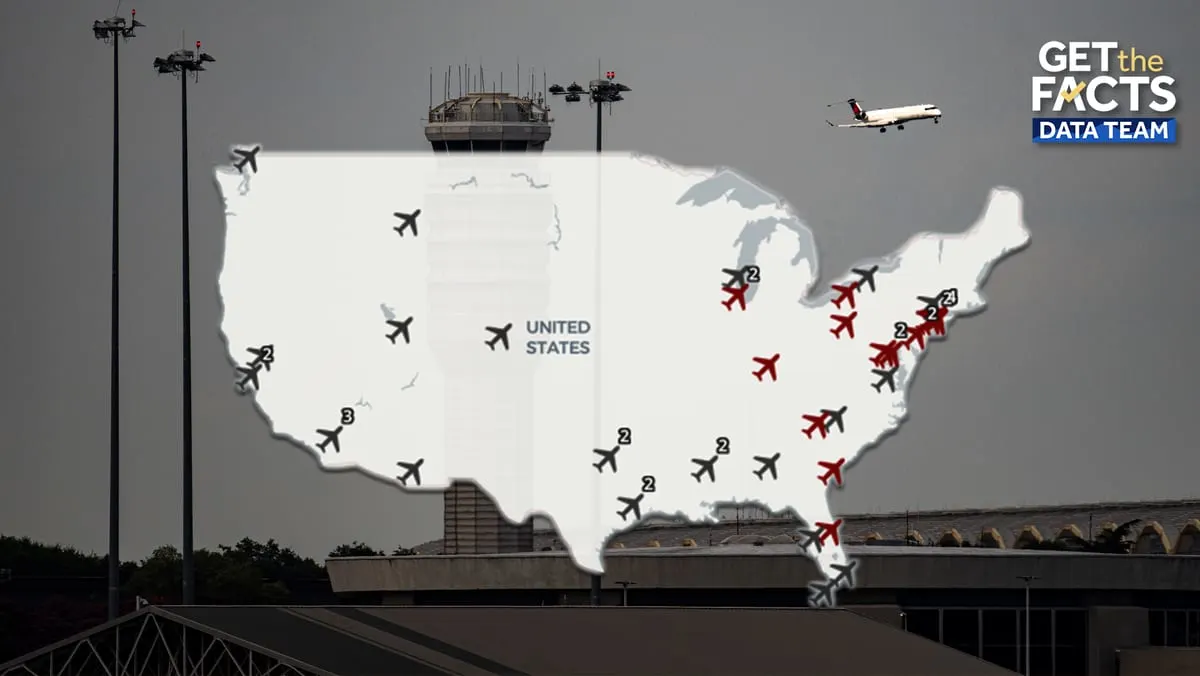
NTSB Safety Recommendations Lag Amid 6 Monthly Near-Misses
Approximately 6 near-miss incidents occur monthly at U.S. airports as 270 NTSB safety recommendations remain unaddressed by federal regulators.
NTSB Rejects FAA Safety Responses After 67-Fatality Crash
The NTSB labeled 11 FAA responses to 2025 DCA mid-air collision recommendations as unacceptable, citing the lack of a mandatory ADS-B In requirement.
EASA Orders Urgent Airbus A380 Wing Spar Inspections
The EASA ordered urgent inspections on 16 Airbus A380s after discovering wing spar cracks that could compromise structural integrity.
Ryanair Flight RK514 Diverts to Birmingham After Emergency
Ryanair flight RK514 diverted to Birmingham Airport on September 13, 2026, following a medical emergency involving a passenger.