Southwest Customer of Size Policy Sparks Passenger Backlash

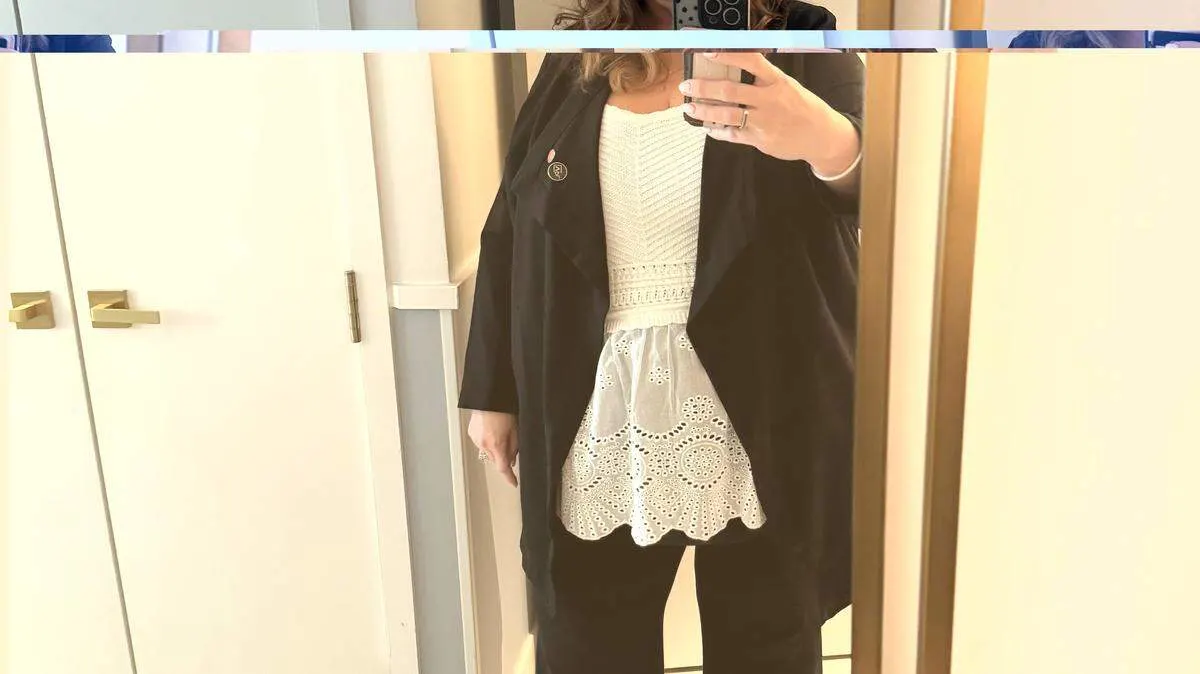
A traveler's experience at MIA highlights ongoing tension regarding the Southwest Customer of Size policy and new assigned seating rules.
Key Takeaways
- •Southwest ended open seating in January 2026 for assigned seating models.
- •DOT confirms the ACAA does not require airlines to provide free extra seats.
- •Southwest now allows free extra seats only if flight capacity permits.
- •Southwest holds 5% of passenger traffic at MIA, up from 1% last year.
The Incident at Miami International Airport
On May 21, 2026, a passenger traveling through Miami International Airport (MIA) faced a contentious encounter with a gate agent regarding the Southwest Customer of Size policy. The incident occurred as the airline continues to navigate the fallout from its January 2026 transition from an open-seating model to assigned seating. The passenger, a Southwest Airlines Rapid Rewards member, was informed that her physical size might necessitate the purchase of an additional seat, despite having successfully flown on a full flight just days prior. This interaction reflects the growing friction between passengers and airline staff as carriers standardize seating policies to align with broader industry trends.
Operational Shift and Policy Implementation
Southwest’s move to assigned seating represents a significant pivot from the carrier's identity as a low-cost, open-seating operator. As the airline works to modernize its revenue management, it has implemented stricter guidelines for passengers who require more than one seat. According to Southwest Airlines, agents are now empowered to provide an additional seat at no cost when flight load permits; however, uncertainty remains for passengers on full flights. For Southwest, which currently accounts for approximately 5% of all passenger traffic out of MIA—up from less than 1% the previous year—the operational challenge lies in maintaining consistent service standards at the gate level.
Regulatory Landscape and the Air Carrier Access Act
While passengers frequently cite the Air Carrier Access Act (ACAA) as a basis for challenging these policies, the U.S. Department of Transportation (DOT) maintains that the law does not mandate free additional seating. The DOT's official guidance on traveling with a disability clarifies that airlines are not legally compelled to provide more than one seat per ticket purchased. This regulatory reality creates a disconnect for travelers who view the purchase of a second seat as discriminatory. The Southwest Airlines Help Center continues to serve as the primary resource for passengers attempting to navigate these evolving requirements.
Industry Standardization vs. Passenger Experience
Southwest's current approach mirrors the practices of legacy carriers like American Airlines, Delta Air Lines, and United Airlines, which typically utilize the armrest as a definitive boundary for seat occupancy. Tigress Osborn, executive director of the National Association to Advance Fat Acceptance (NAAFA), argues that these policies often result in inconsistent enforcement, specifically citing a pattern of bias against women and women of color. While Southwest has recently tweaked its policy to reduce the burden of purchasing extra seats on non-full flights, critics describe these changes as reactive damage control rather than systemic inclusion.
The Cost of Operational Consistency
Historically, Southwest faced similar reputational challenges, most notably following the 2010 removal of film director Kevin Smith from a flight. That incident resulted in a public apology and travel vouchers, setting a precedent for how the airline manages public-facing seating disputes. Today, however, the airline is operating with a different commercial mandate. As data from the Bureau of Transportation Statistics indicates, the carrier's rapid expansion at major hubs like MIA necessitates a more rigid, scalable approach to seat inventory. The challenge for Southwest remains balancing these commercial imperatives with the potential for reputational harm caused by public, gate-side disputes.
What Comes Next: Policy Refinement
Southwest has indicated that an updated version of its Customer of Size policy will be published in the near future. This document is expected to clarify the criteria for seat assessments and the process for securing complimentary additional seats on flights with available capacity. Until this update is finalized, gate agents remain the primary decision-makers, a situation that continues to draw criticism from consumer advocacy groups regarding the lack of objective, transparent standards for assessing passenger fit.
Why This Matters for Stakeholders
This development is critical for plus-size passengers who face the risk of last-minute travel disruptions and the potential for significant unexpected costs. For the airline, the issue presents a persistent challenge in maintaining brand loyalty while transitioning to a revenue model that treats every seat as a fixed, sellable asset. The broader industry, meanwhile, is watching closely as Southwest attempts to reconcile its legacy of customer-centric flexibility with the standardized, high-efficiency requirements of a modern, assigned-seating carrier.
Frequently Asked Questions
- Does the Air Carrier Access Act require airlines to provide a free extra seat for passengers of size?
- No. The U.S. Department of Transportation states that the Air Carrier Access Act does not mandate airlines to provide more than one seat per purchased ticket, and airlines may require passengers to pay for all seats used.
- What is the current Southwest Airlines policy for passengers who need an extra seat?
- Southwest's current policy empowers gate agents to provide an additional seat at no cost if the flight has available capacity. However, if the flight is full, passengers may be required to purchase an additional seat.
omniflights.com provides comprehensive commercial aviation news covering airlines, aircraft, and airports. For reporting on UAP sightings, investigations, and aviation-related encounters, see the UAPs section at omniflights.com/uaps.

Written by Hardik Vishwakarma
Co-Founder & Aviation News Editor leading initiatives that improve trust and visibility across the global aviation industry. Covers airlines, airports, safety, and emerging technology.
Visit ProfileYou Might Also Like
Starlux Airlines Confirms Sydney to Taipei Flights for 2027
British Airways Retrofits A380 with 106 Club Suite Seats
EasyJet Cuts 700k Winter Seats as Fuel Costs Climb
PIA to Lease Two Norse Atlantic 787-9s for UK Routes
Kalitta Air Evaluates Airbus A350F for Cargo Modernization
