Southwest Bans Robots Citing Lithium Battery Fire Risk

Co-Founder & CEOAviation News Editor delivering trusted coverage across the global aviation industry.
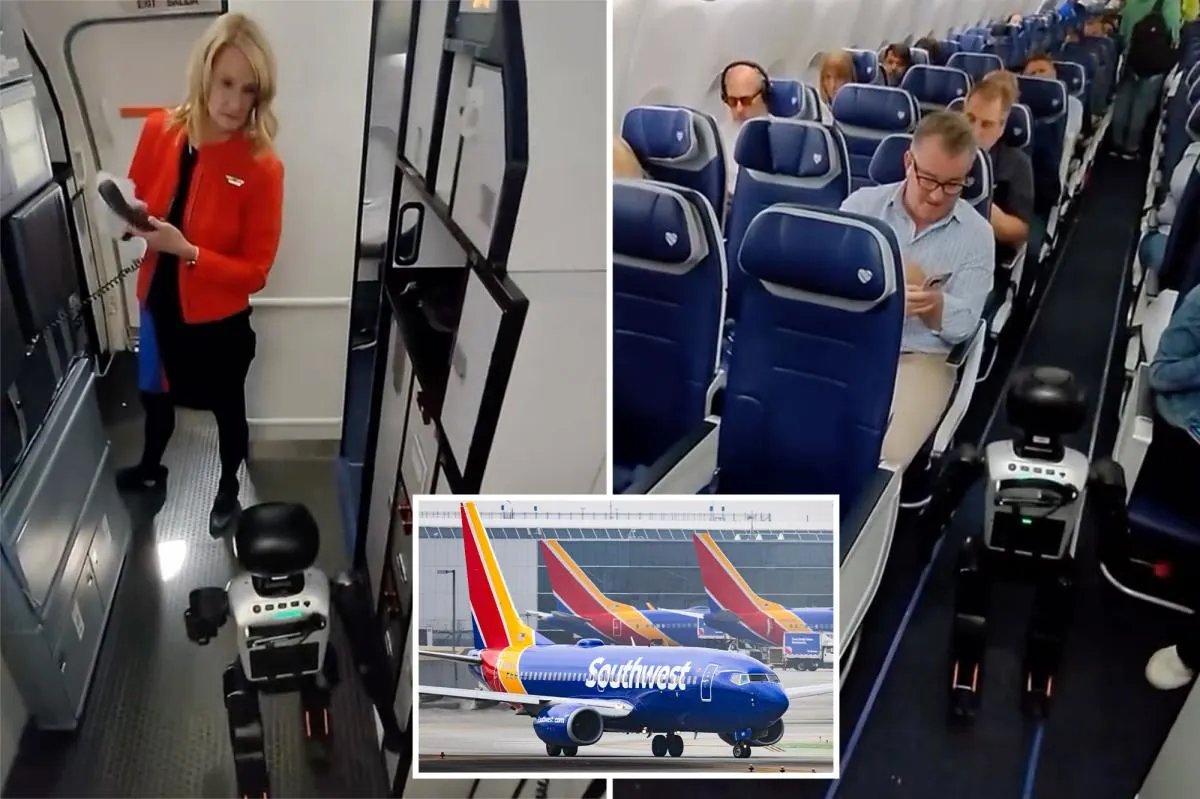
Southwest Airlines banned humanoid robots after one flew as a passenger, citing significant fire risks from large, unregulated lithium-ion batteries.
Key Takeaways
- •Southwest bans human-like robots citing lithium battery fire risk.
- •The ban follows a flight with a 3.5-foot robot in a passenger seat.
- •FAA rules limit most carry-on batteries to 100 Watt-hours.
- •Policy mirrors previous airline bans on hoverboards and smart luggage.
In a decisive move addressing emerging technology risks, Southwest Airlines has implemented a new policy banning human-like and animal-like robots from its aircraft. The decision follows an incident on May 10, 2026, where a passenger purchased a seat for a 3.5-foot humanoid robot on a flight from Las Vegas (LAS) to Dallas (DAL). This new Southwest Airlines robot ban highlights the growing conflict between consumer technology and strict lithium-ion battery flight rules, forcing a reevaluation of the carrier's electronic seat baggage policy.
The incident involved passenger Aaron Mehdizadeh and his robot, named 'Stewie'. While the flight operated without incident, it prompted an immediate safety review by the airline. The core issue is not the robot itself, but its power source: large-capacity lithium-ion batteries that often exceed federal safety limits. These power packs pose a significant risk of thermal runaway—a dangerous, self-sustaining fire that is extremely difficult to extinguish in an aircraft cabin.
Regulatory Scrutiny and Battery Risks
The FAA (Federal Aviation Administration) has long-standing regulations concerning the transport of lithium-ion batteries. Under FAA rule 49 CFR 175.10, batteries in most Portable Electronic Devices (PEDs) carried into the cabin are limited to 100 Watt-hours (Wh). While passengers can sometimes receive airline approval for up to two larger batteries of 101-160 Wh, those exceeding 160 Wh are strictly forbidden as passenger baggage and must be shipped as regulated cargo. The complex power systems required for humanoid robots frequently surpass these limits, placing them in a prohibited category.
Data underscores the severity of the risk. According to UL Standards & Engagement, thermal runaway incidents on airplanes increased by 28% between 2019 and 2023, averaging two incidents per week. In response, the FAA has issued guidance like SAFO 25002 (Lithium Battery Fire Mitigation), urging airlines to enhance crew training and equipment for battery fires. This heightened regulatory focus has made carriers like Southwest increasingly risk-averse to novel devices with uncertified, high-capacity batteries.
A Pattern of Proactive Bans
Southwest's decision is consistent with a broader industry trend where airlines act preemptively to mitigate new threats before regulators issue formal mandates. This pattern mirrors previous industry-wide actions:
- Hoverboards (2015): Major airlines banned the popular devices due to fires caused by unregulated lithium-ion batteries.
- Samsung Galaxy Note 7 (2016): Following multiple documented fires, the FAA and Department of Transportation issued an emergency order completely banning the smartphone from all aircraft.
- Smart Luggage (2018): Carriers banned smart bags with non-removable batteries, establishing the critical precedent that power sources must be easily accessible and removable by the passenger.
Humanoid robots represent the latest challenge. The growing practice of passengers buying a humanoid robot airplane seat for what is termed 'electronic seat baggage' has created operational friction. In a separate May 2026 incident, a 75-pound robot named 'Bebop' reportedly delayed a Southwest flight from Oakland, highlighting the confusion this practice causes for gate agents and crew who must enforce complex hazardous materials rules.
Technical Analysis
The ban on humanoid robots is less about the device's form and more about the unmanaged risk of its power source. Unlike a standard PED such as a laptop or phone, a large robot's battery is often deeply integrated, not easily removable, and lacks the stringent safety certifications required for aviation use. Aviation safety experts argue that cabin crews are not equipped to handle a thermal runaway event from a battery of that size, making a proactive ban the only responsible safety measure. This perspective prioritizes cabin safety over the novelty promoted by robotics companies. Conversely, robotics industry advocates, including The Robot Studio, argue the ban stifles innovation and that a certification standard should be developed instead.
The impact of this policy extends beyond individual travelers. Robotics rental companies and tech firms that transport demonstration units to trade shows are now forced to use more expensive and slower freight options. Airline ground staff must also adapt, with gate agents and cabin crew now responsible for identifying and denying boarding to these specific devices.
FAA Battery Limits
The FAA's tiered system for lithium-ion batteries is central to the issue, as detailed in its official resources.
| Metric | Primary Subject Value | Comparison Value |
|---|---|---|
| Standard PED Limit | 100 Wh | Allowed in carry-on |
| Spare Battery Limit | 101-160 Wh | Max 2 per passenger with airline approval |
| Oversized Batteries | >160 Wh | Forbidden as passenger baggage (must ship as cargo) |
What Comes Next
Following Southwest's move, other domestic and international carriers are expected to review and update their own policies on electronic seat baggage. The IATA (International Air Transport Association), which sets global standards for dangerous goods, is expected to address the issue of humanoid robots and other large animatronics in its 2027 policy update. Until a clear international standard is established, robotics companies will face a patchwork of airline-specific rules, complicating logistics for the foreseeable future.
Why This Matters
Southwest's robot ban is a significant development that draws a clear line on the acceptability of emerging consumer technologies in the aircraft cabin. It reaffirms that aviation safety protocols, particularly those concerning fire risk, will take precedence over passenger novelty or commercial stunts. This decision effectively forces the burgeoning robotics industry to engineer solutions for safe, compliant air transport or rely entirely on specialized cargo services, fundamentally altering the logistics of a high-tech sector.
Frequently Asked Questions
- Why did Southwest Airlines ban humanoid robots?
- Southwest Airlines banned humanoid robots due to the significant fire risk posed by their large, high-capacity lithium-ion batteries. These batteries often exceed the 100 Watt-hour limit set by the Federal Aviation Administration for devices carried into the aircraft cabin.
- What are the FAA rules for lithium batteries on planes?
- The FAA generally limits lithium-ion batteries in passenger baggage to 100 Watt-hours (Wh). Passengers may carry up to two larger spare batteries, between 101-160 Wh, with prior airline approval. Batteries exceeding 160 Wh are forbidden in passenger baggage and must be shipped as cargo.
- Can I buy a plane seat for a large electronic device?
- While some airlines permit buying a seat for large items like musical instruments, the trend of 'electronic seat baggage' is challenging safety policies. Southwest's robot ban clarifies that certain devices, like humanoid robots, are prohibited in the cabin regardless of a purchased seat due to overriding safety regulations concerning their batteries.
Stay ahead of the airline industry with commercial aviation news from omniflights.com. For airline finances, mergers, and industry strategy, visit the Business category at omniflights.com/business.
Written by Hardik Vishwakarma
Co-Founder & Aviation News Editor leading initiatives that improve trust and visibility across the global aviation industry. Covers airlines, airports, safety, and emerging technology.
Visit ProfileYou Might Also Like
Discover more aviation news based on similar topics

Families Demand DCA Midair Collision Safety Reforms
Families of 67 victims from the 2025 DCA midair collision are pressing Congress for mandatory ADS-B In technology to prevent future aviation tragedies.
FAS Challenges AAIB Over Boeing 787 Safety Data
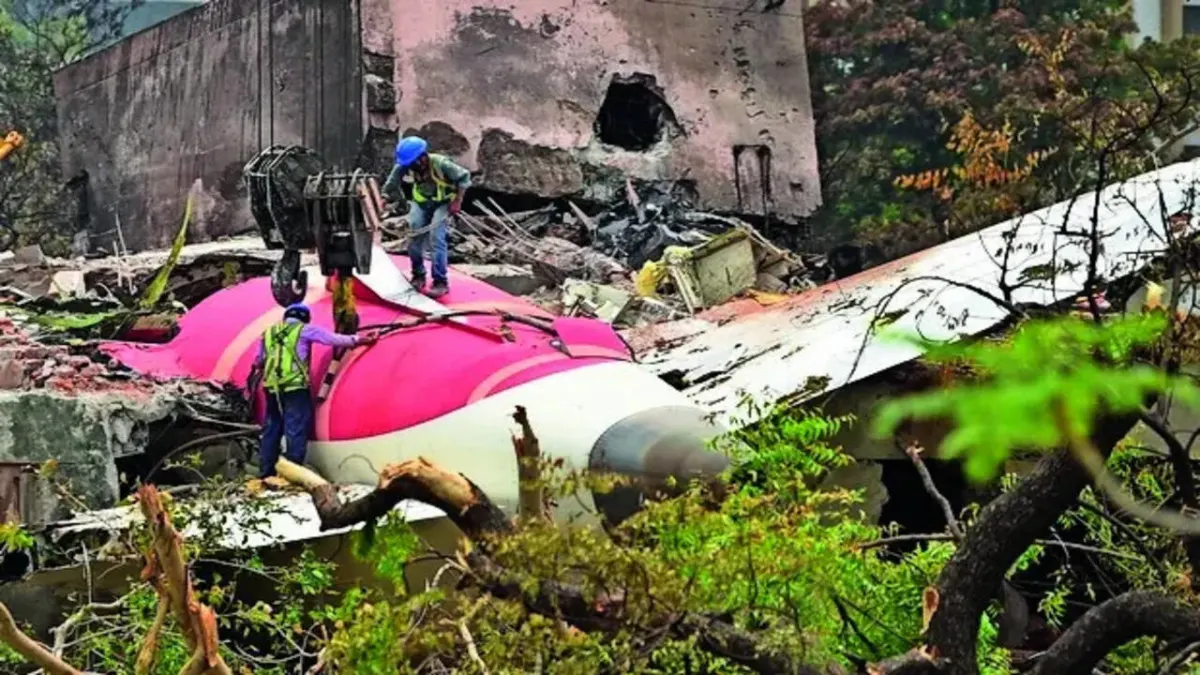
The Foundation for Aviation Safety is urging the AAIB to issue safety warnings for the Boeing 787 fleet following the fatal Air India 171 crash.
NTSB Safety Recommendations Lag Amid 6 Monthly Near-Misses
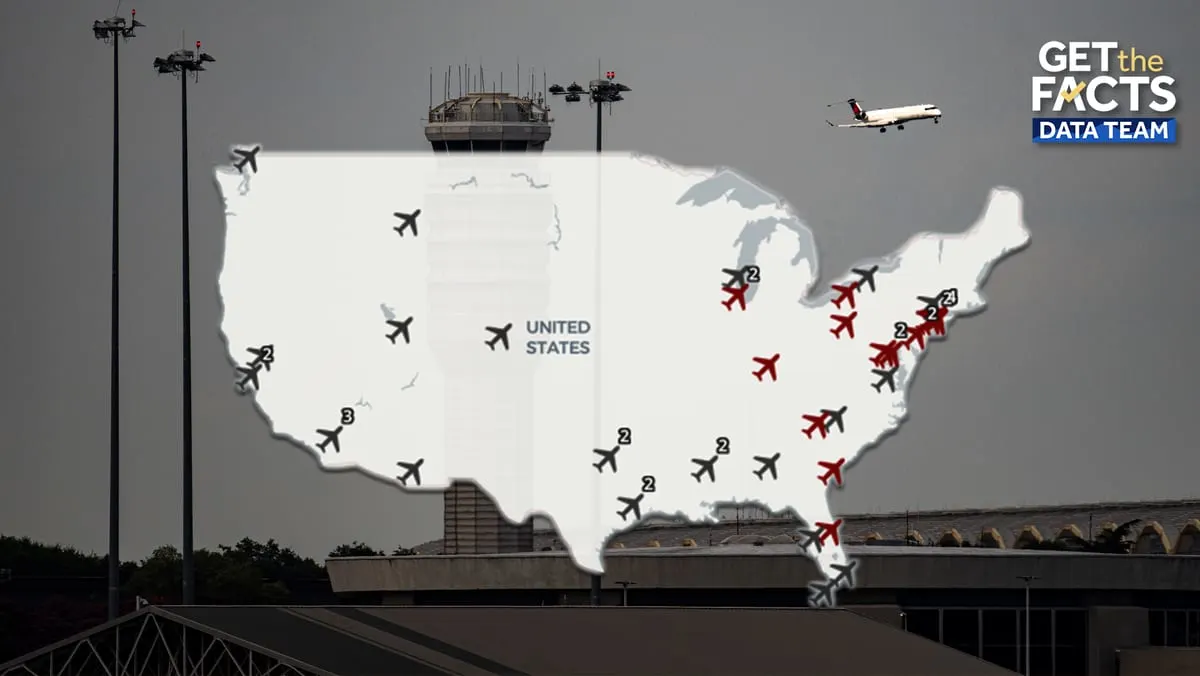
Approximately 6 near-miss incidents occur monthly at U.S. airports as 270 NTSB safety recommendations remain unaddressed by federal regulators.
NTSB Rejects FAA Safety Responses After 67-Fatality Crash
The NTSB labeled 11 FAA responses to 2025 DCA mid-air collision recommendations as unacceptable, citing the lack of a mandatory ADS-B In requirement.
EASA Orders Urgent Airbus A380 Wing Spar Inspections
The EASA ordered urgent inspections on 16 Airbus A380s after discovering wing spar cracks that could compromise structural integrity.
Ryanair Flight RK514 Diverts to Birmingham After Emergency
Ryanair flight RK514 diverted to Birmingham Airport on September 13, 2026, following a medical emergency involving a passenger.