AI-171 Crash Probe in Final Stage; Report Expected Soon

Co-Founder & CEOAviation News Editor delivering trusted coverage across the global aviation industry.
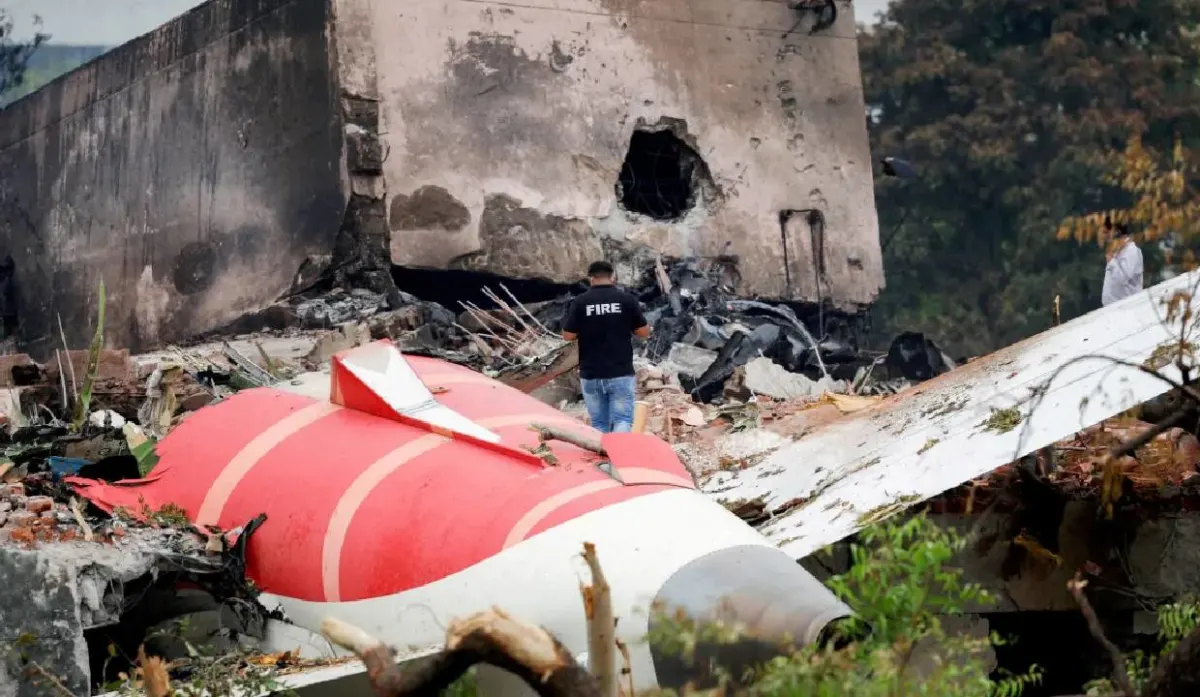
India's AAIB is finalizing its report on the Air India AI-171 crash that killed 260, with findings on the Boeing 787-8's fuel system expected soon.
Key Takeaways
- •Minister confirms final report on AI-171 crash is expected soon.
- •The investigation focuses on the Boeing 787-8's Fuel Control Switch.
- •The June 2025 crash in Ahmedabad resulted in 260 fatalities.
- •India's DGCA has mandated fleet-wide inspections of 787 fuel systems.
The investigation into the Air India AI-171 crash is in its final stages, with a comprehensive report from India's aviation authorities expected to be released soon. Union Civil Aviation Minister Ram Mohan Naidu Kinjarapu confirmed the development, stating the inquiry into the fatal incident involving a Boeing 787-8 is being conducted with full transparency. The probe's findings are highly anticipated by the global aviation community, as preliminary data points toward potential issues with the aircraft's fuel control systems.
The final report from the AAIB (Aircraft Accident Investigation Bureau) is critical to understanding the chain of events that led to the crash on June 12, 2025. The incident occurred just 32 seconds after the aircraft departed from Ahmedabad’s Sardar Vallabhbhai Patel International Airport, claiming the lives of 260 people, including 229 passengers, 12 crew members, and 19 individuals on the ground. The minister emphasized that due to the international nature of the flight, the investigation adheres to global standards and is open to scrutiny, a process guided by the Aircraft (Investigation of Accidents and Incidents) Rules, 2017, and ICAO Annex 13.
Investigation Focus: Fuel Control System
The core of the AAIB's investigation centers on the aircraft's FCS (Fuel Control Switch) and potential associated electrical failures. Preliminary findings have raised concerns that the switches may have moved to the cutoff position, leading to a dual-engine flameout shortly after takeoff. This has placed significant scrutiny on the design and ergonomics of the Boeing 787 cockpit. The U.S. NTSB (National Transportation Safety Board) is assisting the AAIB with flight data analysis, a standard procedure given the aircraft was manufactured in the United States.
In response to these early findings, India's DGCA (Directorate General of Civil Aviation) has issued directives mandating functional testing of FCS units across all Boeing 787 aircraft operated by Indian carriers. According to the DGCA, these inspections must be conducted in the presence of regulatory officials to verify the integrity of the fuel control systems and prevent any possibility of inadvertent engine shutdowns. This move has been echoed by regulators in Singapore and South Korea, who have also mandated out-of-cycle inspections for their respective 787 fleets.
Stakeholder and Industry Impact
The crash and subsequent investigation have had a profound impact on key stakeholders. For Boeing, the Original Equipment Manufacturer (OEM), the incident has triggered intense regulatory pressure and the possibility of a costly Airworthiness Directive that could mandate a redesign of the 787's fuel control interface. The manufacturer's official page for the Boeing 787 Commercial Transport has not yet been updated with a public statement regarding the FCS issue.
Air India is facing significant brand damage and the operational burden of conducting fleet-wide inspections. For the families of the victims, the final AAIB report is a crucial step toward closure and the resolution of legal and compensation claims. Meanwhile, other global operators of the Boeing 787 are experiencing minor operational disruptions due to the newly required maintenance checks.
Alternative perspectives have also emerged. The Federation of Indian Pilots has strongly contested early rumors of intentional crew action, while victims' families have highlighted witness accounts suggesting the pilots were struggling to maintain control of the aircraft until the final moments.
Historical Context
The AI-171 disaster draws parallels to other major aviation incidents that have led to systemic safety reviews. The Air India Express Flight 1344 crash in August 2020 prompted a thorough overhaul of tabletop runway safety protocols in India. More globally, the dual crashes of Lion Air Flight 610 (2018) and Ethiopian Airlines Flight 302 (2019) led to the worldwide grounding of the Boeing 737 MAX and fundamentally changed aircraft certification processes. Similar to the 737 MAX crisis, the AI-171 investigation involves intense international scrutiny of a specific Boeing automated system.
Technical Analysis
The AI-171 investigation represents a critical juncture for automated systems in modern widebody aircraft. The focus on the Fuel Control Switch highlights an ongoing industry tension between sophisticated automation and the potential for unintended consequences stemming from cockpit design and human-machine interface. This incident accelerates a trend, solidified by the 737 MAX crisis, of heightened regulatory scrutiny on manufacturers and a reduced willingness to accept OEM safety assurances without independent verification. The findings of the AAIB report will likely influence the next generation of cockpit design, emphasizing failsafe mechanisms and more intuitive pilot override capabilities for critical systems. The data suggests a move towards more robust, physically guarded switch designs to prevent inadvertent activation during critical phases of flight.
What Comes Next
According to Minister Kinjarapu's statements and the AAIB's timeline, the final investigation report is expected to be published by mid-2026. Following its release, global aviation regulators will analyze the findings to determine necessary actions. It has been reported that the FAA and EASA may issue a joint Airworthiness Directive concerning the Boeing 787's Fuel Control Switches by the third quarter of 2026, though no authority has confirmed this date. This directive could mandate hardware or software modifications for the entire global fleet of over 1,000 Dreamliner aircraft.
Why This Matters
The final verdict on the Air India AI-171 crash will have far-reaching consequences beyond determining the cause of this specific tragedy. The report's findings will directly impact Boeing's engineering and safety protocols for the 787 program, influence international regulatory policy on cockpit automation, and set new precedents for manufacturer accountability in the event of system failure. For airlines and pilots, it will shape future training and operational procedures for one of the world's most common long-haul aircraft.
Frequently Asked Questions
- What is the focus of the Air India AI-171 crash investigation?
- The investigation, led by India's Aircraft Accident Investigation Bureau (AAIB), is primarily focused on potential Fuel Control Switch (FCS) anomalies and associated electrical failures on the Boeing 787-8 aircraft that could have led to a dual-engine shutdown.
- How many people died in the Air India AI-171 crash?
- The crash resulted in 260 confirmed fatalities. This total includes 229 passengers, 12 crew members, and 19 people on the ground in Ahmedabad where the aircraft crashed shortly after takeoff.
- What actions have regulators taken since the AI-171 crash?
- India's Directorate General of Civil Aviation (DGCA) has mandated functional testing of Fuel Control Switches on all Boeing 787 aircraft in the country. Other international regulators in Asia have also required similar out-of-cycle inspections for their fleets.
Get breaking commercial aviation news and expert airline analysis at omniflights.com. For reporting on UAP sightings, investigations, and aviation-related encounters, see the UAPs section at omniflights.com/uaps.
Written by Hardik Vishwakarma
Co-Founder & Aviation News Editor leading initiatives that improve trust and visibility across the global aviation industry. Covers airlines, airports, safety, and emerging technology.
Visit ProfileYou Might Also Like
Discover more aviation news based on similar topics
Flydubai FZ1073 Hijacker Flagged as Security Risk by Oman
A Flydubai co-pilot accused of attempting to crash flight FZ1073 had been previously barred from flying in Oman due to extremist concerns.
FAA Clears Boeing 737 MAX Software Issue, Resumes MAX 10
The FAA cleared a Boeing 737 MAX software issue after a safety review, allowing the 737 MAX 10 certification process to resume immediately.

Flydubai Flight 1073 Hijacking Attempt Over Jordan
A Flydubai Flight 1073 co-pilot attacked the captain mid-flight on September 30, 2026, forcing passengers to intervene and stabilize the aircraft.

Families Demand DCA Midair Collision Safety Reforms
Families of 67 victims from the 2025 DCA midair collision are pressing Congress for mandatory ADS-B In technology to prevent future aviation tragedies.
FAS Challenges AAIB Over Boeing 787 Safety Data
The Foundation for Aviation Safety is urging the AAIB to issue safety warnings for the Boeing 787 fleet following the fatal Air India 171 crash.
NTSB Safety Recommendations Lag Amid 6 Monthly Near-Misses
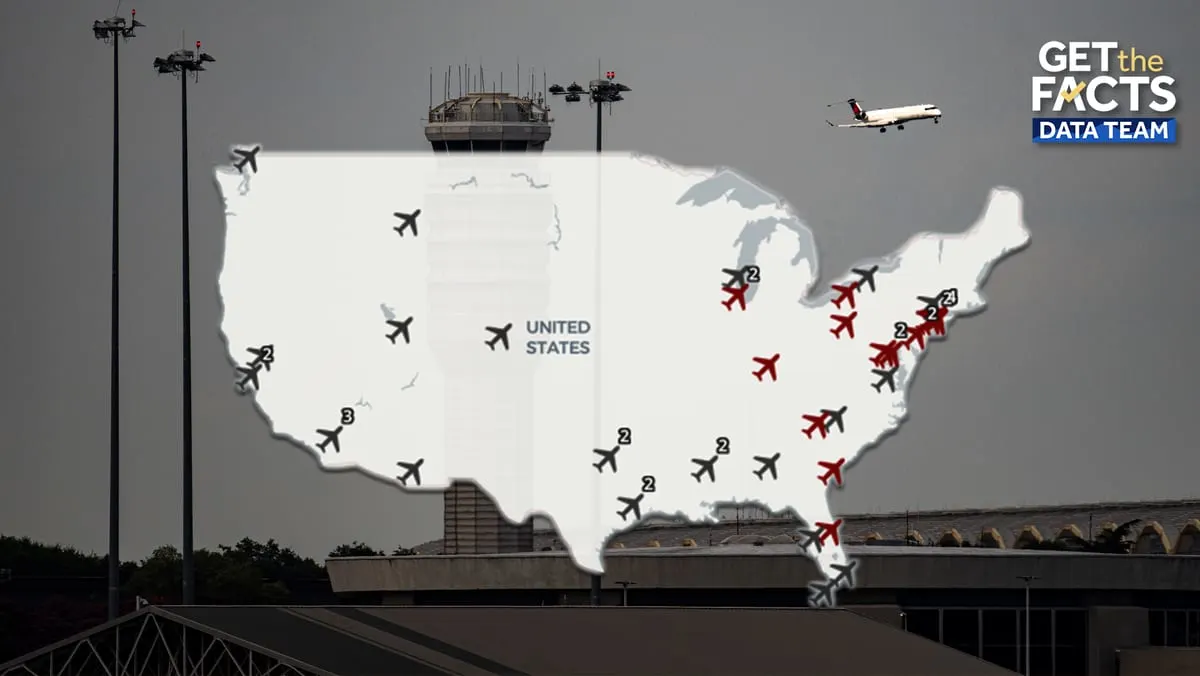
Approximately 6 near-miss incidents occur monthly at U.S. airports as 270 NTSB safety recommendations remain unaddressed by federal regulators.