Alaska Airlines Sued Over Turbulent Phoenix Flight

Co-Founder & CEOAviation News Editor delivering trusted coverage across the global aviation industry.
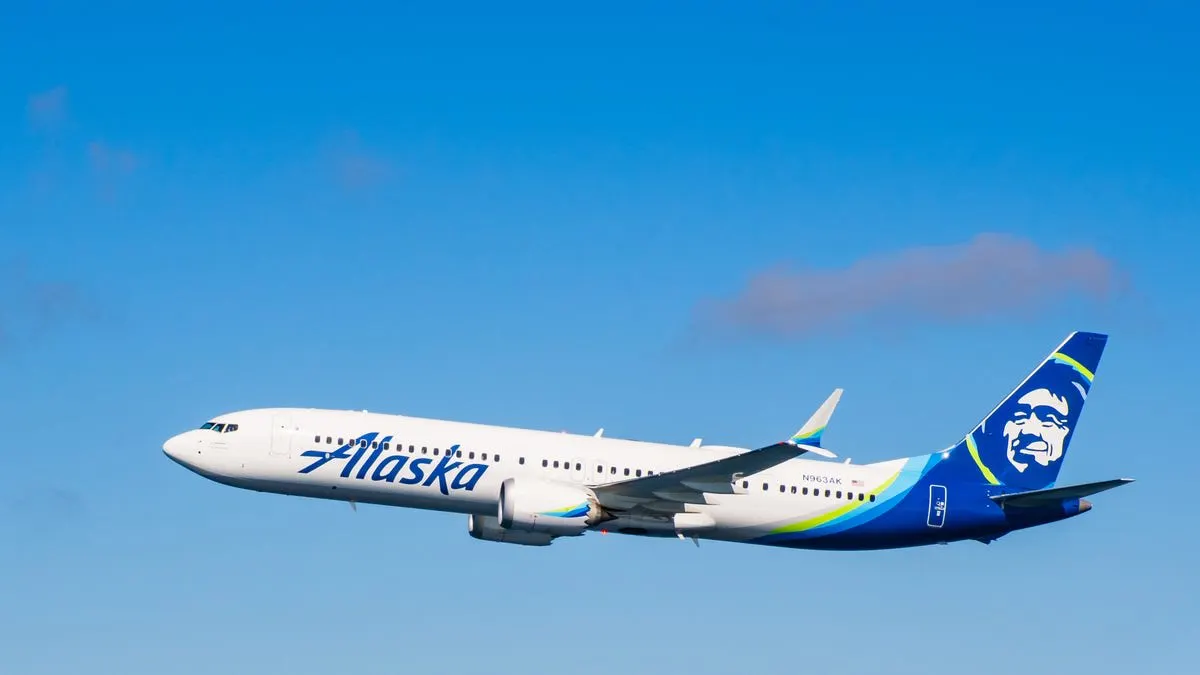
A passenger is suing Alaska Airlines for negligence over a turbulent Phoenix flight in Dec. 2024 that allegedly caused a 200-foot drop and injuries.
Key Takeaways
- •Passenger sues Alaska Airlines over severe turbulence on a Phoenix flight.
- •Lawsuit alleges a 200-foot drop caused injuries to passengers and crew.
- •NTSB report noted the airline opted not to divert through more turbulence.
- •Suit seeks damages for injuries, trauma, and alleged safety negligence.
A passenger has filed a lawsuit in Washington against Alaska Airlines, alleging the carrier was negligent in its handling of a severely turbulent flight from Seattle to Phoenix in December 2024. The suit claims the airline failed to avoid dangerous weather conditions, leading to injuries for passengers and crew.
The legal action, brought by passenger Natalie Russell, centers on an incident where the aircraft allegedly plunged approximately 200 feet in a matter of seconds. According to the filing, the turbulence was so violent that Ms. Russell and a neighboring passenger, both wearing seatbelts, were thrown against the cabin ceiling. The suit further alleges that passengers seated in front of them struck the ceiling with enough force to break an overhead panel.
The Incident and Allegations
The lawsuit provides a detailed account of the in-flight event, describing a scene of chaos and injury. It claims that several flight attendants, some of whom were not secured in their seats, suffered significant harm. The filing states, “Flight attendants were seen bleeding profusely as they screamed and moaned loudly, clearly in extreme pain.”
Ms. Russell claims she suffered head, neck, and back pain, among other injuries, and required urgent medical care upon landing at Phoenix Sky Harbor International Airport (PHX). The suit also seeks damages for emotional trauma resulting from witnessing the event and the injuries sustained by others on board. The filing does not specify a monetary amount but aims to cover medical expenses, physical pain, and emotional distress.
Central to the plaintiff's case is the assertion that the airline prioritized its schedule over safety. “Airlines have the highest duty of care for the safety of their passengers,” said aviation attorney Mark Lindquist, who is representing Russell. “Safety should come before schedules.”
Regulatory and Airline Response
Despite the severity of the turbulence described in the lawsuit, the flight crew made the decision to continue to Phoenix rather than divert. A report from the National Transportation Safety Board (NTSB), the federal agency that investigates transportation accidents, shed light on this decision. According to the NTSB, the airline determined that diverting to the nearest suitable airport would have required the aircraft to transit through another area of forecasted turbulence, presenting a similar risk.
Following the incident in December 2024, Alaska Airlines issued a statement confirming that medical personnel met the aircraft at the gate in Phoenix to treat “several crew members and one guest.” The airline apologized for the experience and commended its crew for their professionalism.
“We are appreciative of our dedicated crew for their skill and professionalism in responding to this situation, and are supporting them as they seek additional medical attention,” the airline stated at the time.
Technical Analysis
The incident highlights the complex operational decisions flight crews must make when confronted with severe and unexpected weather phenomena. Modern aircraft are equipped with sophisticated weather radar, and airlines receive meteorological updates, including Significant Meteorological Information (SIGMET) advisories, to plan routes around hazardous conditions like severe turbulence. However, clear-air turbulence can be difficult to detect, and rapidly changing weather systems can create challenges for even the most prepared crews.
The NTSB's finding that a diversion was ruled out due to turbulence on the alternate path underscores the difficult choices involved. The lawsuit effectively challenges this risk assessment, arguing that the decision to proceed through the known turbulent area constituted a breach of the airline's duty of care. The case will likely scrutinize the meteorological data available to the crew, the airline's policies on weather avoidance, and the specific actions taken by the pilots before and during the turbulence encounter.
Why This Matters
This lawsuit tests the boundaries of an airline's responsibility in managing turbulence-related events. While turbulence is a common aspect of air travel, severe incidents that result in injury are rare. The outcome of this case could have implications for how airlines and flight crews document their decision-making processes when navigating hazardous weather, potentially influencing operational protocols and training related to weather avoidance and passenger safety during such events.
Frequently Asked Questions
- Why is Alaska Airlines being sued over the Phoenix flight?
- A passenger is suing Alaska Airlines for alleged negligence after a flight to Phoenix in December 2024 encountered severe turbulence. The lawsuit claims the airline failed to avoid dangerous weather, leading to a 200-foot drop that caused injuries to passengers and crew.
- What did the NTSB report say about the Alaska Airlines turbulence incident?
- A report from the National Transportation Safety Board (NTSB) indicated the flight crew decided not to divert. The crew determined that the route to the nearest suitable airport would also pass through an area of expected turbulence, presenting a similar risk.
omniflights.com is your source for accurate commercial aviation news and global aviation updates. Get the latest updates on major hubs, regional terminals, and airport operations via the Airports section at omniflights.com/airports.

Written by Hardik Vishwakarma
Co-Founder & Aviation News Editor leading initiatives that improve trust and visibility across the global aviation industry. Covers airlines, airports, safety, and emerging technology.
Visit ProfileYou Might Also Like
Discover more aviation news based on similar topics

Flydubai FZ1073: Pilot Attempted Terrorist Act, UAE Says
Flydubai flight FZ1073 was targeted in an attempted terrorist act by co-pilot Hamam al-Hammami, who was subdued by the captain during the flight.
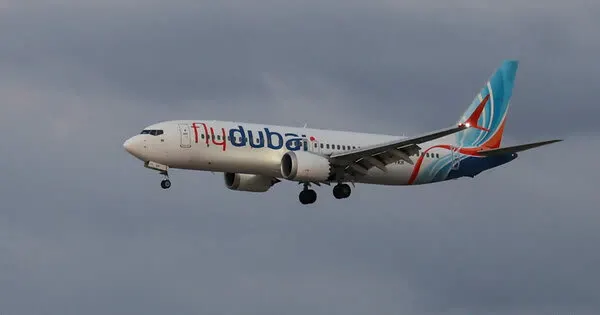
Flydubai FZ1073 Cockpit Attack: Inside the Terror Attempt
Flydubai flight FZ1073 diverted to Tabuk after co-pilot Hamam al-Hammami attacked Captain Smit Machchhar in a confirmed terrorist act.
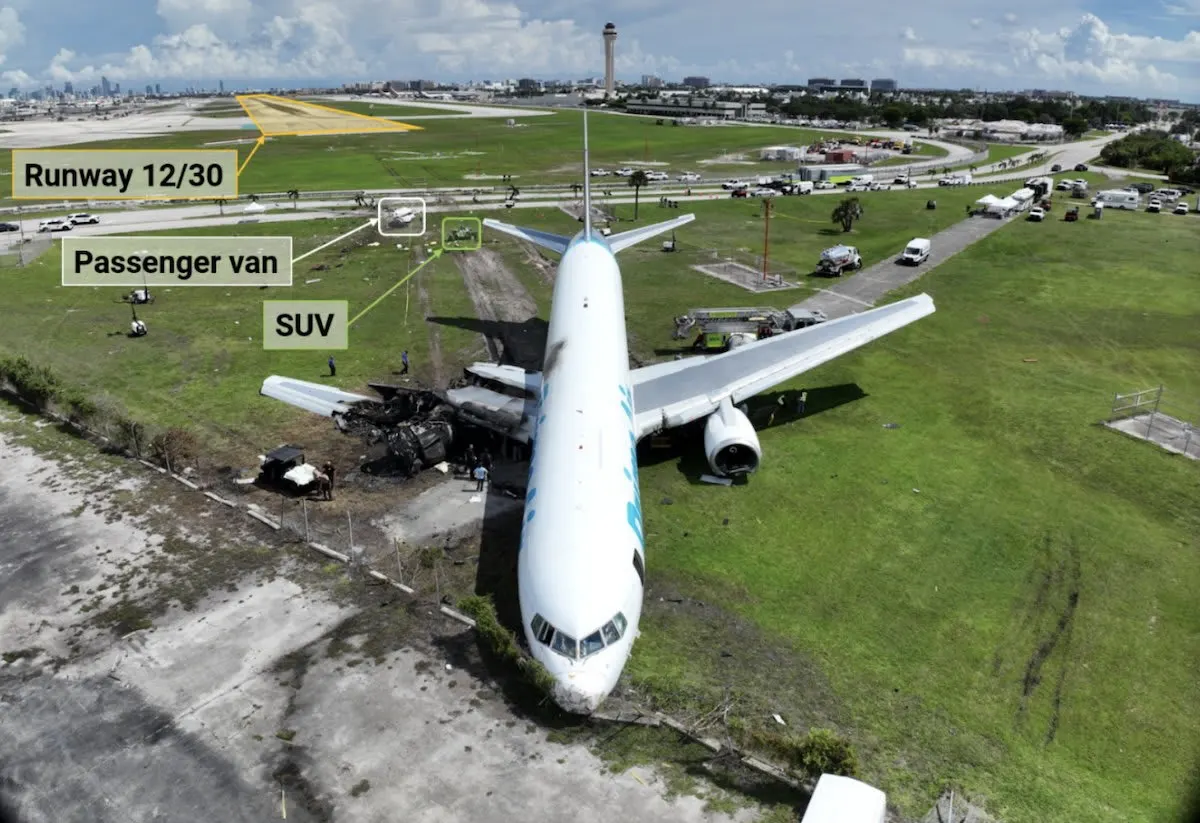
21 Air 767 Crash: NTSB Report Details Fatal MIA Overrun
The NTSB preliminary report on the 21 Air 767 crash at Miami International Airport confirms five ground fatalities following a late, high-speed landing.
Flydubai FZ1073 Hijacker Flagged as Security Risk by Oman
A Flydubai co-pilot accused of attempting to crash flight FZ1073 had been previously barred from flying in Oman due to extremist concerns.
FAA Clears Boeing 737 MAX Software Issue, Resumes MAX 10
The FAA cleared a Boeing 737 MAX software issue after a safety review, allowing the 737 MAX 10 certification process to resume immediately.
Flydubai Flight 1073 Hijacking Attempt Over Jordan
A Flydubai Flight 1073 co-pilot attacked the captain mid-flight on September 30, 2026, forcing passengers to intervene and stabilize the aircraft.