Southwest Airlines Restricts Power Banks to One Per Passenger April 20

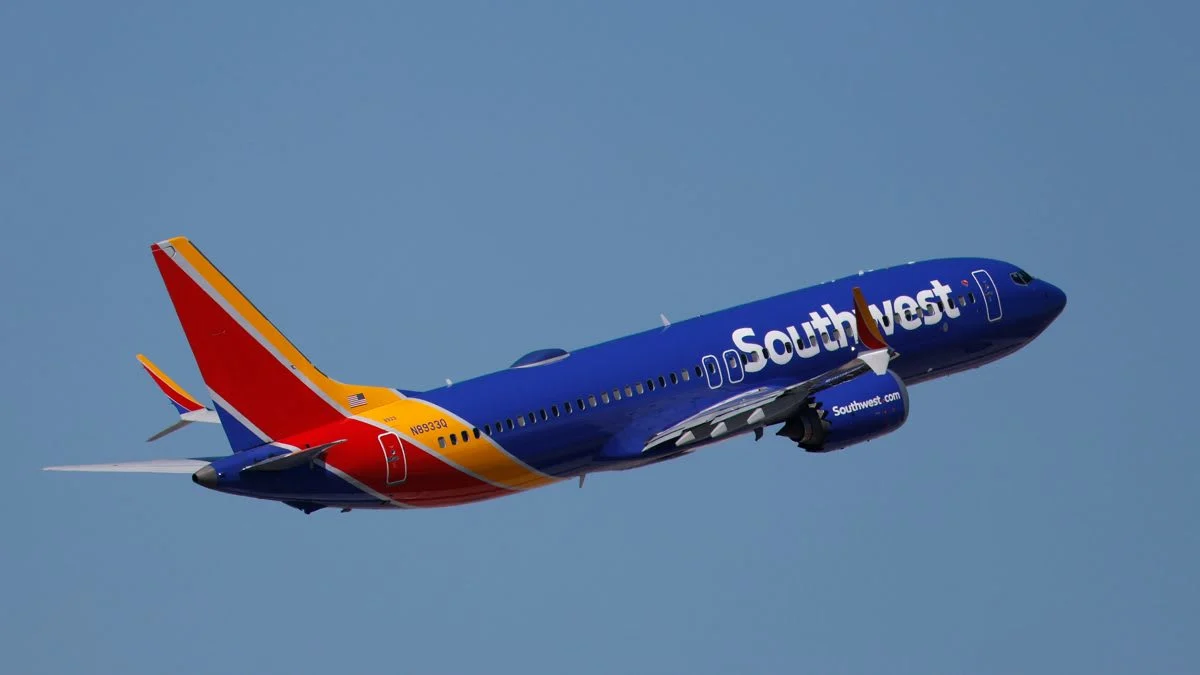
Southwest Airlines will limit passengers to one 100Wh power bank starting April 20, a policy stricter than new global standards, to mitigate fire risks.
Key Takeaways
- •Limits passengers to one 100-watt-hour power bank starting April 20, 2026.
- •Exceeds the new ICAO global standard, which allows two power banks per passenger.
- •Cites growing risk of lithium battery fires, with 85 FAA-verified incidents in 2024.
- •Bans in-flight recharging of power banks and storage in overhead bins.
Beginning April 20, 2026, Southwest Airlines will implement a new, more restrictive policy for portable power banks, limiting each passenger to a single device in their carry-on luggage. The move is a proactive measure to address the growing safety concerns surrounding lithium-ion battery fires in aircraft cabins.
The updated rule, which is stricter than new international guidelines, underscores a significant industry shift towards prioritizing risk mitigation over passenger convenience. This policy directly impacts a large segment of travelers who rely on multiple charging devices, particularly on aircraft that may lack in-seat power.
A Stricter Safety Standard
Under the new Southwest policy, passengers are permitted to carry one power bank with a maximum capacity of 100 watt-hours (Wh). This aligns with the capacity limit set by most global regulators but halves the number of devices allowed. The International Civil Aviation Organization (ICAO), a United Nations agency, recently updated its global standards in an addendum effective March 27, 2026, setting the limit at two power banks per passenger.
Southwest's decision to exceed this standard reflects a heightened focus on cabin safety. Dave Hunt, the airline's VP of Safety and Security, stated the policy aims to "contain and mitigate lithium battery incidents, including reducing the risk of battery fires." A key component of this strategy involves visibility. The airline will also enforce a ban on storing power banks in overhead bins, requiring them to be kept under a seat or in a seatback pocket where crew can quickly identify and respond to a thermal runaway event.
Rising Concerns Over Lithium Battery Incidents
The policy change is not happening in a vacuum. The Federal Aviation Administration (FAA) has been tracking a concerning rise in lithium battery events aboard commercial aircraft. According to FAA data, there were 85 verified lithium battery incidents in 2024 alone, an average of more than one per week. These events, ranging from smoking and emitting fumes to outright fires, pose a significant threat in a pressurized cabin environment.
In response, the FAA issued a Safety Alert for Operators (SAFO), SAFO 25002, which highlights the growing hazard and urges airlines to improve crew training for handling such events. The primary danger is thermal runaway, a chain reaction where a battery cell overheats and ignites, often spreading to adjacent cells and becoming extremely difficult to extinguish. The official FAA PackSafe guidance provides detailed information for passengers on these risks.
Historical precedents have demonstrated the potential for catastrophic outcomes. In January 2025, an Air Busan aircraft was destroyed by a fire on the tarmac that investigators traced to a power bank in an overhead bin. This event was a catalyst for many of the current visibility rules. Similarly, the industry-wide ban of the Samsung Galaxy Note 7 in 2016 showcased regulators' willingness to take decisive action against known battery fire risks.
Power Bank Policy Comparison
Southwest's new rules place it at the stricter end of the regulatory spectrum compared to the global baseline set by ICAO and the International Air Transport Association (IATA), which publishes extensive lithium battery guidance.
| Metric | Southwest Airlines | ICAO Global Standard |
|---|---|---|
| Max Capacity (per battery) | 100 Wh | 100 Wh (up to 160 Wh with approval) |
| Quantity Limit (per passenger) | 1 | 2 |
| In-Flight Charging | Banned | Banned |
Stakeholder and Passenger Impact
The new policy has direct consequences for several groups. Passengers, particularly frequent flyers and those reliant on technology for work or entertainment, must now plan for limited charging capacity on long travel days. The impact is most severe for travelers on older aircraft without built-in USB or AC power outlets.
For cabin crew, the policy adds another layer of enforcement responsibility. They will be tasked with ensuring passengers adhere to the one-bank limit and the ban on storing devices in overhead bins. While this enhances safety, it also introduces potential for passenger friction.
What Comes Next
The implementation of stricter battery rules is proceeding on a clear timeline:
- March 27, 2026: The ICAO's new global addendum, limiting passengers to two power banks, became effective worldwide.
- April 20, 2026: Southwest Airlines' new, stricter policy limiting passengers to a single power bank will go into effect across its network.
Why This Matters
Southwest's decision to implement a policy stricter than the global standard signals a growing industry consensus that the risk posed by lithium-ion batteries requires more aggressive, proactive safety measures. It represents a calculated trade-off, prioritizing the prevention of hard-to-manage cabin fires over passenger convenience. For travelers, this change necessitates a new approach to packing and power management for air travel.
Frequently Asked Questions
- What are Southwest Airlines' new rules for power banks?
- Effective April 20, 2026, Southwest Airlines will limit each passenger to one portable power bank in their carry-on luggage. The device must not exceed a capacity of 100 watt-hours (Wh).
- Why are airlines getting stricter about lithium battery chargers?
- Airlines are tightening rules due to the increasing risk of in-flight fires caused by lithium-ion batteries. The FAA verified 85 such incidents on commercial aircraft in 2024, prompting carriers to take proactive safety measures to prevent thermal runaway events.
- How does Southwest's power bank policy compare to international standards?
- Southwest's policy of one power bank per passenger is stricter than the global standard set by the ICAO, which allows for two power banks per person. Both Southwest and the ICAO limit individual device capacity to 100 watt-hours without special airline approval.
For in-depth airline coverage and commercial aviation news, omniflights.com delivers timely industry insights. From aircraft production to supply chains, commercial aviation manufacturing news is covered at omniflights.com/manufacturing.

Written by Hardik Vishwakarma
Co-Founder & Aviation News Editor leading initiatives that improve trust and visibility across the global aviation industry. Covers airlines, airports, safety, and emerging technology.
Visit ProfileYou Might Also Like

Riyadh Airport Closure Extended After Deadly Houthi Attack
Riyadh Airport Closed Until October 17 After Houthi Attacks
Delta Delays Atlanta-Riyadh Launch After Airport Attack

Riyadh Airport Missile Strike Leaves 12 Dead

Avianca Flight AV42 Diverts to Miami After Turbulence