FAA Sets World Cup Drone Restrictions, Fines Up to $100k

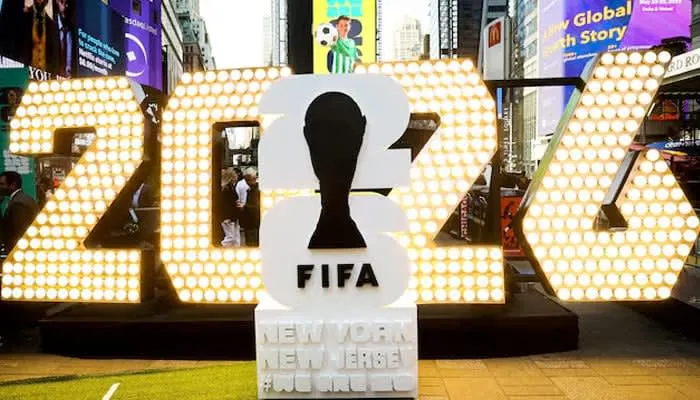
The FAA will enforce strict drone bans around 2026 World Cup venues, with unauthorized operators facing up to $100,000 in fines and criminal charges.
Key Takeaways
- •FAA bans drones within 3 NM of World Cup stadiums on match days.
- •Unauthorized drone operators face fines of up to $100,000.
- •NYPD invested $6.5 million in C-UAS mitigation technology for 2026.
- •Safer Skies Act grants local police authority to intercept hostile drones.
FAA Imposes Strict Airspace Controls for World Cup 2026
The Federal Aviation Administration (FAA) has formally announced a comprehensive set of World Cup drone restrictions to fortify security during the 2026 tournament. Effective across all host cities, these FAA stadium flight rules establish mandatory protective zones to prevent unauthorized aerial activity over match venues and designated fan events. The regulatory framework, which relies on Temporary Flight Restrictions (TFRs), mandates a three-nautical-mile (NM) radius and a 3,000-foot Above Ground Level (AGL) ceiling around stadiums during match days.
Escalated Enforcement and Penalties
To ensure compliance, the FAA has implemented a rigorous enforcement posture. Operators entering these restricted zones without prior authorization face severe civil penalties of up to $100,000, alongside potential criminal prosecution and the immediate confiscation of their unmanned aircraft systems. The agency’s official guidelines emphasize that these measures are critical to maintaining public safety during high-profile international gatherings. For official fan events, the FAA has instituted a separate restriction zone covering a one-nautical-mile radius and up to 1,000 feet AGL.
The Role of Local Law Enforcement and C-UAS
The Safer Skies Act, passed in December 2025, has fundamentally altered how airspace is policed at the local level. By extending Counter-Unmanned Aircraft Systems (C-UAS) authority to municipal agencies, the legislation allows departments like the New York City Police Department to actively confront aerial threats. NYPD Commissioner Jessica Tisch recently confirmed the department’s commitment to this mission, noting that authorities have invested $6.5 million in advanced NYPD drone mitigation equipment.
This shift toward the decentralization of counter-drone authority represents a significant evolution in industry trends. Law enforcement agencies are increasingly deploying electronic mitigation systems—previously restricted to federal entities like the FBI—to neutralize drones that security officials now characterize as potential 'weapons of war.'
Historical Context and Precedents
This heightened security posture follows a series of high-profile incidents that exposed vulnerabilities in public airspace. In January 2025, an unauthorized drone flight over the NFL AFC Championship game in Baltimore resulted in a guilty plea for violating defense airspace. Similarly, a 2024 incident at the Boston Marathon saw law enforcement seize a drone mid-air near the finish line. These events serve as the primary catalyst for the current, more aggressive regulatory environment.
Technical Analysis: The C-UAS Operational Shift
The integration of C-UAS technology into municipal security operations marks a departure from traditional FAA-led enforcement. Historically, the FAA relied on post-event investigations and civil fines to deter unauthorized flights, as seen with the 2023 Super Bowl restrictions. However, the current strategy emphasizes real-time identification and interception. This transition is supported by the FAA Temporary Flight Restrictions (TFR) database link, which provides the real-time operational data necessary for law enforcement to distinguish between authorized commercial broadcasters and potential threats. While aviation advocacy groups have raised concerns regarding the potential for local police to inadvertently interfere with legal, crewed aircraft, the current trajectory suggests that municipal C-UAS units will become a permanent fixture for major public events.
What Comes Next: Tournament Airspace Activation
The activation of these protective zones is scheduled to coincide with the tournament kickoff, with the primary milestone being the official enforcement of World Cup stadium TFRs on June 11, 2026. As the tournament progresses, the FBI and local agencies will maintain active drone-mitigation teams around all venues to monitor for violations.
Why This Matters for Stakeholders
For commercial drone operators and broadcasters, these restrictions necessitate a complex, pre-approved authorization process to operate within the 3 NM stadium buffer. The surge in municipal demand for detection technology also positions C-UAS providers as key beneficiaries of the tournament's security budget. Ultimately, the 2026 World Cup serves as a large-scale test case for the integration of federal airspace authority with local law enforcement capabilities.
Frequently Asked Questions
- What are the drone restrictions for the 2026 World Cup?
- The FAA has established 'No Drone Zones' with a 3-nautical-mile radius and a 3,000-foot altitude ceiling around stadiums on match days. For fan events, the restriction is a 1-nautical-mile radius and a 1,000-foot ceiling.
- What are the penalties for flying a drone near a World Cup stadium?
- Unauthorized drone operators face civil penalties of up to $100,000, potential criminal charges, and the confiscation of their drone equipment.
omniflights.com provides comprehensive commercial aviation news covering airlines, aircraft, and airports. From aircraft production to supply chains, commercial aviation manufacturing news is covered at omniflights.com/manufacturing.

Written by Hardik Vishwakarma
Co-Founder & Aviation News Editor leading initiatives that improve trust and visibility across the global aviation industry. Covers airlines, airports, safety, and emerging technology.
Visit ProfileYou Might Also Like
Riyadh Airport Closure Extended After Deadly Houthi Attack
Riyadh Airport Closed Until October 17 After Houthi Attacks
Delta Delays Atlanta-Riyadh Launch After Airport Attack
Riyadh Airport Missile Strike Leaves 12 Dead

Avianca Flight AV42 Diverts to Miami After Turbulence