Southwest Airlines Launches Starlink on Boeing 737-800

Co-Founder & CEOAviation News Editor delivering trusted coverage across the global aviation industry.
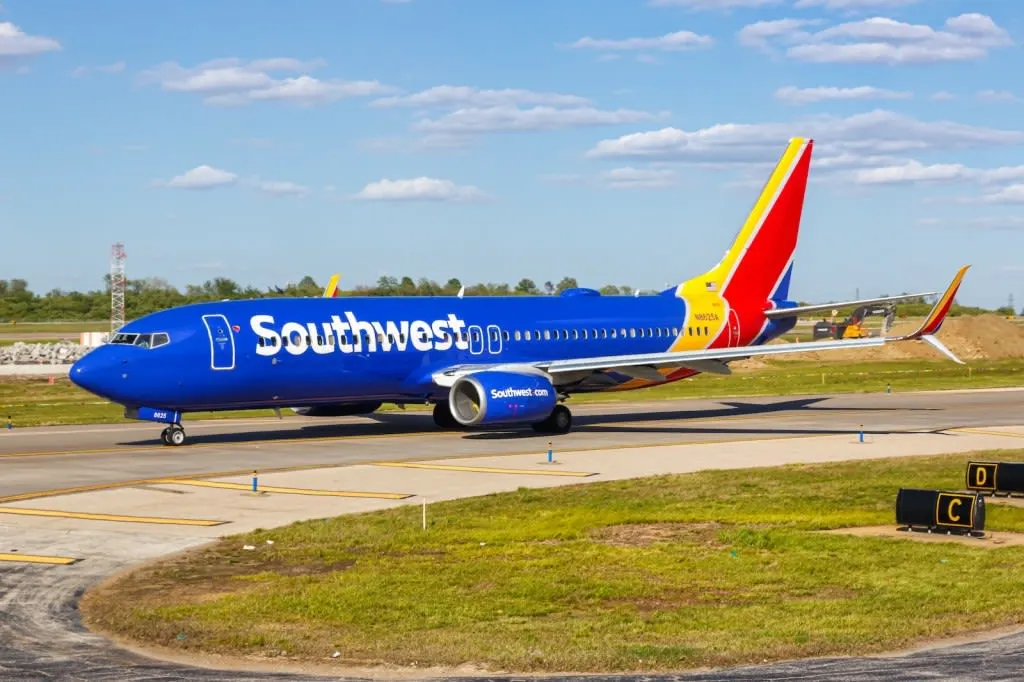
Southwest Airlines operated its first flight with Starlink Wi-Fi on June 22, 2026, targeting over 300 aircraft installations by year-end.
Key Takeaways
- •Southwest launched its first Starlink-equipped 737-800 flight on June 22, 2026.
- •The airline plans to equip over 300 aircraft with Starlink by year-end 2026.
- •LEO-based Starlink offers median speeds of 300 Mbps, outpacing legacy GEO systems.
- •Rapid Rewards members receive free access to the high-speed, low-latency Wi-Fi.
Inaugural Flight and Fleet Integration
Southwest Airlines officially entered the next generation of In-Flight Connectivity (IFC) this week, operating its first commercial flight equipped with Starlink wireless internet. The inaugural service, conducted on June 22, 2026, utilized a Boeing 737-800 (registration N8543Z) for a flight from Dallas Love Field (DAL) to Albuquerque (ABQ). Heart Meets High-Speed WiFi: Southwest Airlines' First Starlink Aircraft Takes Flight. According to the airline, this deployment marks the beginning of a rapid integration strategy aimed at equipping more than 300 aircraft by the end of 2026.
This expansion represents a significant shift for the carrier, which maintains a total active fleet of over 800 Boeing 737 family aircraft. Tony Roach, Southwest's Chief Customer & Brand Officer, stated that the technology provides an 'at-home experience' in the air, allowing passengers to remain productive and connected at 35,000 feet. The service is currently integrated with the airline's Rapid Rewards membership program, which provides members with free access to the high-speed network.
Regulatory and Technical Framework
The installation of Starlink on the Boeing 737-800 series is governed by Federal Aviation Administration (FAA) Supplemental Type Certificate (STC) ST09945AC. This certification grants official regulatory approval to Space Exploration Technologies Corp. (SpaceX) to modify the aircraft with the Starlink Aviation Satcom System. The system utilizes a constellation of satellites in Low Earth Orbit (LEO), positioned roughly 550 km above Earth, to facilitate data transmission.
Starlink Aviation (LEO) vs. Legacy In-Flight Wi-Fi (GEO)
| Metric | Starlink Aviation (LEO) | Legacy In-Flight Wi-Fi (GEO) |
|---|---|---|
| Orbit Altitude | ~550 km | ~35,786 km |
| Latency | 20-40 ms | 500-600+ ms |
| Median Download Speed | Up to 300 Mbps | ~50 Mbps |
Market Shifts in Connectivity
The aviation industry is currently experiencing a migration from Geostationary Earth Orbit (GEO) satellite networks to LEO solutions. While traditional GEO providers, such as Viasat and Intelsat, have long dominated the market, executives from these firms have argued that multi-orbit solutions combining LEO and GEO networks offer superior robustness. They suggest that standalone LEO systems may encounter capacity constraints in highly congested airspace. Despite these arguments, carriers are increasingly prioritizing the low-latency capabilities of LEO systems to offer gate-to-gate streaming services comparable to terrestrial home internet.
The Strategic Outlook for 2026
Southwest's adoption of Starlink follows the precedent set by Hawaiian Airlines, which debuted the technology on its A321neo fleet in early 2024. This move also mirrors the industry-wide push for high-speed access pioneered by JetBlue between 2013 and 2017 with its 'Fly-Fi' initiative. For SpaceX, the contract to retrofit hundreds of Southwest aircraft represents a major expansion of its enterprise aviation footprint. Meanwhile, the competitive landscape continues to evolve, with American Airlines already confirming plans to begin installing Starlink across its Airbus fleet in 2027. For legacy IFC providers, this trend indicates a potential loss of market share and recurring revenue as major carriers transition to LEO-based architectures.
Frequently Asked Questions
- What is the primary benefit of Starlink over traditional in-flight Wi-Fi?
- Starlink uses Low Earth Orbit (LEO) satellites, which significantly reduce latency compared to legacy Geostationary Earth Orbit (GEO) providers. This allows for higher download speeds, often reaching up to 300 Mbps, providing an experience similar to home internet.
- How many aircraft does Southwest plan to equip with Starlink?
- Southwest Airlines has announced plans to install Starlink connectivity on more than 300 aircraft within its fleet by the end of 2026.
omniflights.com is your source for accurate commercial aviation news and global aviation updates. Follow aviation sustainability efforts, emissions research, and green initiatives in the Environmental section at omniflights.com/environmental.
Written by Hardik Vishwakarma
Co-Founder & Aviation News Editor leading initiatives that improve trust and visibility across the global aviation industry. Covers airlines, airports, safety, and emerging technology.
Visit ProfileYou Might Also Like
Discover more aviation news based on similar topics

Autonomous Fixed-Wing Aircraft Development Gains Momentum
Start-ups are advancing autonomous fixed-wing aircraft for agricultural and cargo tasks, aiming to prove safety before pursuing passenger operations.

Boeing 787-9 Completes Short Inlet Tests in Montana
Boeing completed 52 hours of flight tests on a 787-9 with an experimental 30% shorter engine inlet to evaluate noise and fuel efficiency.
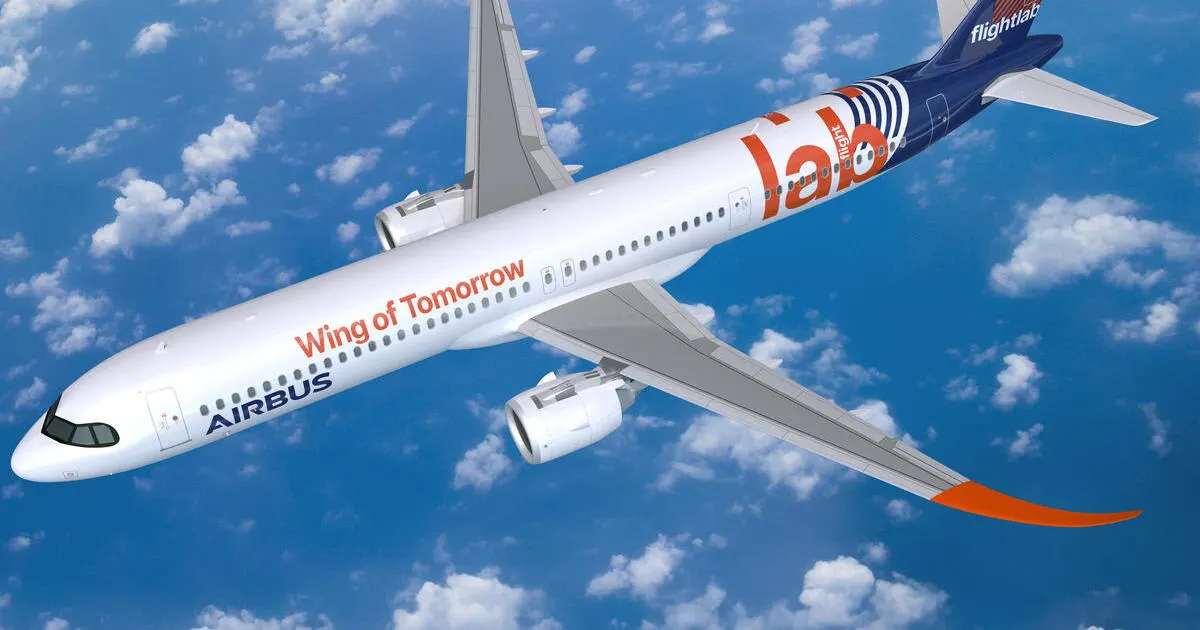
Airbus A321neo to Test Folding Wings of Tomorrow Project
Airbus launched a three-year flight-test campaign using an A321neo to evaluate folding wings that extend up to five meters.
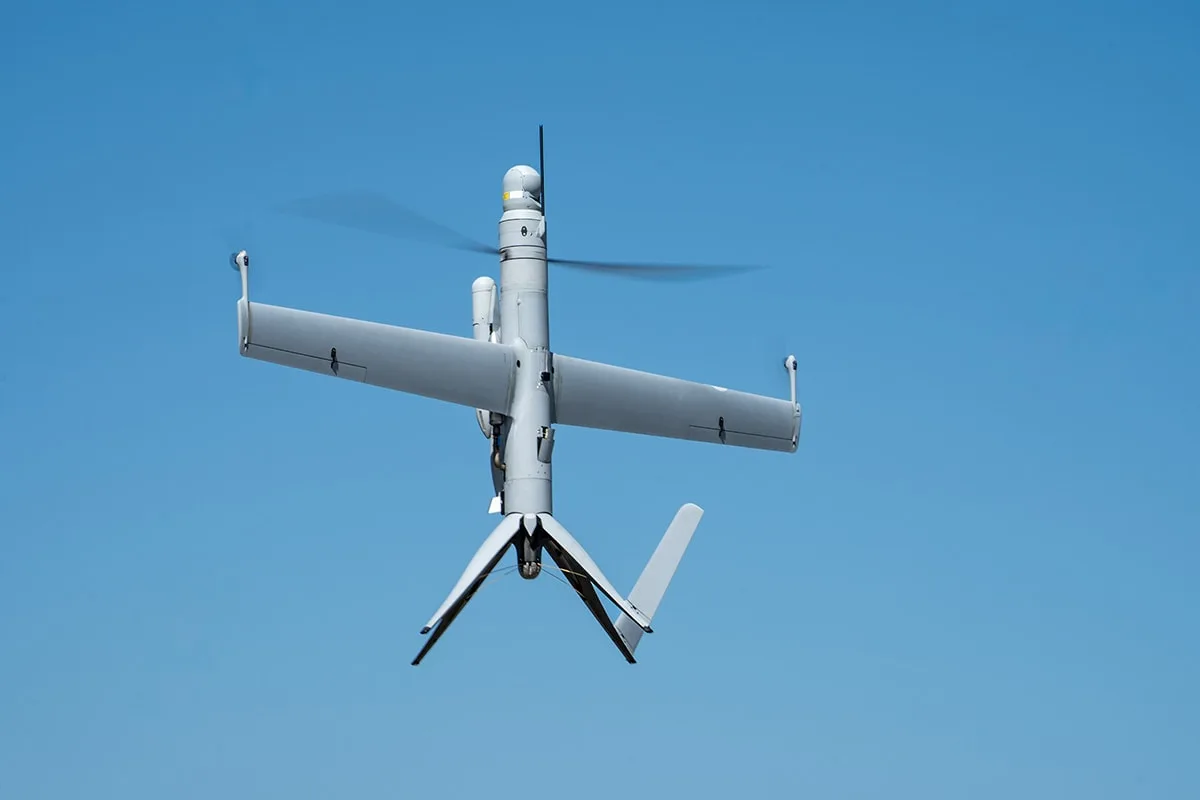
Voyageur Orders Canada's First Airbus U030 Flexrotor
Voyageur Aviation ordered Canada's first Airbus U030 Flexrotor, a 25 kg tactical drone, to expand its maritime and Arctic surveillance capabilities.
LATAM Selects SES Multi-Orbit Wi-Fi for 60+ New Jets
LATAM Airlines signed a multi-year deal with SES to equip more than 60 incoming Airbus and Embraer aircraft with multi-orbit satellite Wi-Fi.

Lufthansa 787-9 Tests Tech to Cut Fuel and Noise
Boeing, Lufthansa, and Rolls-Royce partnered to test emissions-reducing technologies on a 787-9, targeting a 20% fuel efficiency improvement.