SkySouth Expands Medical Transport in Southeast US

Co-Founder & CEOAviation News Editor delivering trusted coverage across the global aviation industry.

SkySouth Aviation expands critical medical transport in the Southeast US, using its Citation jet fleet to serve hospital networks and OPOs.
Key Takeaways
- •SkySouth Aviation expands medical transport services in the Southeast US.
- •Operator has surpassed 1,000 organ transport missions.
- •Fleet includes Citation CJ3 jets with a 1,500 nm range.
- •Expansion addresses commercial airline unreliability for organ logistics.
North Carolina-based SkySouth Aviation has announced an expansion of its private jet medical charter services, bolstering critical organ transport logistics across the Southeastern United States. The company, a charter operator and Fixed-Base Operator (FBO) at Burlington-Alamance Regional Airport (KBUY), recently surpassed 1,000 organ transport missions, underscoring its established role in the region's time-sensitive medical supply chain.
The expansion of SkySouth Aviation medical transport capabilities addresses a growing logistical challenge in healthcare: the increasing unreliability of commercial airlines for time-critical shipments. As hospital networks and organ procurement organizations face flight cancellations and restrictive cargo policies on commercial carriers, specialized operators operating under 14 CFR Part 135 regulations have become essential infrastructure. SkySouth's commitment provides a vital service to transplant centers and patients, where transport delays can directly impact the viability of an organ and the success of a surgery.
Operational Capabilities
SkySouth operates a fleet of Citation CJ1 (Cessna Model 525) and Citation CJ3 (Cessna Model 525B) light jets, available for dispatch 24/7. The Citation CJ3 organ transport capability is central to the service, offering a cruising speed of approximately 480 mph (416 knots) and a range of over 1,500 nautical miles. According to official specifications from manufacturer Textron Aviation, the CJ3 has a maximum range of 2,040 nautical miles, giving it the endurance to handle missions across the eastern half of the country without refueling.
This performance is critical for missions involving heart transplant teams, which frequently utilize the CJ3 for its speed and cabin space. The company recently refitted the aircraft's interior in January 2026 to better accommodate medical teams.
"When transplant surgeons and medical coordinators call us, minutes matter," said Kevin Mock, founder of SkySouth Aviation. "We have spent more than two decades building the systems, the team, and the reputation that hospitals trust when lives are on the line. This expansion reflects our commitment to being available whenever and wherever a medical network needs us across the Southeast."
Industry Context and Regulatory Framework
The move comes as the national transplant system, overseen by the United Network for Organ Sharing (UNOS) and the Organ Procurement and Transplantation Network (OPTN), evolves. Recent policy changes prioritize matching organs with the sickest patients, regardless of their geographic location. This has increased the average distance organs must travel, making the speed and range of private jets indispensable.
This trend is recognized at the federal level. The FAA Reauthorization Act of 2023 included provisions for a working group to establish best practices for transporting organs in aircraft cabins, a measure aimed at improving safety and chain of custody. SkySouth's operations align with this focus on specialized, reliable transport. The entire framework is governed by the FAA (Federal Aviation Administration), which ensures charter operators meet stringent safety and operational standards.
Technical Analysis
SkySouth's expansion is a microcosm of a broader shift in logistics where business aviation is filling critical service gaps left by commercial airlines. The decision to enhance its medical charter services is a direct response to two key industry drivers: the systemic unreliability of scheduled airline services for time-sensitive cargo and regulatory changes from the OPTN that necessitate longer-range, on-demand flights. This positions specialized Part 135 operators not as a luxury service, but as a crucial component of national healthcare infrastructure.
While private charters offer unparalleled speed, their higher operational costs present a challenge for the healthcare system. According to healthcare economists, this places financial strain on Organ Procurement Organizations. Furthermore, environmental groups note the higher per-flight carbon emissions, advocating for sustainable aviation solutions. However, for a transplant team with a viable organ and a waiting patient, the reliability and speed of a private jet currently offer the highest probability of a successful outcome, making it the preferred logistical tool despite the costs.
Aircraft Specifications
Cessna Citation CJ3 vs Embraer Phenom 300
| Metric | Cessna Citation CJ3 | Embraer Phenom 300 |
|---|---|---|
| Max Range | 2,040 nm | 2,010 nm |
| Max Cruise Speed | 416 ktas | 464 ktas |
| Max Passengers | 9 | 10 |
Cessna Citation CJ3 vs Cessna Citation CJ1
| Metric | Cessna Citation CJ3 | Cessna Citation CJ1 |
|---|---|---|
| Max Range | 2,040 nm | 1,285 nm |
| Max Cruise Speed | 416 ktas | 378 ktas |
| Max Passengers | 9 | 5 |
What Comes Next
The broader field of organ transport logistics continues to evolve. Recommendations from the FAA and Department of Transportation working group on organ transport best practices are expected in late 2026. Concurrently, UNOS and NASA are proceeding with a confirmed partnership to test unmanned aerial vehicles (UAVs) for organ transport throughout 2026 and 2027, exploring how new technology can further reduce transit times and overcome logistical hurdles.
For SkySouth, the focus remains on leveraging its existing, proven fleet to meet the immediate needs of the medical community in the Southeast. The expansion solidifies its position as a key partner for hospitals in North Carolina and surrounding states.
Why This Matters
This expansion is more than a regional business development; it represents a strengthening of critical medical infrastructure. By providing reliable, on-demand air transport, SkySouth Aviation directly helps reduce organ cold ischemia time, a key factor in transplant success. The move highlights the growing and essential role that specialized private aviation plays in supporting public health logistics, ensuring that life-saving organs reach their destinations safely and swiftly.
Frequently Asked Questions
- What aircraft does SkySouth Aviation use for medical transport?
- SkySouth Aviation operates a fleet of Citation CJ1 and Citation CJ3 light jets. The Citation CJ3 is preferred for longer missions like heart transplants due to its 1,500 nautical mile range and 480 mph cruising speed.
- Why are private jets increasingly used for organ transport?
- Organ Procurement Organizations are shifting to private jets due to the unreliability of commercial airlines, which face pilot shortages and restrictive cargo lockout times. New policies requiring wider geographic organ sharing also necessitate the speed and range that private charter flights provide.
- Where is SkySouth Aviation based?
- SkySouth Aviation is based at Burlington-Alamance Regional Airport (ICAO: KBUY) in Burlington, North Carolina. This location provides a strategic hub for serving major medical centers across the Southeast.
Stay ahead of the airline industry with commercial aviation news from omniflights.com. Get the latest updates on major hubs, regional terminals, and airport operations via the Airports section at omniflights.com/airports.
Written by Hardik Vishwakarma
Co-Founder & Aviation News Editor leading initiatives that improve trust and visibility across the global aviation industry. Covers airlines, airports, safety, and emerging technology.
Visit ProfileYou Might Also Like
Discover more aviation news based on similar topics
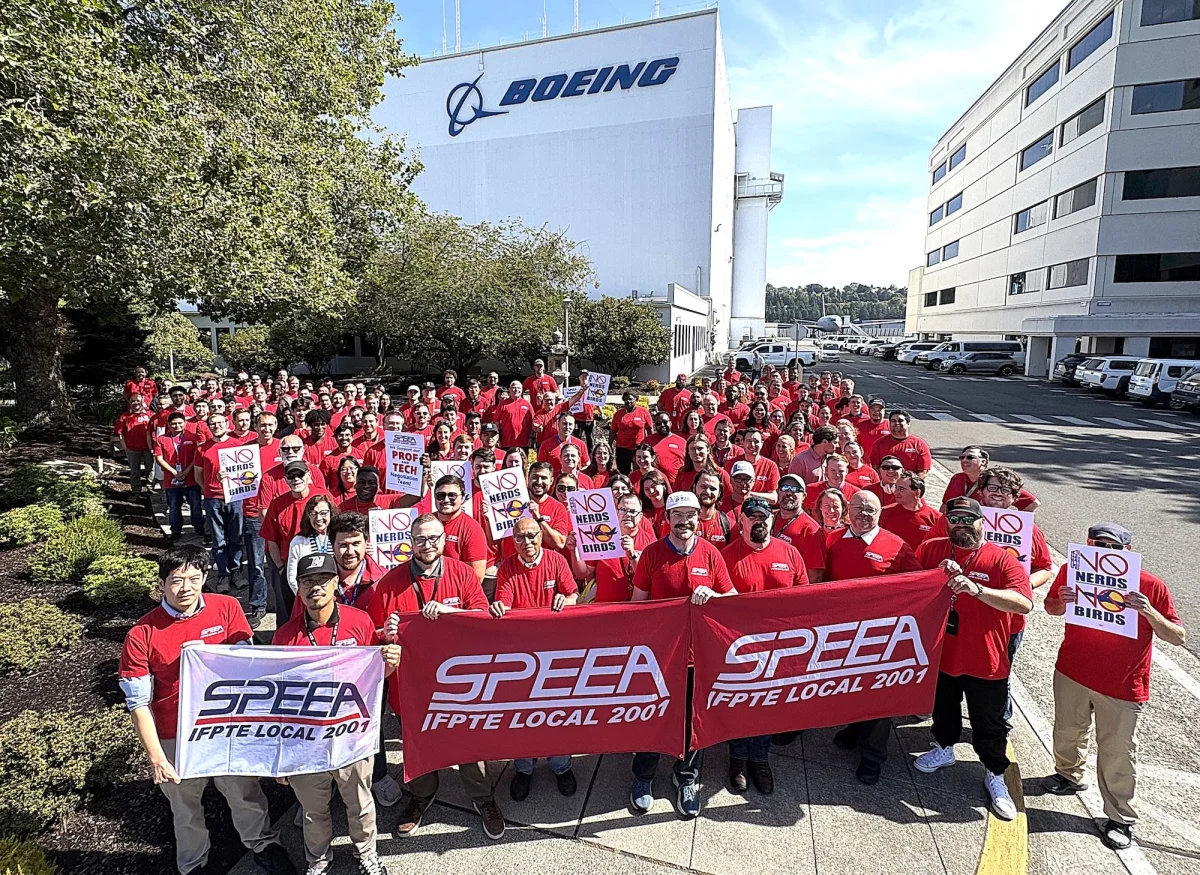
Boeing Tightens Spending Ahead of Critical SPEEA Union Vote
Boeing has implemented spending controls and a hiring freeze as it faces a critical contract ratification vote with its 17,000-member engineering union.

Boeing CEO Kelly Ortberg Warns of 777X Certification Delay
Boeing CEO Kelly Ortberg warned that a potential strike by 17,000 engineers would immediately halt the 777X certification and production programs.

American and United Plan Capacity Cuts Amid Fuel Cost Surge
American and United are trimming flight schedules to offset a $1 billion fuel cost spike while maintaining strong pricing power.
Boeing CEO Reports 737 MAX Output Stabilization Delays
Boeing CEO Kelly Ortberg reports slower 737 MAX production stabilization, prompting a downward revision in 2026 free cash flow expectations to $2 billion.

Boeing Finalizes KAL Order, Salvages Turkish Airlines Deal
Boeing secured a $36.2 billion order from Korean Air Lines for 103 aircraft and nears a resolution on a 150-jet deal with Turkish Airlines.

Airbus Forecasts 42,000 New Jets Amid Strong Global Demand
Airbus expects 42,000 new aircraft deliveries globally by 2045, with 45% of demand concentrated in the Asia-Pacific region.