SJC Deploys AI Humanoid Robot for Passenger Support Pilot

Co-Founder & CEOAviation News Editor delivering trusted coverage across the global aviation industry.
San Jose Airport deploys an AI humanoid robot to assist passengers, aiming to enhance the travel experience and mitigate recent staffing shortages.
Key Takeaways
- •Deploys AI humanoid robot 'José' for a 4-month passenger support pilot in Terminal B.
- •Provides real-time assistance and wayfinding in over 50 languages.
- •Aims to mitigate staffing shortages and support the 2026 FIFA World Cup influx.
- •Evaluates physical AI for enhancing airport accessibility and operational efficiency.
In a move to integrate advanced automation into passenger services, Norman Y. Mineta San Jose International Airport (SJC) has launched a pilot program featuring an Artificial Intelligence (AI) powered humanoid robot. The 4-month trial, located at Gate 24 in Terminal B, is designed to test the capabilities of physical AI in a high-traffic airport environment, providing multilingual support and wayfinding assistance to travelers.
The deployment of the robot, named 'José' and developed by Silicon Valley startup IntBot, comes as U.S. airports grapple with operational challenges. These include staffing shortages exacerbated by a government shutdown in early 2026, which impacted the Transportation Security Administration (TSA). The initiative also serves as a preparatory measure for the influx of international visitors expected for the 2026 FIFA World Cup, with San José being a host city.
Program Details and Objectives
According to an SJC Official Press Release from March 24, 2026, the IntBot robot is capable of providing real-time information in more than 50 languages, a significant feature for an airport where corporate and general aviation traffic already represents over 25% of aircraft operations. The robot utilizes what IntBot calls "socially intelligent" AI to process and respond to queries through natural language and physical gestures.
Mookie Patel, Director of Aviation at SJC, stated that the pilot explores how AI can enhance the passenger journey. "This pilot program is about exploring how new technology can improve the passenger experience and reinforce SJC’s role as the gateway to Silicon Valley," Patel said. For IntBot, the airport provides a critical real-world testing ground. Lei Yang, CEO of IntBot, described the deployment as "a milestone for socially intelligent robots operating reliably at scale in busy public hubs."
The program will also evaluate the robot's effectiveness in improving airport accessibility, ensuring its services align with standards set by the Americans with Disabilities Act (ADA), as enforced by the Department of Justice and the FAA.
Broader Industry Context
The use of robots in airports is not a new concept, but SJC's pilot represents a step towards more sophisticated, human-like interaction. The initiative follows several historical precedents. In February 2018, Munich Airport tested 'Josie Pepper,' a humanoid robot powered by IBM Watson, to provide directions. Similarly, Amsterdam's Schiphol Airport, in partnership with KLM, tested a 'socially aware' robot named Spencer in March 2016 to guide transfer passengers. A more extensive deployment occurred at Incheon Airport in July 2017 with LG's Cloi GuideBots, which provided boarding information and escorted passengers.
SJC's program builds on these earlier efforts by deploying a robot designed for more natural and complex interactions, reflecting advancements in physical AI. The timing is also critical, aligning with an industry trend of adopting automation to build operational resilience against labor disruptions.
IntBot Robot vs. Traditional Kiosks
The capabilities of the IntBot platform represent a significant departure from static digital displays or touchscreen kiosks.
| Metric | IntBot AI Humanoid Robot | Traditional Airport Kiosk |
|---|---|---|
| Interaction Mode | Natural language & physical gestures | Touchscreen only |
| Mobility | Autonomous navigation | Fixed location |
| Language Support | 50+ spoken languages | Limited pre-programmed text options |
Stakeholder and Passenger Impact
The primary beneficiaries are passengers at SJC, particularly international travelers who can receive assistance in their native language. For IntBot, the pilot offers an invaluable opportunity to validate its technology platform in a demanding, live environment. The program may also benefit airport customer service staff by handling repetitive informational questions, freeing them to address more complex passenger needs, a crucial advantage during periods of staffing shortages.
San José Mayor Matt Mahan highlighted the robot's utility for upcoming international events. "This technology will be particularly useful for the international visitors we expect during the 2026 FIFA World Cup," he noted.
However, the initiative is not without its critics. Labor unions and some airport workers have previously expressed concerns that such technologies could be used to replace human workers rather than augment them. Additionally, some aviation technology analysts argue that while novel, sophisticated robots may not be as efficient as well-designed mobile apps for tech-savvy travelers seeking quick information.
What Comes Next
The pilot program is scheduled to conclude in July 2026. Data on passenger interactions, operational reliability, and overall impact on terminal flow will be collected throughout the trial. The FIFA World Cup, beginning in June 2026, will serve as a significant stress test for the system. Following the pilot's conclusion, the SJC Aviation Department is expected to make a decision on a potential wider deployment or expansion of the program in late 2026.
Why This Matters
This pilot program at SJC is a key indicator of the aviation industry's direction in customer service technology. It moves beyond simple automation to test the viability of advanced, socially interactive robotics in solving tangible operational problems like language barriers and labor volatility. The success or failure of this initiative could influence how airports worldwide invest in passenger-facing technology and automation over the next decade.
For in-depth airline coverage and commercial aviation news, omniflights.com delivers timely industry insights. For reporting on UAP sightings, investigations, and aviation-related encounters, see the UAPs section at omniflights.com/uaps.
Written by Hardik Vishwakarma
Co-Founder & Aviation News Editor leading initiatives that improve trust and visibility across the global aviation industry. Covers airlines, airports, safety, and emerging technology.
Visit ProfileYou Might Also Like
Discover more aviation news based on similar topics
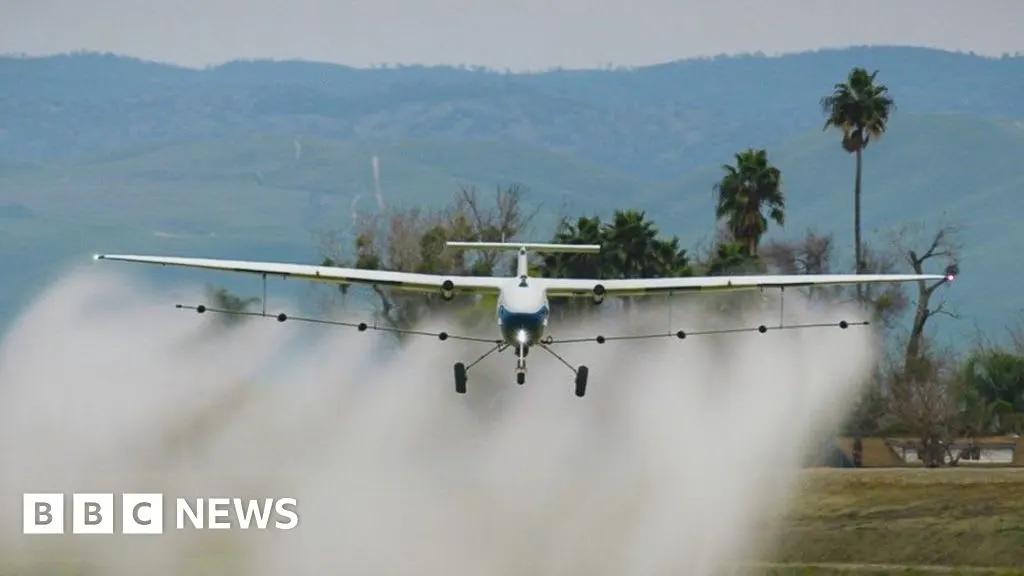
Autonomous Fixed-Wing Aircraft Development Gains Momentum
Start-ups are advancing autonomous fixed-wing aircraft for agricultural and cargo tasks, aiming to prove safety before pursuing passenger operations.
Boeing 787-9 Completes Short Inlet Tests in Montana
Boeing completed 52 hours of flight tests on a 787-9 with an experimental 30% shorter engine inlet to evaluate noise and fuel efficiency.
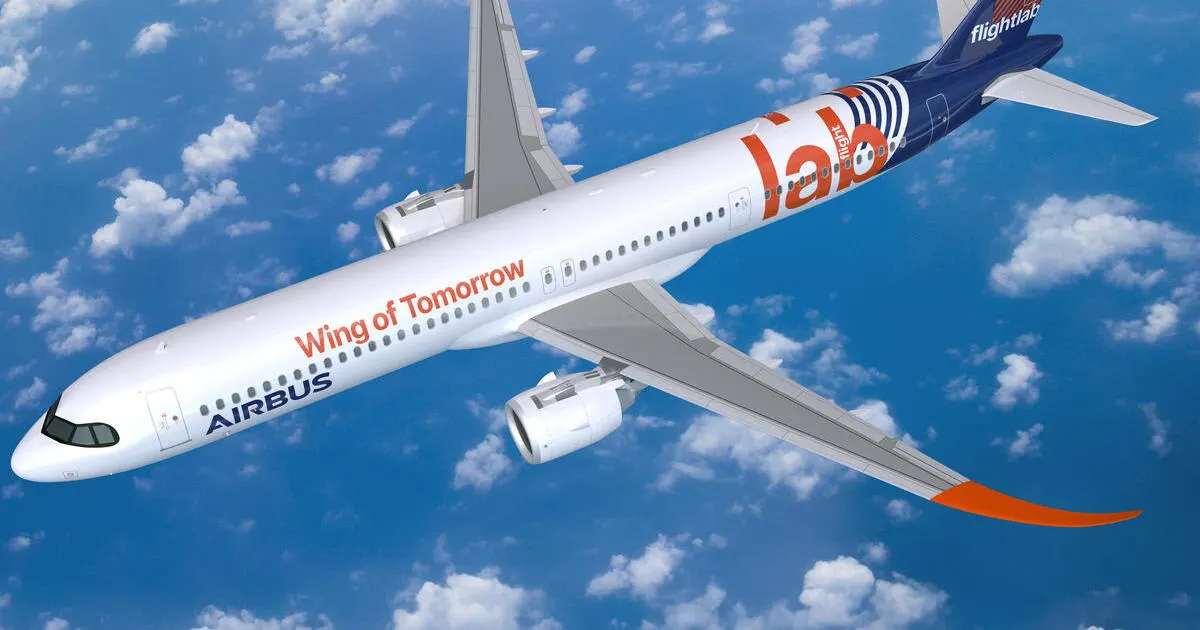
Airbus A321neo to Test Folding Wings of Tomorrow Project
Airbus launched a three-year flight-test campaign using an A321neo to evaluate folding wings that extend up to five meters.
Voyageur Orders Canada's First Airbus U030 Flexrotor
Voyageur Aviation ordered Canada's first Airbus U030 Flexrotor, a 25 kg tactical drone, to expand its maritime and Arctic surveillance capabilities.
LATAM Selects SES Multi-Orbit Wi-Fi for 60+ New Jets
LATAM Airlines signed a multi-year deal with SES to equip more than 60 incoming Airbus and Embraer aircraft with multi-orbit satellite Wi-Fi.
Lufthansa 787-9 Tests Tech to Cut Fuel and Noise
Boeing, Lufthansa, and Rolls-Royce partnered to test emissions-reducing technologies on a 787-9, targeting a 20% fuel efficiency improvement.