Bayanat Installs Weather Sensors at Dubai eVTOL Vertiport

Co-Founder & CEOAviation News Editor delivering trusted coverage across the global aviation industry.
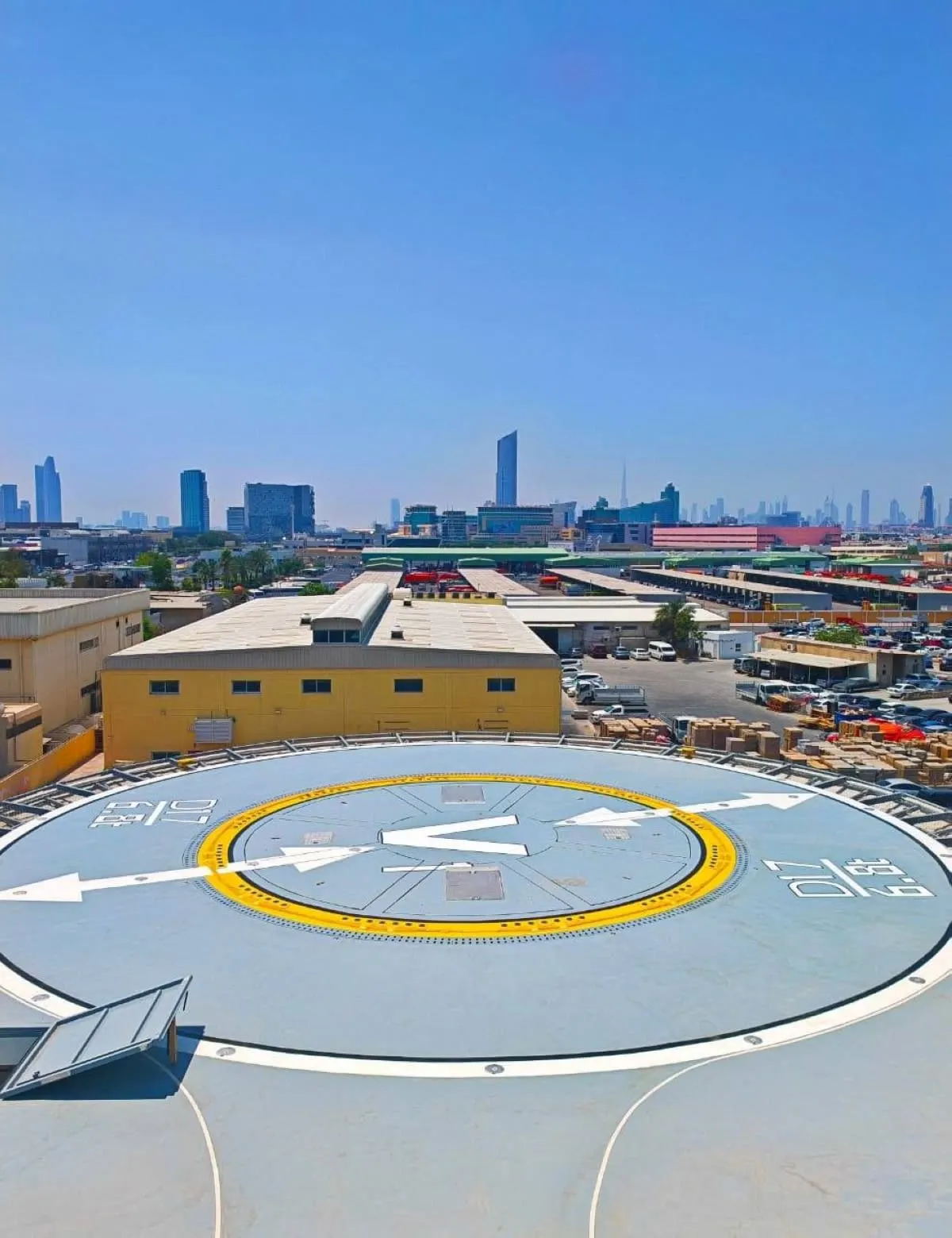
Bayanat Engineering is installing Vaisala meteorological sensors at Dubai's first commercial vertiport to support Joby Aviation's 2026 eVTOL launch.
Key Takeaways
- •Bayanat Engineering installs Vaisala weather sensors at Dubai's DXV vertiport.
- •The system supports Joby Aviation's exclusive 6-year air taxi service deal.
- •The vertiport is designed for 170,000 passengers and 42,000 flights annually.
- •Commercial eVTOL operations in Dubai are expected to launch by late 2026.
Specialist firm Bayanat Engineering is equipping Dubai's first commercial Electric Vertical Take-off and Landing (eVTOL) vertiport with advanced Vaisala meteorological sensors, a critical step toward launching the city's urban air taxi network. The installation at the newly completed facility near Dubai International Airport (DXB) provides the hyper-local weather data essential for the safe operation of Joby Aviation's planned air taxi services, which are expected to commence by late 2026.
The deployment of this specialized weather infrastructure is a foundational element for the broader Advanced Air Mobility (AAM) ecosystem taking shape in the United Arab Emirates. For eVTOL aircraft, which operate at lower altitudes within complex urban environments, precise data on wind shear, visibility, and atmospheric pressure is non-negotiable. This move by Bayanat Engineering, an International Holding Company (IHC) subsidiary, directly addresses this operational requirement, paving the way for regulatory approval and the start of commercial flights.
Vertiport Infrastructure and Operational Scale
The flagship vertiport, developed by Skyports Infrastructure, represents a significant investment in AAM ground facilities. Designated DXV, the Dubai International Vertiport achieved technical completion in April 2026. According to a press release from Skyports Infrastructure, the facility is designed to handle up to 170,000 passengers annually and facilitate approximately 42,000 aircraft movements per year. The structure itself spans four floors with a footprint of 3,100 square meters, incorporating terminals and charging infrastructure.
This project is part of a strategic partnership between Skyports, Joby Aviation, and Dubai's Roads and Transport Authority (RTA). Joby Aviation holds a 6-year exclusive agreement to operate air taxis in Dubai, a commitment detailed in the company's February 2026 regulatory filings. The successful integration of systems like Vaisala's weather sensors is crucial for Joby to meet its operational targets and for the RTA to advance its Comprehensive Mobility Plan 2030.
Regulatory and Technical Framework
All operations fall under the oversight of the UAE's General Civil Aviation Authority (GCAA). The vertiport's design and construction adhered to the UAE's Vertiport Regulations (CAR-HVD Part III), a framework that provides specific guidance for the physical and operational standards of such facilities. While the vertiport itself is technically complete, Joby Aviation must still secure its Air Operator Certificate (AOC) for eVTOLs from the GCAA before it can begin carrying passengers.
Industry trends indicate that the integration of localized meteorological networks is becoming a standard requirement for AAM. Unlike traditional aviation, which relies on airport-wide weather systems, eVTOLs require block-by-block data to navigate urban canyons safely. The Vaisala system provides this granular level of detail. Executives from Bayanat Engineering emphasized that this technology is a critical enabler for Dubai's ambition to become a global leader in sustainable urban air mobility.
Stakeholder and Industry Impact
The project carries significant implications for multiple stakeholders. For Joby Aviation, it provides the essential data infrastructure needed to launch its exclusive commercial service safely. For Dubai's RTA, it marks a key milestone in integrating a zero-emission transit mode into the city's public transport network. The deployment is also a major win for Vaisala, securing a high-profile use case in the emerging AAM sector that could serve as a blueprint for future vertiports globally.
However, the introduction of high-frequency eVTOL services may create new competitive pressures. Traditional helicopter charter operators, who currently serve VIP and tourist transit routes, are likely to face competition from the quieter and potentially more cost-effective electric air taxis.
Technical Analysis
The installation of dedicated meteorological sensors at the DXV vertiport is more than a simple technical upgrade; it represents a maturation of the AAM industry from conceptual designs to operational reality. This development follows a historical pattern in aviation where safety and efficiency gains are unlocked by more precise and localized environmental data. The implementation of Automated Weather Observing Systems (AWOS) at regional airports and heliports from the 1990s onward provides a direct precedent. AWOS replaced manual observations and dramatically improved safety for low-altitude and rotorcraft operations—a lesson now being applied to the urban eVTOL context.
This project underscores that the primary challenges for AAM are not just in aircraft design but also in the sophisticated ground infrastructure required to support them. While the technology is proven, some aviation meteorologists caution that sensors alone may not be sufficient to predict all forms of urban micro-weather, suggesting that operational buffers will remain critical. Furthermore, environmental advocates have raised questions about the strain that high-speed charging systems will place on the local power grid, an issue that will require careful management as the network scales.
What Comes Next
With the core infrastructure taking shape, the focus now shifts to final regulatory approvals and operational readiness. The launch of commercial eVTOL air taxi services in Dubai is expected by late 2026, contingent on Joby Aviation receiving its AOC from the GCAA. Following the launch from the DXV hub, Skyports Infrastructure expects to complete additional vertiport nodes across the city, including at locations like Palm Jumeirah, Dubai Marina, and Dubai Mall, throughout 2026 and 2027.
Why This Matters
This development in Dubai serves as a crucial global test case for the commercial viability and safety of urban air mobility. By integrating advanced aircraft, certified infrastructure, and specialized data systems, the project moves the concept of electric air taxis from theory to a tangible transportation service. The success or failure of this network will provide invaluable lessons for other cities around the world planning their own AAM ecosystems.
Frequently Asked Questions
- What is the purpose of the weather sensors at the Dubai eVTOL vertiport?
- Bayanat Engineering is installing Vaisala meteorological sensors to provide hyper-local weather data, such as wind speed and visibility. This is critical for the safe operation of Joby Aviation's Electric Vertical Take-off and Landing (eVTOL) air taxis in Dubai's complex urban environment.
- When will commercial air taxi services start in Dubai?
- Commercial air taxi services, operated exclusively by Joby Aviation for the first six years, are expected to launch from the Dubai vertiport network by late 2026, pending final regulatory approval from the UAE's General Civil Aviation Authority.
- Who is developing the Dubai vertiport network?
- The vertiport network is being developed and operated by Skyports Infrastructure, in partnership with Dubai's Roads and Transport Authority (RTA). The flagship vertiport, designated DXV, is located near Dubai International Airport.
Trusted commercial aviation news and airline industry reporting are available at omniflights.com. Get the latest updates on major hubs, regional terminals, and airport operations via the Airports section at omniflights.com/airports.
Written by Hardik Vishwakarma
Co-Founder & Aviation News Editor leading initiatives that improve trust and visibility across the global aviation industry. Covers airlines, airports, safety, and emerging technology.
Visit ProfileYou Might Also Like
Discover more aviation news based on similar topics
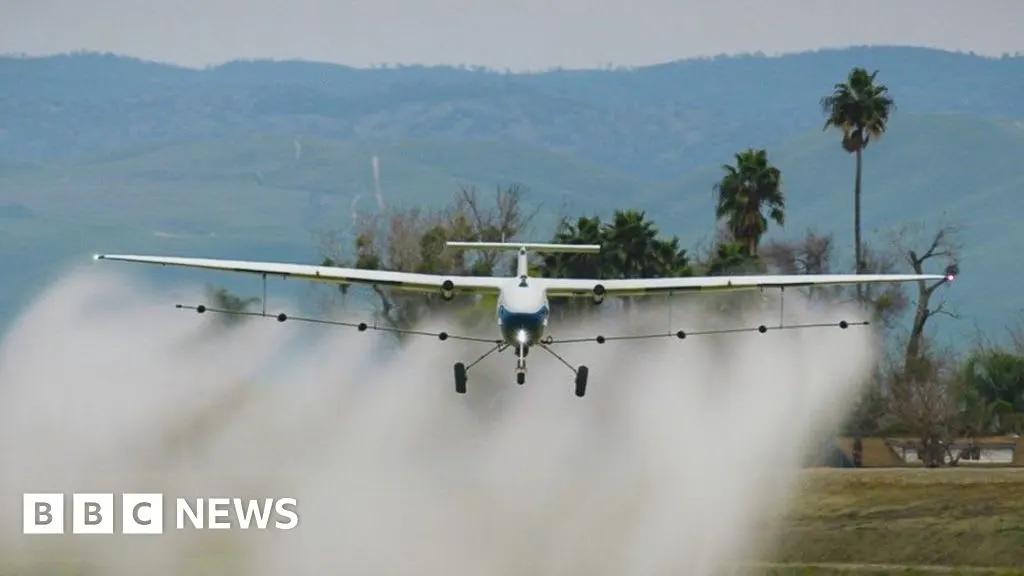
Autonomous Fixed-Wing Aircraft Development Gains Momentum
Start-ups are advancing autonomous fixed-wing aircraft for agricultural and cargo tasks, aiming to prove safety before pursuing passenger operations.

Boeing 787-9 Completes Short Inlet Tests in Montana
Boeing completed 52 hours of flight tests on a 787-9 with an experimental 30% shorter engine inlet to evaluate noise and fuel efficiency.
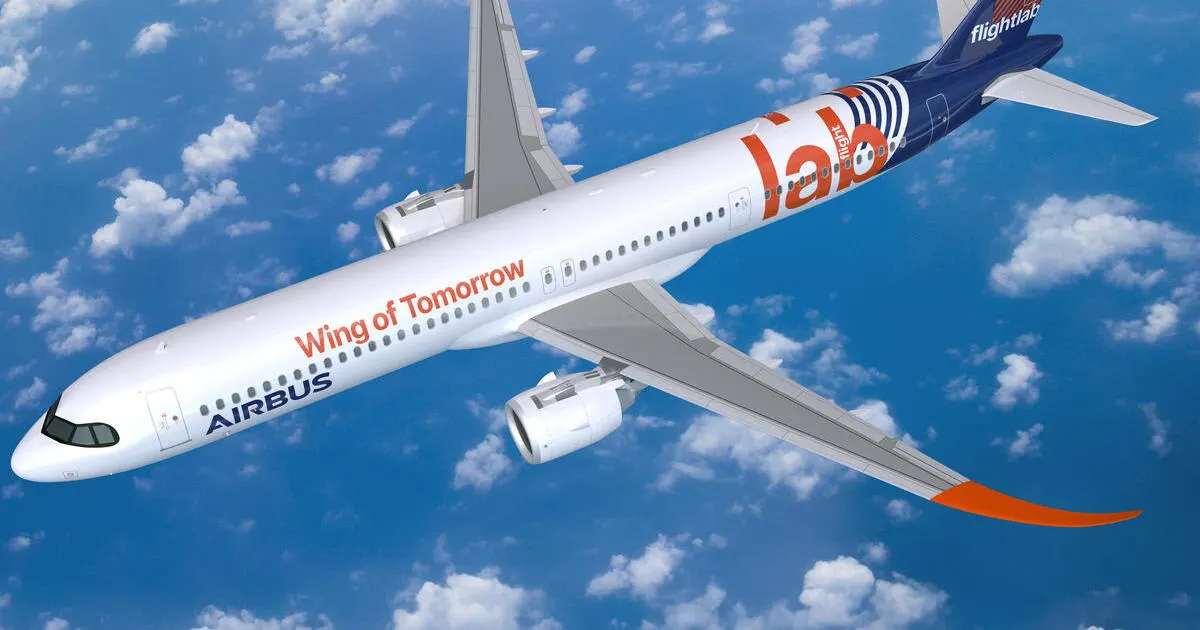
Airbus A321neo to Test Folding Wings of Tomorrow Project
Airbus launched a three-year flight-test campaign using an A321neo to evaluate folding wings that extend up to five meters.
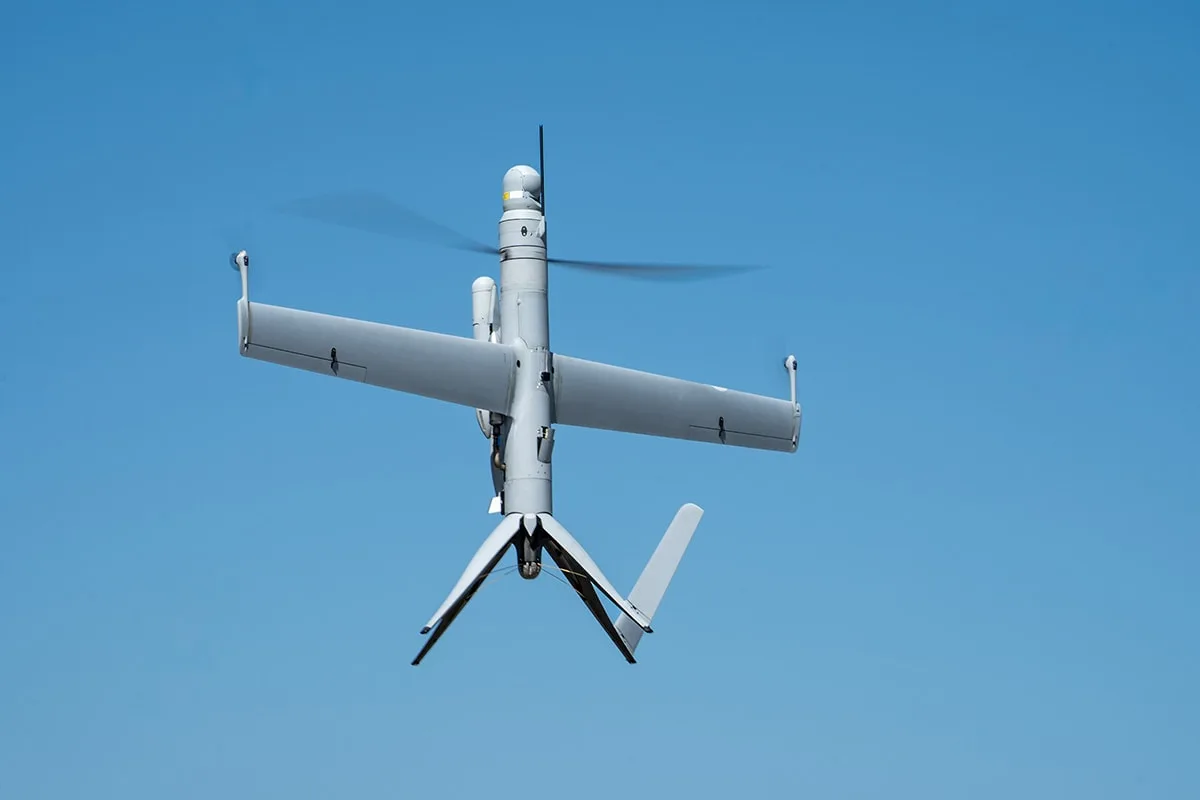
Voyageur Orders Canada's First Airbus U030 Flexrotor
Voyageur Aviation ordered Canada's first Airbus U030 Flexrotor, a 25 kg tactical drone, to expand its maritime and Arctic surveillance capabilities.
LATAM Selects SES Multi-Orbit Wi-Fi for 60+ New Jets
LATAM Airlines signed a multi-year deal with SES to equip more than 60 incoming Airbus and Embraer aircraft with multi-orbit satellite Wi-Fi.

Lufthansa 787-9 Tests Tech to Cut Fuel and Noise
Boeing, Lufthansa, and Rolls-Royce partnered to test emissions-reducing technologies on a 787-9, targeting a 20% fuel efficiency improvement.