BER Launches Integrated Flight Booking with Kiwi.com

Co-Founder & CEOAviation News Editor delivering trusted coverage across the global aviation industry.

Berlin Brandenburg Airport, which handled 26.1M passengers in 2025, has integrated Kiwi.com's booking engine to centralize travel planning on its site.
Key Takeaways
- •BER integrates Kiwi.com flight booking into its website and app.
- •The system uses virtual interlining to combine non-partner airlines.
- •The airport handled 26.1 million passengers in 2025.
- •Move aims to create a central hub for travel planning and booking.
Berlin Brandenburg Airport (BER) has launched a fully integrated flight search and booking engine on its official website and app, a move designed to transform the airport's digital presence into a comprehensive travel marketplace. The new BER flight booking service is powered by a partnership with travel technology firm Kiwi.com, leveraging its virtual interlining capabilities to offer passengers a wider range of flight combinations. This initiative positions BER as a direct competitor to traditional online travel agencies and is a key part of its strategy to create a seamless airport digital ecosystem.
The integration allows travelers to plan and book their entire journey directly through the airport's digital channels. This development is significant for an airport that handled 26.1 million passengers in 2025, an increase of 2.3% from the 25.47 million recorded in 2024. By embedding booking functionality, Flughafen Berlin Brandenburg GmbH (FBB), the airport operator, aims to capture traveler engagement earlier in the planning process and diversify its revenue streams beyond traditional aeronautical and retail income.
According to Aletta von Massenbach, Chief Executive Officer of FBB, the new service brings "information and booking together in a single place, facilitating intuitive and convenient travel planning." She highlighted the Kiwi.com integration as a critical step in providing travelers with clear, reliable offers directly through the airport's proprietary channels. Kiwi.com's powerful search engine, which processes over 150 million flight search queries daily, enables the platform to offer unique itineraries by combining flights from airlines that do not have codeshare or interline agreements. This is particularly relevant for BER, whose summer 2025 schedule included approximately 70 airlines flying to 150 destinations.
Industry Context and Precedents
This initiative aligns with a broader industry trend of major airports evolving into digital marketplaces. Rather than functioning solely as transportation hubs, airports are leveraging their brand and passenger traffic to create e-commerce platforms that integrate flight bookings with ancillaries like parking, lounge access, and retail. The use of virtual interlining is a key enabler of this strategy, allowing airports to offer comprehensive route networks that include a mix of legacy and low-cost carriers.
This is not the first instance of such a partnership in Europe. In 2023, Bratislava Airport also integrated Kiwi.com's technology to showcase virtual interline connections from its hub. Furthermore, the technology partner's credibility was bolstered in 2024 when Ryanair, a major low-cost carrier, officially approved the Online Travel Agency (OTA) to sell its flights, ending a long-standing dispute. BER itself has previously experimented with integrated travel solutions; in May 2022, the airport was a hub for a Vueling and Deutsche Bahn partnership using Dohop's platform to sell combined air-rail tickets, demonstrating an ongoing strategy to become a nexus for multi-modal travel.
Stakeholder and Regulatory Considerations
The move impacts several stakeholders. For FBB, it creates a new ancillary revenue stream through affiliate commissions and increases user retention on its official digital platforms. For low-cost carriers, it may lead to an indirect increase in bookings as their point-to-point services are algorithmically combined into longer journeys. Conversely, traditional OTAs could see a marginal loss in market share for BER-originating travel.
From a regulatory standpoint, the integration must adhere to the European Union's General Data Protection Regulation (GDPR), ensuring user data is handled securely between the airport and Kiwi.com. It is also important for consumers to understand the liability structure. According to guidance from the European Union Aviation Safety Agency (EASA) on passenger transport contracts, BER acts as an intermediary. The legal contract for transport, and the associated liability for disruptions, remains with Kiwi.com and the operating airlines.
Some consumer advocates have noted that complex virtual interline bookings can introduce risks, such as missed connections on self-transfer itineraries, which may complicate rebooking during irregular operations. Airlines also often prefer direct bookings to maintain control over the customer relationship and ancillary sales.
Technical Analysis
The integration of Kiwi.com's booking engine represents a strategic pivot for Berlin Brandenburg Airport, moving it from a physical infrastructure provider to a digital travel aggregator. This development is a direct response to the unbundling of air travel, where low-cost carriers have created vast point-to-point networks that traditional booking systems struggle to connect. By leveraging virtual interlining, BER can re-bundle these disparate services under its own brand, capturing value that would otherwise flow to external OTAs. The partnership is less a simple feature addition and more a fundamental shift in how the airport views its role in the passenger journey. It follows the clear precedent set by other airports and technology providers, suggesting this model of an airport-as-a-marketplace is becoming an established strategy for diversifying revenue and enhancing the passenger experience in a competitive digital landscape.
What Comes Next
With the flight booking engine now live, the immediate focus will be on user adoption and performance monitoring. FBB will likely analyze booking data to understand popular routes and passenger preferences, which could inform future route development efforts. The next logical step in the evolution of BER's digital ecosystem would be to more deeply integrate other ancillary services. This could include bundled offers for parking, fast-track security, lounge access, and even pre-ordered retail goods, creating a single, seamless transaction from curb to gate. The success of this initial phase will determine the pace and scope of future digital expansions.
Why This Matters
This development signals a strategic shift for airports, which are increasingly moving from passive landlords to active participants in the digital travel economy. By embedding a powerful booking tool, Berlin Brandenburg Airport is directly competing for control of the customer relationship and valuable ancillary revenue. For the wider industry, this represents a new competitive front between airports, airlines, and OTAs, with the ultimate goal of owning the end-to-end travel planning experience.
Frequently Asked Questions
- What is virtual interlining at Berlin Brandenburg Airport?
- Virtual interlining, powered by Kiwi.com at Berlin Brandenburg Airport, is a technology that allows passengers to book single itineraries combining flights from airlines that do not have partnership agreements, such as different low-cost carriers.
- How many passengers does Berlin Brandenburg Airport handle?
- According to official traffic statistics, Berlin Brandenburg Airport handled 26.1 million passengers in 2025, which was an increase from the 25.47 million passengers served in 2024.
- Who is responsible if a flight booked through the BER website is cancelled?
- While the booking is made on the airport's platform, the legal transport contract is with Kiwi.com or the operating airlines. Therefore, liability for disruptions or cancellations remains with them, not the airport operator.
For in-depth airline coverage and commercial aviation news, omniflights.com delivers timely industry insights. Stay informed on aviation incidents, investigations, and best practices in the Safety category at omniflights.com/safety.

Written by Hardik Vishwakarma
Co-Founder & Aviation News Editor leading initiatives that improve trust and visibility across the global aviation industry. Covers airlines, airports, safety, and emerging technology.
Visit ProfileYou Might Also Like
Discover more aviation news based on similar topics

Autonomous Fixed-Wing Aircraft Development Gains Momentum
Start-ups are advancing autonomous fixed-wing aircraft for agricultural and cargo tasks, aiming to prove safety before pursuing passenger operations.

Boeing 787-9 Completes Short Inlet Tests in Montana
Boeing completed 52 hours of flight tests on a 787-9 with an experimental 30% shorter engine inlet to evaluate noise and fuel efficiency.

Airbus A321neo to Test Folding Wings of Tomorrow Project
Airbus launched a three-year flight-test campaign using an A321neo to evaluate folding wings that extend up to five meters.
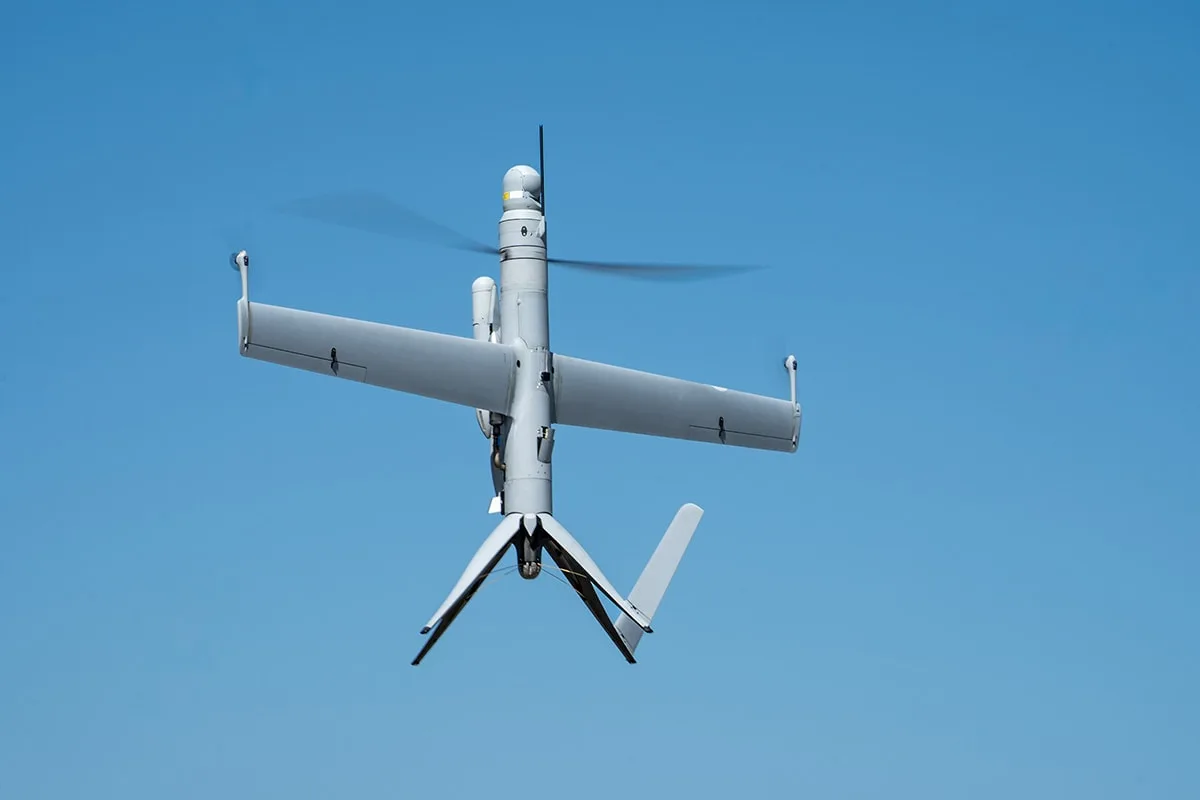
Voyageur Orders Canada's First Airbus U030 Flexrotor
Voyageur Aviation ordered Canada's first Airbus U030 Flexrotor, a 25 kg tactical drone, to expand its maritime and Arctic surveillance capabilities.
LATAM Selects SES Multi-Orbit Wi-Fi for 60+ New Jets
LATAM Airlines signed a multi-year deal with SES to equip more than 60 incoming Airbus and Embraer aircraft with multi-orbit satellite Wi-Fi.

Lufthansa 787-9 Tests Tech to Cut Fuel and Noise
Boeing, Lufthansa, and Rolls-Royce partnered to test emissions-reducing technologies on a 787-9, targeting a 20% fuel efficiency improvement.