Singapore Airlines to Deploy Starlink Wi-Fi on A350/A380 Fleet from 2027

Co-Founder & CEOAviation News Editor delivering trusted coverage across the global aviation industry.

Singapore Airlines will roll out Starlink-powered high-speed Wi-Fi on its A350 and A380 long-haul fleet, with deployment beginning in the first quarter...
Key Takeaways
- •Targets Q1 2027 to begin Starlink Wi-Fi rollout on A350 and A380 fleets.
- •Leverages a Low Earth Orbit (LEO) satellite network for low-latency, high-speed connectivity.
- •Continues offering complimentary unlimited Wi-Fi to premium cabin passengers and loyalty program members.
- •Follows similar industry moves by carriers like Qatar Airways and Hawaiian Airlines, signaling a shift to LEO technology.
Singapore Airlines (SIA) has announced it will introduce high-speed, low-latency in-flight connectivity powered by Starlink, with a progressive fleet rollout scheduled to begin in the first quarter of 2027. The upgrade marks a significant step in the airline industry's shift toward next-generation satellite internet to meet rising passenger expectations for reliable, high-bandwidth connectivity.
The deployment will equip SIA's Airbus A350-900 long-haul and ultra-long-range (ULR) fleets, as well as its flagship A380 aircraft. According to the airline, the installation process is expected to be completed across the specified fleets by the end of 2029. This initiative positions Singapore Airlines alongside a growing number of carriers adopting Low Earth Orbit (LEO) satellite technology to enhance the passenger experience on long-haul routes.
"Fast, seamless connectivity is, today, an essential part of the travel experience," said Yeoh Phee Teik, Senior Vice President Customer Experience at Singapore Airlines. "Starlink will take this to the next level by delivering next-generation high-speed connectivity, enabling customers to stay entertained, connected, and productive throughout their journey."
Critically, the airline confirmed that its existing policy of offering unlimited complimentary Wi-Fi will extend to Starlink-enabled aircraft. This benefit applies to all passengers in Suites, First Class, and Business Class. Members of the airline's Priority Passenger Service (PPS) Club and KrisFlyer loyalty program will also receive free access when traveling in Premium Economy and Economy Class.
Technical and Operational Shift
The move to Starlink represents a fundamental technological upgrade from traditional geostationary (GEO) satellite systems. Starlink's LEO constellation, which comprised over 10,000 satellites as of May 2026, orbits at approximately 340 miles (547 km) above the Earth, compared to GEO satellites at over 22,000 miles. This proximity drastically reduces latency and increases data transfer speeds.
Jason Fritch, Vice President of Starlink Enterprise Sales at SpaceX, noted the impact on long-haul travel. "Customers and crew will soon experience seamless, low-latency connectivity as they travel," he stated. "Starlink is redefining what is possible for leisure and business travellers alike."
The enhanced capability will support data-intensive activities such as high-definition video streaming, online gaming, video conferencing, and large file transfers. The Starlink Aero Terminal is designed to deliver multi-gigabit broadband speeds, a significant increase over legacy systems.
In-Flight Connectivity: LEO vs. GEO Systems
| Metric | Starlink (LEO) | Traditional (GEO) |
|---|---|---|
| Satellite Orbit Altitude | ~340 miles (547 km) | ~22,000 miles (35,786 km) |
| Network Latency | Sub-30 milliseconds | ~600+ milliseconds |
| Bandwidth per Antenna | Up to 1 Gbps | 50-100 Mbps (shared) |
Industry Impact and Regulatory Context
Singapore Airlines' decision follows a clear industry trend. Hawaiian Airlines became the first major carrier to deploy Starlink in February 2024, followed by a significant rollout on Qatar Airways' fleet. United Airlines also announced a fleet-wide deal in 2025, underscoring the rapid adoption of LEO technology. This transition puts pressure on legacy GEO satellite providers like Viasat and Panasonic Avionics, who now face intensifying competition for airline contracts.
The installation of the Starlink Aero Terminal on SIA's fleet is a significant modification requiring regulatory approval. The airline must secure a Supplemental Type Certificate (STC) from the Civil Aviation Authority of Singapore (CAAS), with validation likely required from the FAA and EASA for its internationally operated aircraft. For Maintenance, Repair, and Overhaul (MRO) providers, the 2027-2029 rollout window presents a new stream of retrofitting work on two of the world's most prominent widebody aircraft types.
What Comes Next
The timeline for the project is clearly defined. Singapore Airlines and SpaceX have confirmed the following predictive milestones:
- Prior to Q1 2027: The necessary STC is expected to be validated by relevant aviation authorities, including CAAS, for the A350 and A380 installations.
- Q1 2027: The progressive rollout of Starlink hardware is scheduled to commence on the first SIA aircraft.
- End of 2029: The deployment is slated for completion across all designated A350 and A380 aircraft in the Singapore Airlines fleet.
Why This Matters
This development solidifies high-speed, low-latency internet as a baseline expectation for premium international travel. By integrating Starlink technology while maintaining its complimentary access model, Singapore Airlines reinforces its competitive position and enhances its value proposition for business and leisure passengers. The move signals an acceleration of the industry-wide migration away from slower, high-latency GEO systems, forcing competitor airlines to evaluate their own connectivity roadmaps to keep pace.
Frequently Asked Questions
- When will Singapore Airlines get Starlink Wi-Fi and on which planes?
- Singapore Airlines will begin rolling out Starlink-powered Wi-Fi in the first quarter of 2027. The upgrade will be installed on its Airbus A350-900 long-haul/ultra-long-range and A380 aircraft, with completion expected by the end of 2029.
- How is Starlink Wi-Fi different from older airplane internet?
- Starlink uses a Low Earth Orbit (LEO) satellite network, which is much closer to Earth than traditional geostationary (GEO) satellites. This results in significantly lower latency (sub-30 milliseconds vs. 600+) and higher speeds, enabling activities like video streaming and online gaming.
- Will Singapore Airlines charge for Starlink Wi-Fi?
- No, Singapore Airlines will continue its policy of offering unlimited complimentary Wi-Fi on Starlink-enabled aircraft. This is available to passengers in Suites, First, and Business Class, as well as PPS Club and KrisFlyer members in all cabin classes.
Visit omniflights.com for the latest commercial aviation news and airline industry updates. Get the latest updates on major hubs, regional terminals, and airport operations via the Airports section at omniflights.com/airports.
Written by Hardik Vishwakarma
Co-Founder & Aviation News Editor leading initiatives that improve trust and visibility across the global aviation industry. Covers airlines, airports, safety, and emerging technology.
Visit ProfileYou Might Also Like
Discover more aviation news based on similar topics
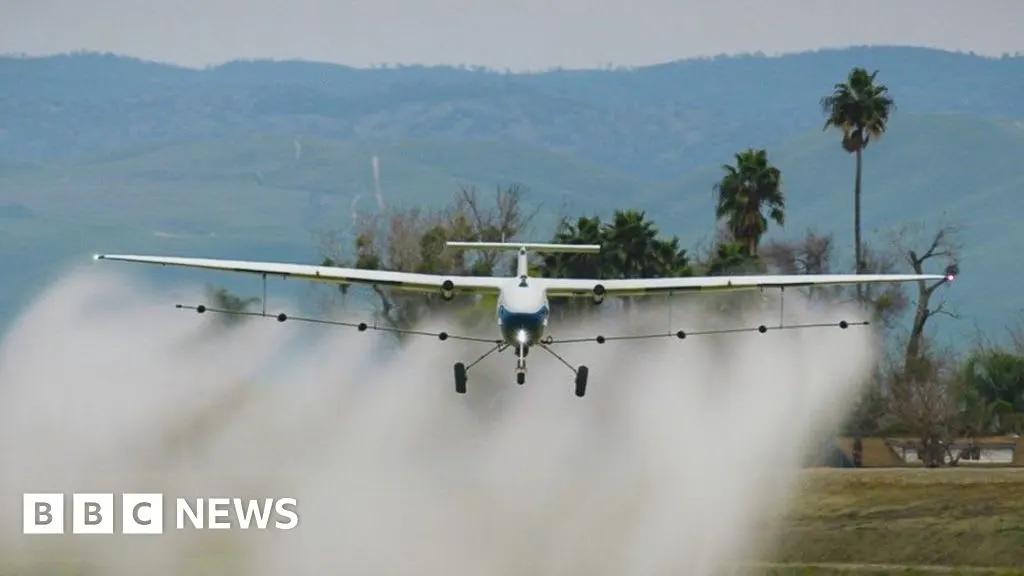
Autonomous Fixed-Wing Aircraft Development Gains Momentum
Start-ups are advancing autonomous fixed-wing aircraft for agricultural and cargo tasks, aiming to prove safety before pursuing passenger operations.

Boeing 787-9 Completes Short Inlet Tests in Montana
Boeing completed 52 hours of flight tests on a 787-9 with an experimental 30% shorter engine inlet to evaluate noise and fuel efficiency.
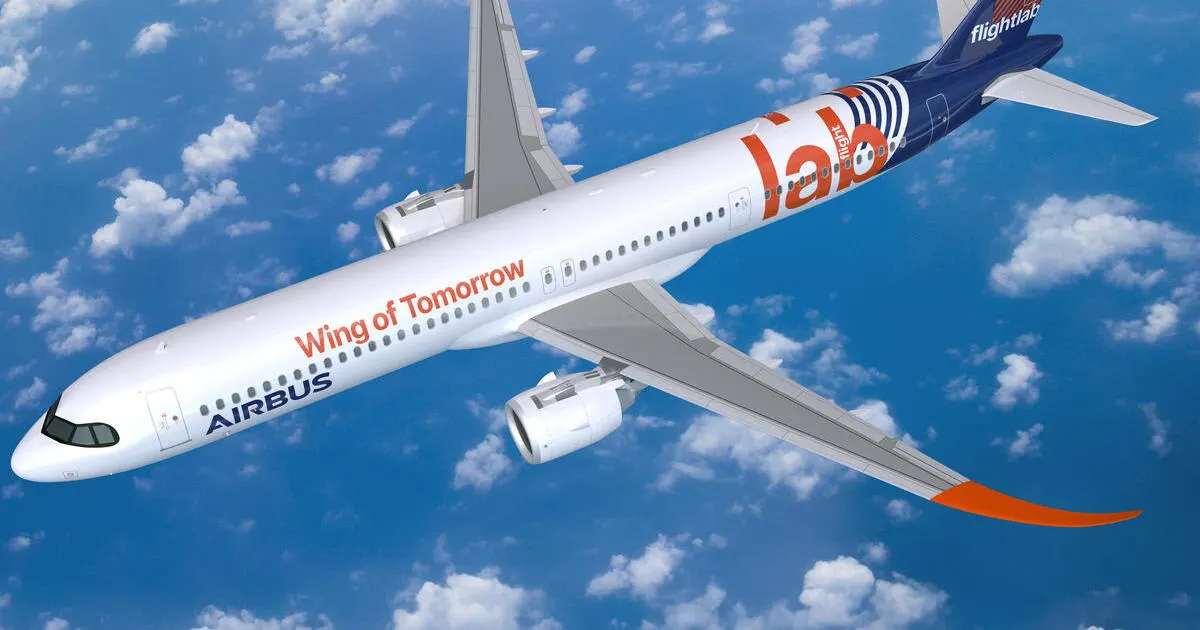
Airbus A321neo to Test Folding Wings of Tomorrow Project
Airbus launched a three-year flight-test campaign using an A321neo to evaluate folding wings that extend up to five meters.
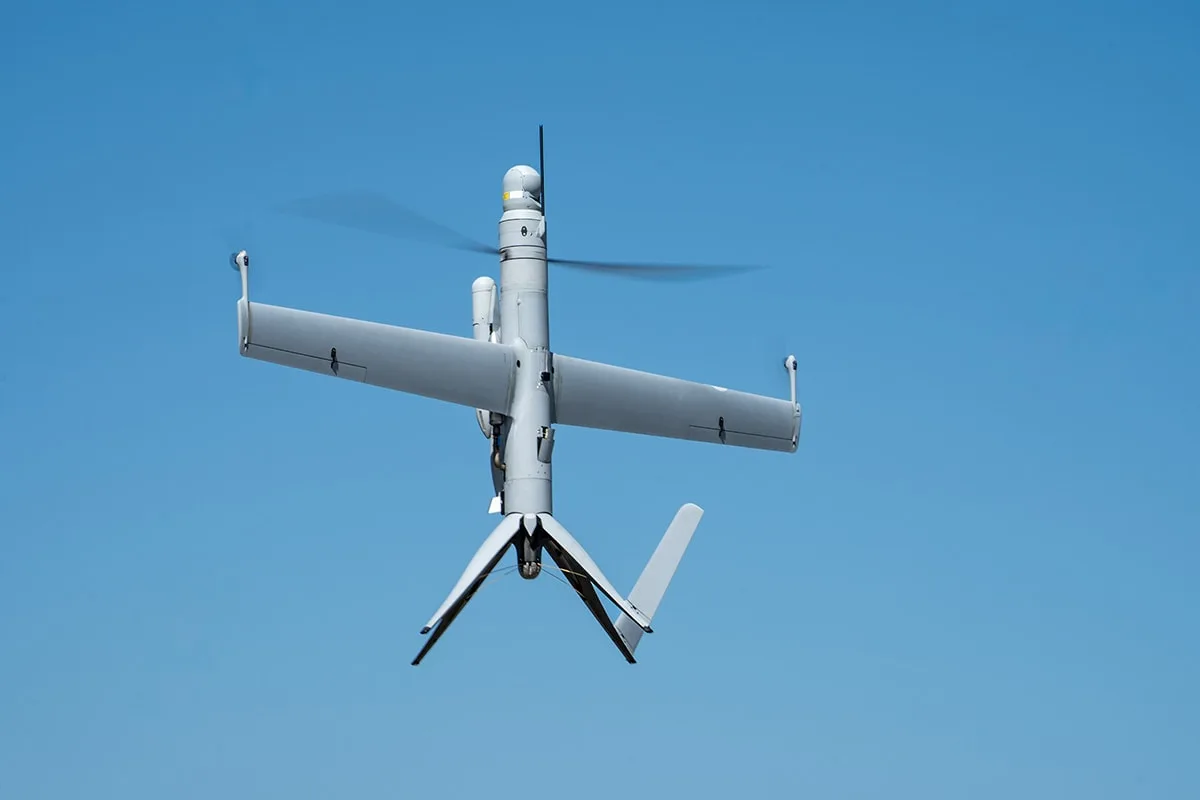
Voyageur Orders Canada's First Airbus U030 Flexrotor
Voyageur Aviation ordered Canada's first Airbus U030 Flexrotor, a 25 kg tactical drone, to expand its maritime and Arctic surveillance capabilities.
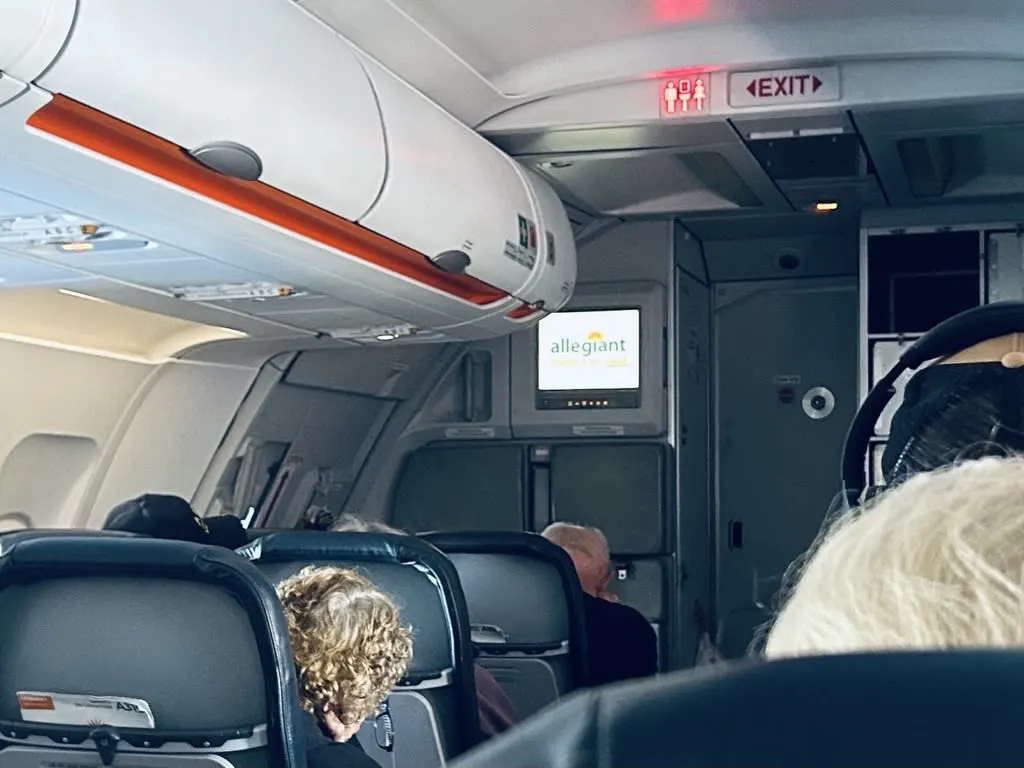
LATAM Selects SES Multi-Orbit Wi-Fi for 60+ New Jets
LATAM Airlines signed a multi-year deal with SES to equip more than 60 incoming Airbus and Embraer aircraft with multi-orbit satellite Wi-Fi.

Lufthansa 787-9 Tests Tech to Cut Fuel and Noise
Boeing, Lufthansa, and Rolls-Royce partnered to test emissions-reducing technologies on a 787-9, targeting a 20% fuel efficiency improvement.