Shenzhen Airlines 737 Grounded by Passenger Wing Report

Co-Founder & CEOAviation News Editor delivering trusted coverage across the global aviation industry.
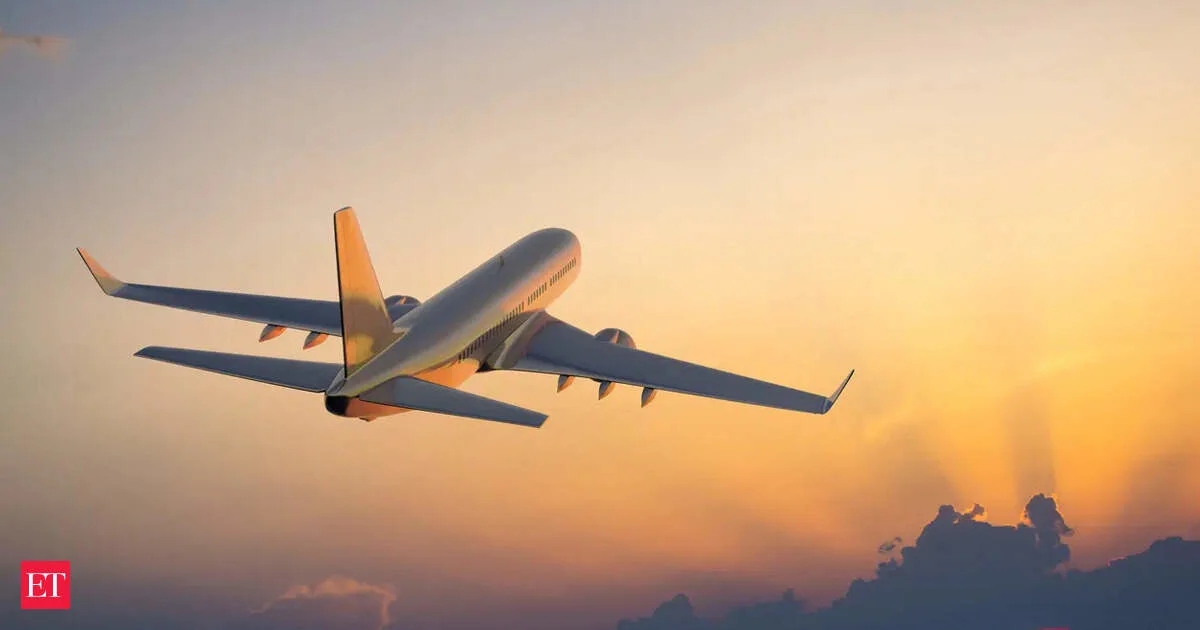
Shenzhen Airlines grounded a Boeing 737-800 after a passenger reported a detached flap rail fairing on the wing before flight ZH9804 departed Wuxi.
Key Takeaways
- •Passenger report grounds Shenzhen Airlines Boeing 737-800.
- •Anomaly was a partially detached flap rail fairing on flight ZH9804.
- •Partially detached fairings pose a high risk of jamming flaps.
- •Incident highlights passenger role in crowdsourced safety checks.
A Shenzhen Airlines flight ZH9804 was grounded on May 13, 2026, after an observant passenger identified a significant Boeing 737 wing anomaly and alerted cabin crew prior to boarding. The aircraft, a Boeing 737-800 registered as B-1518, was pulled from service at Sunan Shuofang International Airport (WUX) in Wuxi for immediate maintenance. The issue was a partially detached flap rail fairing, a component critical to aerodynamic efficiency and the proper function of the wing's trailing edge flaps.
This incident underscores a growing trend of crowdsourced safety observations, where passengers play an active role in identifying potential airframe issues. The passenger safety report prompted a swift response from the airline, which canceled the flight to Shenzhen Bao'an International Airport (SZX) and initiated a thorough inspection. While social media speculation suggested the aircraft's career was over, flight tracking data confirmed it resumed normal operations after maintenance teams addressed the component, highlighting the effectiveness of the reporting and repair cycle.
Incident Details and Technical Response
The anomaly was spotted on the right wing of the aircraft scheduled to operate as flight ZH9804 from Wuxi to Shenzhen. The passenger's report was escalated from the cabin crew to the flight deck, leading to a decision by the captain and airline operations to ground the plane. The decision was rooted in the critical distinction between a missing component and a damaged one.
Aviation maintenance experts confirm that while a fully missing flap track fairing is a permissible dispatch item under the Configuration Deviation List (CDL), a partially detached one presents a severe safety hazard. The CDL, an approved document from Boeing Commercial Airplanes, specifies that a 737-800 can operate without a fairing, albeit with a takeoff and landing weight penalty of approximately 150 pounds. However, a loose or partially detached fairing poses a critical risk of separating during flight and jamming the trailing edge flaps during deployment or retraction, which could have serious consequences during approach and landing.
The incident also places scrutiny on the pre-flight ground operations crew, who are responsible for conducting a mandatory exterior walkaround check. The fact that a passenger in the terminal spotted a visible airframe defect raises questions about the thoroughness of the inspection, particularly amid the high-pressure environment of quick turnarounds common in China's domestic market.
Regulatory and Industry Context
This event operates within the safety framework established by the Civil Aviation Administration of China (CAAC), the country's national aviation authority. The CAAC's "Measures for the Management of Reporting on Public Air Transport Passenger Services" provides the official channel for passengers to report safety concerns. The airline's response aligns with these regulations, which prioritize addressing potential safety anomalies before flight.
Shenzhen Airlines, which operates a fleet of over 200 aircraft, including approximately 71 Boeing 737-800s, followed standard safety protocols. The grounding and subsequent repair of B-1518 by its Maintenance, Repair, and Overhaul (MRO) teams represent an unscheduled but necessary operational disruption to ensure airworthiness.
Historically, other incidents have involved visible wing damage on this aircraft type. In August 2025, a Delta Air Lines Boeing 737-800 landed safely after a flap assembly fractured during flight. These precedents reinforce the structural integrity of the wing box but also highlight the importance of identifying and addressing damage to secondary flight control surfaces and fairings.
Boeing 737 Flap Rail Fairing Status (CDL Rules)
| Metric | Allowed (if fully missing) | Grounded (if partially detached) |
|---|---|---|
| Dispatchability | Allowed | Grounded |
| Takeoff Weight Penalty | ~150 lbs | Not Applicable |
| Flap Jamming Risk | Low | High |
What Comes Next
Following the incident, Shenzhen Airlines' safety division is expected to conduct an internal review of its pre-flight walkaround procedures. This review, anticipated by June 2026, will likely analyze ground crew performance and training to prevent similar oversights in the future. The CAAC may also review the report as part of its ongoing safety oversight of Chinese carriers. For the aircraft B-1518, its return to service indicates that the structural repair was successful and certified as airworthy.
Why This Matters
This incident is significant as it validates the crucial role passengers can play in the aviation safety ecosystem. It demonstrates how modern technology, in the form of high-resolution smartphone cameras, empowers the public to contribute to operational safety. For airlines and ground crews, it serves as a stark reminder of the non-negotiable importance of meticulous pre-flight inspections, even under tight turnaround schedules.
Frequently Asked Questions
- What was the specific problem with the Shenzhen Airlines Boeing 737 wing?
- The issue was a partially detached flap rail fairing on the right wing of a Boeing 737-800. A passenger noticed the anomaly before boarding flight ZH9804 and alerted the crew, leading to the aircraft's grounding for maintenance.
- Is it safe to fly a Boeing 737 with a missing wing part?
- It depends on the part. According to Boeing's Configuration Deviation List (CDL), an aircraft can be legally dispatched if a flap rail fairing is completely missing, though it incurs a minor weight penalty. However, a partially detached fairing is a serious safety risk as it could jam the flaps.
- What was the flight number and route of the Shenzhen Airlines incident?
- The incident occurred on May 13, 2026, involving Shenzhen Airlines flight ZH9804, scheduled to fly from Sunan Shuofang International Airport (WUX) in Wuxi to Shenzhen Bao'an International Airport (SZX).
Stay ahead of the airline industry with commercial aviation news from omniflights.com. Follow aviation sustainability efforts, emissions research, and green initiatives in the Environmental section at omniflights.com/environmental.
Written by Hardik Vishwakarma
Co-Founder & Aviation News Editor leading initiatives that improve trust and visibility across the global aviation industry. Covers airlines, airports, safety, and emerging technology.
Visit ProfileYou Might Also Like
Discover more aviation news based on similar topics
Flydubai FZ1073 Hijacker Flagged as Security Risk by Oman
A Flydubai co-pilot accused of attempting to crash flight FZ1073 had been previously barred from flying in Oman due to extremist concerns.
FAA Clears Boeing 737 MAX Software Issue, Resumes MAX 10
The FAA cleared a Boeing 737 MAX software issue after a safety review, allowing the 737 MAX 10 certification process to resume immediately.
Flydubai Flight 1073 Hijacking Attempt Over Jordan
A Flydubai Flight 1073 co-pilot attacked the captain mid-flight on September 30, 2026, forcing passengers to intervene and stabilize the aircraft.

Families Demand DCA Midair Collision Safety Reforms
Families of 67 victims from the 2025 DCA midair collision are pressing Congress for mandatory ADS-B In technology to prevent future aviation tragedies.
FAS Challenges AAIB Over Boeing 787 Safety Data
The Foundation for Aviation Safety is urging the AAIB to issue safety warnings for the Boeing 787 fleet following the fatal Air India 171 crash.
NTSB Safety Recommendations Lag Amid 6 Monthly Near-Misses
Approximately 6 near-miss incidents occur monthly at U.S. airports as 270 NTSB safety recommendations remain unaddressed by federal regulators.