Schiphol Deploys World's First Electric TaxiBot

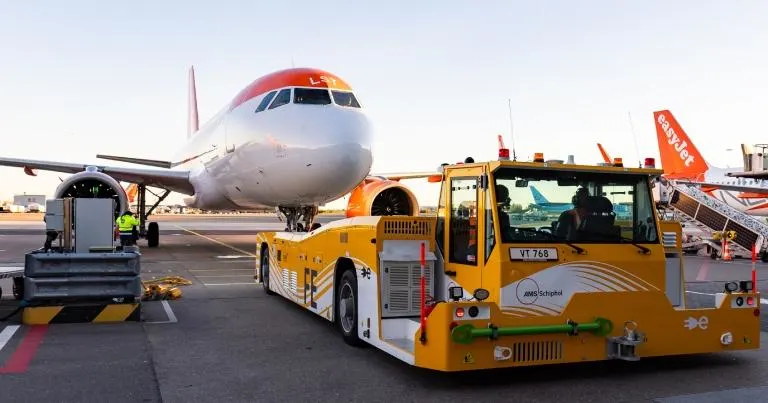
Schiphol has launched the world's first electric TaxiBot to enable engine-off aircraft taxiing, targeting a 65% reduction in fuel consumption.
Key Takeaways
- •Schiphol launches world’s first electric TaxiBot for engine-off taxiing.
- •Four easyJet A320neo aircraft are equipped for the new towing system.
- •The system saves 95kg of fuel and 299kg of CO2 per flight.
- •Schiphol targets fully sustainable taxiing operations by 2030.
A New Standard for Ground Operations
Amsterdam Airport Schiphol (AMS) has officially launched the world’s first fully electric electric TaxiBot Schiphol deployment, marking a significant milestone in the transition toward sustainable ground operations. The initiative, supported by a coalition of industry leaders including easyJet, Airbus, Menzies Aviation, and Smart Airport Systems (SAS), aims to eliminate the need for main engine taxiing. This project is funded by the SESAR (Single European Sky ATM Research) HERON project, which focuses on advancing innovative solutions for European air traffic management.
Operational Impact and Performance
For easyJet sustainable taxiing operations, the implementation of this technology represents a measurable shift in efficiency. According to recent easyJet press data, each flight utilizing the electric TaxiBot saves an average of 95 kg of aviation fuel and reduces carbon emissions by 299 kg of CO2. Currently, four Airbus A320neo aircraft have been permanently modified to interface with the robotic tugs, allowing pilots to maintain control via the aircraft tiller while the main engines remain shut down. The European Union Aviation Safety Agency (EASA) has provided the necessary Supplemental Type Certificate (STC) for these dispatch towing operations, ensuring safety standards are maintained while the engines are off.
Stakeholder Integration and Challenges
For Menzies Aviation ground handling teams, the rollout necessitates a fundamental integration of new vehicle operations and specialized staff training into high-frequency ramp environments. While the technology promises significant environmental benefits, research from TU Delft indicates that the operational complexity of attaching and detaching robotic tugs requires precise synchronization to avoid potential congestion. Nevertheless, Smart Airport Systems has secured a high-profile European launch customer, further validating the commercial viability of their Airbus A320neo towing technology in a major hub setting.
Electric TaxiBot vs. Conventional Taxiing
| Metric | Electric TaxiBot | Conventional Taxiing |
|---|---|---|
| Main Engine Status | Off | Running |
| Fuel Burn During Taxi | -65% | Baseline |
| Pilot Control | Active via tiller | Active via tiller |
The Path to 2030 Sustainability
The deployment aligns with the Schiphol 2030 Zero-Emission Ground Operations mandate, which seeks to eliminate fossil-fueled ground handling. Historically, this initiative builds on the precedent set by the 2014 diesel-hybrid TaxiBot trials at Frankfurt Airport and the 2019 commercial adoption in Delhi. Those instances proved the concept of pilot-controlled dispatch towing, though the current Schiphol project represents the first at-scale application of fully electric hardware. According to the Royal Schiphol Group sustainability roadmap, the airport expects to scale this infrastructure significantly by the end of the decade.
Milestones for Fleet Expansion
The program is set to expand in the coming months, with the delivery of three additional electric TaxiBots scheduled for late 2026. This deployment is a critical step toward the airport's broader goal of achieving fully sustainable taxiing across all operations by 2030. These milestones remain subject to ongoing operational assessments as the airport integrates more aircraft into the program.
Why This Matters for Hub Efficiency
This development signals a structural shift in how major airports manage the environmental footprint of ground operations. By reducing aviation CO2 reduction metrics and local nitrogen oxides, the project serves as a blueprint for other high-traffic hubs facing stringent emission targets. For airlines, the reduction in fuel burn offers a direct lever to lower operating costs and mitigate carbon offset liabilities in an increasingly regulated European market.
Frequently Asked Questions
- What are the environmental benefits of the electric TaxiBot at Schiphol?
- The electric TaxiBot saves an average of 95 kg of fuel and reduces carbon emissions by 299 kg per flight by allowing aircraft to taxi with main engines off.
- Which aircraft are currently compatible with the electric TaxiBot system?
- Currently, four easyJet Airbus A320neo aircraft have been permanently modified to interface with the electric TaxiBot system to support engine-off taxiing.
From airline operations to fleet updates, commercial aviation news lives at omniflights.com. Discover how innovation is shaping aviation through aircraft systems, avionics, and digital tools at omniflights.com/technology.

Written by Hardik Vishwakarma
Co-Founder & Aviation News Editor leading initiatives that improve trust and visibility across the global aviation industry. Covers airlines, airports, safety, and emerging technology.
Visit ProfileYou Might Also Like

Lufthansa A350-1000 to Debut on Munich-Haneda Route

Cathay Pacific Weighs Widebody Fleet Expansion Plans

American Airlines Drops 3 Routes Amid Network Optimization
JAL Orders 16 Embraer E190-E2 Jets for Regional Fleet
Volaris-Viva Merger Expected to Gain CNA Approval