SAS Launches Copenhagen–Mumbai Route After 17-Year Hiatus

Co-Founder & CEOAviation News Editor delivering trusted coverage across the global aviation industry.

SAS has launched a 5x weekly Copenhagen-Mumbai service using an A330-300 to expand its network, despite a regulatory delay on the inaugural flight.
Key Takeaways
- •SAS launches 5x weekly Copenhagen-Mumbai flights using Airbus A330-300s.
- •Inaugural flight SK969 returned to CPH due to missing DGCA regulatory approval.
- •Route expansion supports SAS's new SkyTeam-focused intercontinental hub strategy.
- •Full service resumption is expected by late June 2026 after clearance.
SAS Expands Reach to India
Scandinavian Airlines System (SAS) has officially inaugurated its new nonstop service between Copenhagen Airport (CPH) and Chhatrapati Shivaji Maharaj International Airport (BOM) in Mumbai. This route marks the carrier's return to the Indian market after a 17-year hiatus, following the suspension of its Delhi service during the late 2000s financial downturn. The official route announcement confirms that the service is scheduled for five weekly frequencies using the airline's Airbus A330-300 fleet.
This expansion is a cornerstone of the airline's strategy to rebuild its intercontinental network following its transition from Star Alliance to SkyTeam in September 2024. By centralizing long-haul operations at its Copenhagen hub, the carrier aims to better feed traffic into the global networks of partners like Air France-KLM and Delta Air Lines.
Operational Challenges on Inaugural Flight
Despite the strategic importance of the launch, the inaugural service, flight SK969, faced significant operational disruption on June 2, 2026. According to flight tracking data, the aircraft was forced to turn back to Copenhagen after approximately four hours of flight time while over Azerbaijan. The diversion resulted in an 8.5-hour round trip that failed to reach its destination. The disruption occurred because the airline had not secured final regulatory clearances from the Directorate General of Civil Aviation (DGCA) in India before departure.
This incident mirrors a recent operational failure involving Air India on March 19, 2026, when a Delhi-to-Vancouver flight was forced to return after four hours due to missing regulatory clearance for Canadian airspace. Such events highlight the complexities of modern international route planning, where administrative and regulatory approvals are as critical as technical readiness.
Hub Strategy and Fleet Dynamics
SAS currently operates a fleet of eight Airbus A330-300 aircraft for its long-haul requirements. While these aircraft provide the necessary range for the Mumbai route, the airline is also evaluating its broader widebody capabilities as it shifts toward a premium, connection-focused model.
Airbus A330-300 vs. Airbus A350-900: Key Specifications
| Metric | A330-300 | A350-900 |
|---|---|---|
| Range | 6,350 nm | 8,500 nm |
| Max Seating (SAS) | 266 seats | 300 seats |
| Max Takeoff Weight | 242 tonnes | 283 tonnes |
For passengers on the inaugural flight, the diversion was a high-severity event, causing missed connections and significant travel delays. Furthermore, the decision to prioritize Copenhagen as the primary intercontinental hub has drawn criticism from Swedish airport operators, who argue that the strategy diminishes direct global connectivity for travelers originating from Stockholm Arlanda Airport.
Regulatory Approvals and Future Outlook
SAS is working closely with Indian authorities to ensure all procedural requirements are met for the continuation of the service. The resumption of regular, uninterrupted operations for SK969 is expected by late June 2026, pending final confirmation from the DGCA.
Why This Matters for SkyTeam
The Mumbai route is critical for SAS to establish its relevance within the SkyTeam alliance. By linking Scandinavia to one of the world's most vital business and leisure markets, the airline is attempting to capture premium traffic that previously flowed through Gulf carriers such as Emirates or Qatar Airways. Success in this market will depend on the airline's ability to maintain high schedule reliability and seamless connectivity at its Copenhagen hub, proving that its new alliance alignment can deliver the promised network efficiencies.
Frequently Asked Questions
- Why did the SAS inaugural flight to Mumbai divert back to Copenhagen?
- The inaugural flight SK969 was forced to turn back because the airline had not secured the final required regulatory and airspace clearances from the Indian Directorate General of Civil Aviation.
- How often does SAS operate the Copenhagen to Mumbai route?
- SAS operates the Copenhagen to Mumbai route with a frequency of five flights per week using an Airbus A330-300 aircraft.
omniflights.com is your source for accurate commercial aviation news and global aviation updates. Stay informed on aviation incidents, investigations, and best practices in the Safety category at omniflights.com/safety.
Written by Hardik Vishwakarma
Co-Founder & Aviation News Editor leading initiatives that improve trust and visibility across the global aviation industry. Covers airlines, airports, safety, and emerging technology.
Visit ProfileYou Might Also Like
Discover more aviation news based on similar topics
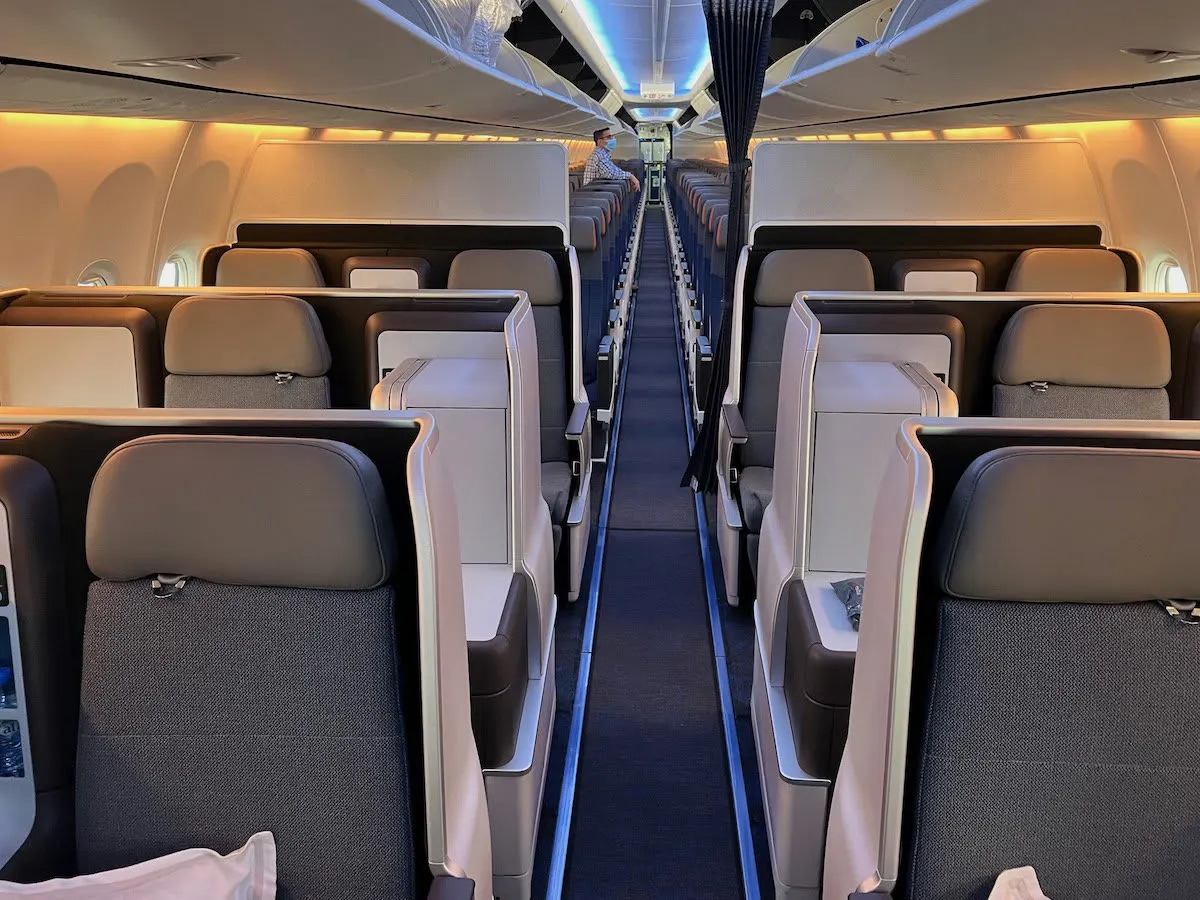
Flydubai Upgrading 21 Boeing 737 MAX 8s to Flat Bed Seats
Flydubai is retrofitting 21 Boeing 737 MAX 8 aircraft with lie-flat business class seats to standardize its premium product by late 2027.
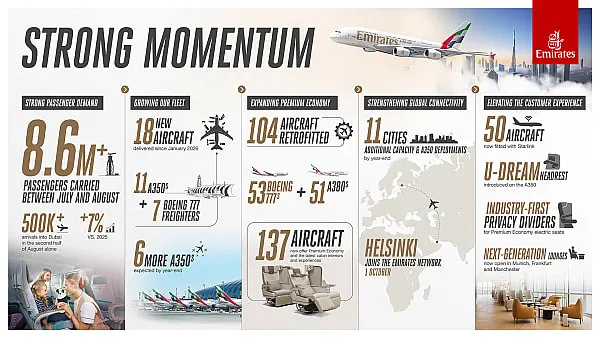
Emirates Winter Booking Momentum Grows Amid Fleet Expansion
Emirates carried 8.6 million passengers this summer and enters winter with strong demand as it accelerates fleet retrofits and network growth.
Air Arabia Consortium Gains AOC for New Dammam Budget Airline
A Saudi GACA-led consortium including Air Arabia has secured an AOC to launch a new budget airline based at Dammam's King Fahd International Airport.
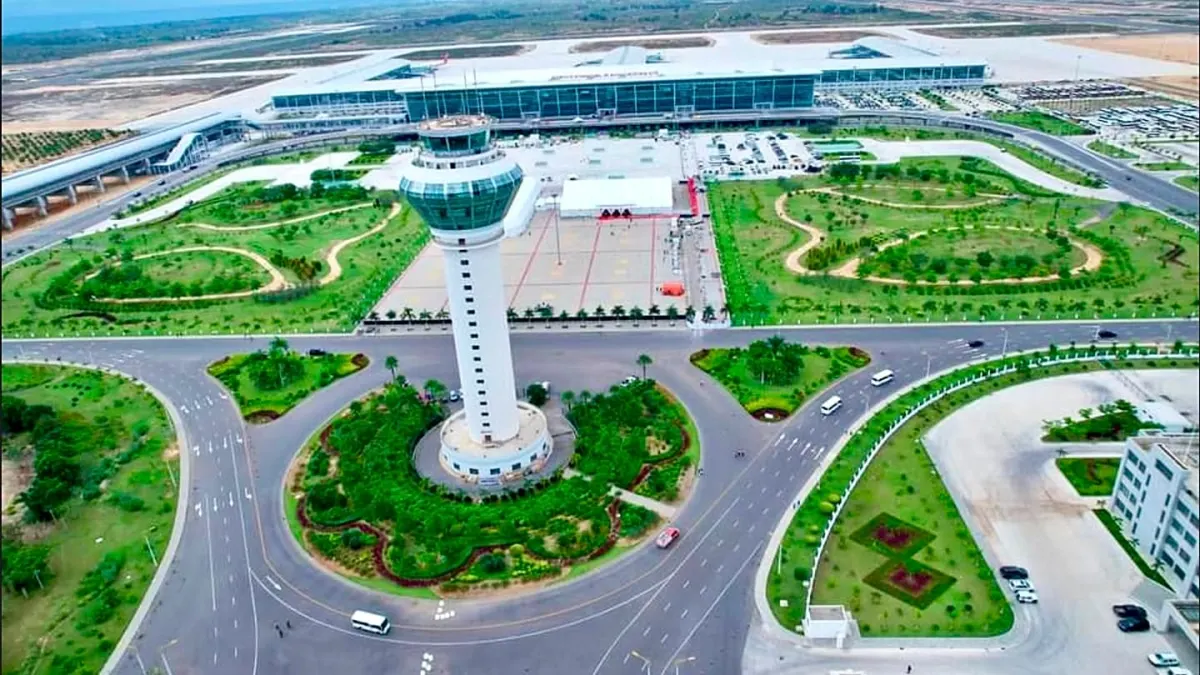
Turkish Airlines Exits Luanda as Angola Hub Struggles
Turkish Airlines dropped its Luanda route as Angola's new airport struggles to attract traffic, handling only 756,028 passengers in 2025.
Red Sea Airlines Leases Two 737 MAX 8s for 2027 Expansion
Red Sea Airlines signed a lease for two Boeing 737 MAX 8 aircraft from SMBC Aviation Capital, arriving in 2027 to support its 14-aircraft fleet goal.
Avelo CEO Warns Airfares May Rise on Jet Fuel Price Spikes
Avelo Airlines CEO Andrew Levy warns that rising fuel costs may force fare increases as global jet fuel prices reach $171.01 per barrel.