S7 Airlines Bans First Officer Landings Amid Fleet Crisis

Co-Founder & CEOAviation News Editor delivering trusted coverage across the global aviation industry.
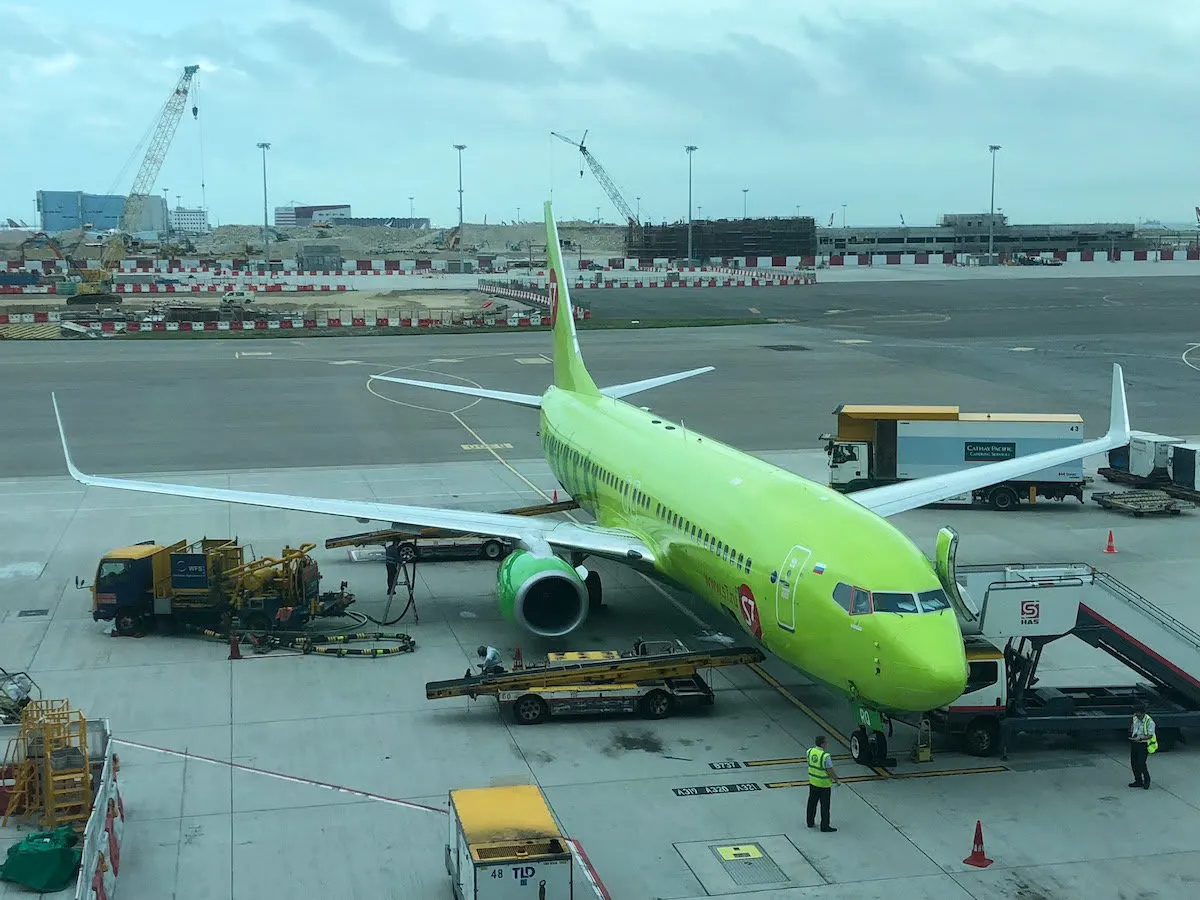
S7 Airlines has banned first officers from performing landings at most airports until October 2026 to prevent structural damage to its grounded fleet.
Key Takeaways
- •S7 Airlines bans first officer landings at most airports until October 2026.
- •Policy aims to prevent structural damage due to Western spare part shortages.
- •Only 5 of 30 Airbus A320neo aircraft remain operational at S7 Airlines.
- •S7 plans to acquire 100 Russian-built Tu-214 aircraft starting in 2029.
Operational Shifts at S7 Airlines
JSC Siberia Airlines, operating as S7 Airlines, has implemented a restrictive new directive that prohibits first officers from executing landings at the vast majority of its network destinations. This policy, effective from June 1, 2026, through October 1, 2026, is a direct response to a concerning increase in hard landings that have triggered mandatory structural inspections. The directive, issued by the airline's Deputy General Director for Flight Operations, requires captains to perform all landings at any airport outside of four authorized bases: Moscow Domodedovo Airport (DME), Tolmachevo Airport (OVB), Vladivostok International Airport (VVO), and Irkutsk International Airport (IKT).
The Impact of Sanctions on Maintenance
The move highlights the acute pressure caused by Western aviation sanctions, which have severely restricted the supply of critical spare parts for the airline's Western-built fleet. According to CH-Aviation fleet data, approximately 33% of the carrier's aircraft are currently grounded due to a lack of certified components and bottlenecks in engine maintenance. The situation is particularly stark for the Airbus A320neo fleet, where only five of the airline's 30 units remain operational. By mandating captain-only landings, S7 Technics aims to minimize unscheduled heavy maintenance checks that would otherwise exacerbate the shortage of airworthy frames.
Safety and Proficiency Concerns
While the mandate aims to preserve structural integrity, industry analysts have expressed concern regarding long-term pilot proficiency. By restricting first officers from landing at diverse airports, the airline is effectively limiting their exposure to varied operational environments. Critics argue this policy may inadvertently degrade piloting skills, potentially creating safety risks when these first officers eventually upgrade to captain roles. This development contrasts with historical safety challenges at Irkutsk (IKT), where a 2006 incident involving an S7 Airbus A310 resulted in 125 fatalities. While IKT remains an authorized base for first officer landings under the new policy, Runway 12 at the airport is specifically excluded from this exemption.
Future Fleet Strategy
To mitigate its reliance on Western aircraft, S7 Airlines has signed a memorandum to acquire 100 domestically produced Tupolev Tu-214 aircraft. This shift toward import substitution in aviation represents a long-term strategic pivot for the carrier, as it anticipates the delivery of these domestic jets beginning in 2029. In the near term, however, the airline remains focused on maximizing the utility of its existing, aging fleet through these strict operational limits.
Why S7 Airlines Is Restricting Landings
The restriction is a necessary mechanism to prevent further degradation of an already depleted fleet. Because the airline cannot easily source replacement parts for structural damage caused by high G-force landings, the policy serves as a risk-mitigation strategy to keep the remaining operational fleet in service. For passengers and crew, this means a significantly higher concentration of landings will be handled by the most experienced pilots in the company until the directive expires in October.
Frequently Asked Questions
- Why has S7 Airlines restricted first officers from landing?
- S7 Airlines implemented the restriction to prevent hard landings that require structural inspections. Because Western sanctions make it difficult to source spare parts, the airline is prioritizing aircraft preservation to avoid unscheduled maintenance.
- Which airports are exempt from the S7 first officer landing ban?
- First officers are still permitted to perform landings at four base airports: Moscow Domodedovo (DME), Novosibirsk Tolmachevo (OVB), Vladivostok (VVO), and Irkutsk (IKT), with the exception of Runway 12 at Irkutsk.
omniflights.com is your source for accurate commercial aviation news and global aviation updates. Get the latest updates on major hubs, regional terminals, and airport operations via the Airports section at omniflights.com/airports.
Written by Hardik Vishwakarma
Co-Founder & Aviation News Editor leading initiatives that improve trust and visibility across the global aviation industry. Covers airlines, airports, safety, and emerging technology.
Visit ProfileYou Might Also Like
Discover more aviation news based on similar topics

Families Demand DCA Midair Collision Safety Reforms
Families of 67 victims from the 2025 DCA midair collision are pressing Congress for mandatory ADS-B In technology to prevent future aviation tragedies.
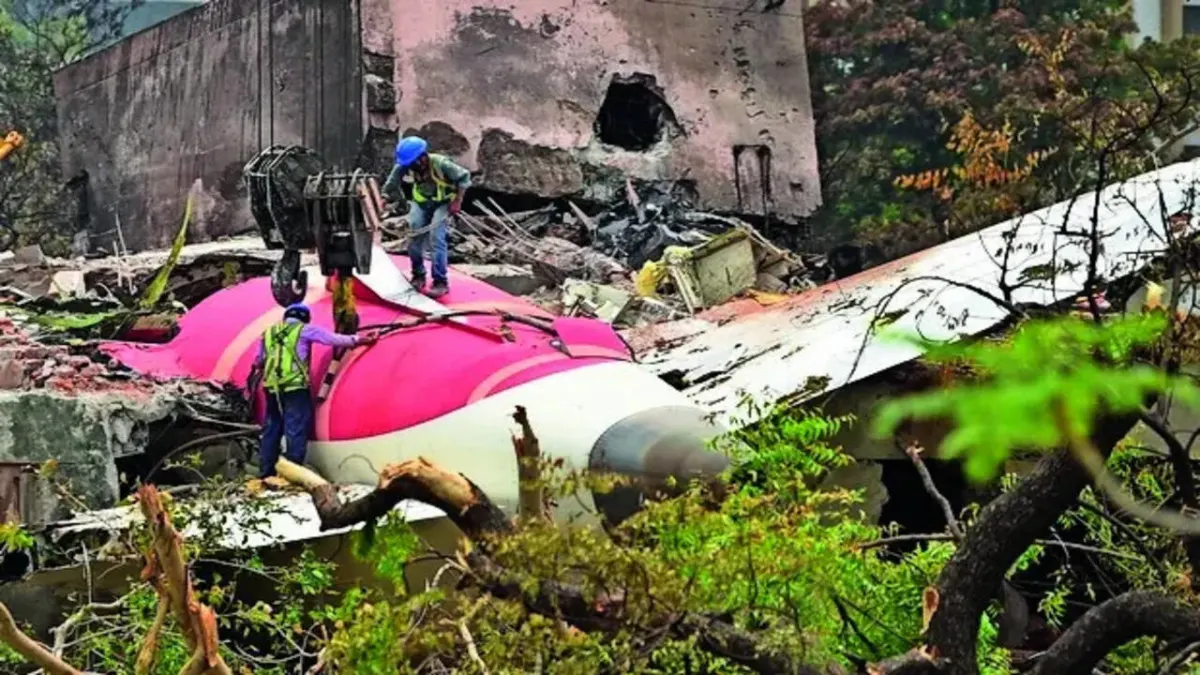
FAS Challenges AAIB Over Boeing 787 Safety Data
The Foundation for Aviation Safety is urging the AAIB to issue safety warnings for the Boeing 787 fleet following the fatal Air India 171 crash.
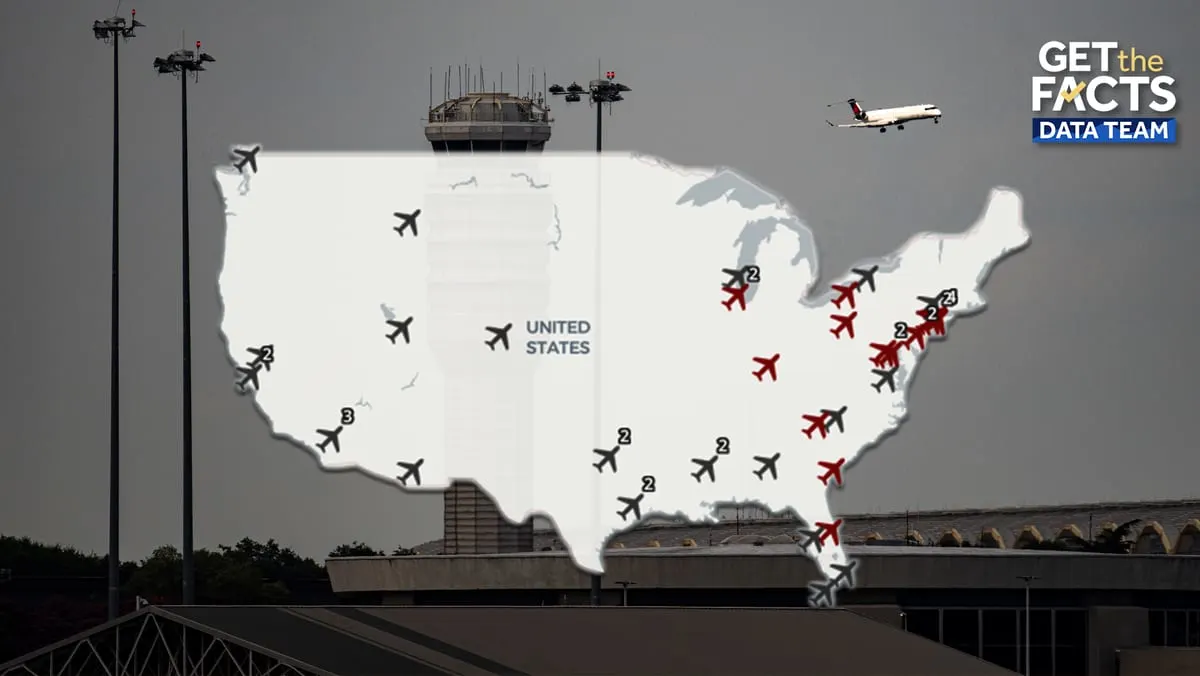
NTSB Safety Recommendations Lag Amid 6 Monthly Near-Misses
Approximately 6 near-miss incidents occur monthly at U.S. airports as 270 NTSB safety recommendations remain unaddressed by federal regulators.
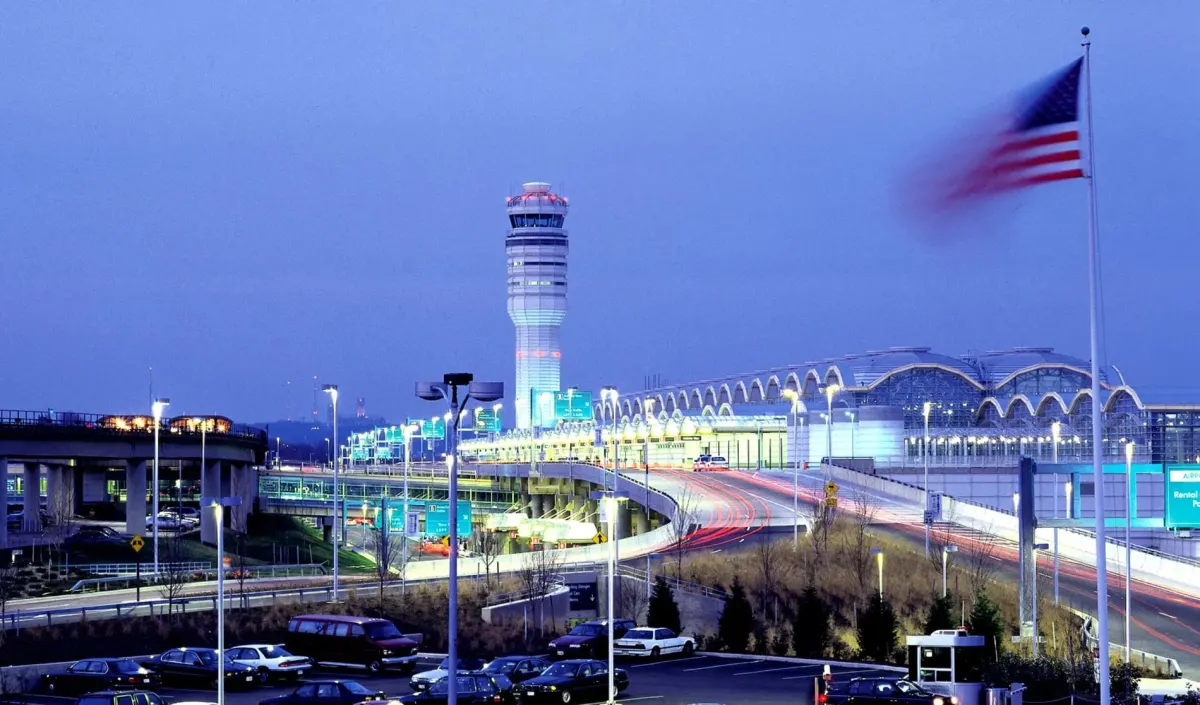
NTSB Rejects FAA Safety Responses After 67-Fatality Crash
The NTSB labeled 11 FAA responses to 2025 DCA mid-air collision recommendations as unacceptable, citing the lack of a mandatory ADS-B In requirement.
EASA Orders Urgent Airbus A380 Wing Spar Inspections
The EASA ordered urgent inspections on 16 Airbus A380s after discovering wing spar cracks that could compromise structural integrity.
Ryanair Flight RK514 Diverts to Birmingham After Emergency
Ryanair flight RK514 diverted to Birmingham Airport on September 13, 2026, following a medical emergency involving a passenger.