AI2379 Drops 300 Feet in Severe Turbulence

Co-Founder & CTOCo-Founder & CTO driving the technology and data systems behind Omni Flights.

An Air India Airbus A320 experienced severe turbulence on flight AI2379, injuring 17 people during a sudden 300-foot altitude drop.
Key Takeaways
- •Air India Flight AI2379 dropped 300 feet during severe mid-air turbulence.
- •Seventeen people were injured, including four cabin crew members.
- •DGCA grounded the Airbus A320 aircraft to retrieve flight recorders.
- •Preliminary investigation findings are expected to be published in late 2026.
The Air India turbulence incident involving Flight AI2379 Phuket Delhi resulted in a sudden Airbus A320 altitude drop of approximately 300 feet, injuring 17 people on August 4, 2026. The DGCA aviation safety probe is currently analyzing the flight's data recorders to determine the cause of the severe mid-air event. Operating as a scheduled international flight from Phuket International Airport to Indira Gandhi International Airport in Delhi, the Airbus A320 aircraft (registration VT-EXO) encountered violent, unexpected atmospheric disturbances during the cruise phase of the flight.
Severity of the Mid-Air Disturbance
According to statements from Civil Aviation Minister K Rammohan Naidu, the aircraft experienced severe mid-air turbulence lasting between four and five minutes. During this brief window, the aircraft suffered a rapid altitude loss of approximately 300 feet, which caused unbuckled occupants and cabin items to be thrown about the cabin.
The flight was carrying 137 passengers and 8 crew members. The sudden drop resulted in injuries to 13 passengers and 4 cabin crew members, all of whom required immediate hospitalization upon landing in Delhi. While all 13 passengers were treated and subsequently discharged by 15:30 hrs on August 5, 2026, the four cabin crew members sustained more severe injuries and remain hospitalized under close medical supervision.
Minister Naidu confirmed that a couple of the crew members suffered significant spinal injuries near the tailbone and neck trauma. Despite their injuries, the cabin crew continued to perform their duties during the remaining hour of the flight. "The plane had to travel for one more hour and even through that hour, the crew members provided all the assistance required," Naidu stated during a briefing in New Delhi. "It was very brave... I would like to thank them for the bravery they have shown."
Regulatory Response and Aircraft Grounding
The DGCA (Directorate General of Civil Aviation), India's statutory aviation regulatory body, has launched a formal investigation into the incident. A senior DGCA official confirmed that the PIC (Pilot in Command) reported the severe injuries immediately after the altitude loss.
As part of the standard regulatory protocol for severe turbulence events, the DGCA has temporarily grounded the Airbus A320 aircraft (VT-EXO). Investigators have secured the aircraft's Flight Data Recorder (FDR) and Cockpit Voice Recorder (CVR) to analyze the precise atmospheric conditions, vertical acceleration forces, and autopilot responses during the four-to-five-minute encounter.
Stakeholder and Operational Impacts
The incident has direct consequences for multiple aviation stakeholders. For the Air India Cabin Crew, the event highlights the high occupational hazards faced by in-flight staff, who are often unbelted while performing service duties. The severity of the spinal and neck injuries sustained by the four crew members underscores the physical vulnerability of crew during sudden, clear-air turbulence.
For Air India Operations, the temporary removal of the Airbus A320 (VT-EXO) from active service necessitates immediate fleet adjustments to prevent schedule disruptions on regional and domestic routes. The carrier also faces potential financial liabilities, including medical coverage and support services for the injured passengers and crew.
Historical Precedents and Industry Trends
This event aligns with a documented global rise in severe clear-air turbulence encounters, which have increasingly led to high-profile in-flight injuries. Modern meteorological shifts are making clean-air disturbances harder to detect via standard weather radar, catching flight crews without warning.
In May 2024, Singapore Airlines Flight SQ321 experienced a violent altitude drop over the Irrawaddy Basin, resulting in one fatality and dozens of severe spinal and head injuries. That milestone event prompted global airlines to re-evaluate their in-flight seatbelt policies, with many carriers mandating that passengers remain buckled at all times and suspending cabin service immediately when the seatbelt sign is illuminated.
Similarly, in May 2024, Qatar Airways Flight QR107 encountered severe turbulence over Turkey, injuring twelve people on board before landing safely in Dublin. These precedents suggest that sudden altitude drops are becoming a critical focus area for global safety regulators.
Analyzing the Physics of Sudden Altitude Drops
The sudden 300-foot altitude loss experienced by flight AI2379 points to a severe downdraft or a localized microburst-like phenomenon during high-altitude cruise. When an aircraft encounters rapid changes in wind shear or convective air currents, the lift generated by the wings can momentarily collapse, causing a rapid downward acceleration.
For cabin occupants who are not secured by seatbelts, this downward acceleration effectively causes the aircraft floor to drop faster than their bodies can fall, resulting in violent impacts with the cabin ceiling and overhead bins. The fact that the cabin crew suffered localized spinal trauma near the tailbone indicates they were likely standing or preparing service carts when the vertical drop occurred, absorbing the impact force directly through their musculoskeletal systems when the aircraft suddenly stabilized.
Timeline for the DGCA Safety Investigation
The DGCA is expected to publish its preliminary investigation findings into the AI2379 turbulence incident in Late 2026. The safety probe will focus on whether the flight crew received any meteorological warnings of convective activity along the Phuket-Delhi flight path and whether the aircraft's weather radar was functioning optimally. Additionally, investigators will review the timeline of the seatbelt sign activation relative to the onset of the turbulence.
Why Cabin Crew Safety Standards Must Evolve
This incident highlights the urgent need for enhanced safety protocols specifically tailored to protect cabin crew members. While passengers are repeatedly instructed to keep their seatbelts fastened throughout the flight, cabin crew must routinely move about the cabin to conduct safety checks and service passengers, leaving them highly exposed to sudden atmospheric shifts. As clear-air turbulence events become more frequent and severe globally, regulatory bodies may need to mandate advanced, wearable alert systems or implement stricter limits on cabin service during transit through known areas of atmospheric instability.
Frequently Asked Questions
- What caused the injuries on Air India flight AI2379?
- The injuries were caused by severe mid-air turbulence that lasted for four to five minutes, resulting in a sudden altitude drop of approximately 300 feet.
- What is the status of the passengers and crew injured during the flight?
- All 13 hospitalized passengers have been discharged, while four cabin crew members remain under medical care for spinal and neck injuries.
- How is the DGCA investigating the Air India turbulence incident?
- The Directorate General of Civil Aviation has grounded the Airbus A320 aircraft and secured the Flight Data Recorder and Cockpit Voice Recorder to analyze the flight dynamics.
From airline operations to fleet updates, commercial aviation news lives at omniflights.com. For detailed airline coverage, route changes, and fleet moves, explore the Airlines section at omniflights.com/airlines.
Written by Shashank Shukla
Co-Founder & CTO leading the engineering and AI systems behind Omni Flights. Covers aviation technology, flight safety, aircraft manufacturing, and emerging aerospace developments.
Visit ProfileYou Might Also Like
Discover more aviation news based on similar topics

Families Demand DCA Midair Collision Safety Reforms
Families of 67 victims from the 2025 DCA midair collision are pressing Congress for mandatory ADS-B In technology to prevent future aviation tragedies.
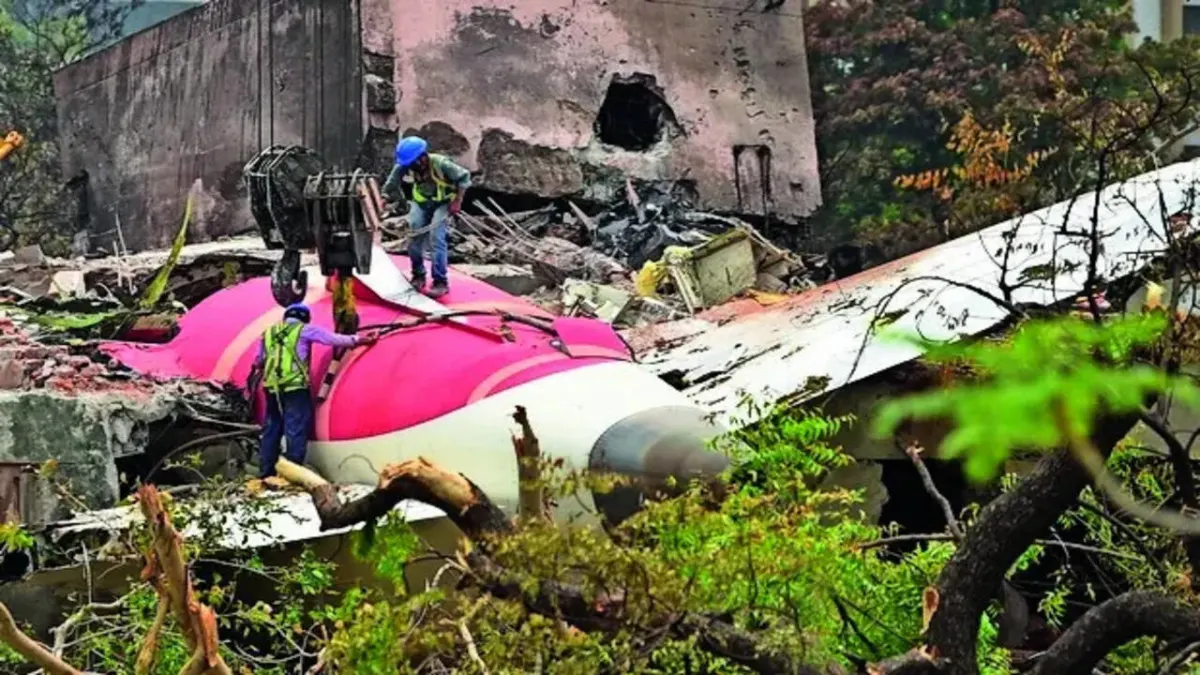
FAS Challenges AAIB Over Boeing 787 Safety Data
The Foundation for Aviation Safety is urging the AAIB to issue safety warnings for the Boeing 787 fleet following the fatal Air India 171 crash.
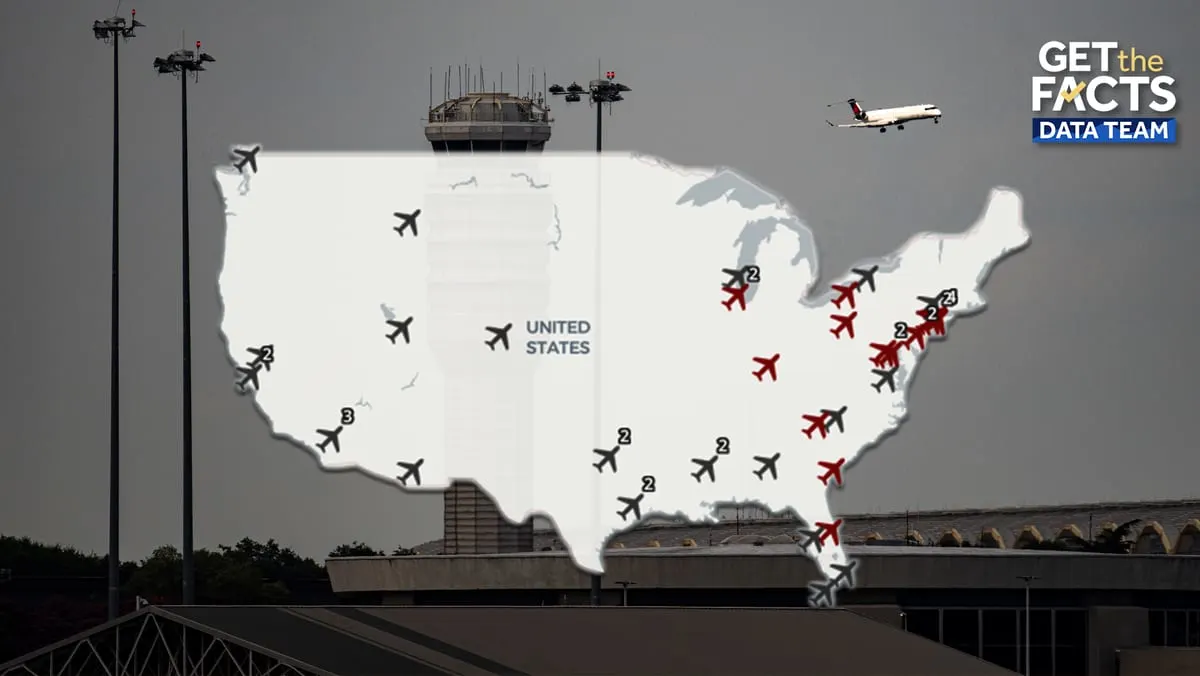
NTSB Safety Recommendations Lag Amid 6 Monthly Near-Misses
Approximately 6 near-miss incidents occur monthly at U.S. airports as 270 NTSB safety recommendations remain unaddressed by federal regulators.
NTSB Rejects FAA Safety Responses After 67-Fatality Crash
The NTSB labeled 11 FAA responses to 2025 DCA mid-air collision recommendations as unacceptable, citing the lack of a mandatory ADS-B In requirement.
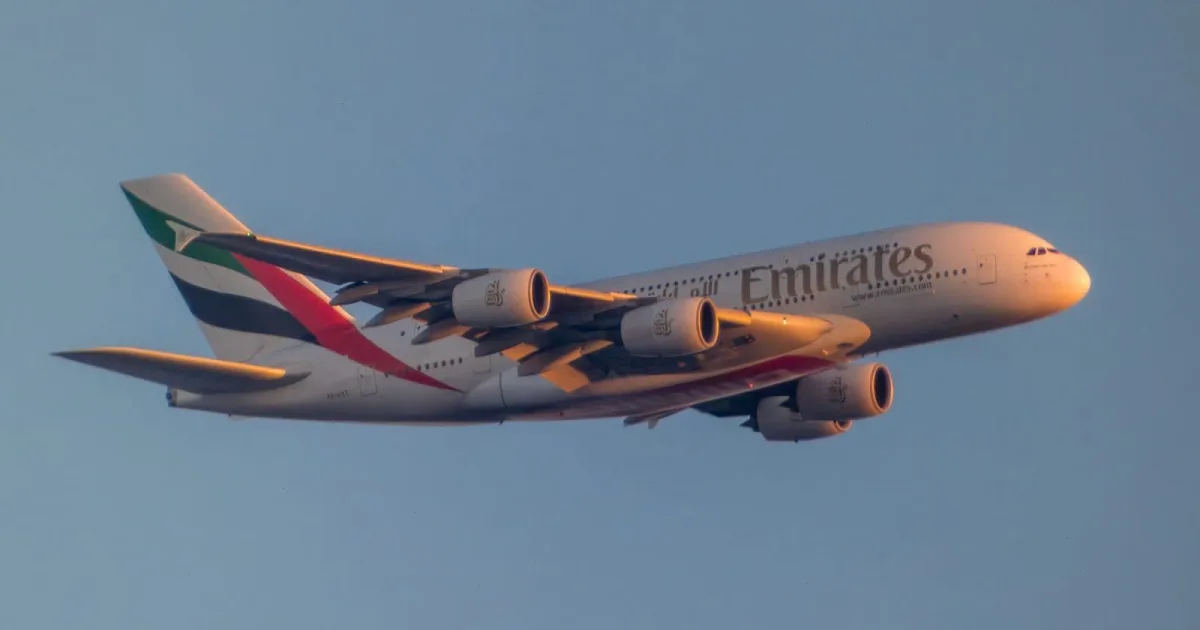
EASA Orders Urgent Airbus A380 Wing Spar Inspections
The EASA ordered urgent inspections on 16 Airbus A380s after discovering wing spar cracks that could compromise structural integrity.
Ryanair Flight RK514 Diverts to Birmingham After Emergency
Ryanair flight RK514 diverted to Birmingham Airport on September 13, 2026, following a medical emergency involving a passenger.