AZG5722 Diverts to DFW After ATC Declares Fuel Emergency

Co-Founder & CTOCo-Founder & CTO driving the technology and data systems behind Omni Flights.
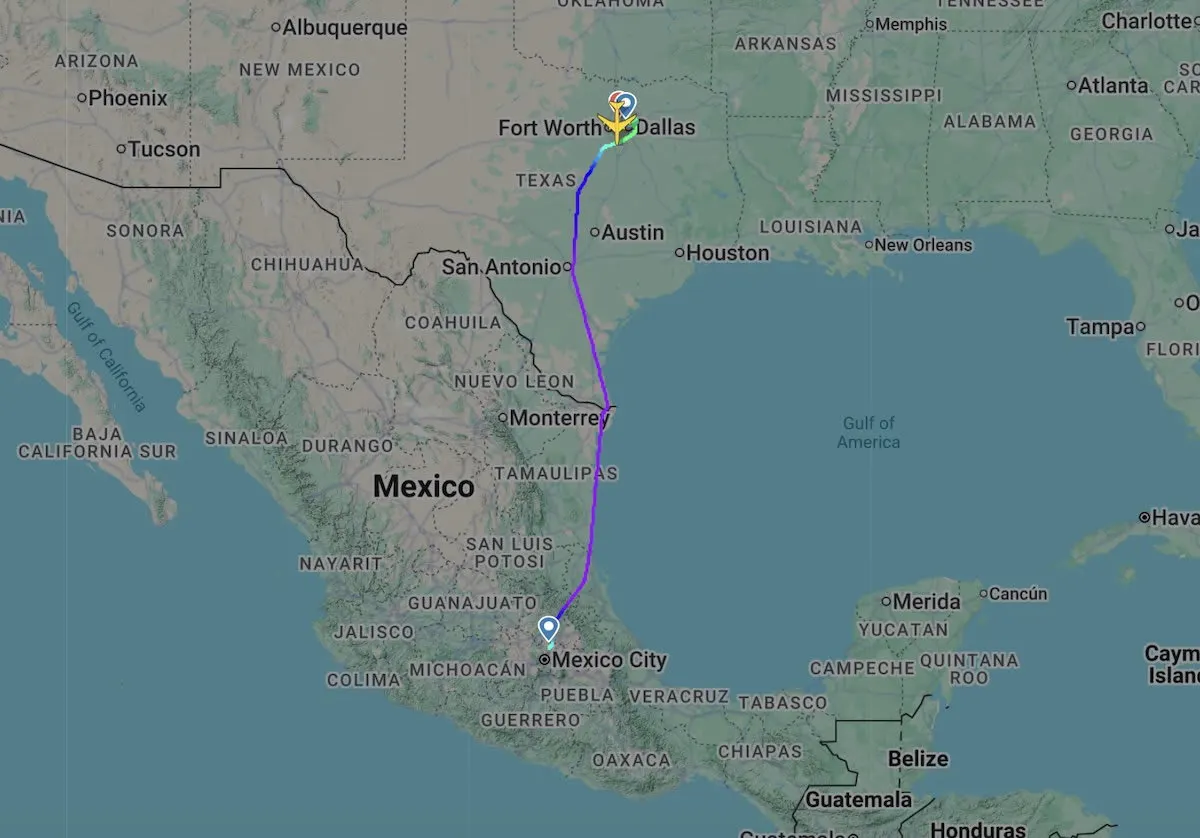
Silk Way West Airlines flight AZG5722 diverted to Dallas with 6,000 pounds of fuel remaining after ATC declared an emergency on the crew's behalf.
Key Takeaways
- •Silk Way West Airlines flight AZG5722 diverted to Dallas due to low fuel.
- •Air traffic controllers declared an emergency on behalf of the hesitant crew.
- •The Boeing 747-8F landed safely at DFW with only 30 minutes of fuel left.
- •FAA and Azerbaijani authorities are expected to launch safety investigations.
On August 4, 2026, a Silk Way West Airlines Boeing 747-8 Freighter operating flight AZG5722 diverted to Dallas after a critical fuel emergency forced air traffic controllers to intervene. The cargo flight, which departed from Mexico City's Felipe Ángeles International Airport (NLU), was originally scheduled to land at Houston's George Bush Intercontinental Airport (IAH). However, a severe loss of situational awareness and dwindling fuel reserves prompted ground controllers to proactively declare an emergency on behalf of the flight crew, redirecting the heavy aircraft to Dallas/Fort Worth International Airport (DFW).
The incident highlights growing concerns over operational safety, flight planning, and communication protocols for international cargo operators in busy United States airspace. Despite the crew's critical fuel state, radio transmissions indicated they repeatedly requested vectors to their original Houston destination—a path that would have likely exhausted their remaining fuel before arrival. The proactive intervention by Air Traffic Control (ATC) averted a potential catastrophe, demonstrating the vital role of ground-based safety nets when cockpit situational awareness degrades.
Critical Fuel State and Controller Intervention
According to flight tracking data, flight AZG5722 had a total flight duration of 2 hours and 21 minutes from its departure in Mexico City to its unscheduled landing in Dallas. During the flight, the crew issued an international urgency signal, or PAN-PAN (International Urgency Signal), indicating they were facing a low-fuel situation but did not initially declare a full emergency. At the time of the transmission, the crew reported having only 6,000 pounds of fuel remaining, which equates to roughly 30 minutes of flight endurance for a Boeing 747-8.
Under FAA Order JO 7110.65, air traffic controllers are authorized to declare an emergency on behalf of a pilot if they determine an emergency exists and the pilot has failed or hesitated to do so. Recognizing that the aircraft could not safely reach Houston with only 30 minutes of fuel, the controller declared an emergency and vectored the aircraft directly to runway operations at DFW.
This operational breakdown carries high-severity consequences for several stakeholders. Silk Way West Airlines faces immediate operational disruption and is highly likely to undergo rigorous safety investigations from both the Federal Aviation Administration (FAA) and Azerbaijani civil aviation authorities. The investigation will focus on flight planning, dispatch decisions, and crew communication. For the FAA's ATC division, the event validates the necessity of proactive controller intervention protocols. Meanwhile, Dallas/Fort Worth International Airport experienced low-severity operational impacts, as it had to quickly accommodate an unscheduled heavy aircraft diversion and deploy airport rescue and firefighting (ARFF) apparatus to meet the landing aircraft.
Addressing the controller's decision, the National Air Traffic Controllers Association (NATCA) advocated for the safety benefits of proactive ground intervention. The association emphasized that controller intervention serves as a critical final safety net when flight crews lose situational awareness or miscalculate fuel requirements.
Historical Context and Fleet Dynamics
This incident occurs amid an increasing trend of operational scrutiny on foreign cargo carriers navigating complex US airspace. Aviation authorities have noted a rise in navigational deviations and communication breakdowns among international freight operators over the past decade, often linked to language barriers or unfamiliarity with local ATC procedures.
The critical nature of fuel management is underscored by severe historical precedents. In January 1990, Avianca Flight 52, a Boeing 707, crashed in New York after running out of fuel following multiple holding patterns, resulting in 73 fatalities. That disaster highlighted the extreme danger of fuel exhaustion and the catastrophic consequences of a flight crew failing to adequately communicate a critical fuel state to ATC. Similarly, in November 2016, LaMia Flight 2933, an Avro RJ85, crashed in Colombia after running out of fuel, killing 71 people. Both historical events demonstrate the severe risks associated with poor flight planning and the fatal consequences of delaying an emergency declaration when fuel is critically low.
To understand the operational environment of the aircraft involved, a technical comparison of the Boeing 747-8F and its primary twin-engine peer, the Boeing 777F, reveals the immense fuel and payload dynamics at play.
Boeing 747-8F vs Boeing 777F: Key Specifications
| Metric | Boeing 747-8F | Boeing 777F |
|---|---|---|
| Payload Capacity | 137.7 tonnes | 102 tonnes |
| Range at Max Payload | 4,120 nm | 4,970 nm |
| Engines | 4x GEnx-2B67 | 2x GE90-110B1L |
The Operational Risks of Low-Fuel Situational Deviations
The flight path of AZG5722 highlights a dangerous misalignment between cockpit calculations and real-world flight endurance. Carrying only 6,000 pounds of fuel on a heavy quad-engine aircraft like the Boeing 747-8F leaves virtually zero margin for routing changes, weather deviations, or holding patterns. International flights are bound by strict regulatory standards, such as FAR Part 121 and ICAO Annex 6 Minimum Fuel Requirements, which mandate that aircraft carry enough fuel to reach their destination, execute a missed approach, fly to an alternate airport, and hold for an additional 30 minutes. The fact that AZG5722 arrived near its destination area with only 30 minutes of total endurance indicates a systemic failure in pre-flight planning or an unaddressed inflight fuel loss. This event follows the trajectory of historical fuel-exhaustion precedents but was successfully interrupted by modern ATC emergency protocols, illustrating how proactive ground intervention has become a primary defense against human error in complex terminal environments.
Investigation and Safety Audit Timelines
The aftermath of the diversion will trigger several regulatory and internal reviews. The following milestones are expected to track the progress of the investigation:
- Internal Safety Audit and Crew Review: Expected in Q3 2026, Silk Way West Airlines will conduct an internal review of the dispatch, flight planning, and cockpit actions of flight AZG5722.
- Preliminary Incident Investigation Report: Expected by September 2026, the FAA is anticipated to release its preliminary findings detailing the exact communication timeline, fuel calculations, and flight path deviations.
Why Proactive ATC Intervention Matters
For the broader aviation industry, this incident underscores the critical importance of the safety buffers built into air traffic control regulations. It proves that when cockpit crew communication or situational awareness fails, the proactive authority of ground controllers remains a vital line of defense against catastrophic fuel exhaustion. For international operators, the event serves as a stark reminder of the strict enforcement of fuel reserve requirements and the high operational costs of navigational errors in busy US airspace corridors.
Frequently Asked Questions
- Why did Silk Way West flight AZG5722 divert to Dallas?
- The flight diverted to Dallas/Fort Worth International Airport after running critically low on fuel during its flight from Mexico City to Houston, prompting air traffic controllers to declare an emergency on the crew's behalf.
- How much fuel did the Boeing 747-8F have when the emergency was declared?
- The crew reported having only 6,000 pounds of fuel remaining, which represents approximately 30 minutes of flight endurance.
- Can air traffic controllers declare an emergency for a pilot?
- Yes, under FAA Order JO 7110.65, controllers can proactively declare an emergency on behalf of a flight crew if they determine an emergency condition exists and the crew has not declared one.
omniflights.com is your source for accurate commercial aviation news and global aviation updates. Discover how innovation is shaping aviation through aircraft systems, avionics, and digital tools at omniflights.com/technology.
Written by Shashank Shukla
Co-Founder & CTO leading the engineering and AI systems behind Omni Flights. Covers aviation technology, flight safety, aircraft manufacturing, and emerging aerospace developments.
Visit ProfileYou Might Also Like
Discover more aviation news based on similar topics

Families Demand DCA Midair Collision Safety Reforms
Families of 67 victims from the 2025 DCA midair collision are pressing Congress for mandatory ADS-B In technology to prevent future aviation tragedies.

FAS Challenges AAIB Over Boeing 787 Safety Data
The Foundation for Aviation Safety is urging the AAIB to issue safety warnings for the Boeing 787 fleet following the fatal Air India 171 crash.
NTSB Safety Recommendations Lag Amid 6 Monthly Near-Misses
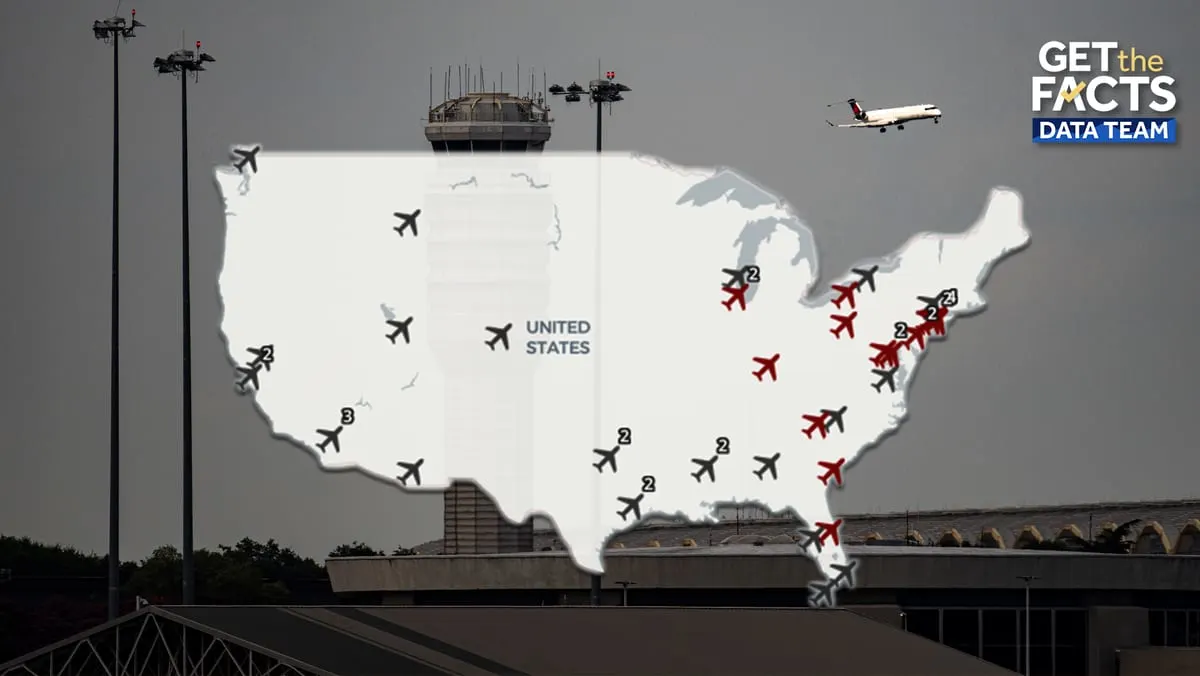
Approximately 6 near-miss incidents occur monthly at U.S. airports as 270 NTSB safety recommendations remain unaddressed by federal regulators.
NTSB Rejects FAA Safety Responses After 67-Fatality Crash
The NTSB labeled 11 FAA responses to 2025 DCA mid-air collision recommendations as unacceptable, citing the lack of a mandatory ADS-B In requirement.
EASA Orders Urgent Airbus A380 Wing Spar Inspections
The EASA ordered urgent inspections on 16 Airbus A380s after discovering wing spar cracks that could compromise structural integrity.
Ryanair Flight RK514 Diverts to Birmingham After Emergency
Ryanair flight RK514 diverted to Birmingham Airport on September 13, 2026, following a medical emergency involving a passenger.