Envoy E170 in Marine One Separation Incident at DCA

Co-Founder & CTOCo-Founder & CTO driving the technology and data systems behind Omni Flights.
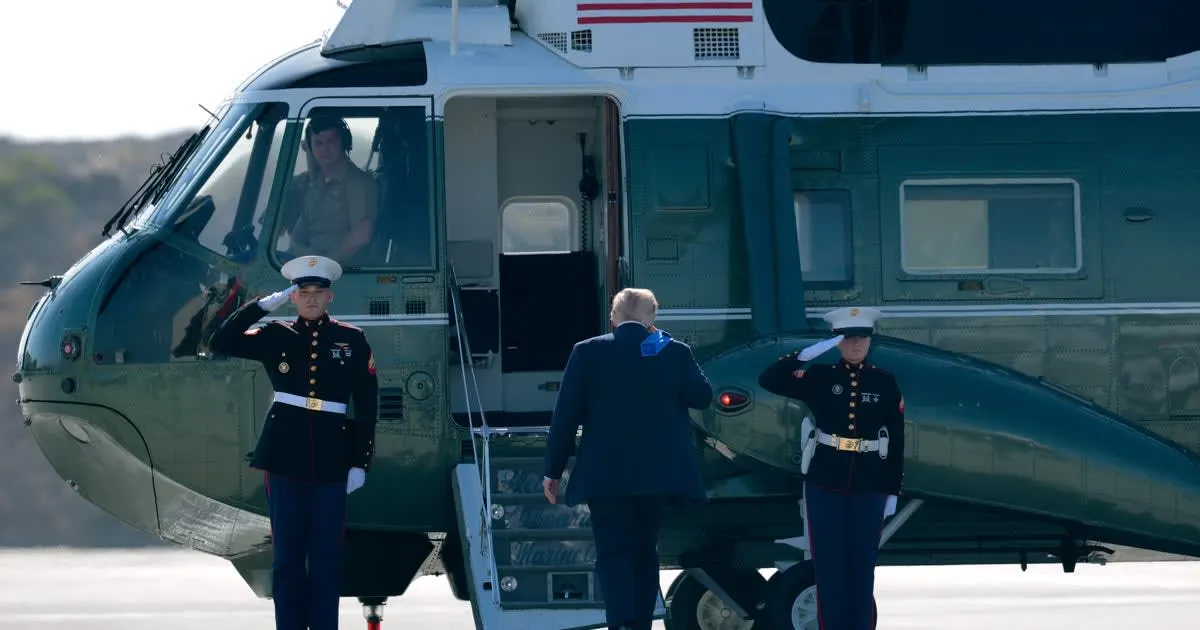
The FAA is investigating a separation loss between Marine One and an Envoy Air E170 carrying 65 passengers at DCA.
Key Takeaways
- •FAA and NTSB launch joint safety probe into Marine One incident at DCA.
- •Envoy Air Embraer E170 was rotating off runway during presidential departure.
- •Air traffic controllers failed to execute mandatory ground stop on August 4.
- •Strict rules were enacted after a fatal midair collision in January 2025.
The Federal Aviation Administration (FAA) and the National Transportation Safety Board (NTSB) have launched a joint investigation into a Marine One safety incident that occurred on August 4, 2026. The event triggered an immediate NTSB aviation probe after air traffic controllers failed to implement a mandatory Reagan National Airport ground stop while the presidential helicopter was departing the White House. This lapse led to an active FAA loss of separation investigation involving a commercial regional jet.
The incident occurred as President Trump was departing Washington for a scheduled trip to the West Coast. According to official flight logs, Envoy Air flight 3742, an Embraer E170 carrying up to 65 passengers, was rotating off runway one at Ronald Reagan Washington National Airport (DCA) just as the presidential helicopter transitioned across the Potomac River. Under strict Department of Transportation (DOT) security and safety directives, DCA must halt all commercial takeoffs and landings when exempt helicopter flights enter this sensitive airspace corridor.
During the departure sequence, the Marine One pilot attempted to establish radio contact with the DCA air traffic control tower three times to warn controllers that the helicopter was minutes away from liftoff. Recorded transmissions indicate that the tower acknowledged the call but requested the pilot to repeat the message, stating the transmission "was broken and unreadable." Marine One subsequently lifted off, catching controllers off guard. As the helicopter entered the corridor, the tower controller radioed the presidential aircraft: "Marine One, you've got traffic rotating off runway one." The Marine One pilot held position and responded, "National Tower, Marine One — we're going to be doing a delay."
The FAA confirmed that a "momentary loss of separation" occurred before both aircraft continued to move away from each other. FAA airspace rules dictate that aircraft in DCA's controlled airspace must maintain a minimum separation of 1.5 miles horizontally or 500 feet vertically.
This breakdown in protocol has placed intense pressure on multiple stakeholders. Air traffic controllers at DCA are facing high-severity scrutiny from federal investigators for failing to coordinate the ground stop. For Envoy Air, the regional subsidiary of American Airlines, the flight crew of the Embraer E170 must participate in the federal inquiry and submit detailed operational logs. Additionally, the Marine Corps' Presidential Airlift Group (HMX-1) is reviewing its communication procedures to determine why the flight commenced despite receiving reports of unreadable radio transmissions.
While federal investigators focus on the communication failure, some military officials have downplayed the severity of the event. Marine Corps spokesperson Capt. Jacob Sugg characterized the flight as "routine," asserting that air traffic controllers had approved the requested route and provided timely and appropriate traffic information throughout the departure.
The strict ground-stop protocols currently governing DCA airspace were established in response to a catastrophic historical precedent. In January 2025, a midair collision between an Army Black Hawk helicopter and an American Airlines commercial jet near Reagan National Airport resulted in 67 fatalities. Following that disaster, the DOT prohibited all non-essential helicopter operations within the DCA terminal radar service area. While Marine One and emergency medical flights are exempt from this ban, the DOT mandated a complete commercial ground stop whenever these exempt aircraft cross the Potomac River to prevent another disaster.
The Communication Breakdown and Separation Standards
This near-miss highlights a critical vulnerability in the coordination between military flight operations and civilian air traffic control. While the DOT's post-2025 restrictions successfully reduced helicopter traffic density over the Potomac, the safety of the remaining exempt operations relies entirely on flawless communication. When the DCA tower reported a "broken and unreadable" transmission, standard operating procedures should have dictated an immediate hold on all departures until clear communication was re-established. Instead, the lack of immediate confirmation allowed Marine One to lift off while Envoy Air flight 3742 was already in its takeoff roll. This incident suggests that current verbal handoff protocols may require automated digital backup systems, such as transponder-linked warning systems, to prevent human error from compromising the 1.5-mile horizontal separation buffer in congested metropolitan airspace.
Expected NTSB Preliminary Report Timeline
The NTSB is expected to release its preliminary investigation report on the loss of separation event between August and September 2026. This report will detail the exact flight paths, radar data, and transcripts of the radio communications between HMX-1 and the DCA tower. Investigators will also review the performance of the air traffic controllers on duty to assess whether staffing levels or equipment issues contributed to the failure to execute the mandatory ground stop.
Why Airspace Separation Rules Matter Here
This incident underscores the razor-thin safety margins in highly congested, politically sensitive airspace corridors. For the aviation industry, a failure to strictly enforce separation standards around Reagan National Airport threatens to undermine the regulatory reforms enacted after the fatal 2025 collision. Ensuring absolute compliance with ground-stop protocols is vital to maintaining public confidence in regional airline safety and protecting executive transport flights.
Frequently Asked Questions
- Why is there a ground stop at Reagan National Airport for Marine One?
- Following a fatal midair collision in January 2025, the Department of Transportation mandated a complete ground stop for commercial traffic at Reagan National Airport whenever exempt flights like Marine One cross the Potomac River.
- Which aircraft were involved in the August 2026 separation incident?
- The incident involved the presidential helicopter, Marine One, and an Envoy Air Embraer E170 regional jet departing Reagan National Airport.
- What are the standard separation requirements in DCA controlled airspace?
- Under Federal Aviation Administration rules, aircraft operating in the controlled airspace around Reagan National Airport must maintain a minimum separation of 1.5 miles horizontally or 500 feet vertically.
Visit omniflights.com for the latest commercial aviation news and airline industry updates. For airline finances, mergers, and industry strategy, visit the Business category at omniflights.com/business.
Written by Shashank Shukla
Co-Founder & CTO leading the engineering and AI systems behind Omni Flights. Covers aviation technology, flight safety, aircraft manufacturing, and emerging aerospace developments.
Visit ProfileYou Might Also Like
Discover more aviation news based on similar topics

Families Demand DCA Midair Collision Safety Reforms
Families of 67 victims from the 2025 DCA midair collision are pressing Congress for mandatory ADS-B In technology to prevent future aviation tragedies.

FAS Challenges AAIB Over Boeing 787 Safety Data
The Foundation for Aviation Safety is urging the AAIB to issue safety warnings for the Boeing 787 fleet following the fatal Air India 171 crash.
NTSB Safety Recommendations Lag Amid 6 Monthly Near-Misses
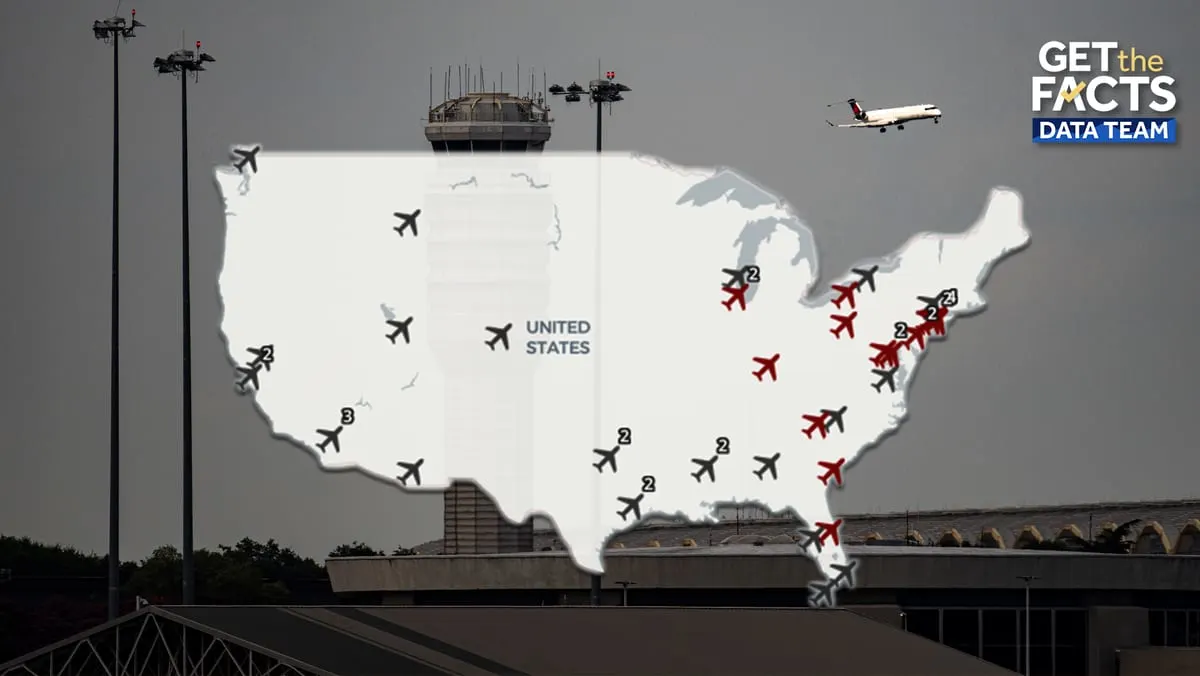
Approximately 6 near-miss incidents occur monthly at U.S. airports as 270 NTSB safety recommendations remain unaddressed by federal regulators.
NTSB Rejects FAA Safety Responses After 67-Fatality Crash
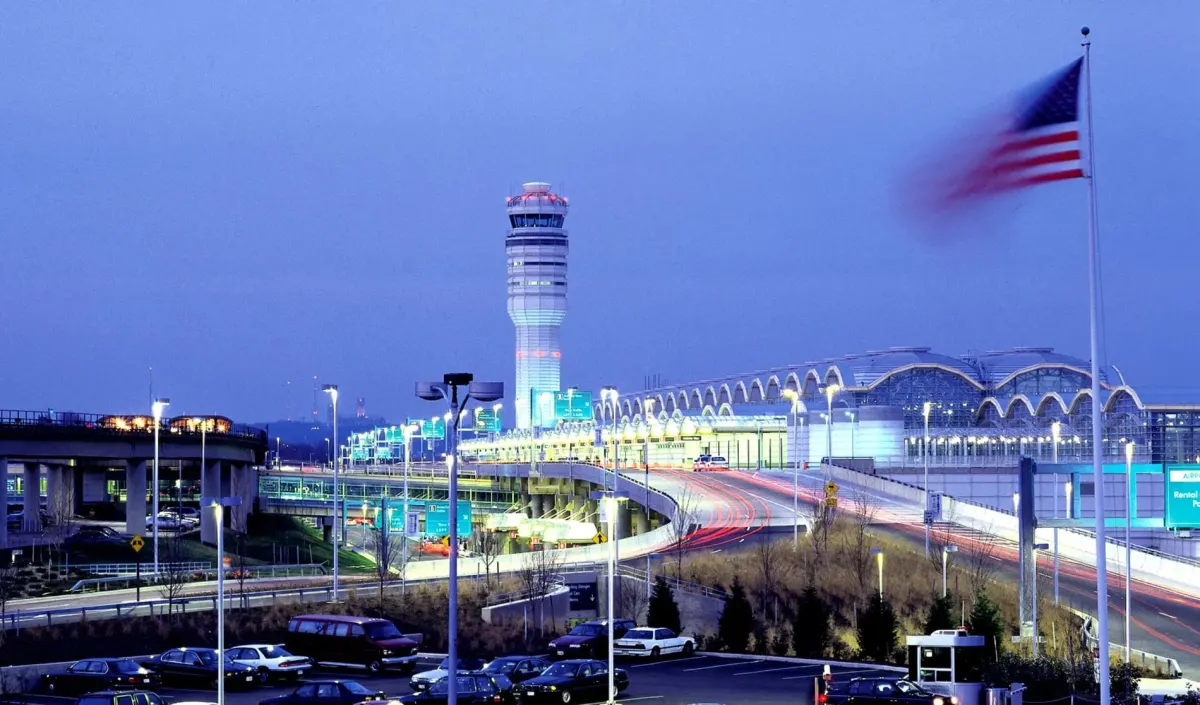
The NTSB labeled 11 FAA responses to 2025 DCA mid-air collision recommendations as unacceptable, citing the lack of a mandatory ADS-B In requirement.
EASA Orders Urgent Airbus A380 Wing Spar Inspections
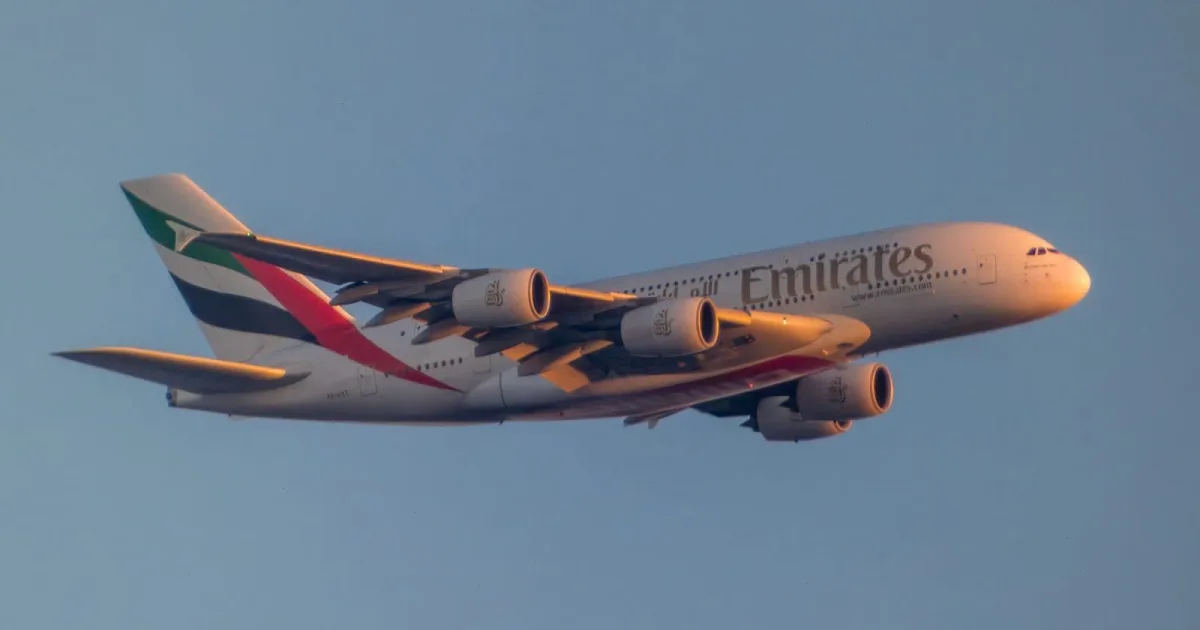
The EASA ordered urgent inspections on 16 Airbus A380s after discovering wing spar cracks that could compromise structural integrity.
Ryanair Flight RK514 Diverts to Birmingham After Emergency
Ryanair flight RK514 diverted to Birmingham Airport on September 13, 2026, following a medical emergency involving a passenger.