FAA Orders 737 MAX Inspections Over Structural Cracks

Co-Founder & CTOCo-Founder & CTO driving the technology and data systems behind Omni Flights.

The FAA ordered inspections of 471 Boeing 737 MAX jets to check for potential structural cracks near the forward galley door.
Key Takeaways
- •FAA mandates structural inspections for 471 Boeing 737 MAX jets.
- •Directive targets potential bear strap cracks near the galley door.
- •Safety mandate takes effect on September 10, 2026.
- •No cracks have been detected in the active 737 MAX fleet to date.
The FAA (Federal Aviation Administration) has finalized a new AD (Airworthiness Directive) requiring Boeing 737 MAX inspections for hundreds of U.S.-registered aircraft to detect potential bear strap cracks near the forward galley door cutout. The Federal Register final rule mandates these inspections for Boeing 737 MAX 8, 9, and 8-200 variants. This safety mandate, which targets 471 U.S.-registered planes, aims to prevent structural fatigue before in-service failures occur. The directive is scheduled to take official effect on September 10, 2026.
While no cracks have been reported in the active 737 MAX fleet to date, the regulatory action represents a proactive approach to structural integrity. By addressing potential fatigue early, the FAA aims to mitigate the risk of sudden decompression or structural failure without resorting to fleet-wide groundings. For commercial operators, this translates to a scheduled maintenance workload rather than immediate operational disruptions, preserving late-season capacity while ensuring long-term safety compliance.
Inspection Requirements and Affected Operators
According to the Federal Register Docket No. FAA-2025-3985, the directive specifically targets the fuselage skin and the underlying "bear strap" reinforcement at the forward galley door cutout. The FAA issued this mandate after fatigue cracks were identified on older Boeing 737 NG (Next Generation) aircraft, which share a highly similar structural design and manufacturing process with the newer MAX series.
Under the new rules, airlines operating the affected 471 aircraft in the United States must perform detailed visual and eddy current inspections. If operators discover any cracking during these routine checks, they must contact Boeing Commercial Airplanes for approved repair procedures before returning the aircraft to service.
Boeing confirmed that it supported extending these inspections to the MAX fleet to ensure safety, noting the shared design characteristics between the two generations of the single-aisle jet. Southwest Airlines, the largest operator of the 737 family in the United States, stated that it is currently reviewing the directive and plans to complete all required inspections within the FAA's specified compliance window. Other major operators, including United Airlines, will likewise need to integrate these checks into their existing maintenance schedules.
Precedents in Boeing 737 Structural Fatigue
The current regulatory action mirrors historical fatigue-management campaigns. In February 2021, the FAA finalized a 2021 airworthiness directive (AD 2021-02-13) addressing identical cracking issues on the older Boeing 737 NG fleet. That earlier action was prompted by reports of surface scratches introduced during the manufacturing process, which later developed into fatigue cracks under operational stress.
Similarly, in October 2019, the FAA issued an urgent directive targeting structural cracks in the "pickle fork" assembly of older 737 NG aircraft. That event led to temporary groundings and structural repairs for dozens of aircraft worldwide. In contrast, the current MAX directive focuses on early intervention, reflecting a shift toward predictive safety management.
Boeing 737 MAX vs Boeing 737 Next Generation (NG): Key Structural Inspection Metrics
| Metric | Boeing 737 MAX | Boeing 737 Next Generation (NG) |
|---|---|---|
| Affected Component | Forward galley door cutout bear strap | Forward galley door cutout bear strap |
| Cracks Observed | None to date | Fatigue cracks from manufacturing scratches |
Proactive Fatigue Management in Modern Airframes
This regulatory development highlights a broader industry trend toward proactive maintenance based on legacy airframe performance. Rather than waiting for fatigue cycles to manifest as in-service failures on the newer MAX fleet, the FAA is leveraging extensive operational data from the older 737 NG platform. Because the MAX shares the fuselage design and galley door geometry of its predecessor, the physical stresses acting on the bear strap and fuselage skin are highly predictable. This preemptive alignment of maintenance requirements across aircraft generations demonstrates how regulators and manufacturers use historical fatigue data to address structural vulnerabilities before they impact fleet availability or passenger safety.
Compliance Timeline and Implementation Details
The FAA directive is officially scheduled to take effect on September 10, 2026. Following this date, operators of the affected 471 U.S.-registered Boeing 737 MAX 8, 9, and 8-200 aircraft must execute the mandated inspections according to the specified flight-cycle thresholds.
- September 10, 2026: The Airworthiness Directive becomes legally effective for all U.S. operators.
- Subsequent Maintenance Windows: Airlines will perform visual and eddy current inspections during scheduled C-checks or dedicated maintenance downtime to minimize route disruptions.
- Reporting and Mitigation: Operators must report any anomalous findings to Boeing and the FAA, which will determine if further adjustments to the inspection intervals are necessary.
Why Structural Risk Mitigation Matters for Operators
For commercial aviation stakeholders, this directive establishes a standardized safety baseline that protects the asset value and operational reliability of the 737 MAX fleet. By identifying potential structural weaknesses before they lead to unscheduled groundings, airlines can maintain schedule integrity while reinforcing passenger trust in the aircraft's structural design.
Frequently Asked Questions
- Why did the FAA order inspections for the Boeing 737 MAX?
- The FAA issued an Airworthiness Directive to inspect the fuselage skin and bear strap near the forward galley door cutout. This proactive measure addresses potential structural fatigue cracks based on similar issues previously found in older 737 Next Generation models.
- Are any Boeing 737 MAX aircraft grounded by this FAA directive?
- No, the FAA has not ordered any groundings. The directive requires scheduled visual and eddy current inspections for 471 affected U.S.-registered planes starting September 10, 2026.
Get breaking commercial aviation news and expert airline analysis at omniflights.com. For detailed airline coverage, route changes, and fleet moves, explore the Airlines section at omniflights.com/airlines.
Written by Shashank Shukla
Co-Founder & CTO leading the engineering and AI systems behind Omni Flights. Covers aviation technology, flight safety, aircraft manufacturing, and emerging aerospace developments.
Visit ProfileYou Might Also Like
Discover more aviation news based on similar topics

Families Demand DCA Midair Collision Safety Reforms
Families of 67 victims from the 2025 DCA midair collision are pressing Congress for mandatory ADS-B In technology to prevent future aviation tragedies.

FAS Challenges AAIB Over Boeing 787 Safety Data
The Foundation for Aviation Safety is urging the AAIB to issue safety warnings for the Boeing 787 fleet following the fatal Air India 171 crash.
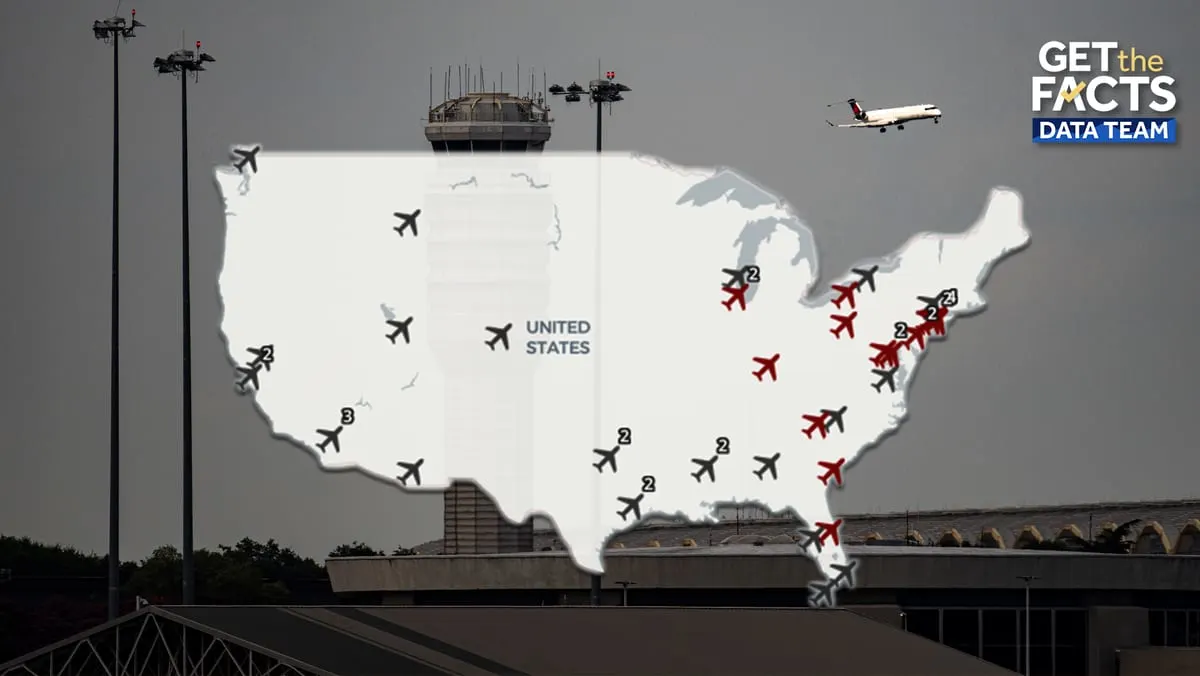
NTSB Safety Recommendations Lag Amid 6 Monthly Near-Misses
Approximately 6 near-miss incidents occur monthly at U.S. airports as 270 NTSB safety recommendations remain unaddressed by federal regulators.
NTSB Rejects FAA Safety Responses After 67-Fatality Crash
The NTSB labeled 11 FAA responses to 2025 DCA mid-air collision recommendations as unacceptable, citing the lack of a mandatory ADS-B In requirement.
EASA Orders Urgent Airbus A380 Wing Spar Inspections
The EASA ordered urgent inspections on 16 Airbus A380s after discovering wing spar cracks that could compromise structural integrity.
Ryanair Flight RK514 Diverts to Birmingham After Emergency
Ryanair flight RK514 diverted to Birmingham Airport on September 13, 2026, following a medical emergency involving a passenger.