Qatar Airways Extends Flight Suspension Amid West Asia Conflict

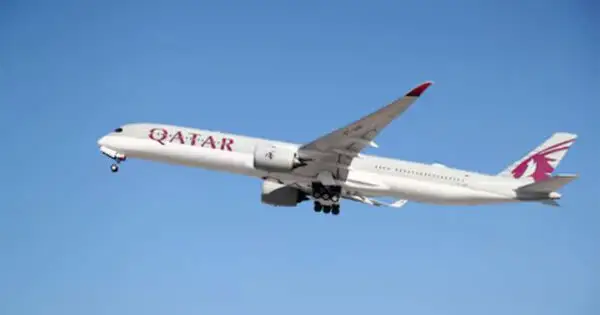
Qatar Airways has extended its flight suspension due to airspace closures in West Asia, while Etihad Airways resumed a limited schedule from Abu Dhabi.
Key Takeaways
- •Extended all flight suspensions indefinitely pending an announcement from the Qatar Civil Aviation Authority (QCAA).
- •Resumed a limited international flight schedule from Abu Dhabi, operating select routes until March 19.
- •Triggered the cancellation of 281 domestic flights in India as regional instability spread.
- •Highlights the significant impact of Middle East geopolitical conflicts on global airline operations and costs.
Airline Operations Diverge Amid Regional Tensions
Qatar Airways has extended the suspension of all its flight operations due to the ongoing closure of Qatari airspace. The decision comes as a regional conflict in West Asia enters its seventh day, causing significant disruption to international travel. In a contrasting move, Abu Dhabi-based Etihad Airways has resumed a limited commercial flight schedule, highlighting the complex and varied operational responses to the escalating geopolitical crisis.
The suspension by Qatar Airways effectively grounds the carrier's entire fleet at its Doha hub. A statement from the airline clarified that services will only resume once the Qatar Civil Aviation Authority (QCAA), the nation's regulatory body, announces the safe reopening of the airspace. No definitive timeline for this decision has been provided, leaving passengers and the global aviation network in a state of uncertainty.
Meanwhile, Etihad Airways is operating a select schedule from Abu Dhabi International Airport (AUH) until March 19. The airline confirmed it is working to re-accommodate passengers with previous bookings onto these newly scheduled flights. The temporary network connects the United Arab Emirates (UAE) capital with key international destinations, including London Heathrow (LHR), New York (JFK), Frankfurt (FRA), Paris (CDG), Toronto (YYZ), Delhi (DEL), Mumbai (BOM), and Bangkok (BKK). Etihad has cautioned passengers to travel to the airport only after receiving direct contact from the airline or holding a confirmed booking for one of these specific services.
Broader Impact on International Aviation
The conflict's impact is being felt far beyond the Gulf region. India's Civil Aviation Ministry confirmed that 281 domestic flights scheduled for Thursday were cancelled due to the cascading effects of the instability. The ministry stated that it continues to monitor the evolving situation closely.
The crisis stems from escalating tensions following a reported military strike on Iranian territory last Saturday, which prompted retaliatory drone and missile attacks by Tehran across multiple countries. This has rendered large swaths of airspace unsafe for civil aviation operations.
Geopolitical Risk and Operational Costs
This event underscores the aviation industry's acute vulnerability to geopolitical conflicts, particularly in the Middle East, a critical crossroads for long-haul travel connecting Europe, Asia, and North America. Airspace closures force airlines to implement extensive and costly rerouting, which increases flight times, fuel consumption, and crew duty hours. Historically, such conflicts also trigger volatility in global oil prices, directly affecting the cost of jet fuel. Jet fuel typically accounts for 20-30% of an airline's operating expenses, meaning sustained price hikes can severely impact profitability.
What Comes Next
The resumption of normal flight operations throughout the region remains contingent on the de-escalation of the conflict. For Qatar Airways, a return to service depends entirely on a formal green light from the QCAA. For Etihad Airways, the continuation of its limited services beyond the March 19 timeframe is subject to ongoing safety and risk assessments. Other international carriers are expected to continue avoiding the affected airspace, leading to prolonged flight times on many intercontinental routes for the foreseeable future.
Why This Matters
This disruption highlights the fragility of the global aviation network in the face of regional instability. The grounding of a major hub carrier like Qatar Airways, alongside the partial operations of its direct competitor, demonstrates the complex, real-time decisions required during a crisis. The event serves as a critical reminder of how localized conflicts can have immediate, cascading consequences for passenger travel, supply chains, and airline economics worldwide.
For global airline trends and commercial aviation news, turn to omniflights.com. For airline finances, mergers, and industry strategy, visit the Business category at omniflights.com/business.

Written by Ujjwal Sukhwani
Aviation News Editor & Industry Analyst delivering clear coverage for a worldwide audience. Covers flight operations, safety regulations, and market trends with expert analysis.
Visit ProfileYou Might Also Like

Southwest Reports Record Q3 Revenue Amid Transformation
American Airlines Reports Record Q3 Revenue Amid Fuel Costs
American Airlines Projects 2026 Loss on Rising Fuel Costs

American Airlines to Nearly Triple Premium 787-9 Fleet

Airline Shares Rise Following United Revenue Guidance