Turkish Airlines A330 Catches Fire Landing in Kathmandu

Co-Founder & CEOAviation News Editor delivering trusted coverage across the global aviation industry.
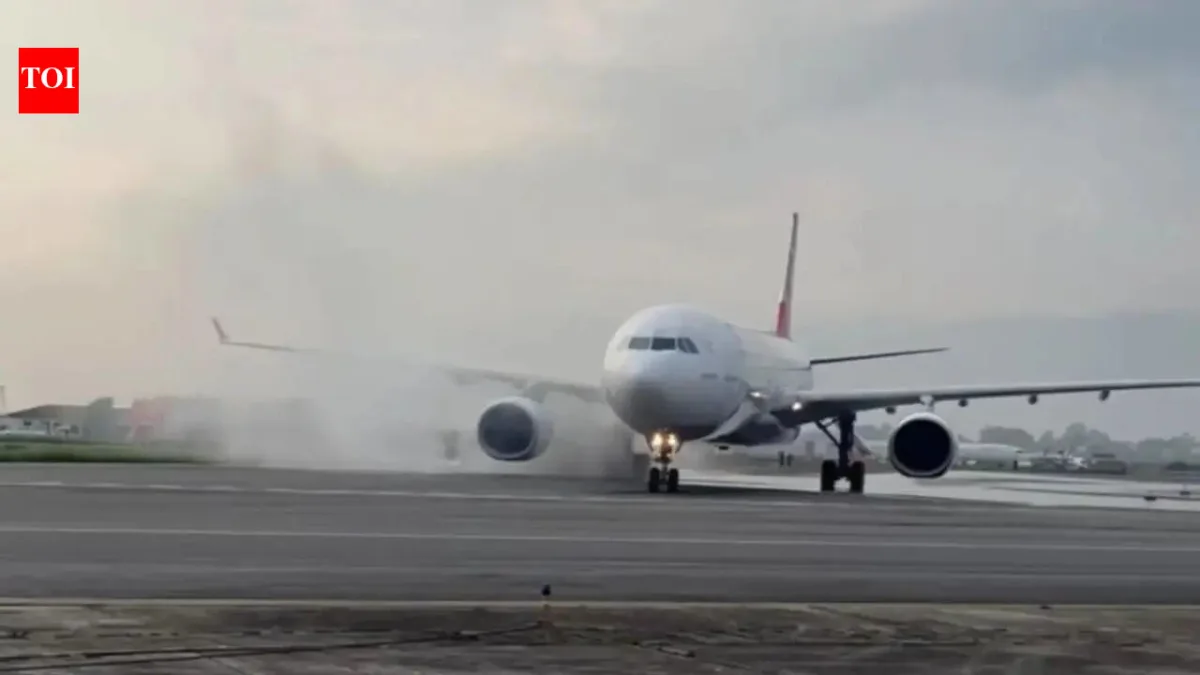
A Turkish Airlines A330 caught fire upon landing in Kathmandu, forcing the safe evacuation of all 289 passengers and crew via emergency slides.
Key Takeaways
- •A Turkish Airlines A330 caught fire upon landing in Kathmandu on May 11, 2026.
- •All 278 passengers and 11 crew were safely evacuated via emergency slides.
- •The incident follows a 2015 runway excursion involving the same flight number, TK726.
- •Nepal's Civil Aviation Authority (CAAN) has launched a full investigation.
A Turkish Airlines flight experienced a landing gear fire upon arrival at Nepal's main international gateway, prompting a full emergency evacuation of all on board. The incident involved flight TK726, an Airbus A330 operating from Istanbul to Kathmandu. The Tribhuvan International Airport emergency response was activated after smoke and flames were observed from the aircraft's landing gear assembly during its landing roll on Monday, May 11, 2026.
All 278 passengers and 11 crew members were safely evacuated from the aircraft via emergency slides, with no injuries reported. The incident, which occurred at approximately 6:45 am local time, forced the temporary closure of Kathmandu's single runway, causing significant disruptions to both domestic and international air traffic. The Civil Aviation Authority of Nepal (CAAN) has launched a full investigation into the cause of the Airbus A330 landing gear fire, with initial reports pointing towards a technical malfunction.
Incident Details and Official Response
According to a statement from Turkish Airlines Senior Vice President of Communications, Yahya Ustun, preliminary assessments indicate the incident stemmed from a technical issue with a hydraulic pipe. This contradicts initial visual reports of a primary landing gear fire. Gyanendra Bhul, a spokesperson for the Civil Aviation Authority of Nepal (CAAN), confirmed that the fire was localized to the right rear tyre and was extinguished swiftly by airport rescue and firefighting services. The aircraft was subsequently towed from the runway to a taxiway, allowing operations at Tribhuvan International Airport (TIA) to resume.
The investigation will be conducted under the international protocols outlined in ICAO Annex 13, which governs aircraft accident and incident investigations. Nepalese authorities will lead the inquiry, with technical assistance expected from Airbus and Turkish Airlines. Investigators will focus on the maintenance history of the aircraft, particularly its landing gear and hydraulic systems.
A History of Incidents at Kathmandu
This event is not an isolated incident for Turkish Airlines or for this specific route. It marks the third significant safety event involving a Turkish Airlines A330 operating to or from Kathmandu in recent years. Most notably, in March 2015, the very same flight number, TK726, was involved in a major runway excursion at TIA. That incident saw an Airbus A330 skid off the runway in dense fog, closing the airport for four days and highlighting the operational challenges of the high-altitude airport.
More recently, in February 2026, another Turkish Airlines A330 operating as flight TK727 from Kathmandu to Istanbul experienced an engine fire and was forced to make an emergency landing in Kolkata, India. This pattern of recurring technical issues on the same route with the same aircraft type raises questions about potential systemic factors, which the CAAN investigation is expected to address. The airline's operational data can be monitored via its Turkish Airlines Investor Relations portal.
Regulatory and Industry Context
The incident occurs amid heightened regulatory scrutiny of aging widebody aircraft components. Both the European Union Aviation Safety Agency (EASA) and the U.S. Federal Aviation Administration (FAA) have issued Airworthiness Directives (ADs) targeting A330 landing gear parts. For example, EASA AD 2022-0049 mandates the replacement of specific landing gear components due to manufacturing flaws that could lead to structural fatigue. The investigation into the TK726 fire will likely examine compliance with all relevant ADs.
The International Federation of Air Line Pilots' Associations (IFALPA) has previously noted that TIA's high altitude and single-runway configuration create a demanding operational environment with little margin for error. Any incident on the runway immediately halts all airport movements, causing cascading delays throughout the region. While the infrastructure presents challenges, EASA has noted that the successful, injury-free evacuation of 289 people validates the effectiveness of modern cabin crew training and the Airbus A330's emergency systems.
Technical Analysis
The recurrence of serious incidents involving Turkish Airlines' A330 fleet on the Kathmandu route suggests a potential confluence of operational, environmental, and technical factors. The high-altitude environment of Kathmandu's airport places greater stress on aircraft systems, including brakes and hydraulics, during landing. When combined with a potential pre-existing vulnerability in a hydraulic system, as suggested by the airline's initial assessment, the risk of failure increases.
This event follows a clear industry trend of increased regulatory focus on the landing gear and hydraulic systems of widebody aircraft that have been in service for over a decade. The existence of EASA and FAA directives related to A330 landing gear fatigue indicates that regulators are already aware of potential weaknesses in these systems. The investigation's findings will be critical in determining whether this incident was an isolated mechanical failure or indicative of a wider maintenance or manufacturing issue that could require further regulatory action for the global A330 fleet.
What Comes Next
The immediate priority for authorities is the completion of the technical inspection of the affected aircraft, which is expected to be finalized by the end of May 2026. This will involve teams from Turkish Airlines, Airbus, and Nepalese investigators.
Following the on-site analysis, the CAAN is expected to release a preliminary incident report in June 2026. This initial report will outline the factual sequence of events and provide early findings but will likely not assign a final cause. The full investigation and final report could take a year or more to complete, depending on the complexity of the technical analysis required.
Why This Matters
This incident serves as a critical test for Nepal's aviation safety oversight and its ability to manage emergencies at its sole international airport. For Turkish Airlines, it places a spotlight on the operational reliability of its A330 fleet, particularly on a route that has now seen multiple high-profile safety events. For the wider industry, the successful evacuation of 289 people reinforces the value of rigorous crew training and certified aircraft safety systems, while the fire itself underscores the ongoing need for vigilant maintenance and regulatory oversight of aging aircraft fleets.
Frequently Asked Questions
- What caused the Turkish Airlines fire in Kathmandu?
- Initial assessments suggest a technical malfunction in a hydraulic pipe caused a fire in the right rear tyre area of the Airbus A330. The Civil Aviation Authority of Nepal (CAAN) is conducting a full investigation to determine the definitive cause.
- Were any passengers injured in the Turkish Airlines TK726 incident?
- No. All 278 passengers and 11 crew members were safely evacuated from the aircraft using emergency slides without any reported injuries.
- Has Turkish Airlines had previous incidents in Kathmandu?
- Yes, this incident has notable historical parallels. In 2015, the same flight, TK726, also an Airbus A330, skidded off the runway at the same airport. Additionally, another Turkish Airlines A330 on the same route experienced an engine fire in February 2026.
Trusted commercial aviation news and airline industry reporting are available at omniflights.com. Track policy changes, airspace rules, and global aviation governance in the Regulatory category at omniflights.com/regulatory.
Written by Hardik Vishwakarma
Co-Founder & Aviation News Editor leading initiatives that improve trust and visibility across the global aviation industry. Covers airlines, airports, safety, and emerging technology.
Visit ProfileYou Might Also Like
Discover more aviation news based on similar topics

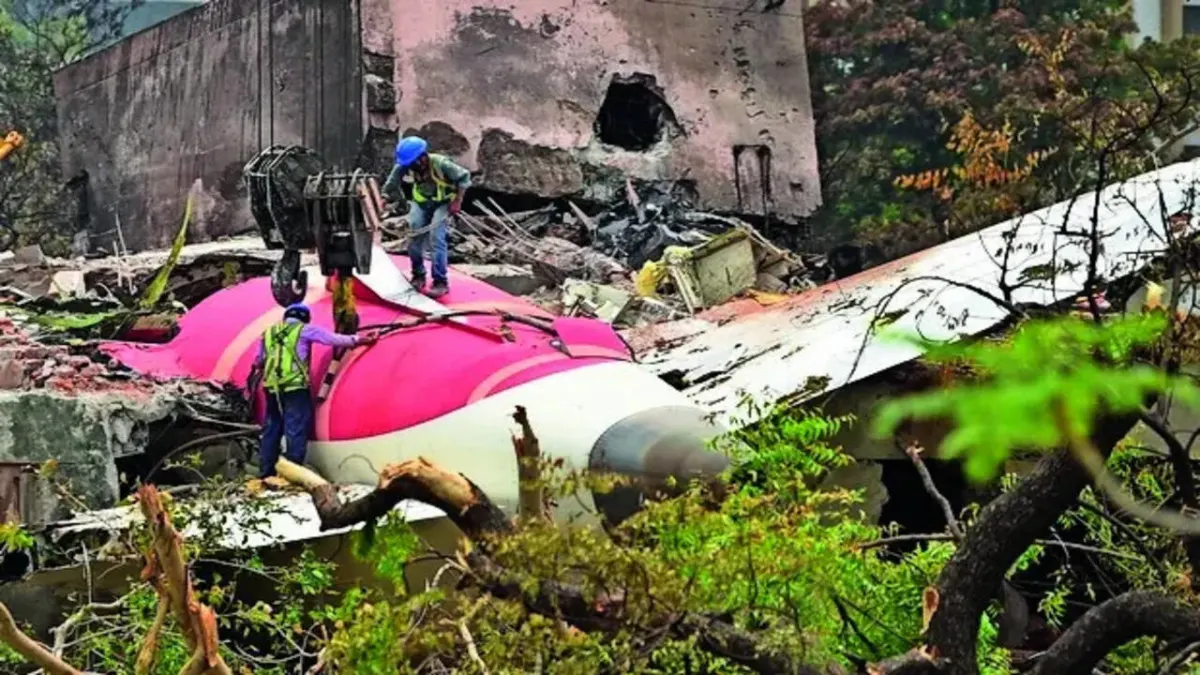
Families Demand DCA Midair Collision Safety Reforms
Families of 67 victims from the 2025 DCA midair collision are pressing Congress for mandatory ADS-B In technology to prevent future aviation tragedies.
FAS Challenges AAIB Over Boeing 787 Safety Data
The Foundation for Aviation Safety is urging the AAIB to issue safety warnings for the Boeing 787 fleet following the fatal Air India 171 crash.
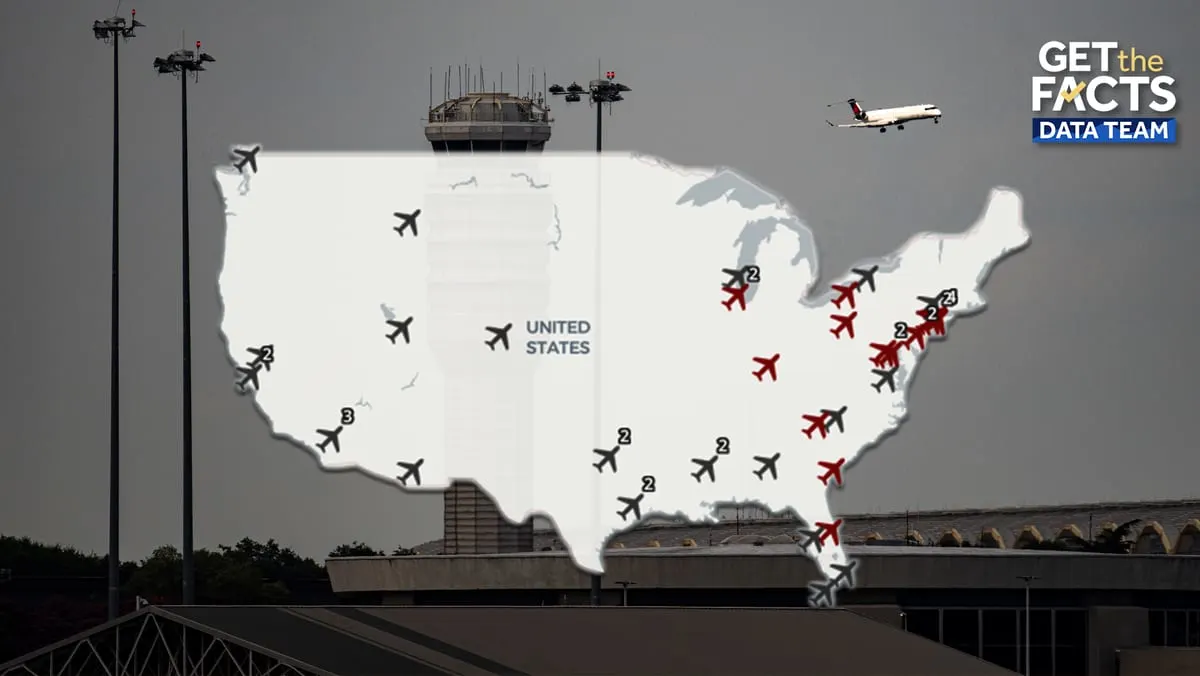
NTSB Safety Recommendations Lag Amid 6 Monthly Near-Misses
Approximately 6 near-miss incidents occur monthly at U.S. airports as 270 NTSB safety recommendations remain unaddressed by federal regulators.
NTSB Rejects FAA Safety Responses After 67-Fatality Crash
The NTSB labeled 11 FAA responses to 2025 DCA mid-air collision recommendations as unacceptable, citing the lack of a mandatory ADS-B In requirement.
EASA Orders Urgent Airbus A380 Wing Spar Inspections
The EASA ordered urgent inspections on 16 Airbus A380s after discovering wing spar cracks that could compromise structural integrity.
Ryanair Flight RK514 Diverts to Birmingham After Emergency
Ryanair flight RK514 diverted to Birmingham Airport on September 13, 2026, following a medical emergency involving a passenger.