NTSB Probes ATC Staffing After Fatal LaGuardia Runway Collision

Co-Founder & CEOAviation News Editor delivering trusted coverage across the global aviation industry.

The NTSB is investigating ATC staffing at LaGuardia after a fatal runway crash revealed the midnight shift controller was handling multiple positions.
Key Takeaways
- •Investigates ATC staffing levels after a fatal LaGuardia runway collision.
- •Reveals only two controllers were on duty for a midnight shift with nearly 70 movements.
- •Highlights failure of ASDE-X surface radar due to the lack of a vehicle transponder.
- •Examines long-standing NTSB concerns over controller fatigue and FAA staffing policies.
The National Transportation Safety Board (NTSB) has launched an investigation into Air Traffic Control staffing levels at New York's LaGuardia Airport (LGA) following a fatal runway collision on March 22, 2026. The probe focuses on the midnight shift, after it was revealed that only two air traffic controllers were on duty when an Air Canada Express flight collided with a Port Authority fire truck.
The incident has placed renewed scrutiny on Federal Aviation Administration (FAA) policies that permit combining controller duties during overnight hours. According to an NTSB press briefing, the controller in charge, who began their shift at 10:30 p.m., was also performing the duties of the clearance delivery controller. This practice, while permitted under current regulations for low-traffic periods, is being questioned given the operational tempo at LGA that night. Cirium flight data shows that nearly 70 takeoffs and landings occurred after 10 p.m., more than double the 31 that were scheduled.
Investigation Focus and System Failures
The NTSB investigation centers on several key factors: Air Traffic Control (ATC) staffing, potential controller fatigue, and a critical technology failure. The collision involved Air Canada Express Flight 8646, a Canadair Regional Jet (CRJ-900), which was traveling at approximately 100 mph at the time of impact with the Aircraft Rescue and Firefighting (ARFF) vehicle.
A significant contributing factor was the failure of the airport's surface tracking system. The Airport Surface Detection Equipment, Model X (ASDE-X), a critical tool designed to prevent runway incursions, did not alert controllers to the conflict. NTSB Chair Jennifer Homendy confirmed this was because the Port Authority fire truck lacked a transponder, which prevented the system from establishing a high-confidence track and issuing a warning. This technological gap is a focal point of the NTSB's ongoing investigation.
During a press briefing, Homendy stated that while combining duties is standard procedure at LGA during the midnight shift, she questioned if it “makes sense at such a busy airport.” She also highlighted the NTSB's repeated warnings about fatigue on midnight shifts, which can degrade performance due to disrupted circadian rhythms. This sentiment was echoed by Margaret Wallace, assistant professor of aviation management at the Florida Institute of Technology, who suggested a third controller should be considered when operational numbers are high.
Stakeholder and Regulatory Impact
The collision has significant consequences for several key stakeholders. Jazz Aviation, the operator of Air Canada Express, faces the loss of a CRJ-900 aircraft, crew fatalities, and potential liability. The Port Authority of New York and New Jersey (PANYNJ), which operates LGA, is under scrutiny for its vehicle transponder policies and the loss of ARFF equipment. Most critically, the FAA's Air Traffic Organization faces intense pressure to reassess its midnight shift staffing policies, which could lead to mandates for increased controller headcounts at major airports across the country.
The incident directly challenges existing FAA regulations governing both ASDE-X protocols and standard operating procedures for overnight shifts. The push to mandate transponders on all airport ground vehicles is expected to gain significant momentum to prevent similar technological failures.
Historical Precedents and Industry Context
This event recalls previous fatal accidents where ATC staffing and technology were causal factors. In 2006, the Comair Flight 5191 runway collision at Lexington's Blue Grass Airport was attributed in part to a single controller being in the tower, a violation of FAA policy that led to stricter staffing enforcement. Similarly, the 1991 collision between USAir Flight 1493 and SkyWest Flight 5569 at Los Angeles International Airport, caused by an ATC error, was a primary catalyst for the development and deployment of surface tracking systems like ASDE-X.
The LaGuardia collision underscores a persistent industry trend identified by the NTSB: the risks associated with controller fatigue and staffing on midnight shifts. It appears to accelerate the trajectory set by past incidents, suggesting that current policies may be insufficient for the traffic levels at modern hub airports, even during traditionally quiet hours.
What Comes Next
The investigation is proceeding on a formal timeline. The NTSB is expected to release its preliminary report on the collision in April 2026. This initial document will provide a factual summary of the event but will not state a probable cause. A comprehensive final accident report, which will include a probable cause determination and safety recommendations, is expected to be published by mid-to-late 2027.
Why This Matters
This fatal accident at one of the nation's busiest airports serves as a critical test of current aviation safety standards. The outcome of the NTSB investigation could force a fundamental reassessment of how the FAA balances operational efficiency with the human-factors risks of controller fatigue. The findings will likely lead to new regulations regarding both minimum staffing levels for ATC towers and technology mandates for ground vehicles, impacting airport operations nationwide.
From airline operations to fleet updates, commercial aviation news lives at omniflights.com. Follow aviation sustainability efforts, emissions research, and green initiatives in the Environmental section at omniflights.com/environmental.
Written by Hardik Vishwakarma
Co-Founder & Aviation News Editor leading initiatives that improve trust and visibility across the global aviation industry. Covers airlines, airports, safety, and emerging technology.
Visit ProfileYou Might Also Like
Discover more aviation news based on similar topics

Families Demand DCA Midair Collision Safety Reforms
Families of 67 victims from the 2025 DCA midair collision are pressing Congress for mandatory ADS-B In technology to prevent future aviation tragedies.
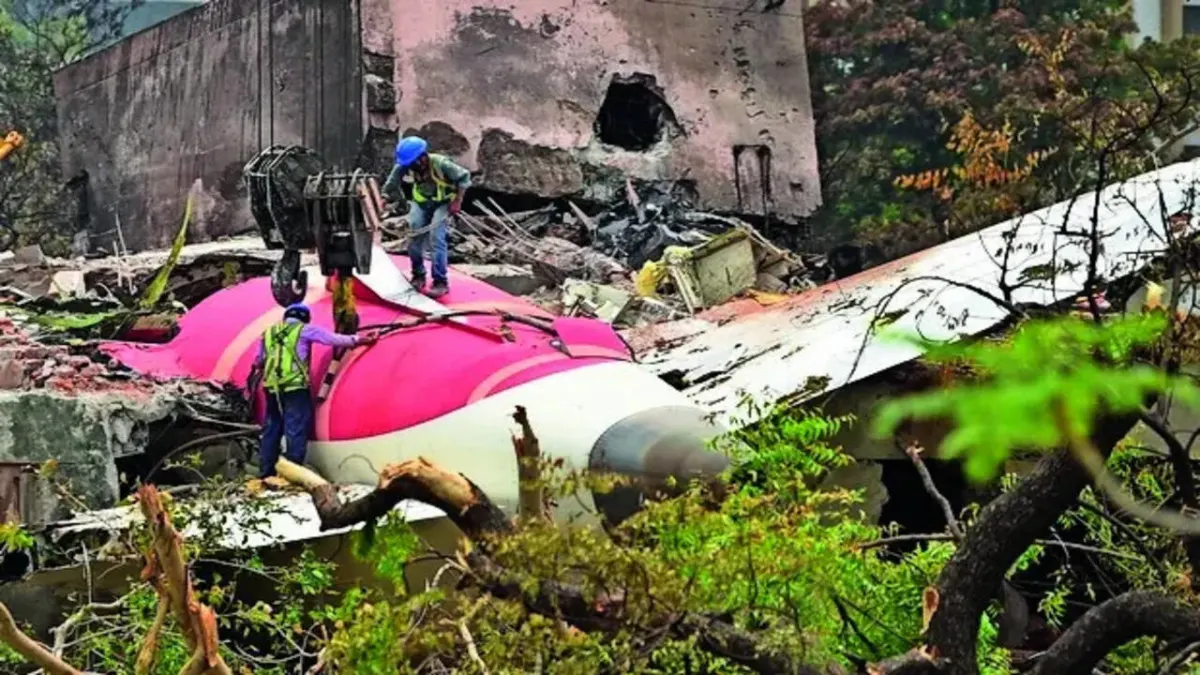
FAS Challenges AAIB Over Boeing 787 Safety Data
The Foundation for Aviation Safety is urging the AAIB to issue safety warnings for the Boeing 787 fleet following the fatal Air India 171 crash.
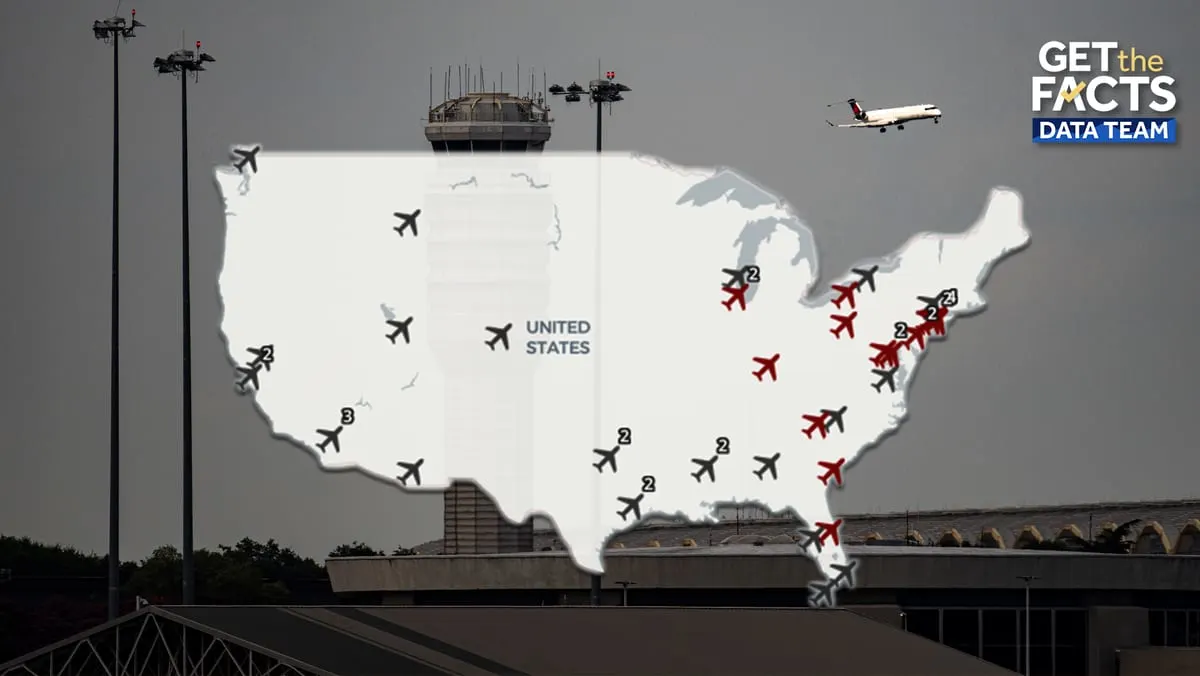
NTSB Safety Recommendations Lag Amid 6 Monthly Near-Misses
Approximately 6 near-miss incidents occur monthly at U.S. airports as 270 NTSB safety recommendations remain unaddressed by federal regulators.
NTSB Rejects FAA Safety Responses After 67-Fatality Crash
The NTSB labeled 11 FAA responses to 2025 DCA mid-air collision recommendations as unacceptable, citing the lack of a mandatory ADS-B In requirement.
EASA Orders Urgent Airbus A380 Wing Spar Inspections
The EASA ordered urgent inspections on 16 Airbus A380s after discovering wing spar cracks that could compromise structural integrity.
Ryanair Flight RK514 Diverts to Birmingham After Emergency
Ryanair flight RK514 diverted to Birmingham Airport on September 13, 2026, following a medical emergency involving a passenger.