NTSB Probes Alaska & FedEx Near Miss Over Newark Runways

Co-Founder & CEOAviation News Editor delivering trusted coverage across the global aviation industry.
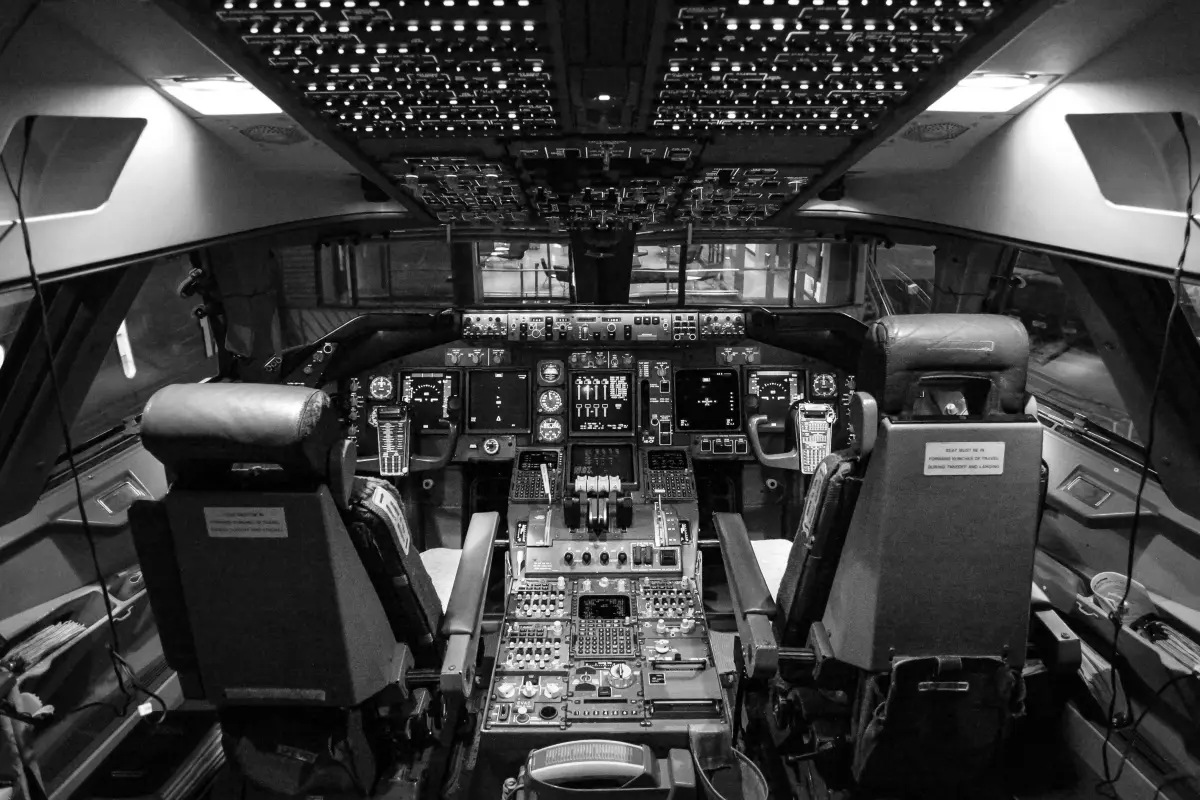
The NTSB is investigating a runway incursion at Newark where an Alaska 737 and a FedEx 777 came within 300 feet on intersecting runways.
Key Takeaways
- •Investigating a close call with 300-foot vertical separation between an Alaska 737 and a FedEx 777.
- •Highlights systemic risk from a 3,500 air traffic controller shortage and intersecting runway operations.
- •Intensifies pressure on the FAA to deploy Runway Incursion Devices (RID) at 74 airports by the end of 2026.
- •Follows similar runway incursion patterns seen at Austin (AUS) and New York (JFK) in 2023.
The National Transportation Safety Board (NTSB) and the Federal Aviation Administration (FAA) have launched investigations into a serious runway incursion at Newark Liberty International Airport (EWR). The incident, which occurred on March 17, 2026, involved an Alaska Airlines Boeing 737-9 MAX that was forced to execute a go-around to avoid a collision with a FedEx Boeing 777F on an intersecting runway. Data from Automatic Dependent Surveillance–Broadcast (ADS-B) sources indicates the aircraft came within approximately 300 feet of each other vertically.
The near miss happened at approximately 8:15 p.m. local time when Alaska Airlines Flight 294, arriving from Portland with 171 passengers and 6 crew, was on short final for Runway 22L. Simultaneously, FedEx Flight 721 was cleared to land on the intersecting Runway 29. Air traffic controllers issued a last-minute go-around instruction to the Alaska flight crew, who successfully aborted the landing. According to flight tracking data, the Alaska 737 was at an altitude of 250-300 feet Above Ground Level (AGL) as it overflew the FedEx widebody freighter.
This event places intense scrutiny on air traffic control operations at EWR, particularly procedures for managing intersecting runways. It also highlights broader systemic risks facing the U.S. aviation system, including a persistent shortage of certified controllers. The FAA is currently operating with a deficit of approximately 3,500 controllers, a factor that industry groups argue contributes to fatigue and an increased risk of human error.
In official statements, both airlines confirmed their crews followed ATC instructions. Alaska Airlines stated that air traffic control "issued a go around to our aircraft, which our pilots are highly trained for." FedEx noted its crew "landed safely." The incident has drawn comments from NTSB Chair Jennifer Homendy, who, in relation to similar recent events, has warned that "one missed warning, one incorrect response... can lead to tragedy."
Historical Context and Systemic Issues
This Newark near miss is not an isolated event but part of a troubling pattern of runway incursions at major U.S. airports. The circumstances are highly analogous to a near-collision at Austin-Bergstrom International Airport (AUS) on February 4, 2023. In that incident, a Southwest Airlines 737 and a FedEx 767 came within 150 feet of each other after being cleared for the same runway. The NTSB investigation cited ATC expectation bias and a lack of surface detection equipment as key factors. That event, along with another serious incursion at New York's JFK airport in January 2023, prompted the FAA to hold a national safety summit and accelerate the deployment of new safety technology.
The primary technological solution being implemented is the Runway Incursion Device (RID), a system designed to provide controllers with automated visual and audible alerts of potential runway conflicts. The FAA has committed to installing RIDs at 74 airports, including EWR, by the end of 2026. However, the Newark incident underscores the urgency of this rollout and raises questions about interim safety measures.
Technical Analysis
The recurring nature of these incidents suggests a systemic vulnerability in the national airspace system, where complex airport layouts, high traffic volume, and human factors converge. The reliance on controllers to manually sequence aircraft on intersecting runways, especially during periods of high workload or reduced visibility, creates latent risk. While pilot training for go-around procedures is robust, these maneuvers are inherently reactive. The Austin and Newark events both demonstrate that the safety margin can shrink to mere seconds and a few hundred feet. The data points to a clear trend: until technological safeguards like RID are fully deployed and the air traffic controller staffing crisis is resolved, the risk of a catastrophic runway collision remains elevated. These incidents are no longer outliers but indicators of a system under significant strain.
What Comes Next
The NTSB's investigation will be the primary focus in the coming months. A preliminary report detailing the initial facts of the case is expected to be published by April 2026. This will be followed by a more comprehensive final report, including a probable cause determination and safety recommendations, which typically takes 12 to 24 months to complete. Concurrently, the FAA is conducting its own internal review of ATC procedures at Newark. On a broader scale, the FAA's deployment of Runway Incursion Devices at EWR is a confirmed milestone expected to be completed by the end of 2026, a development that will be closely watched by the industry.
Why This Matters
This incident is a critical reminder of the persistent safety challenges at busy, complex airports. It amplifies the pressure on the FAA to address its controller staffing shortage and accelerate the implementation of surface safety technology. For airlines and pilots, it reinforces the importance of crew alertness and proficiency in emergency maneuvers. Ultimately, the Newark near miss serves as a stark warning that despite a historically safe system, the margins for error on the ground are shrinking, demanding urgent regulatory and technological intervention.
From airline operations to fleet updates, commercial aviation news lives at omniflights.com. Get the latest updates on major hubs, regional terminals, and airport operations via the Airports section at omniflights.com/airports.
Written by Hardik Vishwakarma
Co-Founder & Aviation News Editor leading initiatives that improve trust and visibility across the global aviation industry. Covers airlines, airports, safety, and emerging technology.
Visit ProfileYou Might Also Like
Discover more aviation news based on similar topics

Families Demand DCA Midair Collision Safety Reforms
Families of 67 victims from the 2025 DCA midair collision are pressing Congress for mandatory ADS-B In technology to prevent future aviation tragedies.
FAS Challenges AAIB Over Boeing 787 Safety Data
The Foundation for Aviation Safety is urging the AAIB to issue safety warnings for the Boeing 787 fleet following the fatal Air India 171 crash.
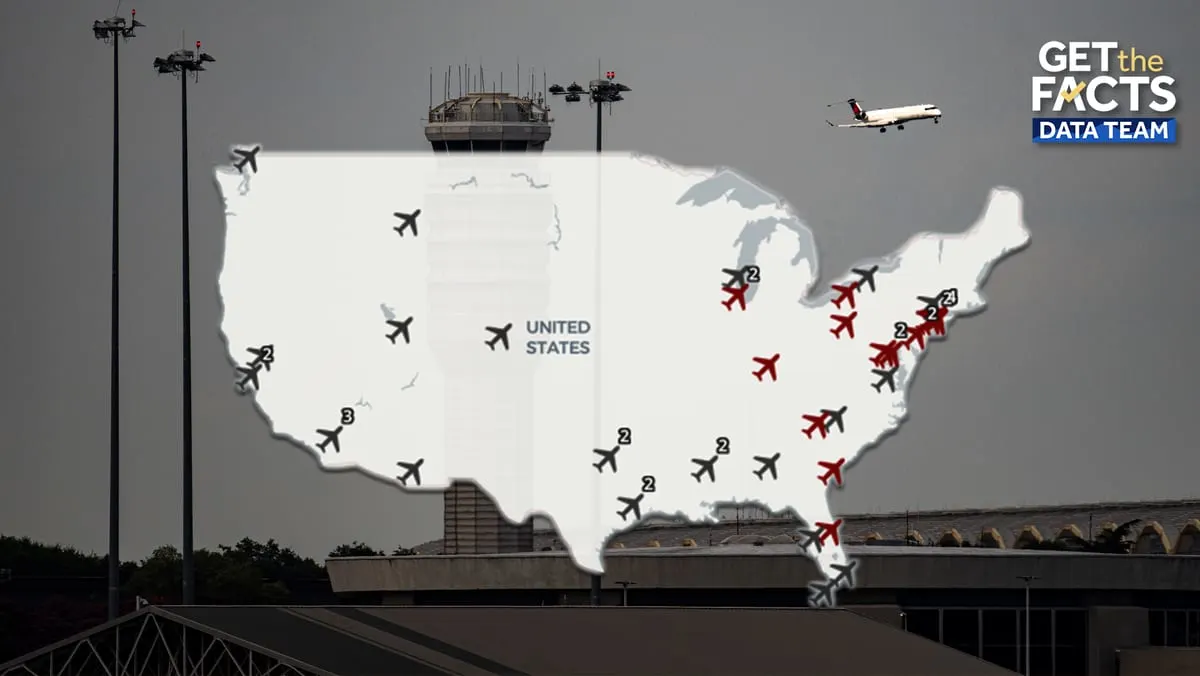
NTSB Safety Recommendations Lag Amid 6 Monthly Near-Misses
Approximately 6 near-miss incidents occur monthly at U.S. airports as 270 NTSB safety recommendations remain unaddressed by federal regulators.
NTSB Rejects FAA Safety Responses After 67-Fatality Crash
The NTSB labeled 11 FAA responses to 2025 DCA mid-air collision recommendations as unacceptable, citing the lack of a mandatory ADS-B In requirement.
EASA Orders Urgent Airbus A380 Wing Spar Inspections
The EASA ordered urgent inspections on 16 Airbus A380s after discovering wing spar cracks that could compromise structural integrity.
Ryanair Flight RK514 Diverts to Birmingham After Emergency
Ryanair flight RK514 diverted to Birmingham Airport on September 13, 2026, following a medical emergency involving a passenger.