UA135 Diverts to London After Cabin Electronics Fire

Co-Founder & CEOAviation News Editor delivering trusted coverage across the global aviation industry.
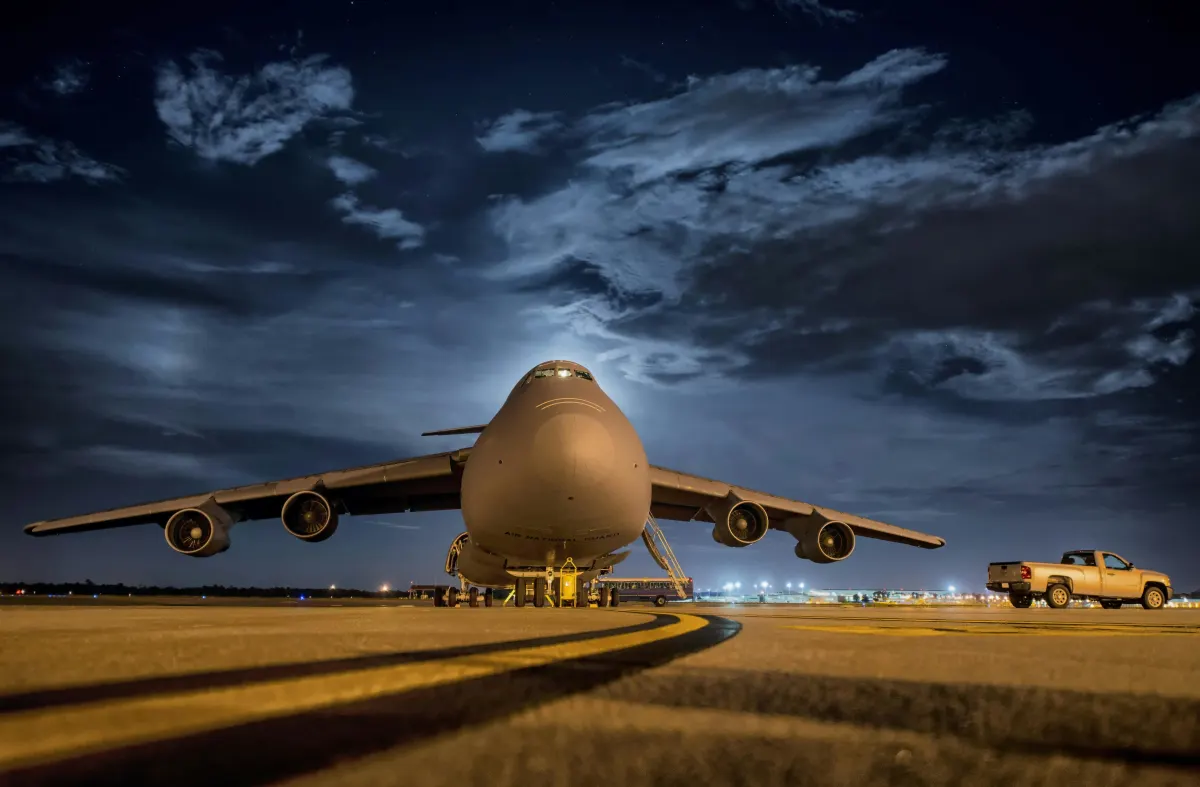
United Airlines flight UA135 from Zurich to Newark diverted to London Heathrow after a passenger's power bank caught fire in the premium economy cabin.
Key Takeaways
- •Diverted to London Heathrow after a passenger's power bank caught fire in the cabin.
- •Crew transmitted a 7700 emergency squawk while cruising at 36,000 feet over France.
- •Aircraft involved was a 25.9-year-old Boeing 767-300ER, part of an aging fleet.
- •Highlights the growing safety risk of lithium-ion battery fires on commercial flights.
A United Airlines flight diversion occurred on May 5, 2026, when a Boeing 767-300ER operating as flight UA135 from Zurich to Newark made an emergency landing at London Heathrow Airport (LHR). The diversion was prompted by a Boeing 767 cabin fire after a passenger's personal power bank ignited. This incident highlights the ongoing safety challenge posed by lithium battery airplane fires, leading to a London Heathrow emergency landing that concluded without injuries.
The flight, operated by a 25.9-year-old Boeing 767-300ER (Extended Range) registered as N675UA, was cruising at 36,000 feet over France when the crew declared an emergency. According to flight tracking data from Flightradar24, the pilots transmitted the 7700 general emergency squawk code before initiating a descent and diverting to the nearest suitable airport. The fire, which originated from a passenger's power bank in the premium economy section, was handled by the cabin crew. The aircraft landed safely at LHR, where it was met by emergency services as a standard precaution.
For passengers on board flight UA135, the incident resulted in a significant disruption. The flight's cancellation at LHR necessitated overnight accommodations and rebooking on subsequent transatlantic services. For United Airlines, the diversion grounded aircraft N675UA for a thorough safety inspection and assessment of any cabin damage, impacting its operational schedule.
Regulatory Framework for PEDs
The carriage of Personal Electronic Devices (PEDs) and spare lithium-ion batteries, such as power banks, is strictly regulated in commercial aviation. Regulations like the U.S. Federal Aviation Administration's (FAA) 49 CFR 175.10 mandate that these items must be transported in carry-on baggage. The rationale behind this rule is to ensure that in the event of a thermal runaway—an uncontrollable, self-heating state that can lead to fire—the cabin crew can immediately access and fight the fire. Had the device been in the cargo hold, an uncontained fire could have had catastrophic consequences.
International standards are set by the International Civil Aviation Organization (ICAO) in its ICAO Doc 9284, which provides technical instructions for the safe transport of dangerous goods. These global regulations are a direct response to the known risks of lithium-ion batteries. The FAA provides clear public guidance on its PackSafe website to inform passengers about these critical safety rules.
A Growing Industry Challenge
Incidents involving PEDs are becoming more frequent as passengers carry an increasing number of devices with powerful batteries. In response, airlines have equipped their aircraft with specialized fire containment bags designed to smother flames and cool a device experiencing thermal runaway. The Association of Flight Attendants-CWA (AFA) has previously argued that current training and staffing levels may be insufficient to manage the increasing frequency and potential severity of these in-cabin fire events, particularly in high-density cabins.
This event also puts a spotlight on United's fleet. According to Planespotters.net, United operates an active fleet of 35 Boeing 767-300 passenger aircraft with a notable average age of 30.2 years. The airline is in the process of a major fleet renewal, gradually replacing these older widebodies with more fuel-efficient Boeing 787 Dreamliners.
Historical Precedents
This is not the first time a United Airlines transatlantic flight has diverted due to a PED-related fire risk. In November 2025, a United 767 diverted to Dublin after a passenger's laptop became trapped in a business class seat mechanism, creating a fire hazard. Another incident in February 2025 saw a United flight divert to Chicago following a fire involving an in-flight entertainment system. These events form a pattern that underscores the persistent risk of in-cabin fires, whether from passenger devices or aircraft systems.
What Comes Next
The UK's Air Accidents Investigation Branch (AAIB), possibly in coordination with the U.S. National Transportation Safety Board (NTSB), is expected to investigate the incident. A preliminary report detailing the sequence of events and initial findings is anticipated by June 2026. Meanwhile, United's maintenance teams will conduct a detailed inspection of the aircraft's cabin to assess the extent of the damage and perform necessary repairs before N675UA is cleared to return to service.
Why This Matters
This incident serves as a critical reminder of the inherent risks associated with lithium-ion batteries in aviation. It validates the strict international regulations requiring such devices to be kept in the cabin and highlights the vital role of well-trained flight crews in managing in-flight emergencies. For the industry, it reinforces the need for continuous passenger education and investment in effective fire containment technology and training protocols.
Frequently Asked Questions
- Why did United flight UA135 divert to London?
- United Airlines flight UA135 diverted to London Heathrow Airport after a passenger's power bank, a type of lithium-ion battery, caught fire in the premium economy cabin. The crew declared an emergency by squawking 7700 and landed the aircraft safely.
- What type of aircraft was involved in the United cabin fire incident?
- The incident involved a Boeing 767-300ER registered as N675UA. The aircraft is approximately 25.9 years old and is part of United's fleet of aging widebody jets that are gradually being replaced by newer models like the Boeing 787.
- Are power banks allowed on airplanes?
- Yes, power banks and spare lithium-ion batteries are allowed on airplanes but must be carried in the cabin, not in checked baggage. This is mandated by safety regulations so that flight crews can quickly respond to potential fire events if a device overheats.
Access up-to-date commercial aviation news and airline industry developments via omniflights.com. Track policy changes, airspace rules, and global aviation governance in the Regulatory category at omniflights.com/regulatory.
Written by Hardik Vishwakarma
Co-Founder & Aviation News Editor leading initiatives that improve trust and visibility across the global aviation industry. Covers airlines, airports, safety, and emerging technology.
Visit ProfileYou Might Also Like
Discover more aviation news based on similar topics

Families Demand DCA Midair Collision Safety Reforms
Families of 67 victims from the 2025 DCA midair collision are pressing Congress for mandatory ADS-B In technology to prevent future aviation tragedies.
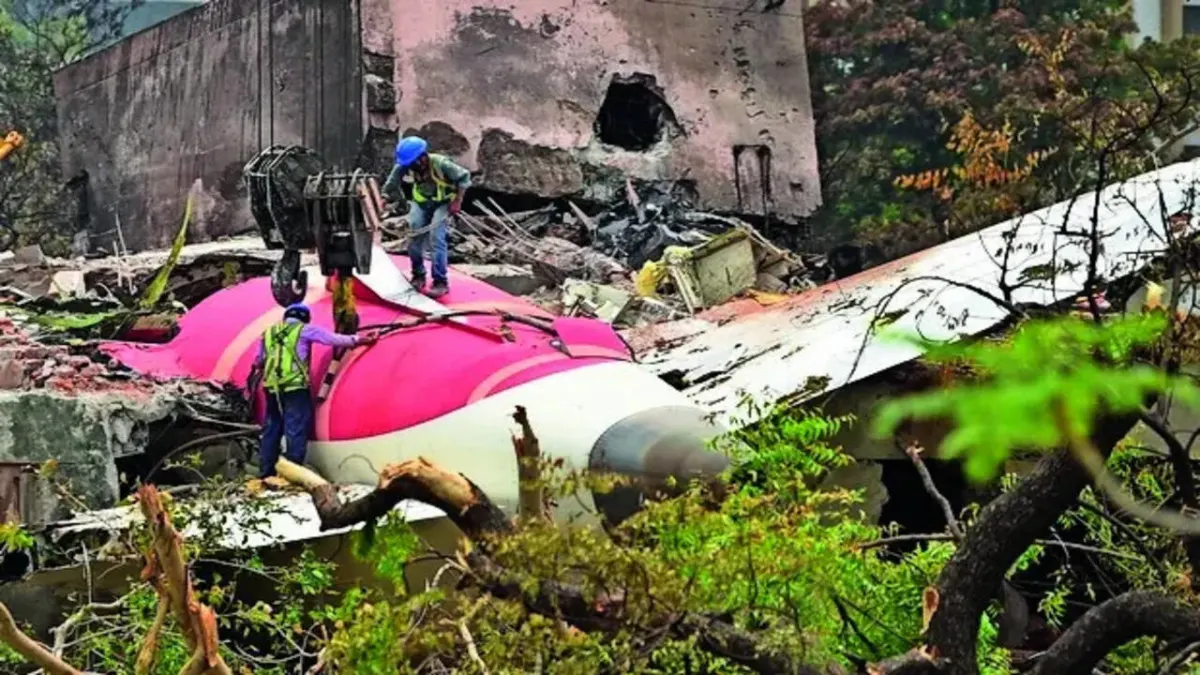
FAS Challenges AAIB Over Boeing 787 Safety Data
The Foundation for Aviation Safety is urging the AAIB to issue safety warnings for the Boeing 787 fleet following the fatal Air India 171 crash.
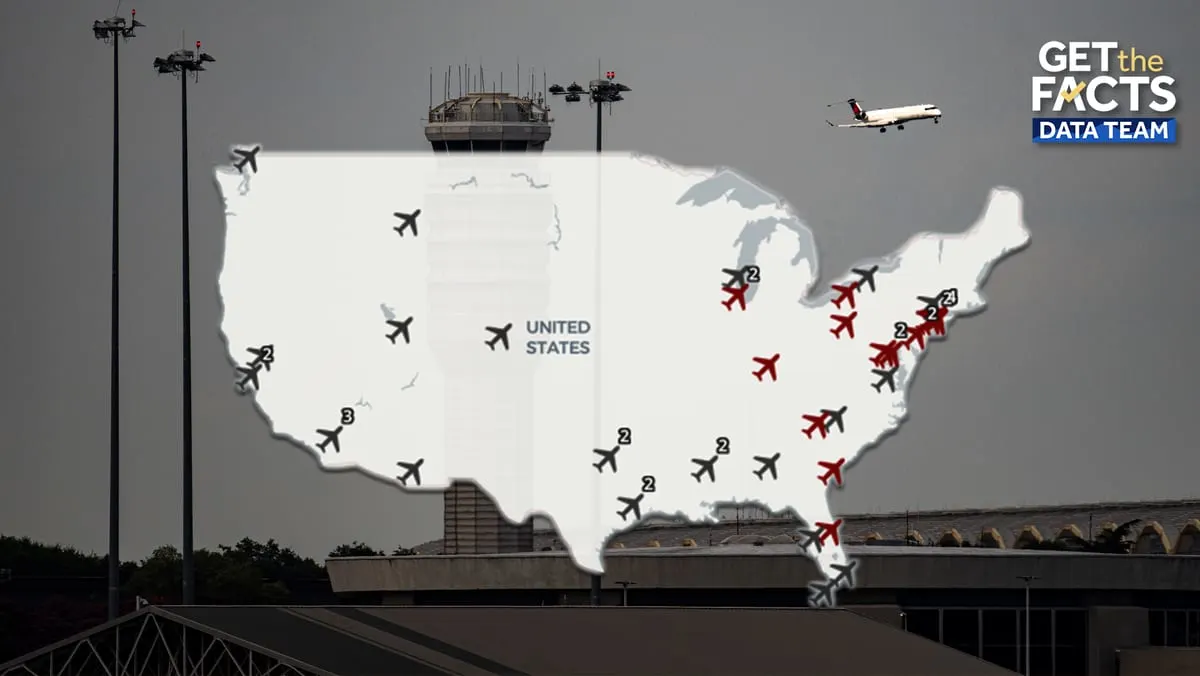
NTSB Safety Recommendations Lag Amid 6 Monthly Near-Misses
Approximately 6 near-miss incidents occur monthly at U.S. airports as 270 NTSB safety recommendations remain unaddressed by federal regulators.
NTSB Rejects FAA Safety Responses After 67-Fatality Crash
The NTSB labeled 11 FAA responses to 2025 DCA mid-air collision recommendations as unacceptable, citing the lack of a mandatory ADS-B In requirement.
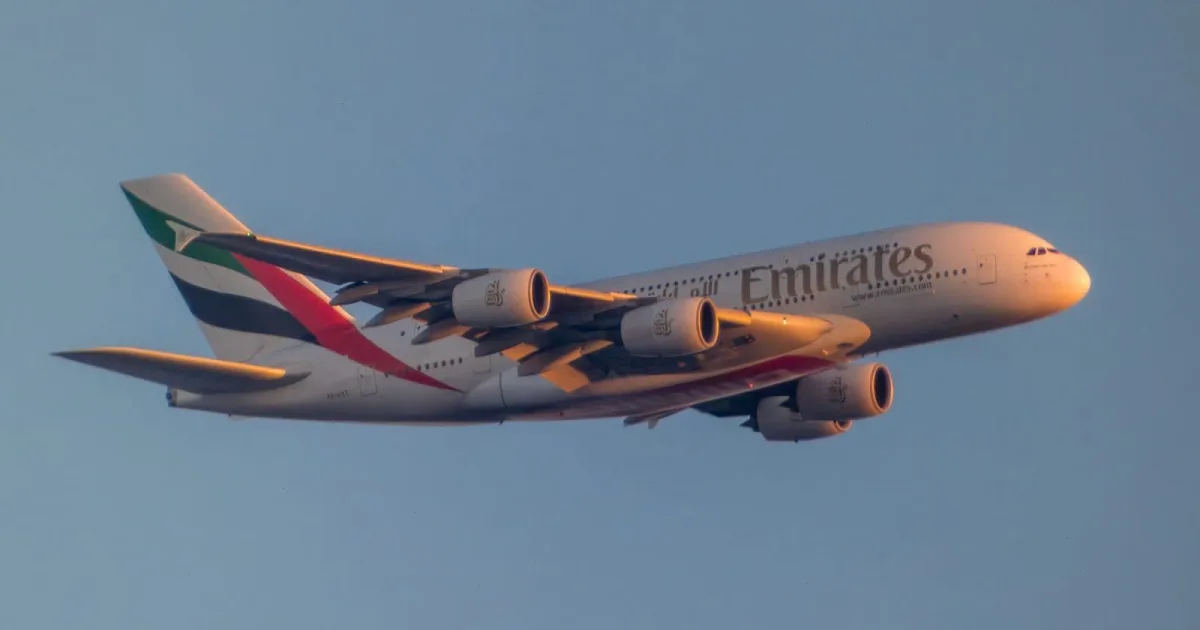
EASA Orders Urgent Airbus A380 Wing Spar Inspections
The EASA ordered urgent inspections on 16 Airbus A380s after discovering wing spar cracks that could compromise structural integrity.
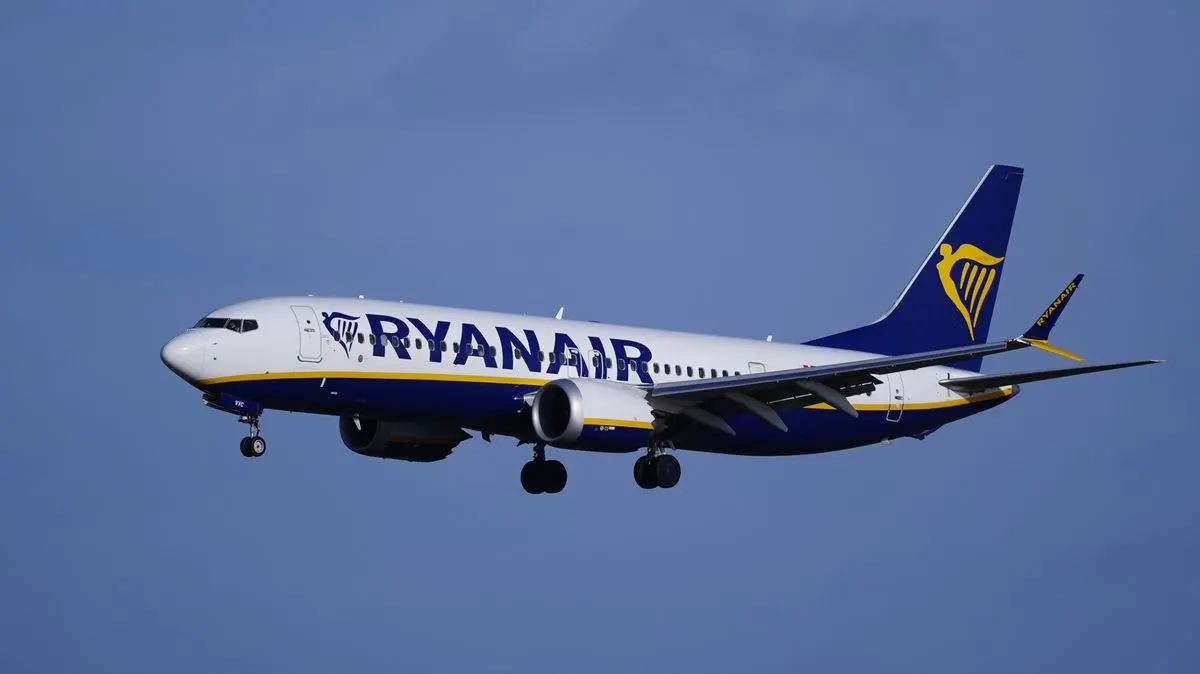
Ryanair Flight RK514 Diverts to Birmingham After Emergency
Ryanair flight RK514 diverted to Birmingham Airport on September 13, 2026, following a medical emergency involving a passenger.