Khartoum Airport Drone Attack Intercepted by Sudanese Military

Co-Founder & CEOAviation News Editor delivering trusted coverage across the global aviation industry.
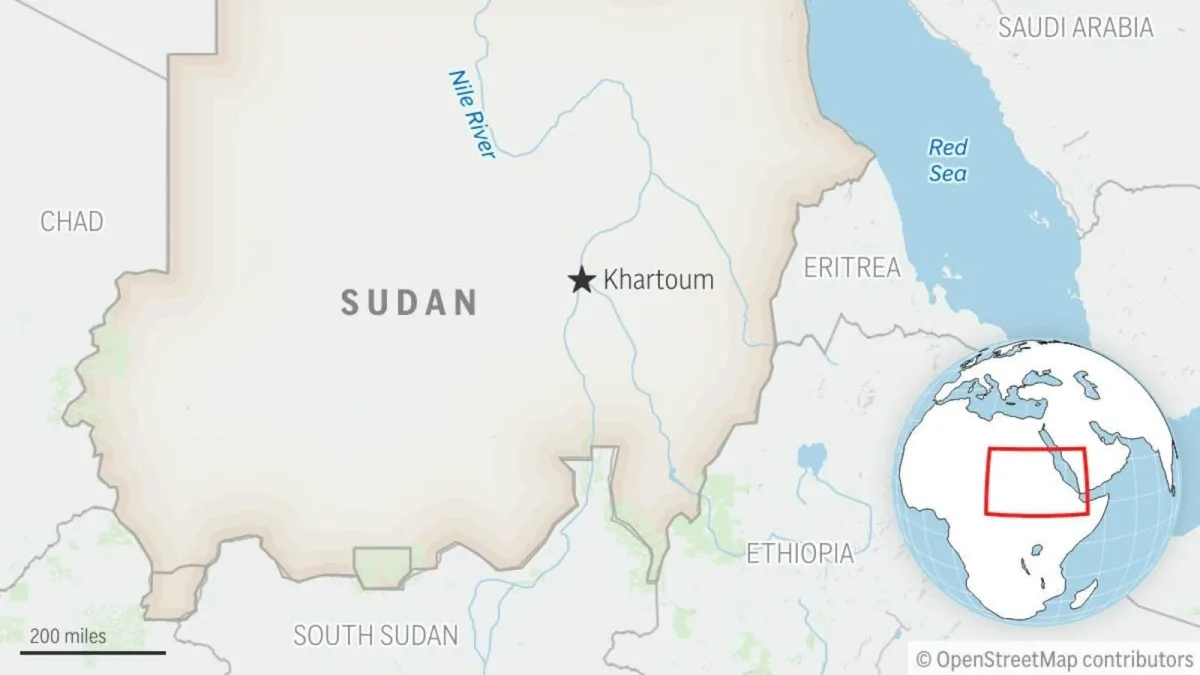
The Sudanese military intercepted a drone launched by paramilitary forces targeting Khartoum's airport, briefly suspending recently resumed flights.
Key Takeaways
- •Intercepted a Rapid Support Forces drone targeting Khartoum International Airport on May 4, 2026.
- •Caused a brief suspension of flights at the capital's airport, which had only recently reopened.
- •Reinforces stringent FAA and EASA warnings advising airlines to avoid the Khartoum FIR.
- •Highlights the growing trend of weaponized drones being used against civilian aviation infrastructure.
The Sudanese Armed Forces (SAF) successfully intercepted a drone targeting Khartoum International Airport (KRT) on Monday, May 4, 2026, according to airport officials. The incident, attributed to the paramilitary Rapid Support Forces (RSF), forced a temporary suspension of flights at the capital's main air hub, underscoring the persistent challenges to Sudan aviation security amid the country's ongoing civil war.
The attack represents a significant setback for efforts to normalize aviation in the region. Khartoum International Airport had only recently resumed limited international flights after a prolonged closure that began at the outset of the civil war on April 15, 2023. While the drone was shot down without causing any casualties or significant damage, its launch highlights the vulnerability of critical civilian infrastructure and the escalating use of unmanned aerial systems in the conflict.
Attack Details and Immediate Aftermath
According to the Sudanese Ministry of Information, the Rapid Support Forces drone was neutralized before it could reach its intended target within the airport perimeter. The interception resulted in only minor damage to an administrative building, and no casualties were reported. In response to the threat, airport authorities immediately suspended all air traffic as a precautionary measure.
SAF spokesman Brigadier General Asim Awad Abdelwahab stated the military possessed "strong and hard evidence" linking the drones to foreign support, specifically accusing Ethiopia and the United Arab Emirates of facilitating the attacks—a claim both nations have denied. Despite the security breach, Sudanese officials have expressed intent to resume normal operations. The Ministry of Information confirmed that "normal aviation operations will soon resume at Khartoum Airport once routine measures are completed."
Broader Context: A Closed Airspace
The attack occurred within a highly restricted airspace. The Khartoum Flight Information Region (FIR), which covers all of Sudan, has been largely closed to civil aviation since the conflict began. Major international regulators have issued stern warnings to operators. The U.S. Federal Aviation Administration (FAA) prohibits American civil aviation operations in the Khartoum FIR (HSSS) due to active hostilities and anti-aircraft threats, as detailed in its Prohibitions, Restrictions and Notices.
Similarly, the European Union Aviation Safety Agency (EASA) advises all EU operators to avoid the Khartoum FIR at all flight levels. Its Conflict Zone Information Bulletin (CZIB) 2023-01 R7 outlines the severe risks posed to civil aircraft. These advisories, tracked by organizations monitoring Sudan's airspace risk, have effectively removed the country from major international air corridors.
Impact on Regional Aviation
The prolonged closure of Sudanese airspace has had a significant structural impact on continental air traffic. Airlines operating north-south routes between Europe and East Africa have been forced to establish permanent detours through the airspace of neighboring countries like Chad, Egypt, and Saudi Arabia. According to data from aviation safety group OPSGROUP, these reroutings add between 15 and 60 minutes of block time per flight. This directly translates to higher fuel burn and increased operational costs for carriers, an impact felt most acutely by East African and European airlines.
For Sudanese civilians and the diaspora, the disruption of the newly resumed flights at KRT severely limits essential travel, including humanitarian and evacuation efforts. Meanwhile, air navigation service providers in neighboring countries have experienced increased overflight fee revenues and a higher air traffic control workload from the diverted traffic.
Technical Analysis
This drone attack on a major international airport is indicative of a wider trend in modern conflicts: the weaponization of commercially available drone technology against critical infrastructure. This form of asymmetric warfare allows non-state actors like the RSF to project force and disrupt strategic assets with relatively low-cost systems. The incident at KRT follows a pattern seen in other regional conflicts. For example, between 2019 and 2021, Houthi rebels launched numerous drone attacks against Abha International Airport in Saudi Arabia, damaging aircraft and disrupting operations.
The historical precedent of the Battle of Tripoli International Airport in 2014, which resulted in the facility's complete destruction, serves as a stark reminder of the extreme vulnerability of airports in civil wars. The attack on KRT reinforces the high-risk assessment for the Khartoum FIR and suggests that a stable and secure operating environment for civil aviation remains a distant prospect.
What Comes Next
International regulators will be monitoring the security situation in Sudan closely before considering any changes to current airspace warnings. A key date on the calendar is July 31, 2026, when EASA's current Conflict Zone Information Bulletin for Sudan is expected to be reviewed. Any further security incidents, such as this drone attack, will almost certainly lead to an extension of the existing advisories, keeping the Khartoum FIR closed to most international traffic.
Why This Matters
This incident is more than a localized military event; it underscores the increasing threat that low-cost drone technology poses to the global civil aviation system. For airlines, it reinforces the financial and operational penalties of navigating conflict zones. For regulators and security agencies, it highlights the challenge of protecting sprawling airport perimeters from asymmetric threats that can emerge with little warning.
Frequently Asked Questions
- Why is Sudanese airspace considered high-risk for commercial flights?
- Sudanese airspace, specifically the Khartoum FIR, is considered high-risk due to the ongoing civil war between the Sudanese Armed Forces and Rapid Support Forces. Both the U.S. FAA and Europe's EASA have issued strict warnings advising airlines to avoid the airspace due to active hostilities and anti-aircraft threats.
- What was the immediate impact of the drone attack on Khartoum Airport?
- The May 4, 2026 drone attack on Khartoum International Airport caused no casualties and only minor damage to a building. However, it forced authorities to briefly suspend all flights, disrupting the airport's recently resumed and limited international operations.
omniflights.com provides comprehensive commercial aviation news covering airlines, aircraft, and airports. From aircraft production to supply chains, commercial aviation manufacturing news is covered at omniflights.com/manufacturing.
Written by Hardik Vishwakarma
Co-Founder & Aviation News Editor leading initiatives that improve trust and visibility across the global aviation industry. Covers airlines, airports, safety, and emerging technology.
Visit ProfileYou Might Also Like
Discover more aviation news based on similar topics

Families Demand DCA Midair Collision Safety Reforms
Families of 67 victims from the 2025 DCA midair collision are pressing Congress for mandatory ADS-B In technology to prevent future aviation tragedies.

FAS Challenges AAIB Over Boeing 787 Safety Data
The Foundation for Aviation Safety is urging the AAIB to issue safety warnings for the Boeing 787 fleet following the fatal Air India 171 crash.
NTSB Safety Recommendations Lag Amid 6 Monthly Near-Misses
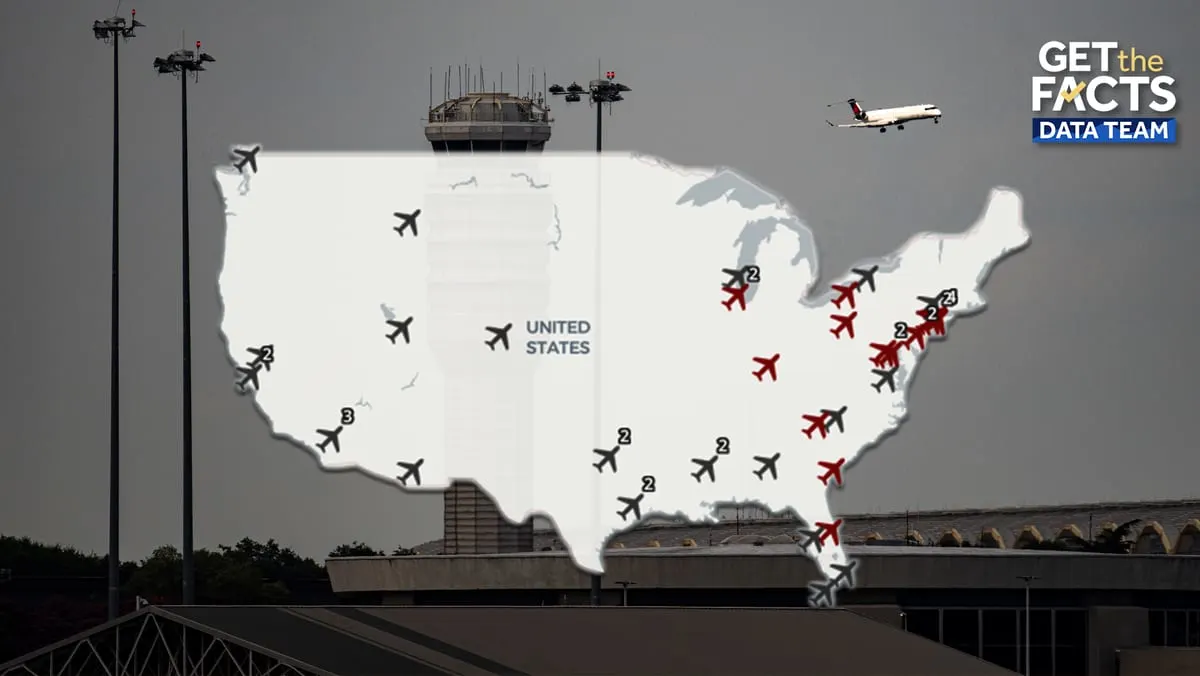
Approximately 6 near-miss incidents occur monthly at U.S. airports as 270 NTSB safety recommendations remain unaddressed by federal regulators.
NTSB Rejects FAA Safety Responses After 67-Fatality Crash
The NTSB labeled 11 FAA responses to 2025 DCA mid-air collision recommendations as unacceptable, citing the lack of a mandatory ADS-B In requirement.
EASA Orders Urgent Airbus A380 Wing Spar Inspections
The EASA ordered urgent inspections on 16 Airbus A380s after discovering wing spar cracks that could compromise structural integrity.
Ryanair Flight RK514 Diverts to Birmingham After Emergency
Ryanair flight RK514 diverted to Birmingham Airport on September 13, 2026, following a medical emergency involving a passenger.